
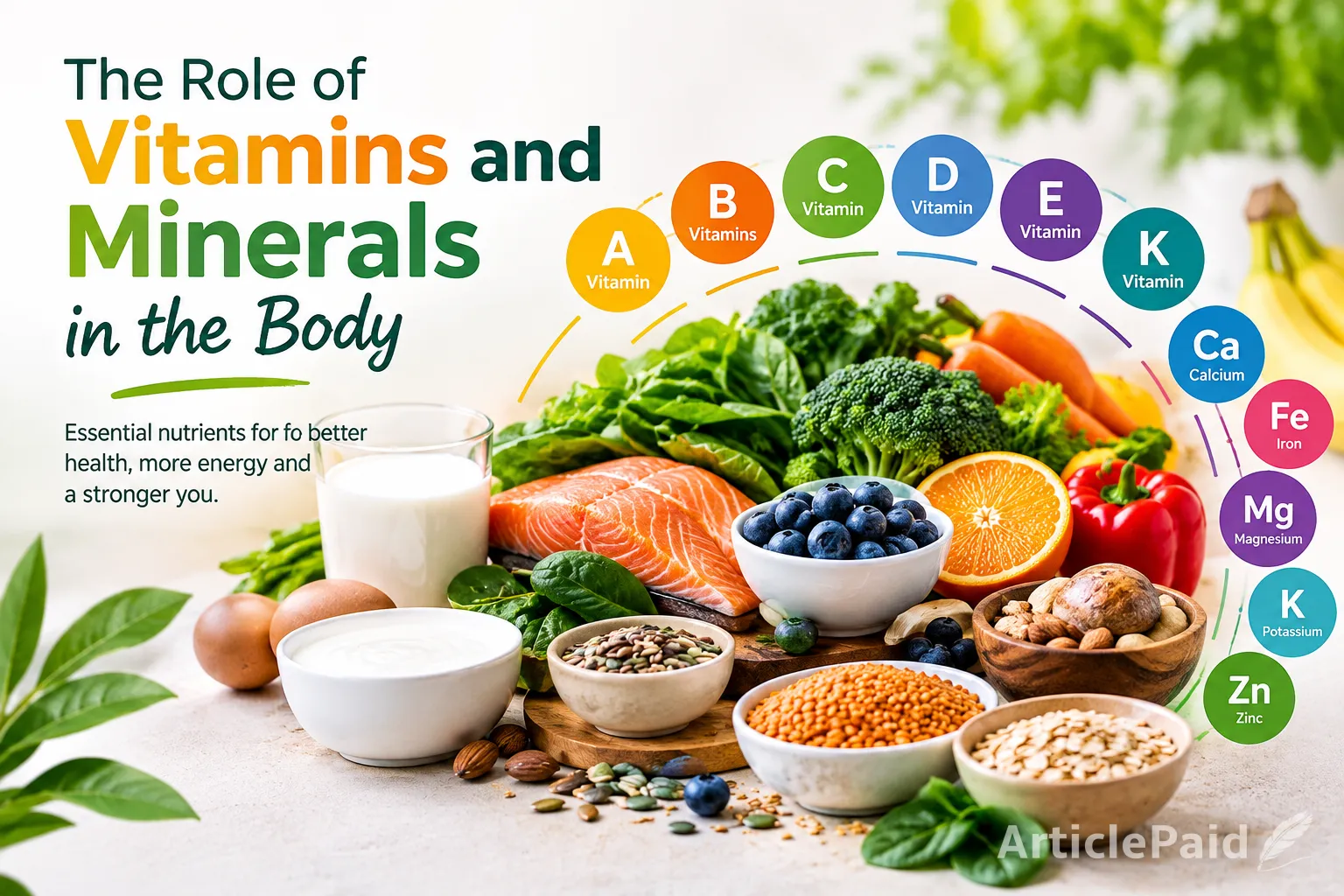
The Role of Vitamins and Minerals in the Body
Nutrients like vitamins and minerals are necessary for the body to carry out a wide range of everyday tasks. Although the body needs them in relatively small amounts, they play important roles in energy production, immune function, bone health, blood formation, metabolism, and normal growth and development.
The majority of vitamins and minerals require a varied and well-balanced diet because the body cannot produce them in sufficient quantities. What Are Minerals and Vitamins? Vitamins are organic compounds that the body needs for normal growth and function. They are commonly divided into two groups: **fat-soluble vitamins** and **water-soluble vitamins**.
Fat-soluble vitamins include vitamins A, D, E, and K. They can be stored in the body's fatty tissues. Vitamin C and the B vitamins are water-soluble vitamins that must typically be consumed on a regular basis because the body stores them in smaller amounts. Minerals are naturally occurring elements that are also essential for health. Calcium, iron, magnesium, potassium, zinc, and selenium are examples. They contribute to processes such as bone formation, oxygen transport, nerve function, fluid balance, and immune defense.
Why Are Vitamins Important?
Different vitamins perform different functions in the body.
Vitamin A
Vitamin A helps maintain skin and other tissues, immune function, and normal vision. Foods containing vitamin A or its precursors include carrots, sweet potatoes, leafy green vegetables, eggs, and dairy products.
Vitamin B There are a number of different vitamins in the B-vitamin group that support normal nervous system function, red blood cell production, and energy metabolism. Good dietary sources include whole grains, legumes, eggs, dairy products, meat, fish, nuts, and leafy green vegetables.
Vitamin C
Vitamin C is an antioxidant that aids in preventing oxidative damage to cells. It also supports collagen formation and normal immune function.
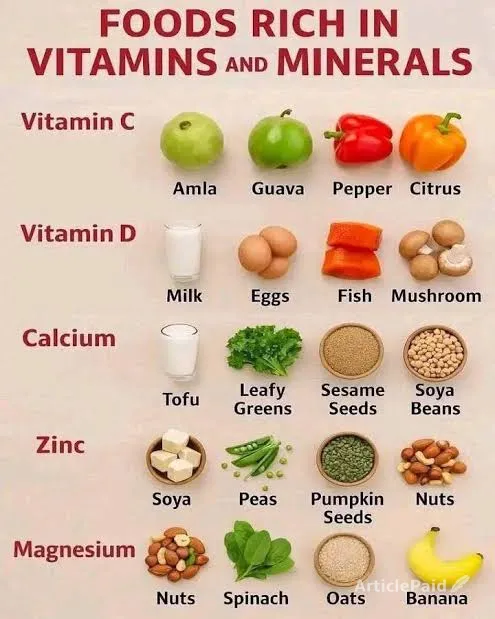
Citrus fruits, berries, tomatoes, peppers, broccoli, and other fruits and vegetables can provide vitamin C.
Vitamin D
Vitamin D promotes bone and tooth health and aids in calcium absorption. It also has important roles in normal muscle and immune function.
Sources include sunlight exposure, fortified foods, oily fish, egg yolks, and certain mushrooms. Vitamin D requirements can vary, and some people may require professional guidance to take supplements. ### Vitamin E
Vitamin E acts as an antioxidant and helps protect cells from oxidative damage. Nuts, seeds, vegetable oils, and some green vegetables are dietary sources.
Vitamin K
Vitamin K plays an important role in normal blood clotting and contributes to bone health. Green leafy vegetables are particularly rich sources.
Vital Minerals for the Human Body Minerals are equally important and support many essential processes.
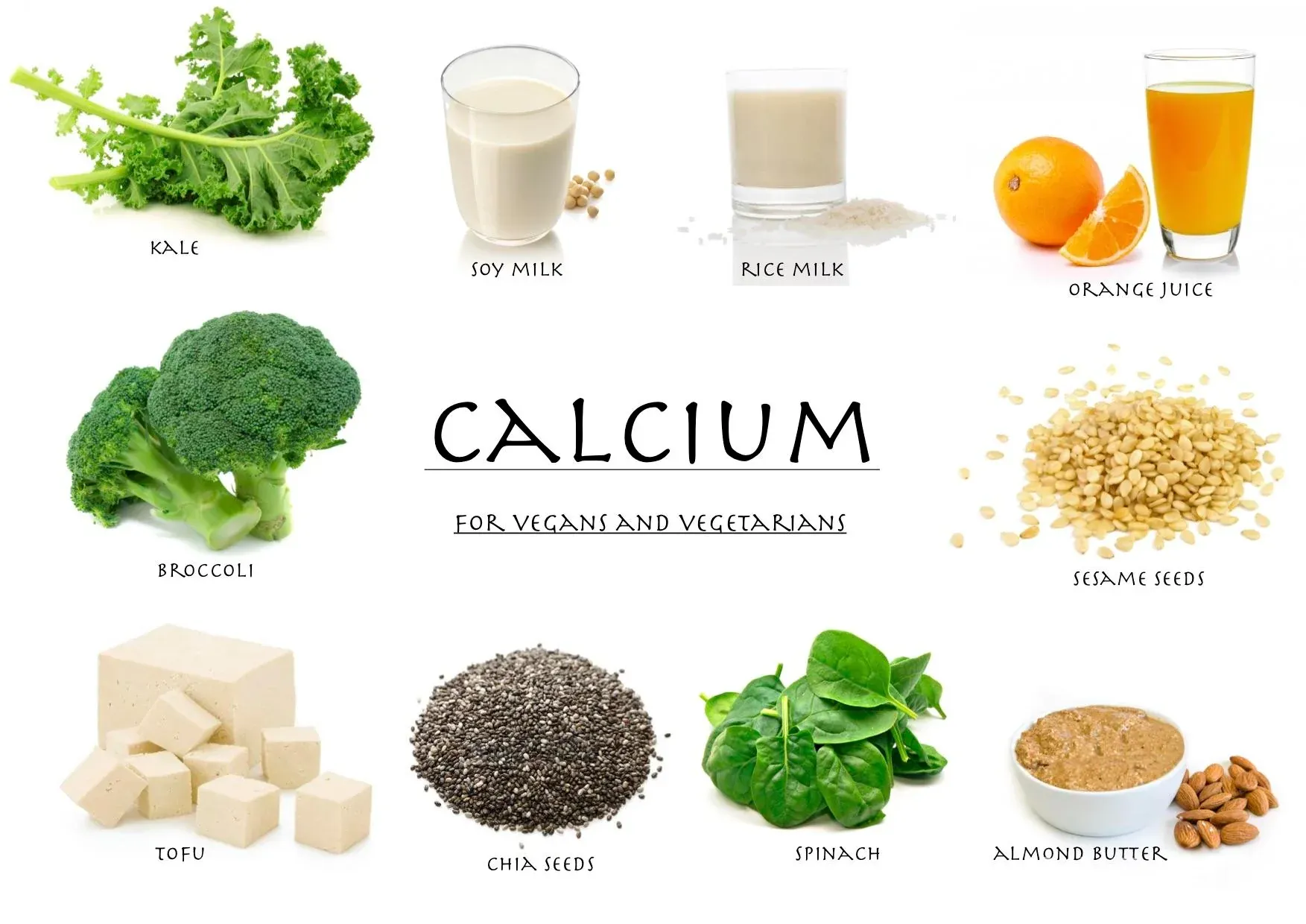
Calcium
Calcium is necessary for healthy teeth and bones. It also contributes to normal muscle contraction and nerve signaling.
Calcium can be found in calcium-set tofu, yogurt, cheese, fortified plant-based beverages, some leafy green vegetables, and milk. ### Iron
Iron is essential for producing hemoglobin, the protein in red blood cells that carries oxygen throughout the body. Iron is found in foods such as meat, seafood, beans, lentils, fortified cereals, and leafy green vegetables.
People with increased iron requirements may need particular attention to dietary intake.
Magnesium
Magnesium contributes to normal muscle and nerve function and is involved in numerous biochemical reactions. Sources include nuts, seeds, whole grains, beans, and leafy green vegetables.
Potassium
Potassium helps support normal nerve function, muscle contraction, and fluid balance. Foods such as potatoes, bananas, beans, tomatoes, yogurt, and many fruits and vegetables contain potassium.
Zinc
Zinc contributes to normal immune function, wound healing, and cell growth. Dietary sources include meat, seafood, dairy products, beans, nuts, and seeds.
A Balanced Diet Is the Best Starting Point
For most people, a varied diet can provide many of the vitamins and minerals needed for good health. A nutritious eating pattern can include vegetables, fruits, whole grains, legumes, nuts, seeds, dairy or fortified alternatives, and suitable protein sources.
Eating a wide range of foods is useful because no single food provides every essential nutrient in the amounts the body requires.
Can Vitamins and Minerals Be Taken in Excess? More is not always better. While deficiencies can cause health problems, excessive amounts of certain vitamins and minerals can also be harmful, particularly when high-dose supplements are used unnecessarily.
For example, fat-soluble vitamins can accumulate in the body, while excessive amounts of some minerals may interfere with normal body functions.
Supplements can be useful for people who have specific nutritional needs, but they should not automatically replace a balanced diet. Anyone considering high-dose supplementation should discuss it with a qualified healthcare professional.
Indications of a Lack of Nutrients Inadequate intake of certain vitamins or minerals can contribute to health problems. However, a variety of factors can contribute to symptoms like fatigue, weakness, changes in the skin or hair, and frequent illness. A suspected deficiency is best evaluated by a healthcare professional rather than diagnosed solely from symptoms. Dietary evaluation and blood testing may be necessary in some instances.
Vitamins and minerals may be required in small amounts, but their importance to the body is substantial. They support everything from normal metabolism and immune function to healthy bones, blood, muscles, and nerves.
Typically, a varied, well-balanced diet that includes a wide variety of nutrient-rich foods is the best way to get these nutrients. Supplements may have a role in certain situations, but taking more than the body needs is not necessarily beneficial.
Understanding the role of vitamins and minerals can help people make more informed food choices and develop healthier, sustainable eating habits.






















Responses (0)
Sign in to share your thoughts.
Sign in