
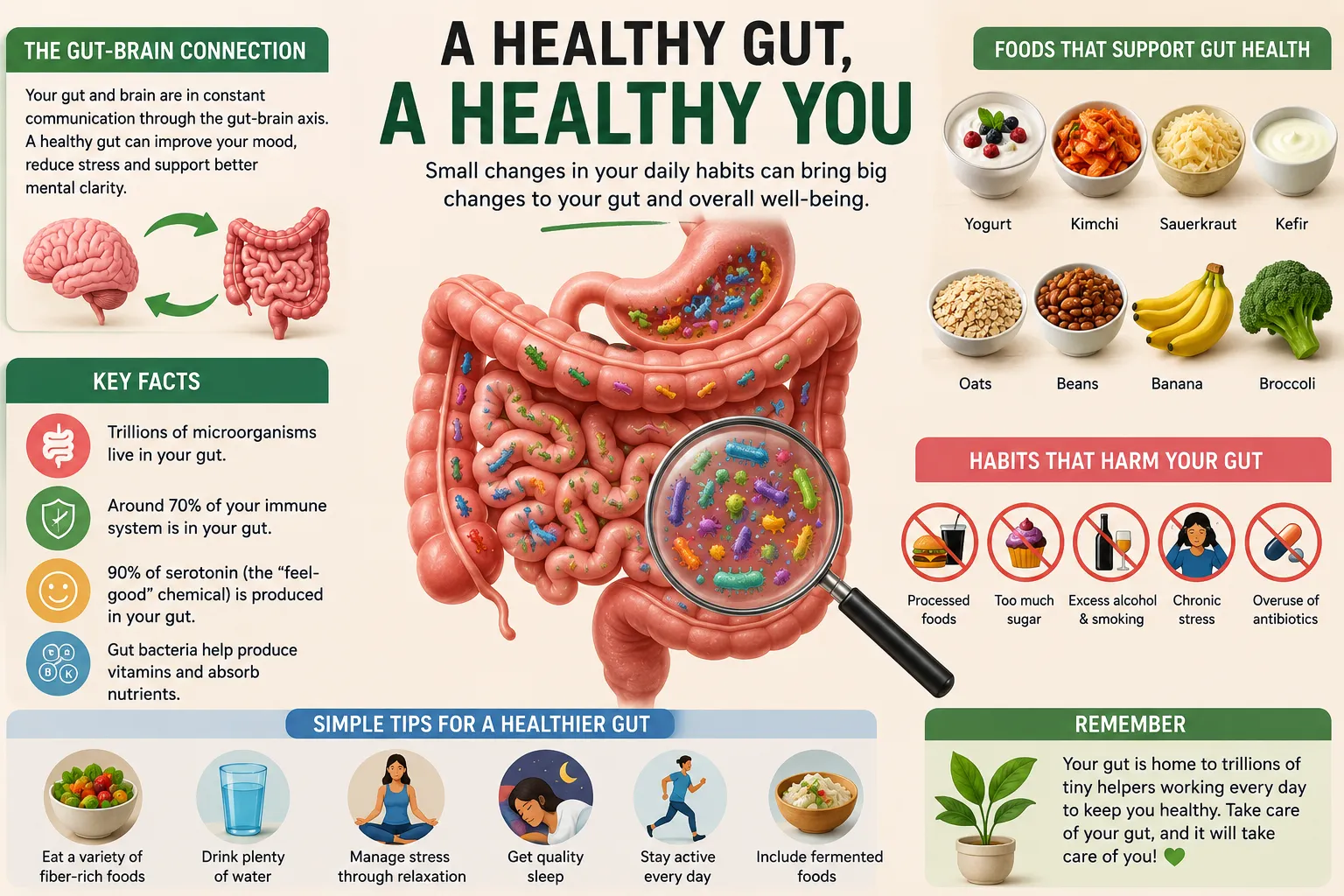
Imagine waking up feeling energized, focused, and in a good mood. You enjoy your breakfast without discomfort, your mind stays clear throughout the day, and your body feels strong. Surprisingly, one of the biggest reasons behind this could be something you rarely think about—your gut.
For years, people believed the digestive system had only one job: breaking down food. Today, scientists know that the gut is one of the most fascinating and influential parts of the human body. It communicates with the brain, supports the immune system, produces important chemicals, and houses trillions of microscopic organisms that help keep us healthy. Because of its incredible connection with the brain, many researchers refer to it as the "second brain."
Understanding gut health isn't just for doctors or scientists. It's something everyone can benefit from because every meal, every stressful day, and every hour of sleep affects the tiny world living inside us.
Meet Your Gut Microbiome
Inside your digestive tract lives an enormous community of bacteria, fungi, viruses, and other microorganisms called the gut microbiome. Although the word bacteria often sounds negative, most of these microbes are friendly and essential for survival.
Scientists estimate that the human gut contains trillions of microorganisms representing hundreds of different species. Together, they help digest food that your body cannot break down on its own, produce vitamins like vitamin K and some B vitamins, protect against harmful germs, and support many body systems.
Think of your gut as a bustling city. When the helpful microbes outnumber the harmful ones, everything runs smoothly. But when the balance is disturbed, problems can begin to appear throughout the body.
Why Is the Gut Called the "Second Brain" ?
One of the most amazing discoveries in modern medicine is the connection between the gut and the brain. This relationship is known as the gut-brain axis.
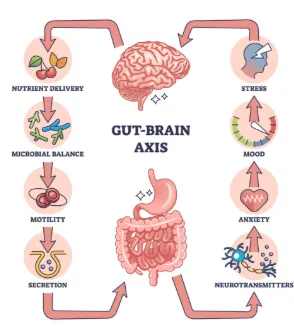
The brain and gut constantly exchange messages through the vagus nerve, hormones, and the immune system. This explains why emotions can affect digestion and why digestive problems can influence emotions.
Have you ever felt butterflies before an exam? Lost your appetite during a stressful week? Or experienced stomach cramps when feeling nervous?
These are real examples of your brain and gut communicating.
The gut also contains hundreds of millions of nerve cells, allowing it to coordinate digestion independently. While it doesn't think like your brain, it performs incredibly complex tasks that affect your health every day.
The Psychology Behind Gut Health
Perhaps the most fascinating part of gut research is its connection to mental health.
Researchers have found that the microbes living in our intestines may influence stress levels, emotional well-being, and even decision-making. Although scientists are still exploring these links, the evidence continues to grow.
Nearly 90% of the body's serotonin, often called the "feel-good" chemical, is produced in the digestive system. While this serotonin doesn't directly travel into the brain, it plays important roles in digestion and demonstrates how closely these two organs are connected.
When your gut is healthy, communication between your gut and brain is generally smoother. However, poor gut health may contribute to digestive discomfort, fatigue, and mood changes.
Stress also works in the opposite direction. Long-term stress increases cortisol, a hormone that can disrupt the balance of healthy gut bacteria. This may explain why people often experience stomach issues during difficult periods of life.
Taking care of your gut isn't only good for your stomach—it may also help support emotional well-being.
Your Immune System Starts in Your Gut
One of the biggest surprises for many people is that around 70% of the immune system is located in or around the digestive tract.
Your immune system constantly learns from the bacteria living in your gut. Beneficial microbes help train immune cells to recognize dangerous invaders while avoiding unnecessary inflammation.
When healthy bacteria decrease, harmful bacteria can multiply more easily. This imbalance, known as dysbiosis, has been linked to digestive disorders and may play a role in several chronic health conditions.
A healthy gut acts like a protective shield, helping your body defend itself every single day.
Signs Your Gut May Need Attention
Your gut often gives warning signs before bigger problems develop.
Common signs include:
Frequent bloating
Excessive gas
Constipation or diarrhea
Stomach discomfort
Food sensitivities
Feeling tired without a clear reason
Poor sleep
Frequent illnesses
These symptoms don't always mean you have a serious disease, but they can suggest that your digestive system needs better care.
Foods That Feed Your Gut
The good news is that your gut responds surprisingly quickly to healthy habits.
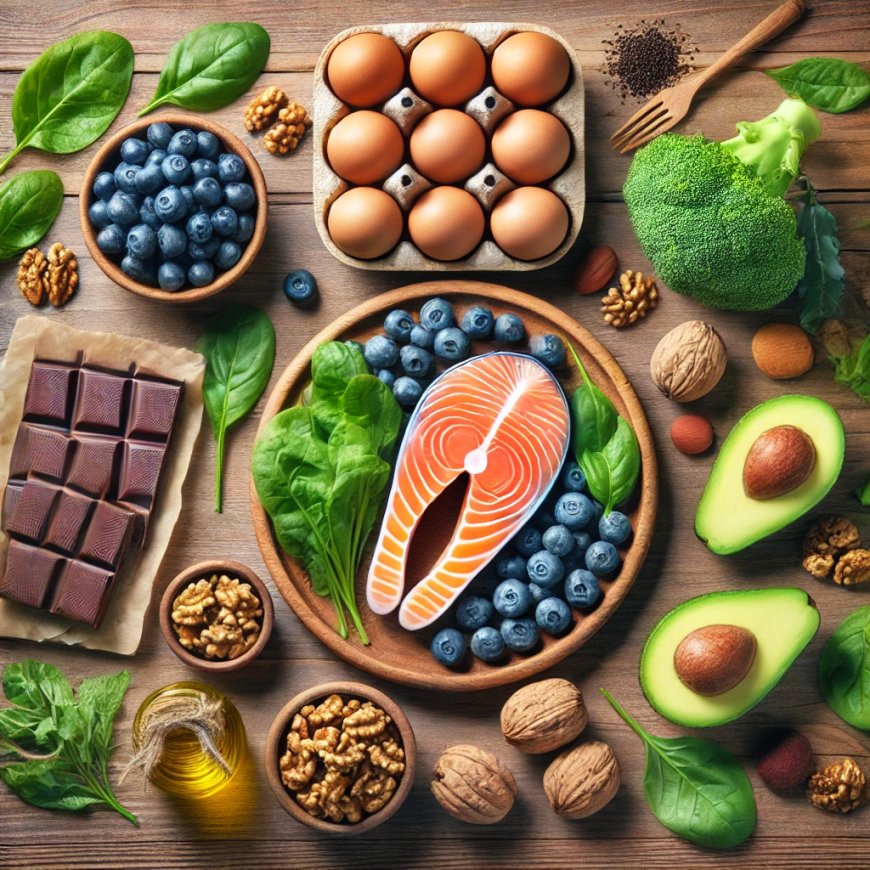
One of the best things you can do is eat foods rich in fiber. Fiber acts as food for beneficial bacteria, allowing them to grow and produce substances that support gut health.
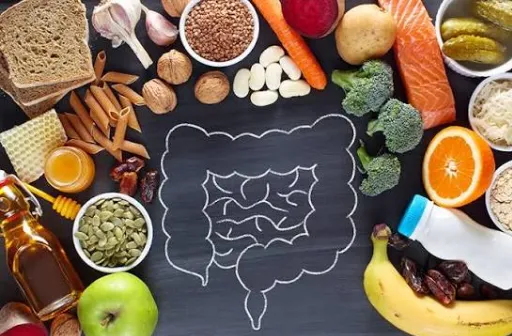
Excellent choices include:
Apples
Bananas
Berries
Oats
Brown rice
Beans
Lentils
Broccoli
Spinach
Carrots
Fermented foods are another excellent option because they naturally contain helpful bacteria.
These include:
Yogurt with live cultures
Kefir
Kimchi
Sauerkraut
Miso
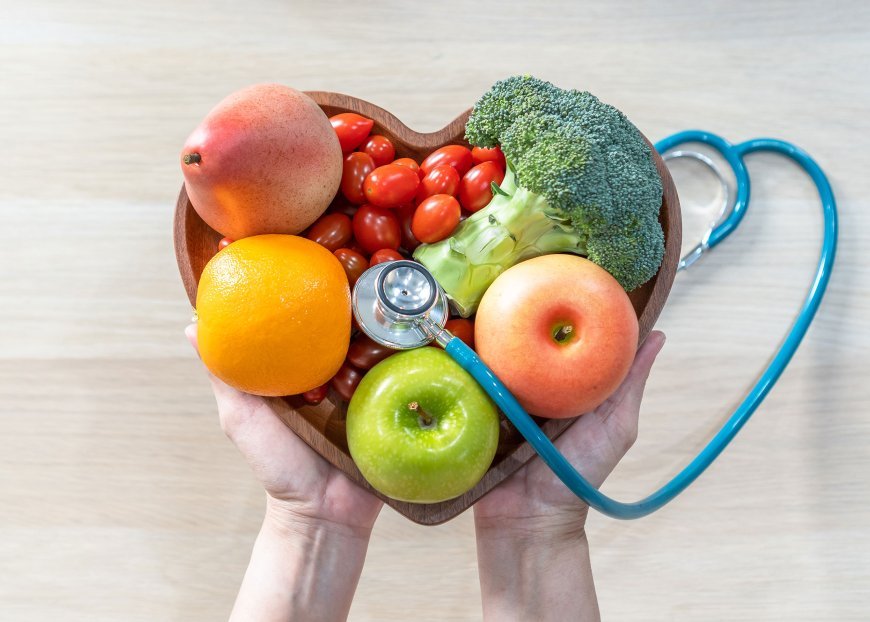
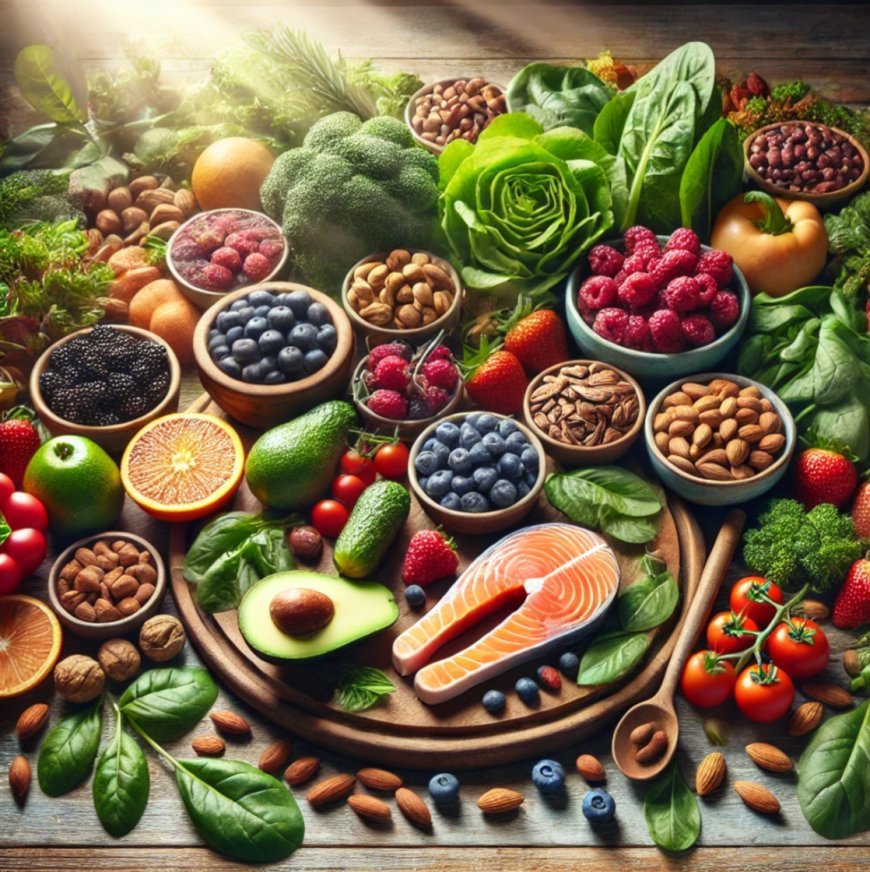
Eating a variety of colorful fruits and vegetables is one of the simplest ways to encourage a diverse and healthy microbiome.
Habits That Can Harm Your Gut
Just as healthy choices help your gut, unhealthy habits can damage it over time.
Common gut-damaging habits include:
Eating too many ultra-processed foods
Drinking excessive sugary beverages
Chronic stress
Poor sleep
Smoking
Heavy alcohol consumption
Taking antibiotics when they aren't necessary
Antibiotics can save lives, but they also kill many beneficial bacteria along with harmful ones. This is why doctors recommend using them only when medically necessary.
Exercise Helps More Than Your Muscles
Physical activity doesn't only strengthen your heart and muscles—it also benefits your digestive system.
Studies suggest that people who exercise regularly often have more diverse gut bacteria than those who live sedentary lifestyles.
Even simple activities like walking, cycling, gardening, or dancing can improve digestion and support a healthier microbiome.
You don't need intense workouts. Consistency matters far more than perfection.
Sleep: An Overlooked Gut Booster
Sleep and gut health influence each other more than most people realize.
Poor sleep may disturb the balance of gut bacteria, while an unhealthy gut can make restful sleep more difficult.
Adults should aim for about seven to nine hours of quality sleep each night. Creating a consistent bedtime routine, reducing screen time before bed, and avoiding heavy late-night meals may benefit both your sleep and your gut.
Small Changes Make a Big Difference
Improving gut health doesn't require expensive supplements or complicated diets.
Simple daily habits can have a powerful impact:
Eat more fruits and vegetables.
Choose whole grains over refined grains.
Drink enough water.
Stay physically active.
Sleep consistently.
Manage stress through relaxation, prayer, meditation, or deep breathing.
Limit highly processed foods.
Avoid unnecessary antibiotics.
Include fermented foods if they suit your diet.
These small choices gradually create a healthier environment for beneficial bacteria to thrive.
The Future of Gut Health
Scientists continue to discover new ways the gut microbiome influences human health. Researchers are studying its possible connections to obesity, diabetes, allergies, heart disease, and even certain neurological conditions.
Although much remains to be learned, one message is already clear: taking care of your gut benefits far more than digestion.
Final Thoughts
Your gut is much more than a digestive organ—it's one of the busiest and most important systems in your body. It communicates with your brain, supports your immune system, helps produce essential nutrients, and influences how you feel every day.
The tiny microbes living inside you work around the clock, asking for very little in return: nutritious food, regular movement, enough sleep, and a balanced lifestyle.
You don't need to transform your life overnight. Every healthy meal, every walk, every good night's sleep, and every effort to manage stress is an investment in your gut. And when your gut thrives, your body and mind are more likely to thrive as well.
The path to better health doesn't always begin with a medicine cabinet. Sometimes, it begins with the remarkable world inside your own digestive system.
Frequently Asked Questions (FAQs)
1. What are the signs of an unhealthy gut?
Common signs include bloating, constipation, diarrhea, excessive gas, stomach discomfort, frequent infections, fatigue, poor sleep, and food sensitivities. If these symptoms persist, it's important to consult a healthcare professional.2. What foods are best for improving gut health?
Fiber-rich foods like fruits, vegetables, whole grains, beans, and oats help feed beneficial gut bacteria. Fermented foods such as yogurt, kefir, kimchi, and sauerkraut can also support a healthy gut microbiome.3. Can gut health affect mental health?
Yes. Research shows that the gut and brain communicate through the gut-brain axis. A healthy gut microbiome may support better mood, stress management, and overall mental well-being, although mental health is influenced by many factors.



















Responses (0)
Sign in to share your thoughts.
Sign in