
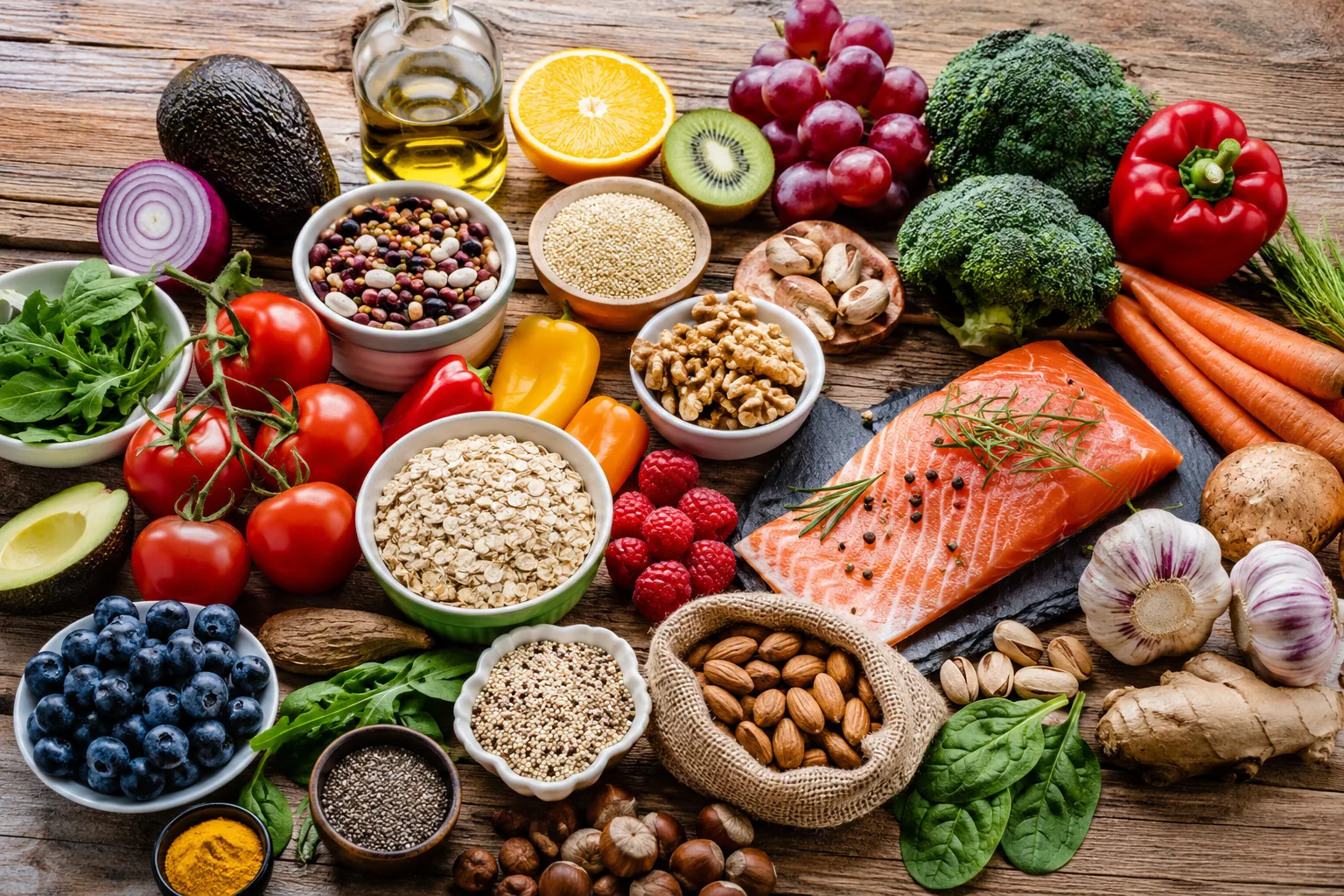
A nutritious diet is not built around a single “superfood,” but rather through a variety of foods that provide essential vitamins, minerals, fiber, healthy fats, and beneficial plant compounds. Scientific research consistently shows that dietary patterns emphasizing whole, minimally processed foods are associated with better overall health and long-term well-being. Instead of looking for miracle ingredients, focusing on nutrient density—the amount of beneficial nutrients a food provides relative to its calories—is a practical and sustainable approach.
Many nutrient-rich foods are widely available, affordable, and easy to incorporate into everyday meals. Fruits, vegetables, legumes, whole grains, nuts, seeds, seafood, dairy products, and eggs each contribute different nutritional strengths. Since no single food contains everything the body needs, diversity remains one of the most important principles of healthy eating.
Below are fifteen nutrient-rich foods supported by scientific evidence, along with an overview of the nutrients they provide and the reasons they deserve a place in a balanced diet.
1. Spinach
Spinach is one of the most nutrient-dense leafy greens available. It supplies vitamin K, vitamin A, folate, vitamin C, magnesium, iron, and potassium while remaining very low in calories. It also contains naturally occurring plant compounds such as lutein and zeaxanthin, pigments that have been widely studied for their role in eye nutrition.
The high fiber content of spinach can contribute to a satisfying meal, especially when combined with protein-rich foods. Because it is so versatile, spinach can be enjoyed raw in salads, blended into smoothies, or cooked into soups, pasta dishes, and omelets. Cooking slightly reduces vitamin C but can improve the availability of certain antioxidants.
Including leafy greens regularly is a common characteristic of dietary patterns that have been associated with positive health outcomes in population studies. Rotating spinach with other greens such as kale, Swiss chard, and arugula also helps create nutritional variety.
2. Blueberries
Blueberries are known for their impressive concentration of anthocyanins, natural pigments responsible for their deep blue color. These compounds belong to the polyphenol family, which has been extensively studied for its antioxidant properties.
In addition to antioxidants, blueberries provide vitamin C, vitamin K, manganese, and dietary fiber. Their natural sweetness makes them an easy replacement for more processed desserts or snacks. Fresh and frozen blueberries offer similar nutritional value, making them a convenient year-round option.
Scientific research suggests that diets rich in colorful berries contribute a broad range of beneficial plant compounds. Rather than relying on supplements, nutrition experts generally recommend obtaining these compounds from whole fruits, where they are accompanied by fiber and numerous other naturally occurring nutrients.
3. Salmon
Salmon is valued for its combination of high-quality protein and omega-3 fatty acids, particularly EPA and DHA. These fats are naturally present in oily fish and are difficult to obtain in similar amounts from most plant foods.
Salmon also provides vitamin D, selenium, vitamin B12, iodine, and several other B vitamins involved in normal energy metabolism. Because protein promotes fullness and supports the maintenance of muscle tissue, salmon can be a satisfying component of balanced meals.
Health authorities in many countries encourage regular fish consumption as part of a varied eating pattern. Baking, grilling, steaming, or poaching salmon helps preserve its nutritional quality without requiring excessive added fat.
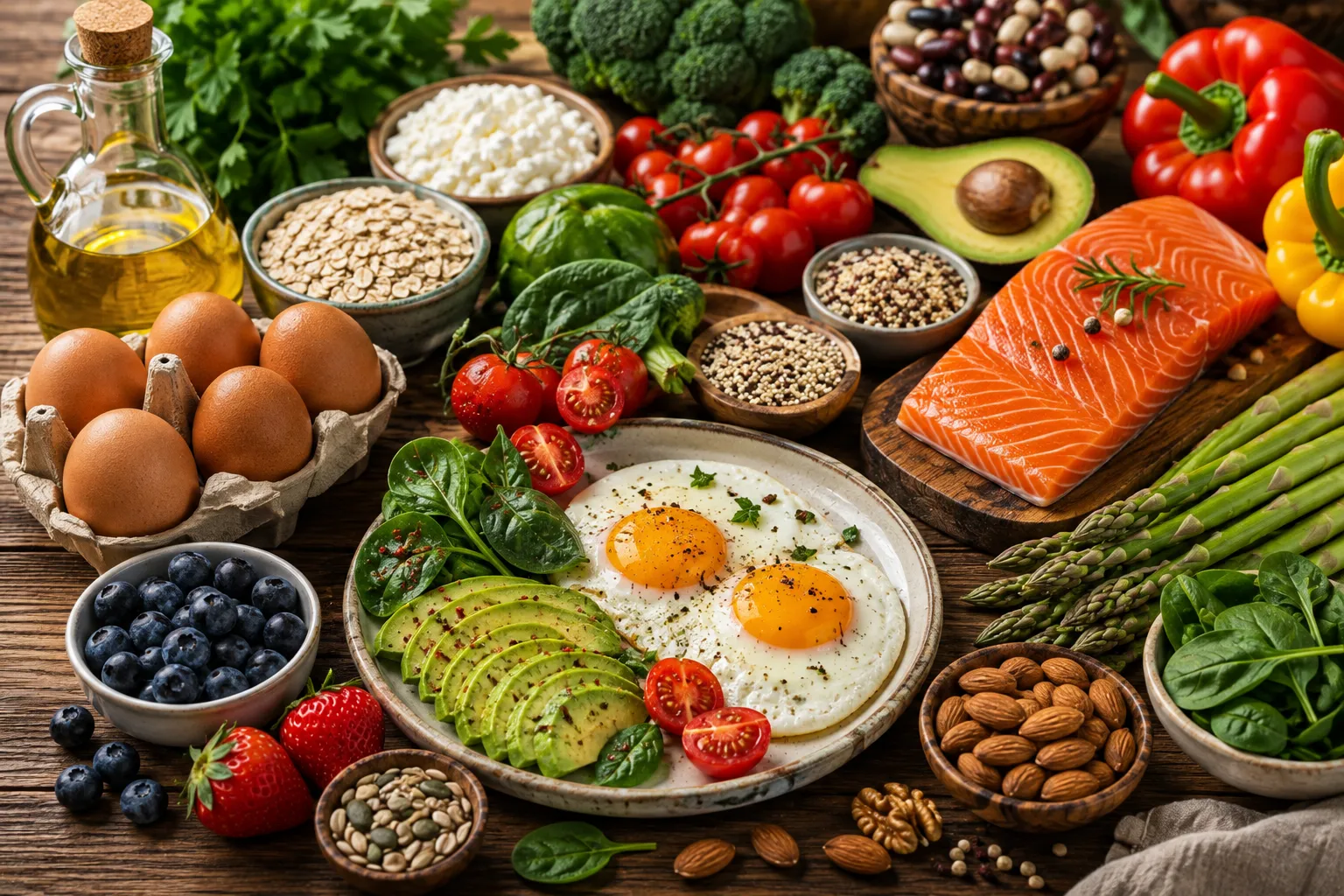
4. Eggs
Eggs provide complete protein, meaning they contain all nine essential amino acids. They are also a source of choline, an important nutrient involved in numerous normal physiological processes. Additional nutrients include vitamin B12, riboflavin, selenium, vitamin D, and iodine.
The yolk contains lutein and zeaxanthin, two carotenoids naturally found in several nutrient-rich foods. Eggs are versatile, relatively inexpensive, and suitable for breakfast, lunch, or dinner.
Current scientific evidence indicates that eggs can fit comfortably into healthy dietary patterns for most people when consumed as part of an overall balanced diet rich in vegetables, fruits, whole grains, and healthy fats.
5. Greek yogurt
Greek yogurt offers a combination of protein, calcium, phosphorus, vitamin B12, and potassium. Depending on the product, it may also contain live bacterial cultures that contribute to fermented food diversity within the diet.
Its higher protein content compared with traditional yogurt makes it especially filling. Plain Greek yogurt also serves as a versatile ingredient in breakfast bowls, dips, sauces, smoothies, and baking recipes.
Choosing unsweetened varieties allows individuals to control added sugars by flavoring yogurt naturally with fruit, cinnamon, vanilla, or chopped nuts.
6. Lentils
Lentils are among the most nutritious legumes and provide plant protein, dietary fiber, iron, folate, magnesium, and potassium. They are naturally low in fat and have a long shelf life, making them both practical and economical.
Fiber contributes to meal satisfaction and supports normal digestive function. Lentils can be prepared in soups, curries, salads, grain bowls, or plant-based burgers.
Combining lentils with vitamin C-rich vegetables, such as bell peppers or tomatoes, can improve the absorption of the non-heme iron they naturally contain.
7. Oats
Oats are recognized for their soluble fiber, particularly beta-glucan, which has been widely studied in nutrition science. They also provide manganese, phosphorus, magnesium, zinc, iron, and several B vitamins.
Unlike many refined breakfast cereals, plain oats contain minimal added ingredients and can be customized with fruit, seeds, nuts, or yogurt. Steel-cut, rolled, and traditional oats all offer excellent nutritional value, with differences mainly in texture and cooking time.
Their combination of fiber and complex carbohydrates makes oats a satisfying breakfast option that fits well into numerous eating patterns.
8. Walnuts
Walnuts are rich in healthy unsaturated fats, including alpha-linolenic acid (ALA), a plant-derived omega-3 fatty acid. They also supply copper, manganese, magnesium, vitamin E, and beneficial polyphenols.
Although energy-dense, walnuts are nutrient-rich, and relatively small portions can contribute meaningful amounts of essential nutrients. They work well as snacks or additions to oatmeal, salads, yogurt, and baked dishes.
Scientific studies consistently associate regular nut consumption as part of balanced diets with favorable nutritional quality overall.
9. Broccoli
Broccoli contains vitamin C, vitamin K, folate, potassium, and fiber. It also supplies glucosinolates, naturally occurring sulfur-containing compounds that have attracted significant scientific interest.
Steaming broccoli helps preserve many of its nutrients while maintaining a pleasant texture. It pairs well with grains, lean proteins, legumes, or pasta dishes.
Eating a variety of cruciferous vegetables—including broccoli, cauliflower, Brussels sprouts, and cabbage—adds nutritional diversity and introduces a wide range of beneficial plant compounds.
10. Sweet potatoes
Sweet potatoes provide complex carbohydrates, dietary fiber, potassium, vitamin C, and especially beta-carotene, which the body can convert into vitamin A as needed.
Their naturally sweet flavor makes them suitable for both savory and sweet preparations. Baking or roasting enhances their texture without requiring excessive added ingredients.
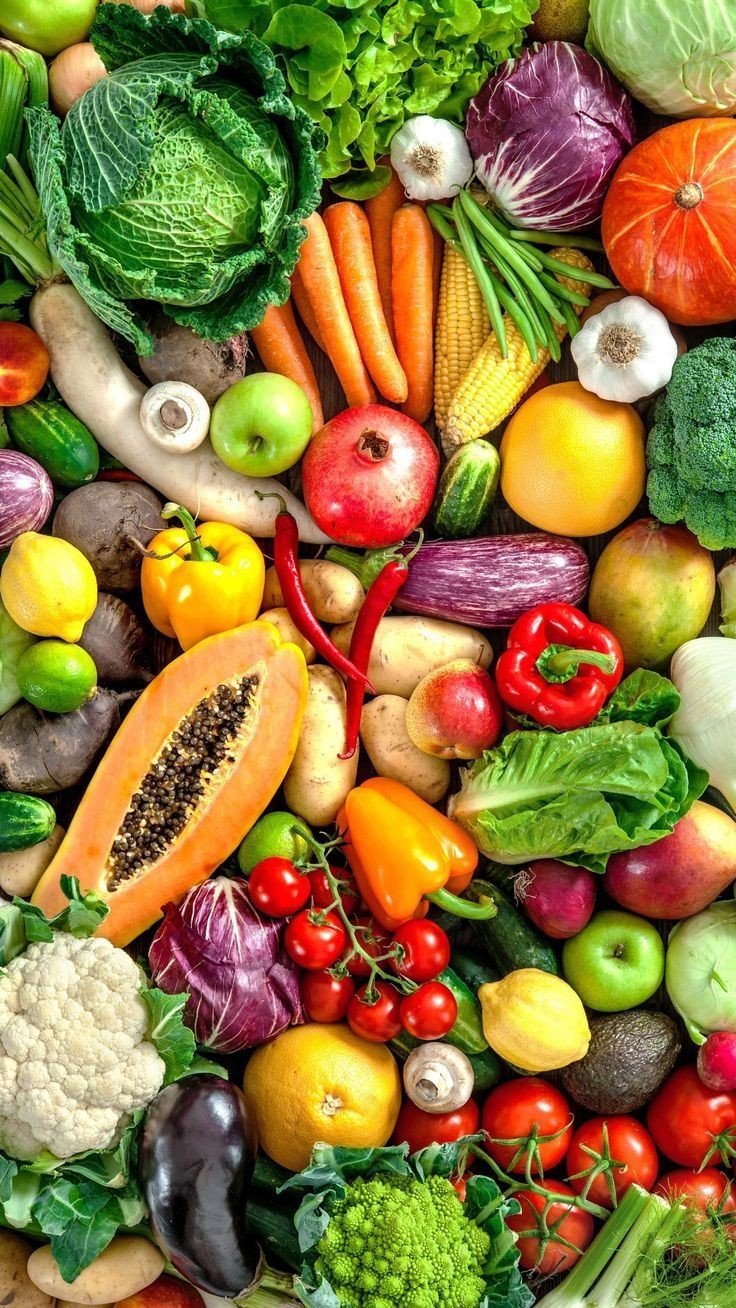
The vibrant orange color reflects their carotenoid content, demonstrating the general nutrition principle that colorful fruits and vegetables often contain a diverse range of beneficial phytochemicals.
11. Chickpeas
Chickpeas combine plant protein, fiber, manganese, folate, iron, phosphorus, and magnesium. Their mild flavor makes them adaptable for salads, soups, curries, hummus, and roasted snacks.
Because they digest relatively slowly compared with highly refined carbohydrates, chickpeas can contribute to satisfying meals. Like other legumes, they are affordable and environmentally sustainable sources of protein.
Including legumes several times each week helps diversify both nutrient intake and meal planning.
12. Avocados
Avocados provide monounsaturated fats along with potassium, folate, vitamin E, vitamin K, and fiber. Their creamy texture allows them to replace ingredients higher in saturated fat in certain recipes.
Rather than viewing avocados as a stand-alone health food, nutrition experts generally recommend enjoying them alongside vegetables, whole grains, beans, or lean proteins to create balanced meals.
Half an avocado added to salads, sandwiches, or grain bowls can increase both flavor and nutrient density.
13. Sardines
Sardines are small oily fish that deliver protein, omega-3 fatty acids, vitamin D, selenium, vitamin B12, and calcium when the edible bones are consumed.
Because sardines occupy a lower position in the marine food chain than many larger fish, they generally accumulate lower levels of certain environmental contaminants. They are also shelf-stable when canned, making them convenient for quick meals.
They can be served on whole-grain toast, incorporated into pasta dishes, or added to salads for additional protein.
14. Pumpkin seeds
Pumpkin seeds are compact nutritional powerhouses containing magnesium, zinc, iron, copper, healthy fats, plant protein, and fiber. They require no preparation beyond simple roasting if purchased raw.
A small handful can add crunch and nutrition to salads, soups, oatmeal, yogurt, or homemade trail mixes. Because they are nutrient-dense, modest portions provide substantial nutritional value.
Seeds complement nuts within healthy eating patterns by contributing slightly different mineral profiles and beneficial fats.
15. Oranges
Oranges are widely recognized as an excellent source of vitamin C, but they also provide potassium, folate, fiber, and numerous flavonoids naturally found in citrus fruits.
Eating whole oranges instead of drinking large quantities of juice preserves the fiber, which contributes to fullness and slows the absorption of naturally occurring sugars. Their portability makes them one of the easiest fruits to include in daily routines.
Combining citrus fruits with meals that contain plant-based iron sources may also support iron absorption due to their vitamin C content.
Building a nutrient-rich plate
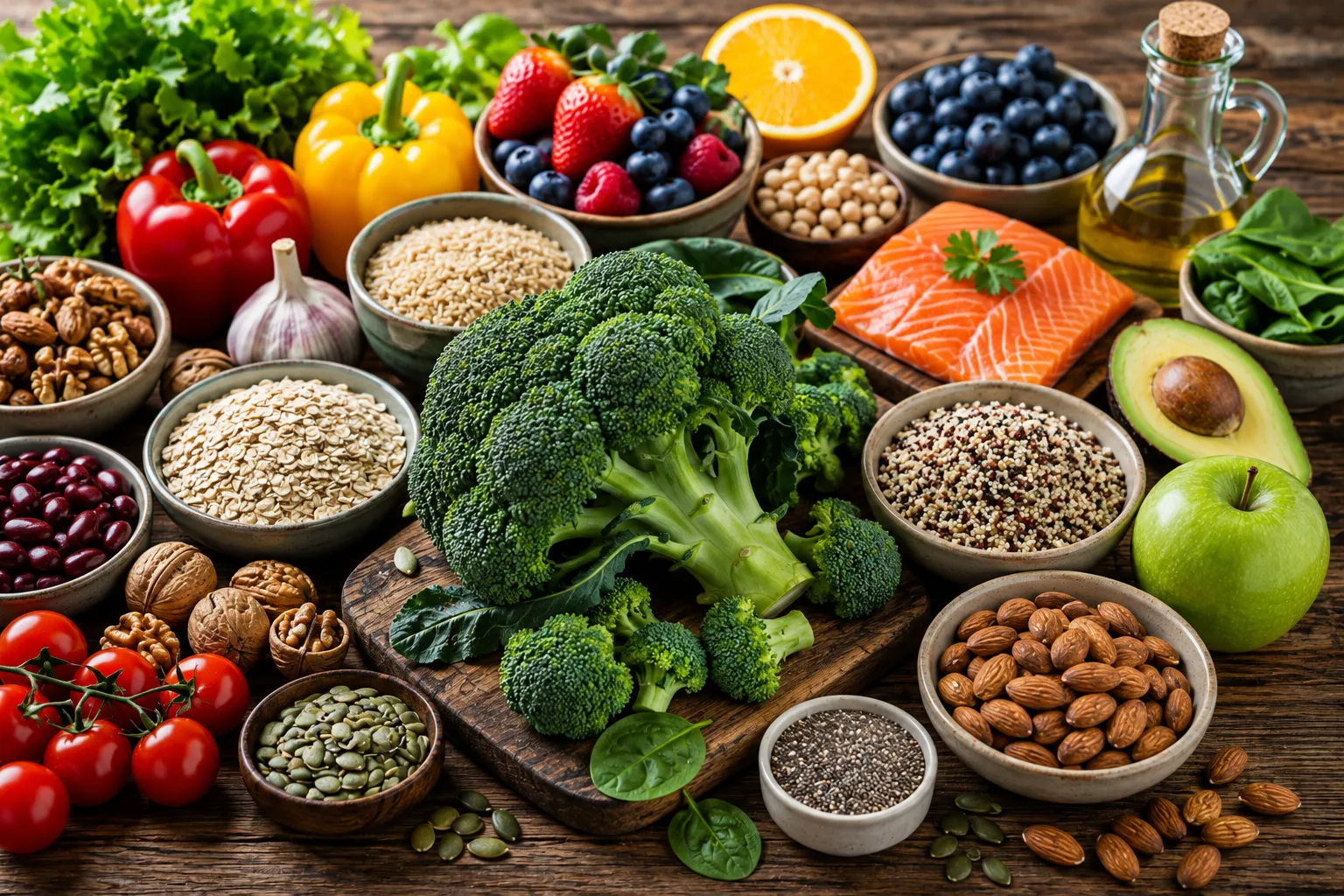
While each of these fifteen foods offers impressive nutritional qualities, their greatest value comes from being part of an overall dietary pattern rather than being consumed in isolation. Nutrition science consistently emphasizes balance, variety, and moderation instead of focusing on individual ingredients.
A practical meal might include grilled salmon with roasted broccoli and sweet potatoes, oatmeal topped with blueberries and walnuts, or a lentil salad with spinach, chickpeas, pumpkin seeds, and orange segments. These combinations naturally provide protein, fiber, vitamins, minerals, and beneficial plant compounds from multiple sources.
It is also worth remembering that preparation methods matter. Gentle cooking techniques, limited amounts of added sugar and salt, and replacing highly processed ingredients with whole foods can help preserve nutritional quality. Hydration, regular physical activity, adequate sleep, and enjoyable eating habits are equally important components of overall wellness.
Rather than searching for a single perfect food, aiming for consistent variety across the week is one of the simplest evidence-based strategies for supporting a balanced and enjoyable diet. Small, sustainable improvements made over time often have a greater impact than dramatic dietary changes that are difficult to maintain.






















Responses (0)
Sign in to share your thoughts.
Sign in