Seatbelts for a Fast-Moving Internet: AI Guardrails and Deepfake Safety
Seatbelts for a Fast-Moving Internet: AI Guardrails and Deepfake Safety Living in a Digital Hall of Mirrors Let’s be hon

In this article 5 sections
Seatbelts for a Fast-Moving Internet: AI Guardrails and Deepfake Safety
Living in a Digital Hall of Mirrors
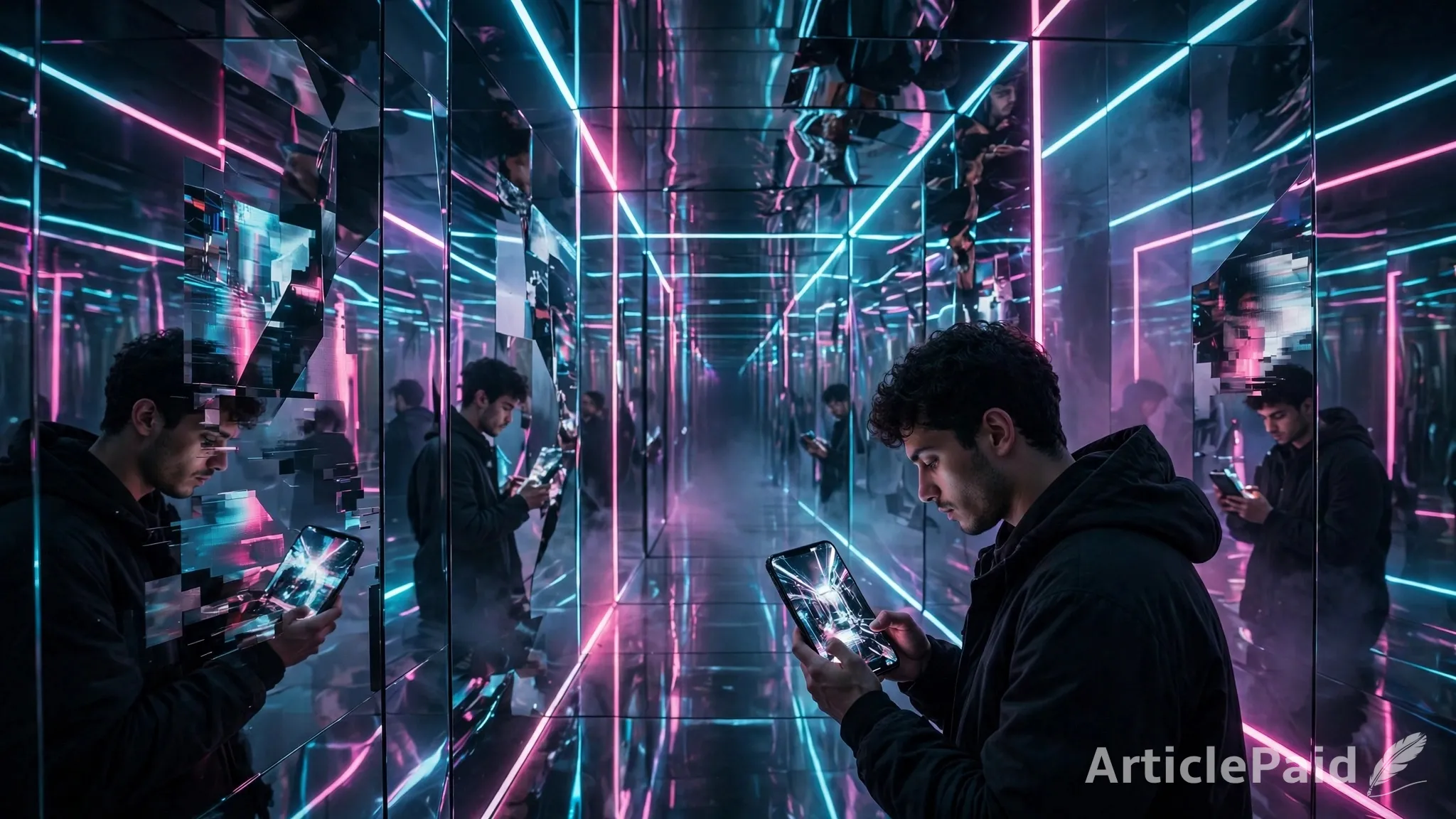
Let’s be honest for a second: scrolling through social media lately feels a lot like walking through a hall of mirrors.
You see a clip of a politician saying something totally wild, or your favorite actor pitching some sketchy crypto scam, and for half a second, your brain completely buys it.
Then you squint, notice the lighting on their face looks a little too smooth, or catch something weird going on with their hands, and it clicks—oh, that’s fake.
It’s crazy what tech can do right now, and honestly, a lot of it is pretty cool. Still, it’s a little unsettling too.
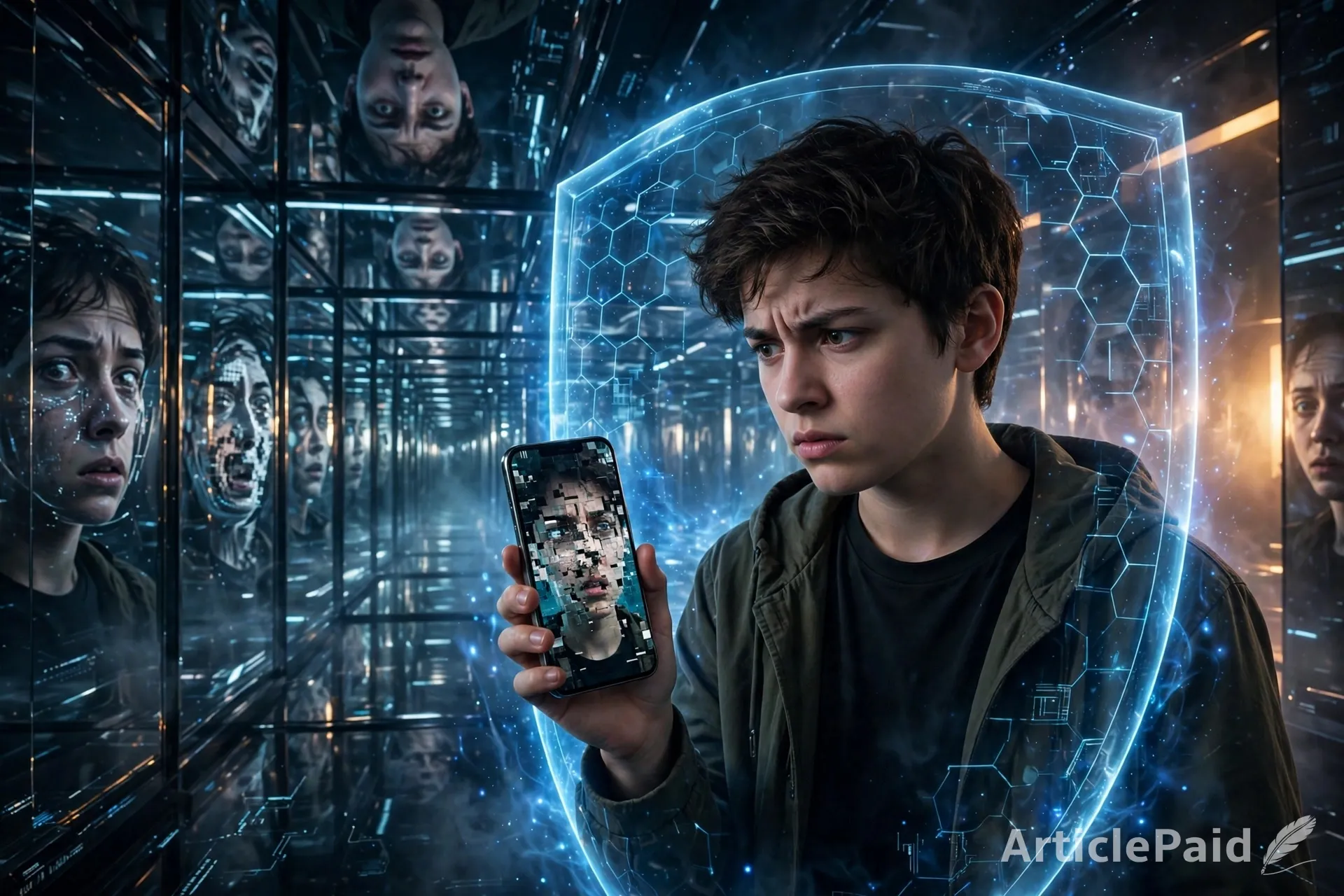
When almost anyone with a decent laptop can clone a voice in ten seconds or swap a face onto a video, we have to figure out where the boundaries are. That’s really what AI guardrails and deepfake safety come down to.
It’s not about killing the fun or slamming the brakes on good ideas; it’s just about putting seatbelts on a car that’s suddenly going two hundred miles an hour.
What AI Guardrails Actually Do

If you want a simple way to picture AI guardrails, think about the bumpers at a bowling alley.
They don’t play the game for you, and they don’t ruin the fun—they just keep the ball from flying into the next lane and breaking something.
In everyday terms, guardrails are the built-in rules that stop AI tools from crossing major lines.
Most mainstream platforms won’t let you generate fake photos of real people doing things they never did, or clone someone’s voice without their permission.
Those fences are there to catch the really messy stuff—like dangerous medical advice, targeted harassment, or non-consensual explicit images—before it ever gets made in the first place.
Why Tech Alone Can't Catch Everything
Of course, guardrails aren't magic. People are clever, and there’s always someone trying to find a loophole or build an unfiltered tool off the grid. That’s why deepfake safety can’t just be left to the tech companies.
It has to be a team effort between the folks building the software and regular people like us just trying to scroll our feeds without getting fooled.
On the tech side, engineers are rolling out things like digital watermarks—tiny, invisible tags baked straight into an AI image or audio file.
You can’t see them with your own eyes, but apps can spot them and slap a "Made with AI" label on the post.
Think of it like the ingredients list on a box of cereal; you just want to know what you’re actually looking at before you take a bite.
Your Best Defense is Just Slowing Down

Until those labels show up everywhere, though, our best filter is still good old-fashioned gut instinct.
Even as deepfakes get scary convincing, they still trip over the tiny, imperfect details of being human.
Sometimes a voice sounds just a hair too smooth, missing those messy breaths, stumbles, and awkward pauses we all make when we’re talking off the cuff.
More than anything, staying safe comes down to taking a breath before you react. Scammers count on catching you off guard.
If a video makes your blood boil, or if you get a frantic voice note from a "relative" begging for emergency cash from a weird number, just pause.
Hang up and call them on their real phone. Check if actual journalists are reporting that outrageous quote.
At the end of the day, AI is just another tool, kind of like the camera or the printing press.
Every big leap in how we share stories has brought a wave of fakes and panic right along with it, and every single time, we’ve figured out how to adapt.
With solid guardrails from the builders and a healthy dose of common sense from the rest of us, we can enjoy all the cool, creative stuff AI brings to the table without losing our grip on whats is real.













Responses (0)