The Real Story Behind Viral Skincare Ingredients
The Real Story Behind Viral Skincare Ingredients: Hypochlorous Acid and Beyond Every time you open Instagram or TikTok,

In this article 5 sections
The Real Story Behind Viral Skincare Ingredients: Hypochlorous Acid and Beyond
Every time you open Instagram or TikTok, another reel promises a brand-new "miracle ingredient."
One creator claims a simple mist will clear every breakout overnight, while another swears a trendy acid or snail slime gives instant glass skin.
Right now, the biggest buzzword in that feed is Hypochlorous Acid (HOCl). So is this stuff actually magic, or is it mostly clever marketing?
Let's sit down and unpack the real science like a friend talking you through it over coffee.
Hypochlorous Acid:
Swimming Pool Bleach or Skin's Best Friend?
Hearing the word "acid" makes it sound like something that will burn your face off. Here is the fun twist:
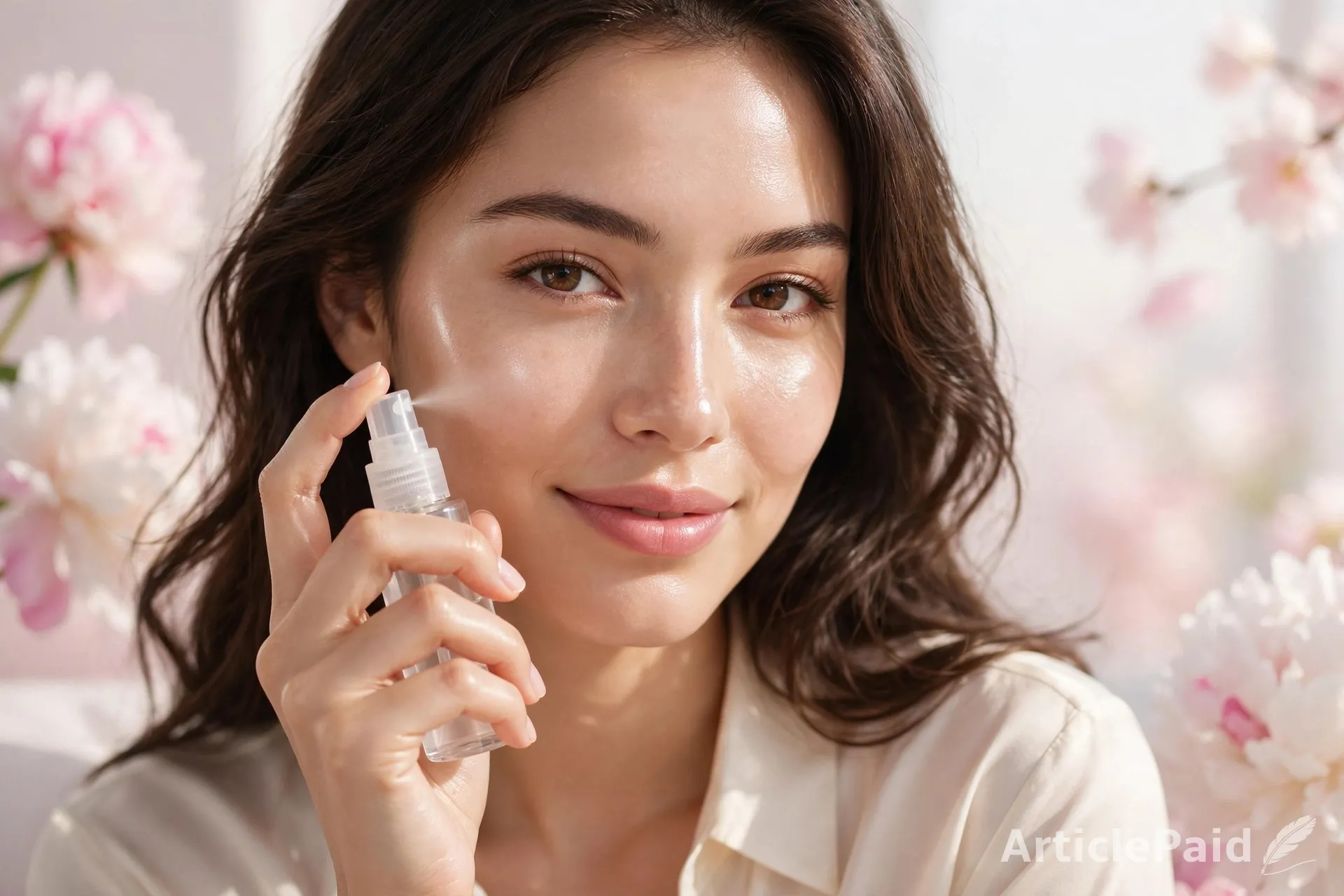
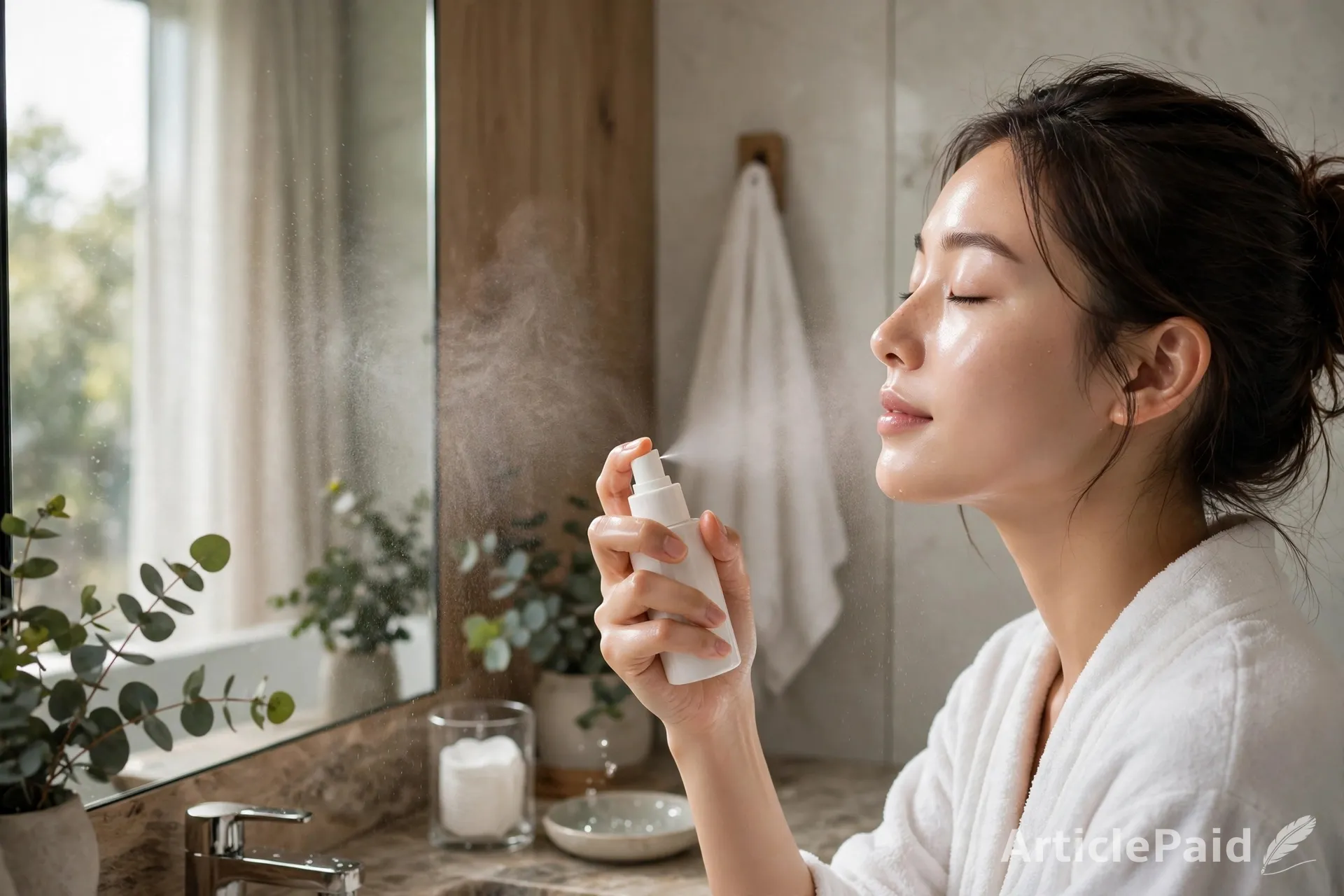
your own body makes it. When your white blood cells fight off bacteria or infections, they produce hypochlorous acid naturally. In skincare sprays, it acts as a gentle anti-bacterial and calming mist.
If you just walked out of a sweaty gym session, or your skin feels hot, irritated, or prone to mild breakouts, spraying it on helps cut down surface microbes and cool things down.
People with eczema or touchy, reactive skin often love how mild it feels.
Still, is it an anti-aging cure-all?
Not even close. Social media loves turning one useful trait into a miracle cure for everything.
It will not erase fine lines, fade stubborn dark spots, or replace real treatments.
Watch out for one common mix-up too: layering it straight over active serums like vitamin C or retinol can blunt their effectiveness because it acts as an oxidizer.
Give the spray a few minutes to dry down completely before putting other products over it.
What Other Viral Ingredients Actually Do
Hypochlorous acid is just one wave in a constant tide of skincare trends.
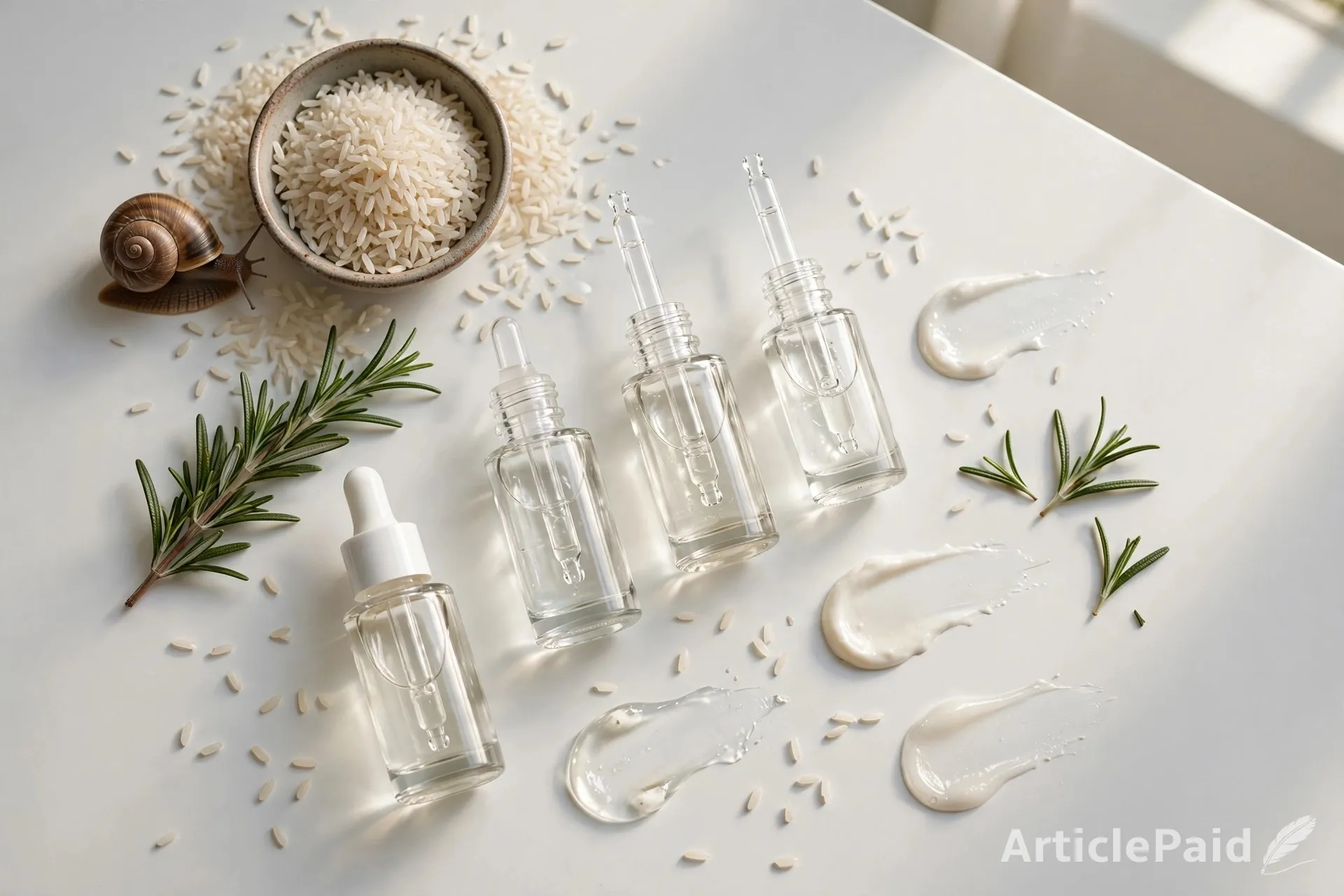
Take snail mucin, which blew up out of K-beauty and landed on vanities everywhere.
It carries a bit of hyaluronic acid and glycolic acid along with glycoproteins, which gives a nice hydrating bounce and dewy look.
At the same time, anyone allergic to dust mites can break out in little bumps from it. It is a solid hydrator, not a potion.
Rice water is another classic. Grandmothers have used it for generations, and now it shows up in pricey bottles promising brighter, softer skin thanks to starches, vitamins, and antioxidants.
The catch with a DIY bowl on your counter is that plain rice water spoils fast and can grow unwanted bacteria within a couple of days, so properly preserved or fermented store options are much safer. Then there is rosemary oil, huge in haircare circles.
Some research suggests it may support scalp circulation, yet slapping undiluted essential oil straight onto your scalp can burn and trigger shedding instead of fuller hair.
What Actually Matters for Your Skin
Brands need fresh launches to stay exciting, so familiar ideas often get dressed up in shiny new hype.
Most people do not need a ten-step shelf or every viral bottle in circulation.
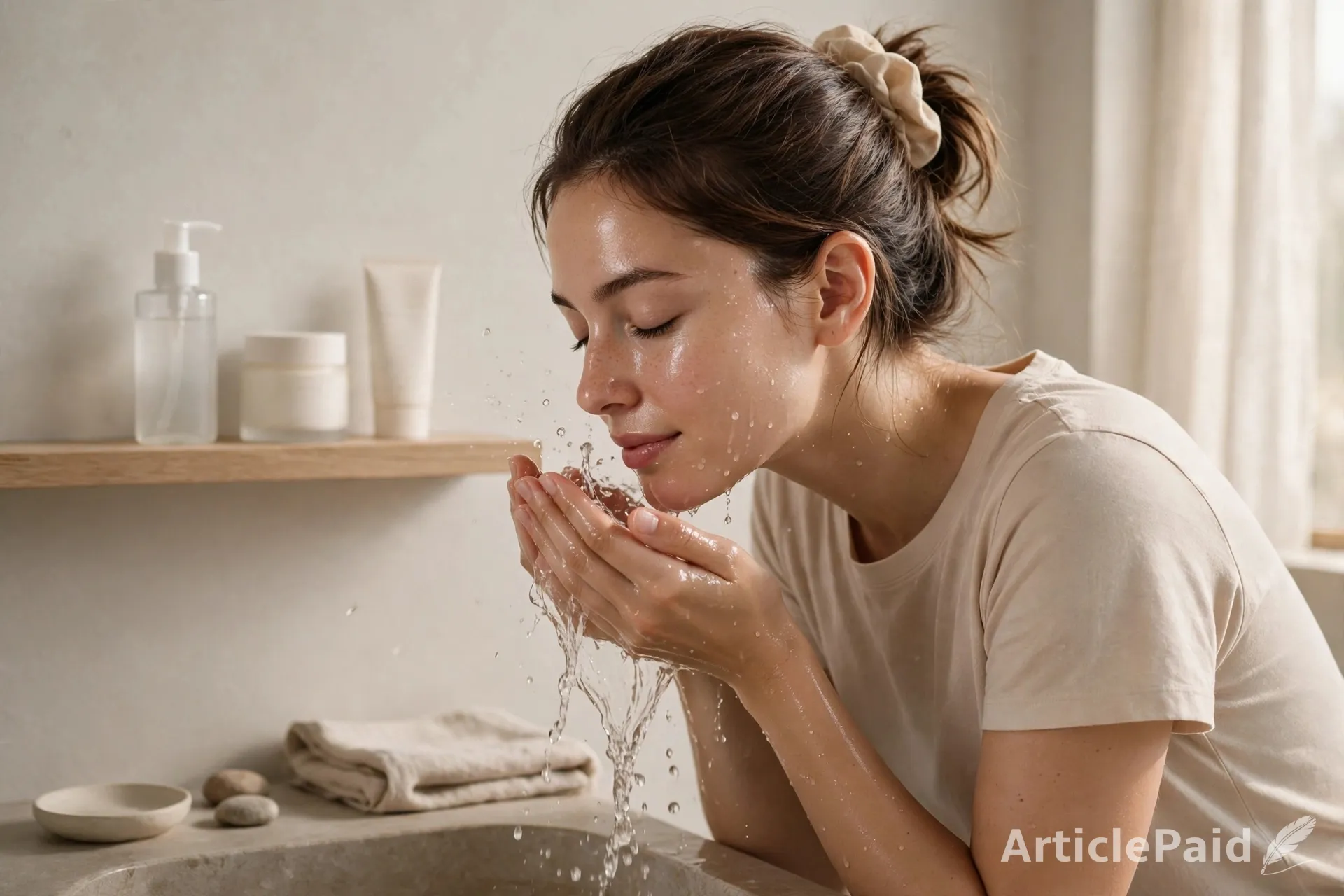
A gentle cleanser, a dependable moisturizer, and daily sunscreen handle the heavy lifting for the vast majority of everyday skin concerns.
Trending ingredients like hypochlorous acid can still earn a spot when they match what your skin needs right now, not just because a feed made them look irresistible.
Pay attention to how your own skin reacts, and tune out the noise.













Responses (0)