How History’s Greatest Thinkers Educated Themselves & Changed the World Forever
Introduction Throughout history, some of the world's greatest thinkers achieved extraordinary things without following t

In this article 5 sections
Introduction
Throughout history, some of the world's greatest thinkers achieved extraordinary things without following traditional educational paths.
Their secret was not simply intelligence. It was an endless desire to learn, question, experiment, and explore new ideas.
Their journeys remind us that education is not limited to schools or universities. Sometimes, the greatest lessons come from observing the world around us.
Learning Beyond Traditional Education
Many influential thinkers believed that education extended far beyond classrooms and textbooks.
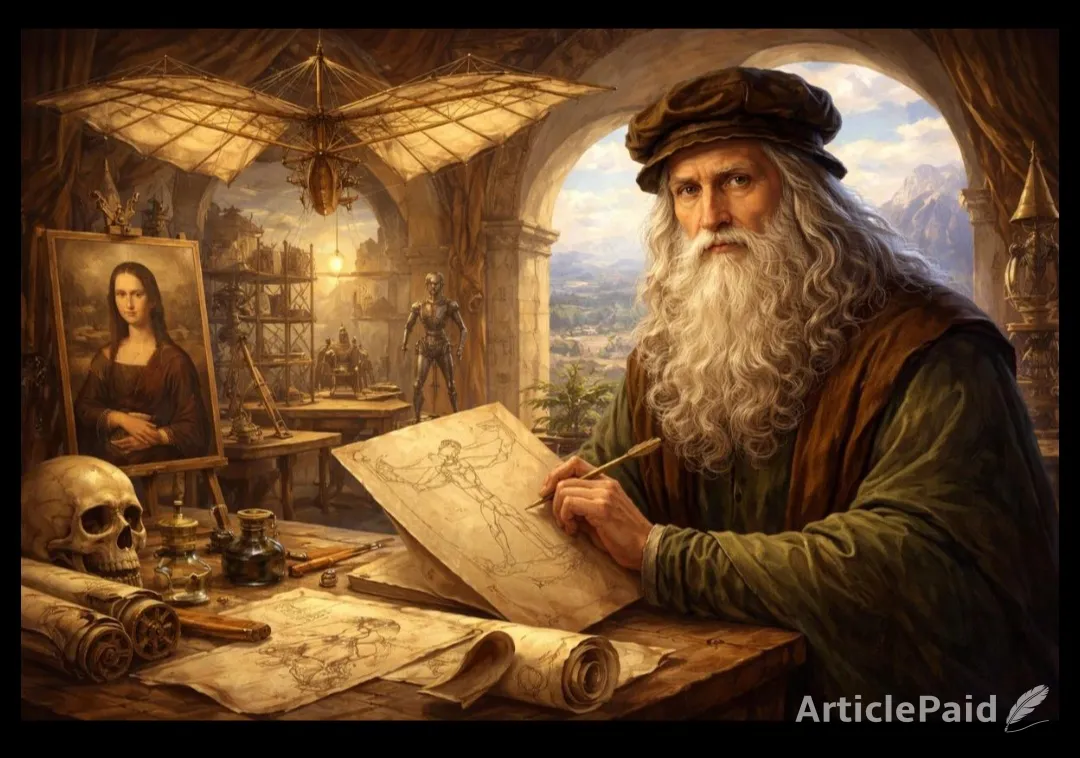
Leonardo da Vinci, for example, learned by carefully observing nature, studying human anatomy, and experimenting with inventions.
His curiosity encouraged him to explore art, science, engineering, and mathematics. He believed that observation was one of the best ways to understand the world.
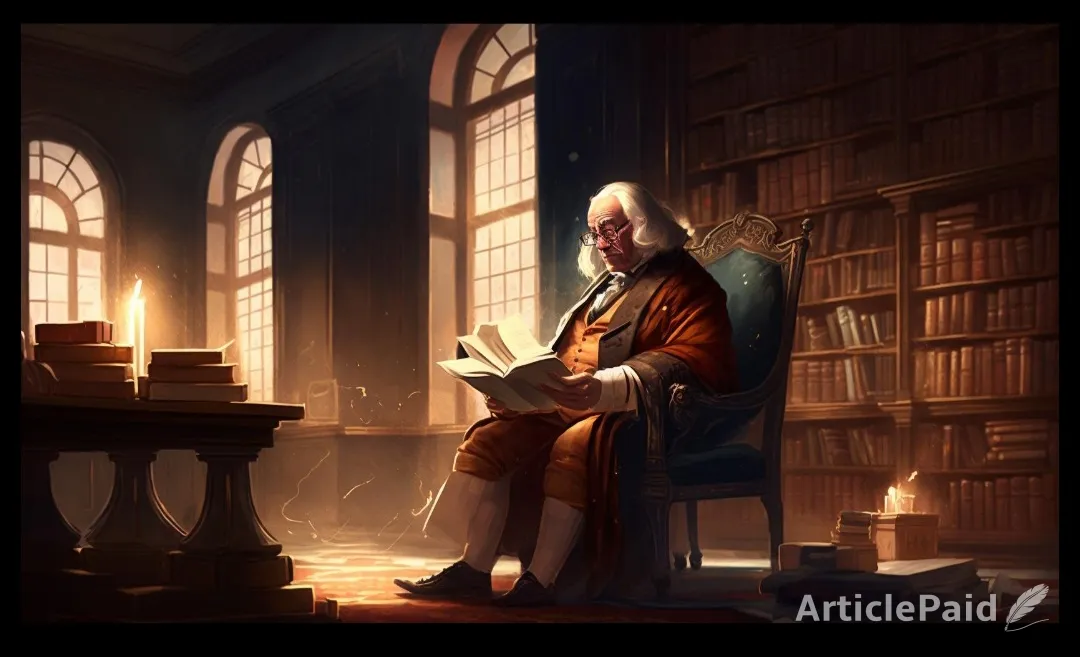
Similarly, Benjamin Franklin educated himself through reading, writing, and practical experiments.
Despite having limited formal schooling, he developed impressive knowledge of science, politics, and literature. He constantly challenged himself to improve his writing and expand his understanding.
Another inspiring example is Abraham Lincoln. He developed his intellectual abilities through persistent reading.
With limited access to books, he made the most of every opportunity to study history, law, and literature. His dedication eventually helped him become an influential lawyer and political leader.
The Habits That Made Them Great
Although these thinkers lived in different periods, they shared several powerful learning habits.
- Unquenchable curiosity: They constantly asked questions and searched for meaningful answers.
- Independent reading: They explored different subjects to understand the world more deeply.
- Critical thinking: They examined information instead of blindly accepting every idea.
- Practical experimentation: They learned through experience, mistakes, and repeated attempts.
- Consistency: They treated learning as a lifelong responsibility.
These simple habits helped them develop knowledge and discover new possibilities.
How to Apply Their Lessons Today
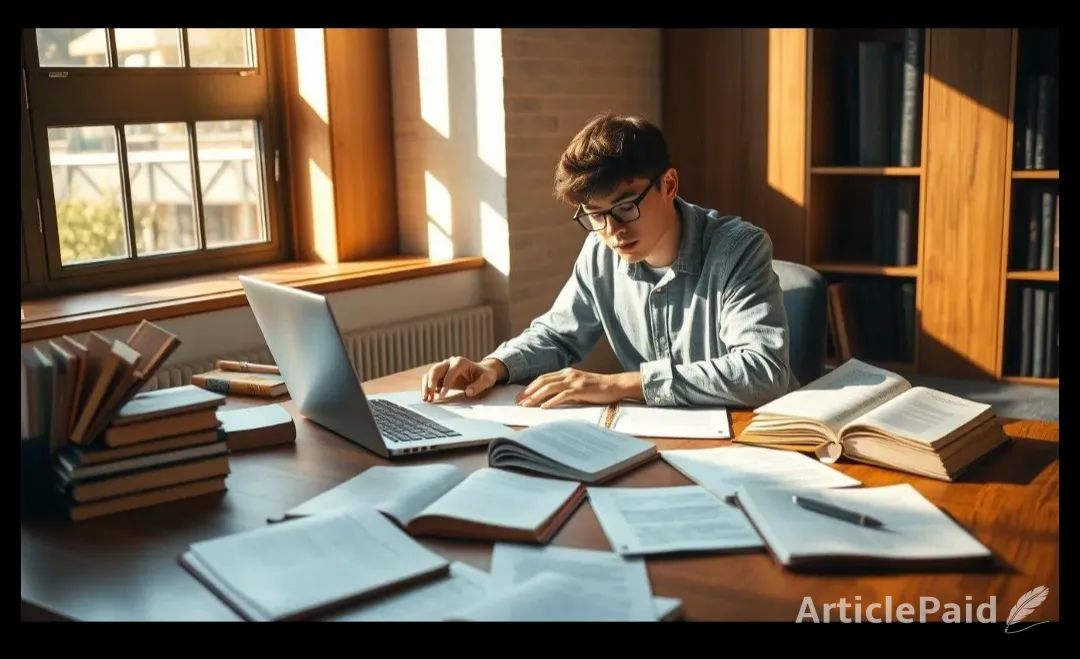
Today, learning has become easier than ever. The internet provides access to online courses, digital libraries, educational videos, and countless learning resources.
However, having access to information is not enough. What truly matters is how you use it.
Start by reading for twenty minutes daily. Keep notes about interesting ideas and explore subjects beyond your usual interests.
Ask questions, challenge your assumptions, and apply what you learn to everyday situations.
Remember, small efforts repeated consistently can produce remarkable results.
Conclusion
The greatest lesson from history's independent thinkers is that education does not end when formal schooling finishes.
Real learning begins when curiosity becomes a daily habit.
You do not need extraordinary talent or expensive resources to become knowledgeable. You need an open mind, patience, and the courage to keep learning.
After all, today's curious learner could become tomorrow's great thinker.










Responses (0)