

In today's rapidly evolving world, _skill-based education_ is the foundation of _lifelong learning_."With technological advancements and shifting industry demands, it's no longer enough to rely on traditional degree-based education. Instead, skill-based learning empowers individuals to acquire the practical skills they need to thrive in an ever-changing job market.
The Importance of Skill-Based Education
Skill-based education focuses on equipping learners with specific, job-ready practical skills that are in high demand. This approach ensures that individuals are prepared to tackle real-world applications and adapt to new situations. By emphasizing practical skills over theoretical knowledge, skill-based learning enables learners to hit the ground running in their chosen careers.
Benefits of Skill-Based Education
The benefits of skill-based education are numerous. For one, it allows learners to develop a sense of purpose and direction, as they're able to focus on acquiring practical skills that align with their career goals. Additionally, skill-based learning promotes lifelong learning, as individuals are encouraged to continuously update their practical skills to stay relevant in the job market. This approach also enables learners to apply real-world applications of their skills, making them more attractive to potential employers.
How Skill-Based Education Works
Skill-based education typically involves a combination of hands-on training, mentorship, and project-based learning that focuses on real-world applications. This approach allows learners to apply theoretical concepts to real-world applications, developing a deeper understanding of the subject matter. By working on practical projects, learners can build a portfolio of work that showcases their practical skills to potential employers.
The Role of Technology in Skill-Based Education
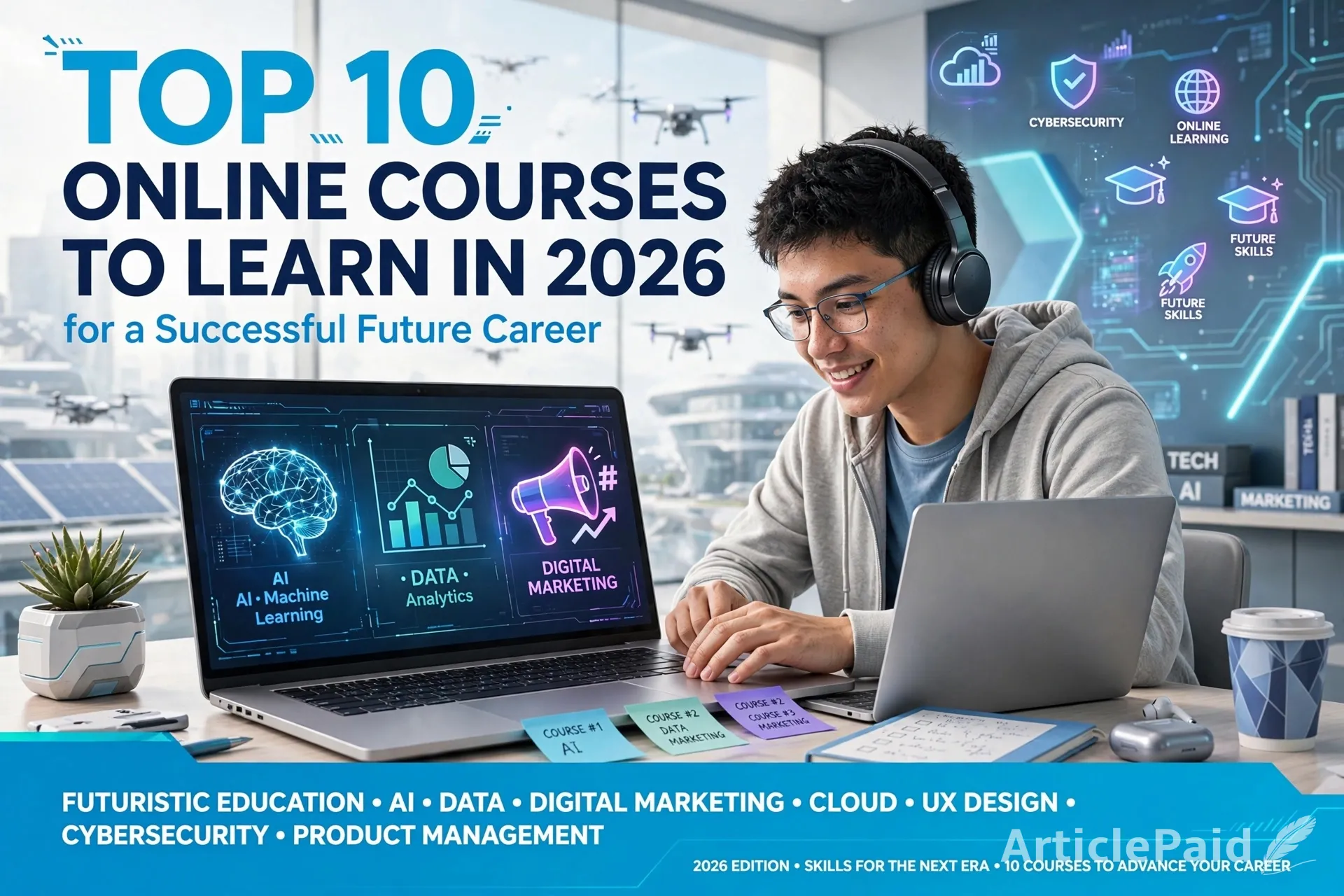
Technology plays a vital role in skill-based education, providing learners with access to a wealth of resources and tools. Online platforms, MOOCs (Massive Open Online Courses), and digital badges are just a few examples of how technology is revolutionizing skill-based learning. These tools enable learners to access high-quality education at their own pace, anytime and anywhere, and apply practical skills in a real-world context.
The Future of Skill-Based Education
As the job market continues to evolve, skill-based education will become increasingly important. With automation and AI transforming industries, workers will need to adapt quickly to new technologies and workflows. Skill-based learning provides the foundation for this adaptability, enabling individuals to upskill and reskill as needed, and apply practical skills to real-world applications.
Conclusion
In conclusion, skill-based education is the key to lifelong learning in today's fast-paced world. By focusing on practical skills and real-world applications, skill-based learning empowers individuals to thrive in an ever-changing job market. As technology continues to advance, skill-based education will play an increasingly important role in shaping the future of work.
FAQs
Q: What is skill-based education?
A: Skill-based education focuses on equipping learners with specific, job-ready practical skills that are in high demand.
Q: Why is skill-based education important?
A: Skill-based education is important because it prepares learners for real-world applications and enables them to adapt to new situations.
Q: How does skill-based education work?
A: Skill-based education typically involves a combination of hands-on training, mentorship, and project-based learning that focuses on real-world applications.















Responses (0)
Sign in to share your thoughts.
Sign in