
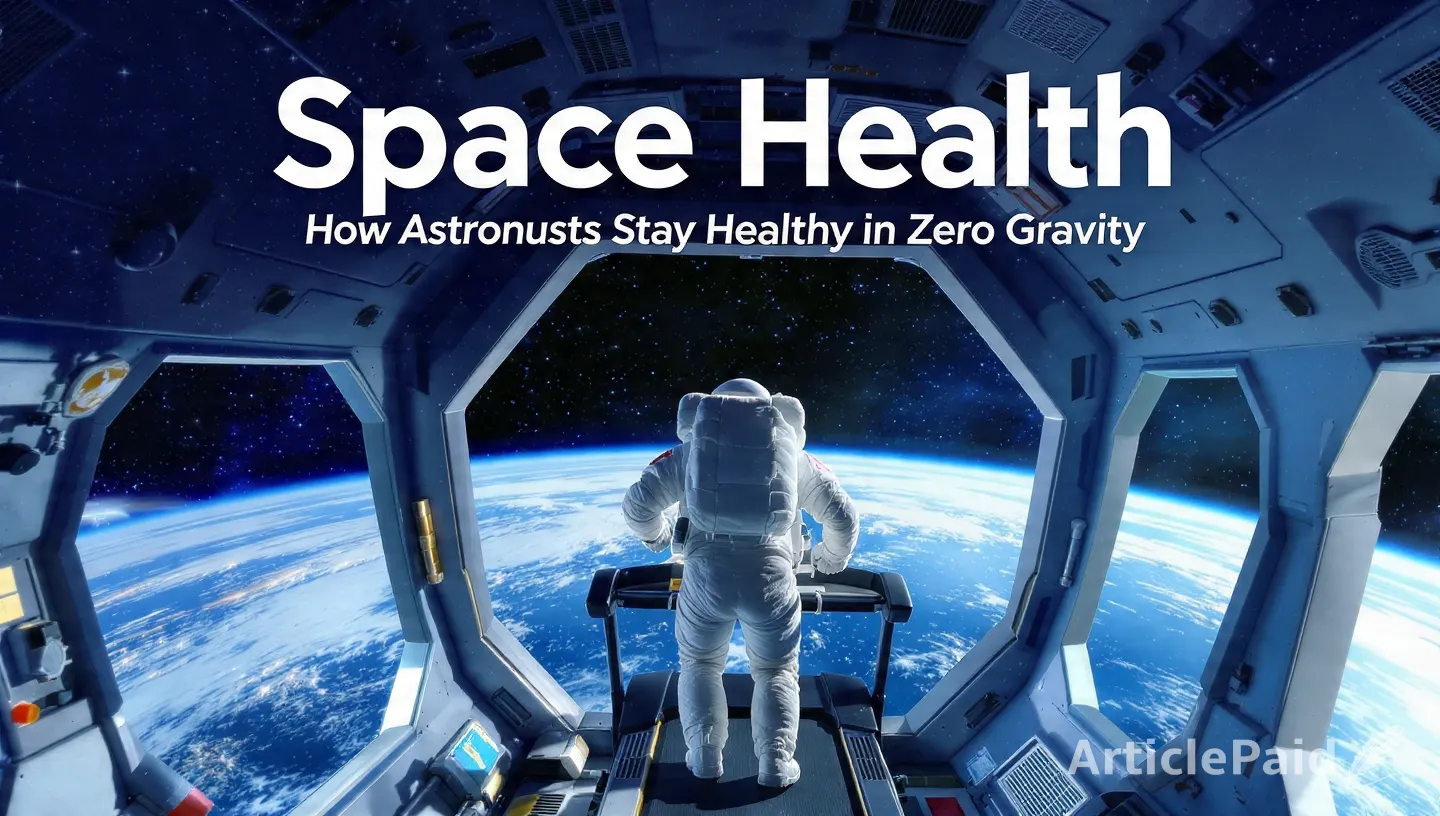
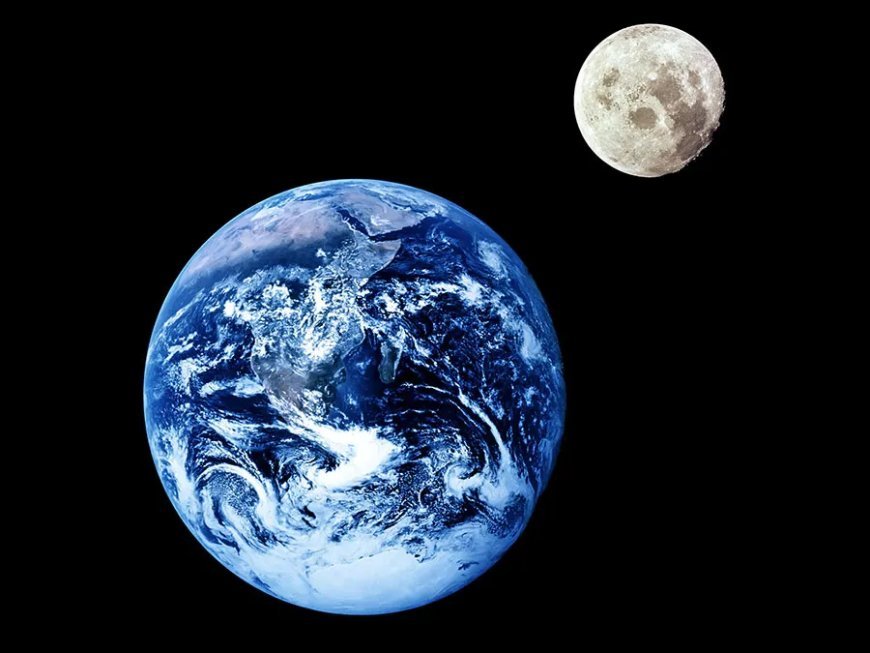
Space has always fascinated humanity. But beyond the beauty of stars and planets lies a harsh reality: the human body was not designed for space. When astronauts leave Earth’s gravity, their bodies face challenges that can affect nearly every system. That’s why “space health” is one of the most important areas of research for NASA, ESA, and private companies like SpaceX.
Here’s how astronauts stay healthy in zero gravity.
The Challenge: What Zero Gravity Does to the Body
On Earth, gravity keeps us grounded. It pulls blood to our feet, strengthens our bones, and gives our muscles resistance with every step. In microgravity, all of that changes within hours.
Muscle and Bone Loss
Without gravity, muscles don’t have to work to hold the body up. Astronauts can lose up to 20% of muscle mass in just 2 weeks. Bones are even more affected. The body stops producing bone tissue at the same rate and starts breaking it down instead. Astronauts can lose 1-2% of bone density per month - similar to what an elderly person loses in a year.
Fluid Shift and Heart Changes
On Earth, gravity pulls fluids down. In space, fluids shift toward the head. This causes “puffy face, chicken legs” syndrome. It also increases pressure in the skull and can affect vision. The heart doesn’t have to pump as hard, so it weakens and shrinks slightly.
Radiation and Mental Health
Outside Earth’s magnetic field, astronauts are exposed to cosmic radiation that increases cancer risk. Plus, isolation, confinement, and disrupted sleep cycles in space can lead to stress, anxiety, and depression.
Clearly, staying healthy in space requires a full system, not just willpower.
The Solution: Daily Exercise is Non-Negotiable
Exercise is the single most important tool for astronaut health. Every astronaut on the International Space Station spends about 2.5 hours per day exercising, 6 days a week.
They use 3 main machines:
1. Treadmill with harnesses:
Straps pull astronauts down so they can run. This helps maintain bone density and cardiovascular health.
2. Cycle Ergometer:
A stationary bike for cardio and leg muscles.
3. ARED - Advanced Resistive Exercise Device:
This is a weightlifting machine that uses vacuum cylinders to simulate lifting up to 600 pounds. It targets all major muscle groups and bones.
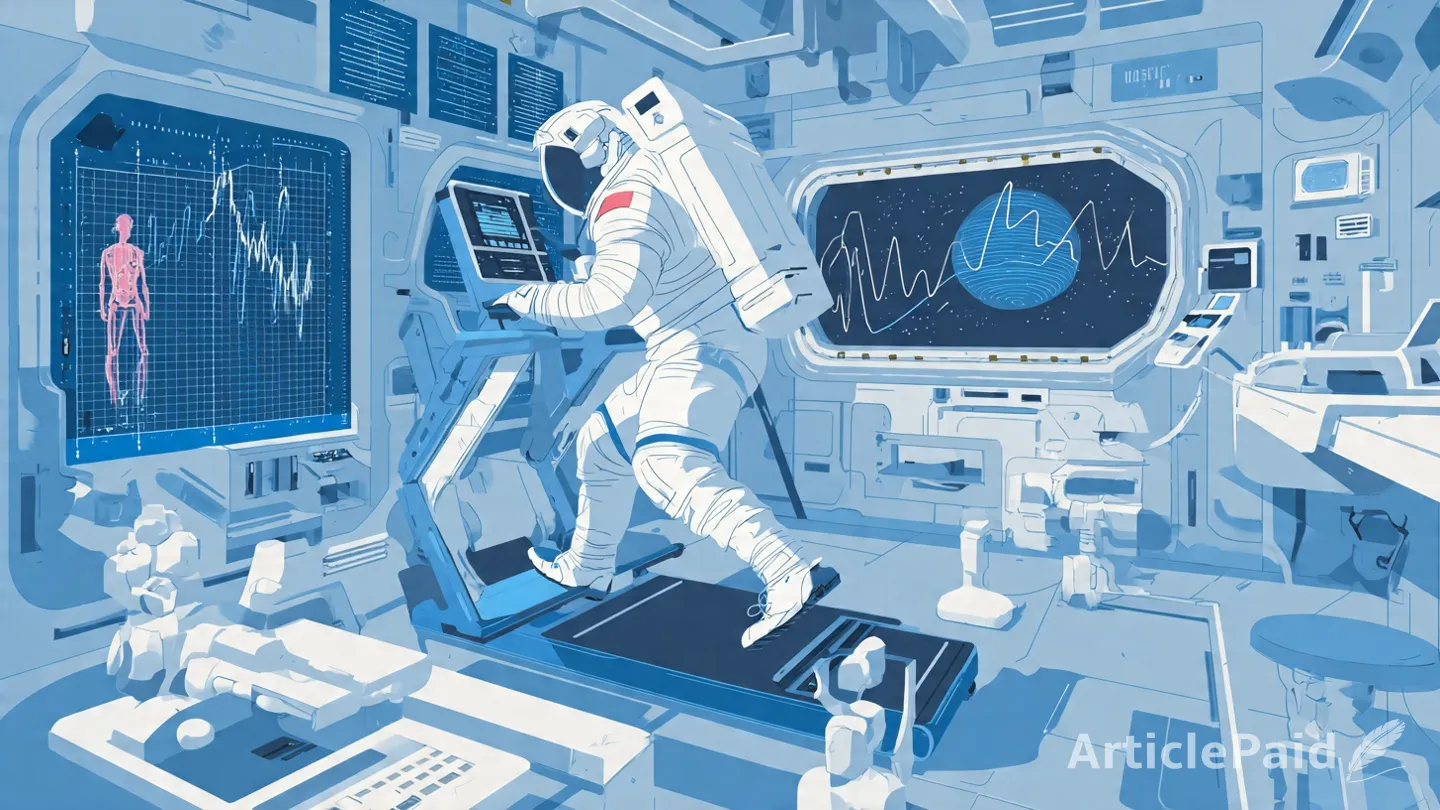
Without this routine, astronauts would return to Earth unable to walk.
Nutrition: Fueling the Body in Space
Food in space isn’t just about taste. It’s medicine.
NASA dietitians design meal plans high in protein, calcium, and Vitamin D to fight bone and muscle loss. Omega-3 fatty acids help with inflammation and brain health. Antioxidants from fruits and vegetables help combat radiation damage.
Water is recycled from sweat and urine to conserve resources. Salt intake is monitored because too much sodium worsens fluid shift and bone loss.
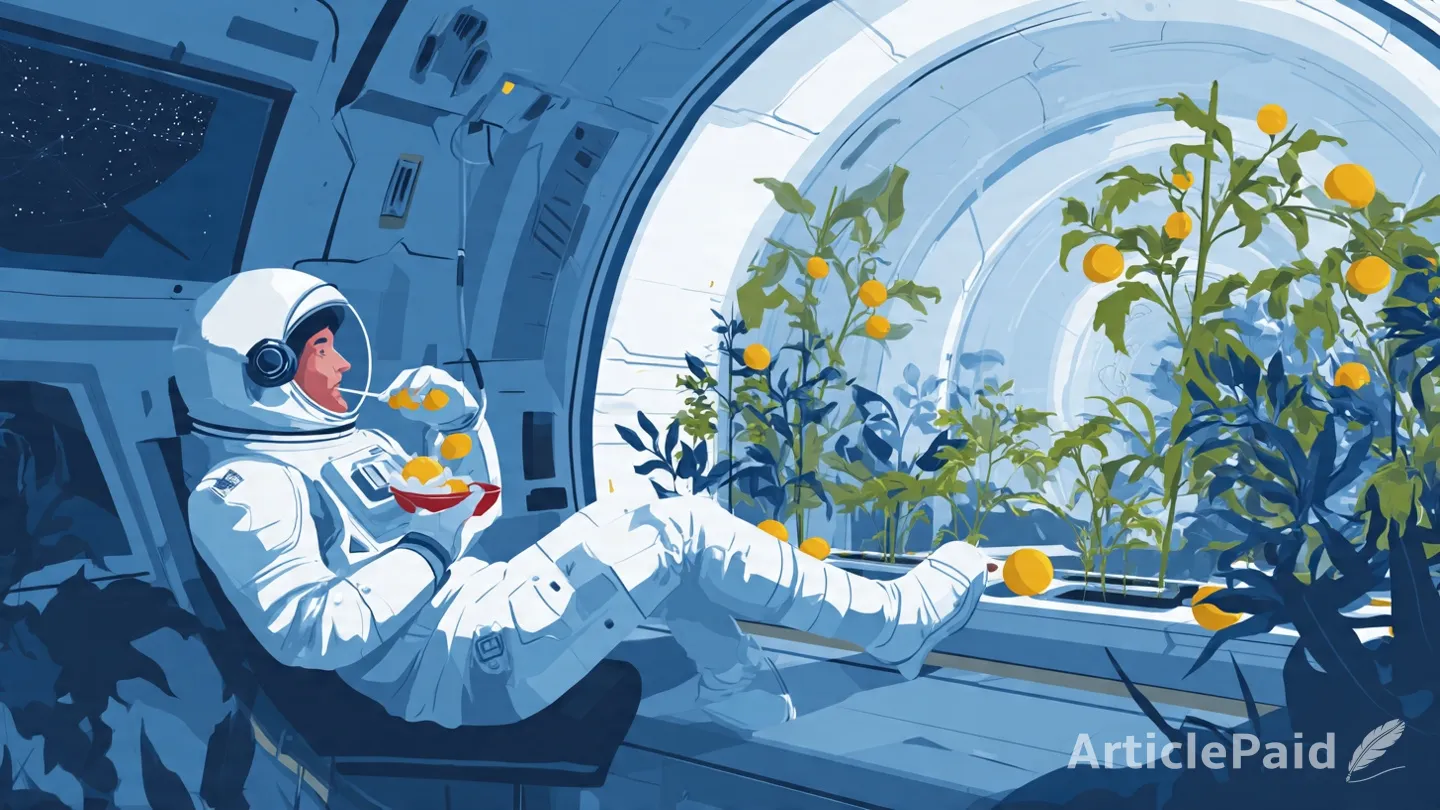
Recent missions are also testing growing fresh vegetables on board. Lettuce and radishes grown on the ISS not only provide nutrients but also improve mental health by adding a touch of green and nature.
Sleep, Radiation Protection, and Mental Wellness
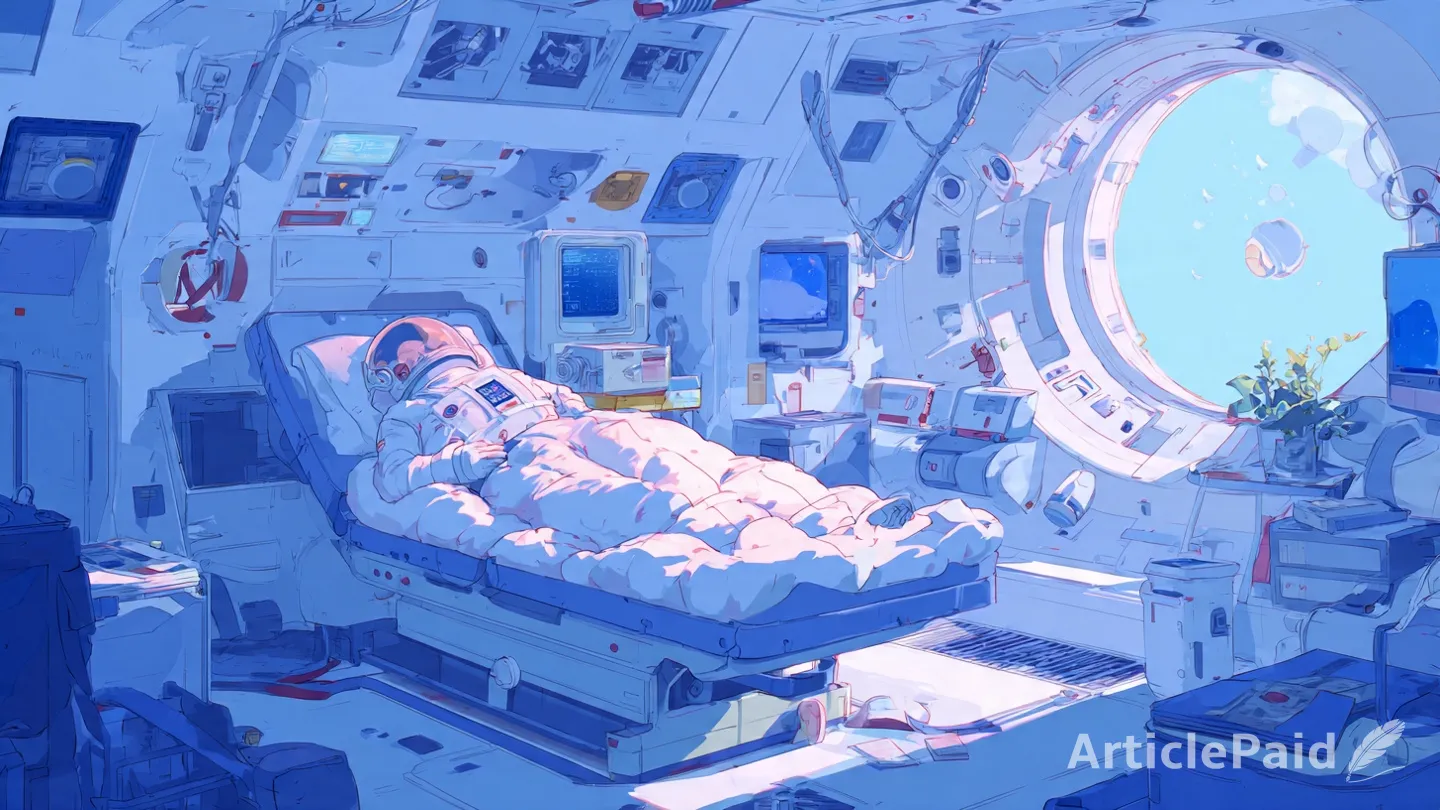
Astronauts aim for 8 hours of sleep in private crew quarters. But 16 sunrises and sunsets every 24 hours make circadian rhythms tricky. Special LED lighting is used to signal “day” and “night” to the brain.
For radiation, the ISS uses shielded areas called “storm shelters” during solar flares. Long-term, researchers are testing drugs and diets that protect DNA from radiation damage.
Mental health is managed through video calls with family, recreational time, and psychological support from ground teams. Crew selection also focuses heavily on teamwork and resilience.
Why This Matters for Earth
Research on astronauts directly helps people on Earth. The exercise protocols are now used for elderly patients and people with osteoporosis. Studies on fluid shift help us understand glaucoma. Nutrition and telemedicine systems developed for space are used in remote areas on Earth.
As we plan for Mars missions that will last 3 years, space health research is becoming even more critical.
Zero gravity is both the dream and the challenge of space exploration. Astronauts stay healthy not by luck, but through science, discipline, and technology. Two hours of exercise, strict nutrition, radiation monitoring, and mental health support are all part of the job.
As we prepare to live and work in space for longer periods, understanding and protecting space health will be the key to making humanity a truly spacefaring species. Because to reach the stars, we first have to take care of the body that gets us there.




















Responses (0)
Sign in to share your thoughts.
Sign in