The Long-Term Health Risks of Eating Too Much Beef
Beef is a popular food in the United States. From burgers and steaks to meatballs and barbecue, it is a familiar part of


In this article 27 sections
- 1. Increased Risk of Colorectal Cancer
- How Can Beef Affect the Colon?
- What About Processed Beef?
- 2. Higher Risk of Heart Disease
- Why Does Saturated Fat Matter?
- A Healthier Approach to Beef
- 3. Possible Increased Risk of Type 2 Diabetes
- How Might Eating Too Much Beef Contribute?
- Practical Ways to Support Healthy Blood Sugar
- To support better metabolic health:
- 4. Excessive Calorie and Saturated Fat Intake
- Not all beef products have the same nutritional composition.
- How Can This Affect Body Weight?
- Choose Balanced Portions
- 5. High Sodium Intake From Processed Beef Products
- Why Is Too Much Sodium a Concern?
- How to Reduce Sodium Consumption
- You can make simple changes without sacrificing flavor:
- 6. Potential Effects on Overall Digestive Health
- Why Does Dietary Fiber Matter?
- Consider adding these foods to your regular meals:
- 7. High-Temperature Cooking May Create Harmful Compounds
- Cooking Methods to Consider
- Try these approaches:
- How Much Beef Is Reasonable to Eat?
- Healthier Alternatives to Eating Beef Every Day
- Conclusion

Beef is a popular food in the United States. From burgers and steaks to meatballs and barbecue, it is a familiar part of many people's diets. It provides valuable nutrients, including protein, iron, zinc, and vitamin B12. However, eating beef too frequently or in excessive amounts may have consequences for long-term health.
The concern is not that eating beef occasionally is automatically harmful. Rather, regularly consuming large portions of red meat, especially fatty cuts and processed beef products, may increase the risk of certain chronic diseases.
Understanding these potential risks can help people make better food choices without giving up their favorite meals entirely. By paying attention to portion sizes, cooking methods, and dietary variety, it is possible to enjoy beef while maintaining a more balanced eating pattern.
1. Increased Risk of Colorectal Cancer
One of the most important health concerns associated with regularly eating large amounts of red meat is colorectal cancer.
Beef is classified as red meat because it comes from a mammal. Research has found an association between higher red meat consumption and an increased risk of colorectal cancer. The evidence is particularly strong for processed meat.
How Can Beef Affect the Colon?
Beef contains heme iron, a naturally occurring form of iron found in animal foods. Although iron is essential for carrying oxygen throughout the body, heme iron may also contribute to the formation of potentially harmful compounds in the digestive system.
Cooking meat at very high temperatures can create additional compounds, including heterocyclic amines and polycyclic aromatic hydrocarbons. These substances have been linked to DNA damage in experimental research.
The relationship between red meat and cancer is complex, and eating beef does not mean someone will develop cancer. However, regularly consuming large amounts may contribute to a higher risk over time.
What About Processed Beef?
Processed beef products deserve particular attention. Examples include:
- Beef hot dogs
- Corned beef
- Beef jerky
- Cured beef
- Certain packaged beef sausages
Processed meats are preserved through methods such as salting, curing, smoking, or adding preservatives.
The World Health Organization identifies processed meat as carcinogenic to humans, based on sufficient evidence linking it to colorectal cancer. Unprocessed red meat is classified as probably carcinogenic, reflecting a different level of scientific evidence.
For this reason, limiting processed meat is an important part of a cancer-conscious eating pattern.
2. Higher Risk of Heart Disease
Eating too much beef, particularly fatty cuts, may make it harder to maintain healthy cholesterol levels.
Some beef products contain substantial amounts of saturated fat. A diet consistently high in saturated fat can increase LDL cholesterol, commonly called bad cholesterol.
When LDL cholesterol becomes elevated, fatty deposits can build up inside artery walls. This process, known as atherosclerosis, can restrict blood flow and increase the risk of cardiovascular problems.
Why Does Saturated Fat Matter?
Saturated fat is not found only in beef. It is also present in butter, full-fat dairy products, and some other animal-based foods.
The overall quality of a person's diet matters. Regularly replacing foods high in saturated fat with healthier unsaturated-fat sources can help support better cholesterol levels.
For example, instead of making fatty beef the main protein source at every meal, consider choosing fish, beans, lentils, or skinless poultry more often.
A Healthier Approach to Beef
If you enjoy beef, you do not necessarily need to eliminate it completely.
Consider choosing leaner cuts, trimming visible fat, and preparing meals with vegetables and whole grains. These simple changes can help reduce the amount of saturated fat in your overall diet.
3. Possible Increased Risk of Type 2 Diabetes
Another long-term concern associated with high red and processed meat consumption is type 2 diabetes.
Studies examining dietary patterns have found associations between frequent consumption of red and processed meats and a higher risk of developing type 2 diabetes.
However, this relationship is influenced by several factors, including body weight, physical activity, genetics, and the overall quality of someone's diet.
How Might Eating Too Much Beef Contribute?
There is no single explanation for the relationship.
One possible factor is the saturated fat content of certain beef products. Diets high in saturated fat may contribute to metabolic problems when combined with other unhealthy dietary and lifestyle habits.
Processed beef products can also contain considerable amounts of sodium. Eating too many highly processed foods may contribute to an overall dietary pattern that is less supportive of metabolic health.
It is important to understand that eating beef does not directly or automatically cause diabetes. The concern involves long-term dietary habits and their combined effects.
Practical Ways to Support Healthy Blood Sugar
To support better metabolic health:
- Choose balanced meals containing protein, fiber, and healthy fats.
- Eat more vegetables, beans, and whole grains.
- Limit sugary drinks and highly processed foods.
- Maintain regular physical activity.
- Avoid making large portions of fatty meat a daily habit.
These habits support overall health and may help reduce the risk of type 2 diabetes.
4. Excessive Calorie and Saturated Fat Intake
Not all beef products have the same nutritional composition.
A lean cut of beef can provide protein and important nutrients without containing as much fat as a heavily marbled steak or fatty ground beef. However, large portions and frequent consumption of high-fat preparations can add substantial calories to the diet.
How Can This Affect Body Weight?
Weight gain can occur when someone consistently consumes more calories than their body uses.
For example, a large beef burger served with cheese, creamy sauces, fried potatoes, and a sugary drink can contain considerably more calories than a smaller beef serving accompanied by vegetables and a whole-grain side.
The problem is not necessarily the beef alone. Portion sizes, cooking oils, sauces, and side dishes all contribute to the total nutritional content of a meal.
Over time, regularly consuming more calories than the body needs may contribute to excess body weight.
Excess body weight is associated with a higher risk of several health conditions, including heart disease, type 2 diabetes, and certain cancers.
Choose Balanced Portions
A practical approach is to make vegetables and other nutritious foods a regular part of meals rather than allowing large portions of meat to dominate the plate.
You can also choose lean ground beef, compare nutrition labels, and reduce the frequency of high-calorie beef dishes.
5. High Sodium Intake From Processed Beef Products
Fresh, unseasoned beef is naturally different from processed beef products.
Many processed beef foods contain added salt to improve flavor, preserve the product, or extend its shelf life.
Examples include corned beef, beef sausages, packaged deli meats, and some canned beef products.
Why Is Too Much Sodium a Concern?
Consuming too much sodium can contribute to high blood pressure in many people.
High blood pressure places additional stress on the cardiovascular system and increases the risk of heart disease and stroke.
People who frequently eat processed beef products may consume more sodium than they realize, especially when these foods are combined with salty sauces, cheese, packaged snacks, and fast food.
How to Reduce Sodium Consumption
You can make simple changes without sacrificing flavor:
- Choose fresh beef instead of processed varieties more often.
- Read nutrition labels before purchasing packaged meat.
- Use herbs, garlic, pepper, and other seasonings instead of relying heavily on salt.
- Limit salty sauces and ready-made marinades.
- Include fresh vegetables and other minimally processed foods in your meals.
These steps can help reduce unnecessary sodium intake.
6. Potential Effects on Overall Digestive Health
Beef provides protein and several essential nutrients, but it contains little to no dietary fiber.
Fiber is important for normal digestion, healthy bowel movements, and supporting beneficial gut bacteria.
A diet that relies heavily on beef while providing too few vegetables, fruits, legumes, and whole grains may not supply enough fiber.
Why Does Dietary Fiber Matter?
Fiber helps maintain regular bowel movements and supports digestive health.
Some types of dietary fiber are also used by beneficial gut bacteria. These bacteria produce substances that play important roles in maintaining the health of the digestive system.
When someone eats large quantities of meat but rarely consumes plant-based foods, their overall fiber intake may become too low.
This does not mean beef directly causes constipation in everyone. Rather, the issue is often the lack of fiber-rich foods in an unbalanced eating pattern.
Foods That Can Improve Dietary Balance
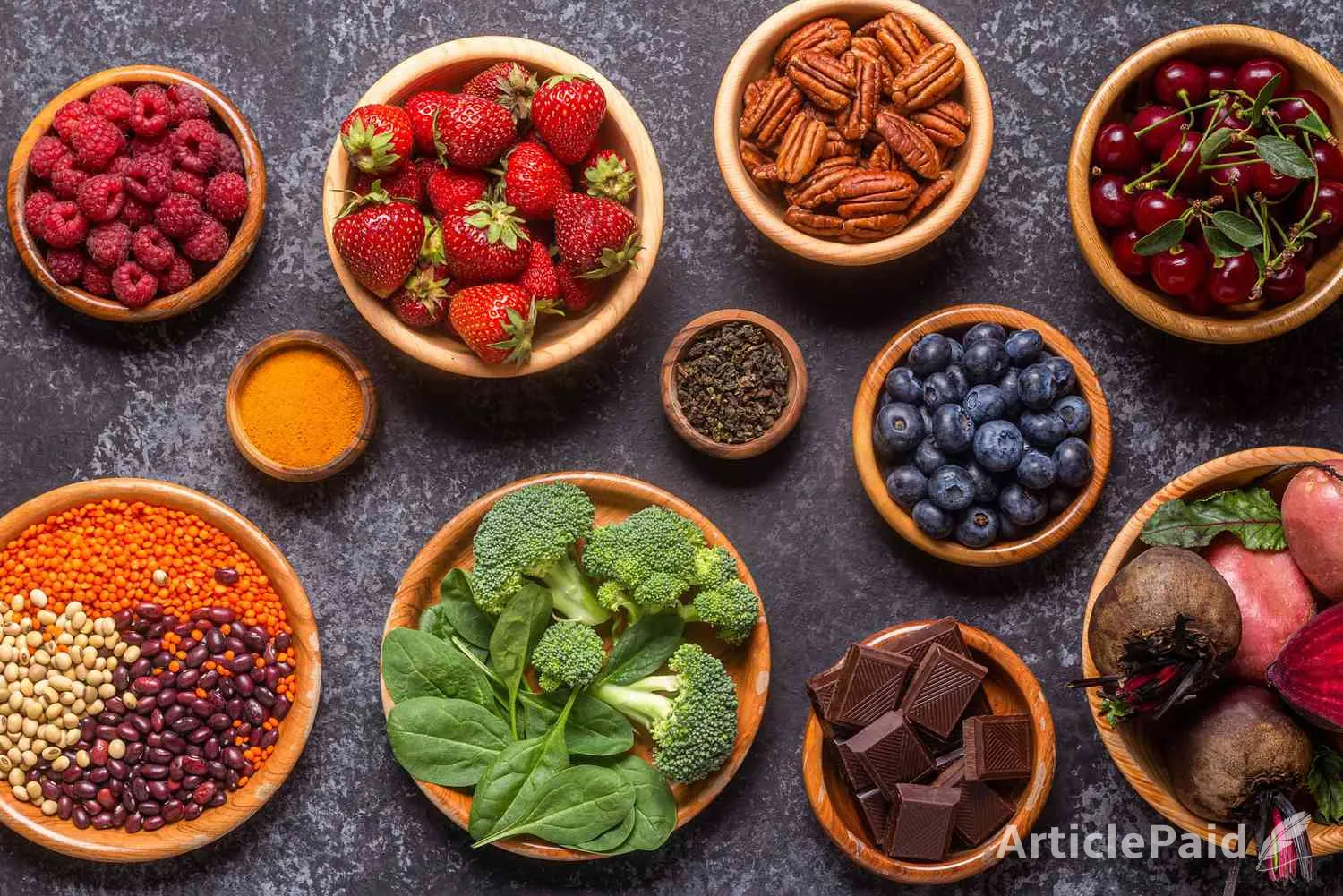
Consider adding these foods to your regular meals:
- Broccoli, spinach, and carrots
- Apples, oranges, and berries
- Oatmeal and brown rice
- Lentils, chickpeas, and black beans
- Nuts and seeds
These foods provide dietary fiber and other nutrients that beef cannot supply.
7. High-Temperature Cooking May Create Harmful Compounds
How beef is prepared can also influence its potential health effects.
Grilling, frying, and broiling meat at high temperatures can produce compounds called heterocyclic amines (HCAs). Cooking meat directly over an open flame can also expose it to polycyclic aromatic hydrocarbons (PAHs).
These compounds have been associated with DNA damage in laboratory studies, although the relationship between specific cooking exposures and human cancer risk is still being investigated.
Cooking Methods to Consider
You do not have to stop enjoying grilled beef. However, changing the way you prepare it may help reduce exposure to some potentially harmful compounds.
Try these approaches:
- 1. Avoid cooking beef until it becomes heavily charred.
- 2. Turn meat regularly while grilling.
- 3. Remove blackened or burned portions before eating.
- 4. Use lower-temperature cooking methods when appropriate.
- 5. Avoid exposing meat directly to flames for extended periods.
Baking, stewing, and slow cooking are useful alternatives to frequent high-temperature grilling.
Food safety is also important. Use a food thermometer and follow recommended safe internal cooking temperatures rather than relying only on the meat's appearance.
How Much Beef Is Reasonable to Eat?
There is no single amount of beef that is appropriate for every individual. Nutritional needs differ depending on age, activity level, health conditions, and overall dietary habits.
However, several cancer prevention organizations recommend limiting red meat consumption.
The World Cancer Research Fund recommends eating no more than approximately 350–500 grams (12–18 ounces) of cooked red meat per week. It also advises people to consume very little, if any, processed meat.
This recommendation applies to red meat as a category, including beef, pork, and lamb, rather than beef alone.
The American Cancer Society also encourages choosing plant-based proteins, fish, and poultry more often than red meat and limiting processed meat.
The important point is to consider your total weekly consumption rather than focusing on just one meal.
Healthier Alternatives to Eating Beef Every Day
Reducing beef consumption does not mean giving up protein or important nutrients.
Many other foods can provide protein and help create a balanced diet.
1. Fish
Fish provides protein, and fatty fish such as salmon contain omega-3 fatty acids. Replacing some red meat meals with fish can help improve the variety of nutrients in your diet.
2. Skinless Chicken
Chicken is a convenient protein source. Skinless chicken breast is generally lower in saturated fat than many fatty beef cuts.
3. Beans and Lentils
Beans, lentils, and chickpeas provide plant-based protein, dietary fiber, and minerals.
They are especially useful because they provide fiber, which is absent from beef.
4. Eggs
Eggs provide high-quality protein and several important nutrients. They can be included as part of a varied and balanced eating pattern.
5. Tofu and Other Soy Foods
Tofu, tempeh, and other minimally processed soy foods provide plant-based protein and can replace beef in many recipes.
Combining different protein sources throughout the week can make meals more nutritious and interesting.
Practical Tips for Eating Beef More Responsibly
You do not need to make dramatic changes overnight. Small, consistent adjustments can improve your overall eating pattern.
Here are several practical ideas:
Plan meat-free meals. Try replacing a few beef-based dinners each week with meals containing beans, fish, chicken, or tofu.
Choose leaner beef. Look for cuts with less visible fat and compare labels when buying ground beef.
Reduce processed meat. Limit products such as beef hot dogs, corned beef, and heavily processed sausages.
Control portion sizes. Avoid making oversized servings of beef a regular habit.
Add more vegetables. Include a variety of colorful vegetables with meals to increase fiber and nutrient intake.
Change your cooking methods. Avoid frequently eating heavily charred or burned meat.
Think about your entire diet. A healthy eating pattern includes vegetables, fruits, whole grains, legumes, healthy fats, and appropriate protein sources.
People with specific medical conditions or dietary requirements should discuss appropriate food choices with a qualified healthcare professional or registered dietitian.
Conclusion

Beef can be a nutritious part of a balanced diet because it provides protein, iron, zinc, and vitamin B12. However, regularly eating excessive amounts, particularly fatty cuts and processed beef products, may increase the risk of certain long-term health problems.
Potential concerns include colorectal cancer, cardiovascular disease, type 2 diabetes, high sodium intake, and an unbalanced diet that lacks enough fiber.
The best approach is not necessarily to eliminate beef entirely but to pay attention to how much you eat, how often you consume it, and how it is prepared.
Choose leaner cuts, limit processed beef, eat more plant-based foods, and include a variety of protein sources throughout the week.
Ultimately, long-term health depends on consistent dietary habits rather than a single food. Making thoughtful choices today can help support better health in the years ahead.













Responses (0)