The Risks of Eating Lai Fruit for People With Kidney Disease: Important Facts an
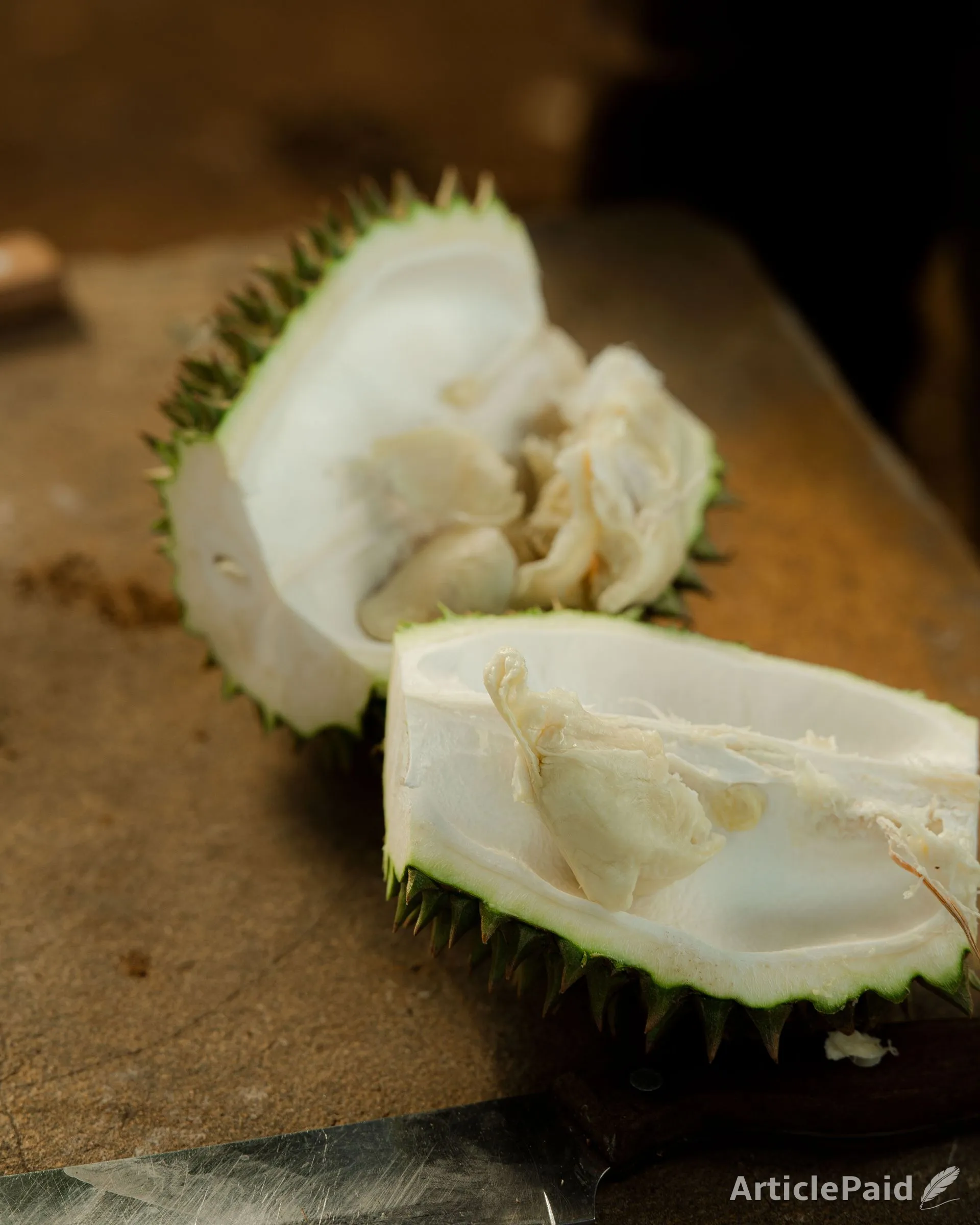
Lai fruit is a tropical fruit enjoyed by many people in Indonesia, particularly in parts of Kalimantan. Known scientific

In this article 7 sections
- Understanding the possible concerns can help people make more informed decisions without unnecessarily restricting their diets.
- What Nutrients Does Lai Fruit Contain?
- Why Is This Information Important for Kidney Patients?
- Frequently Asked Questions
- Final Thoughts
- This uncertainty should be treated responsibly.
- References
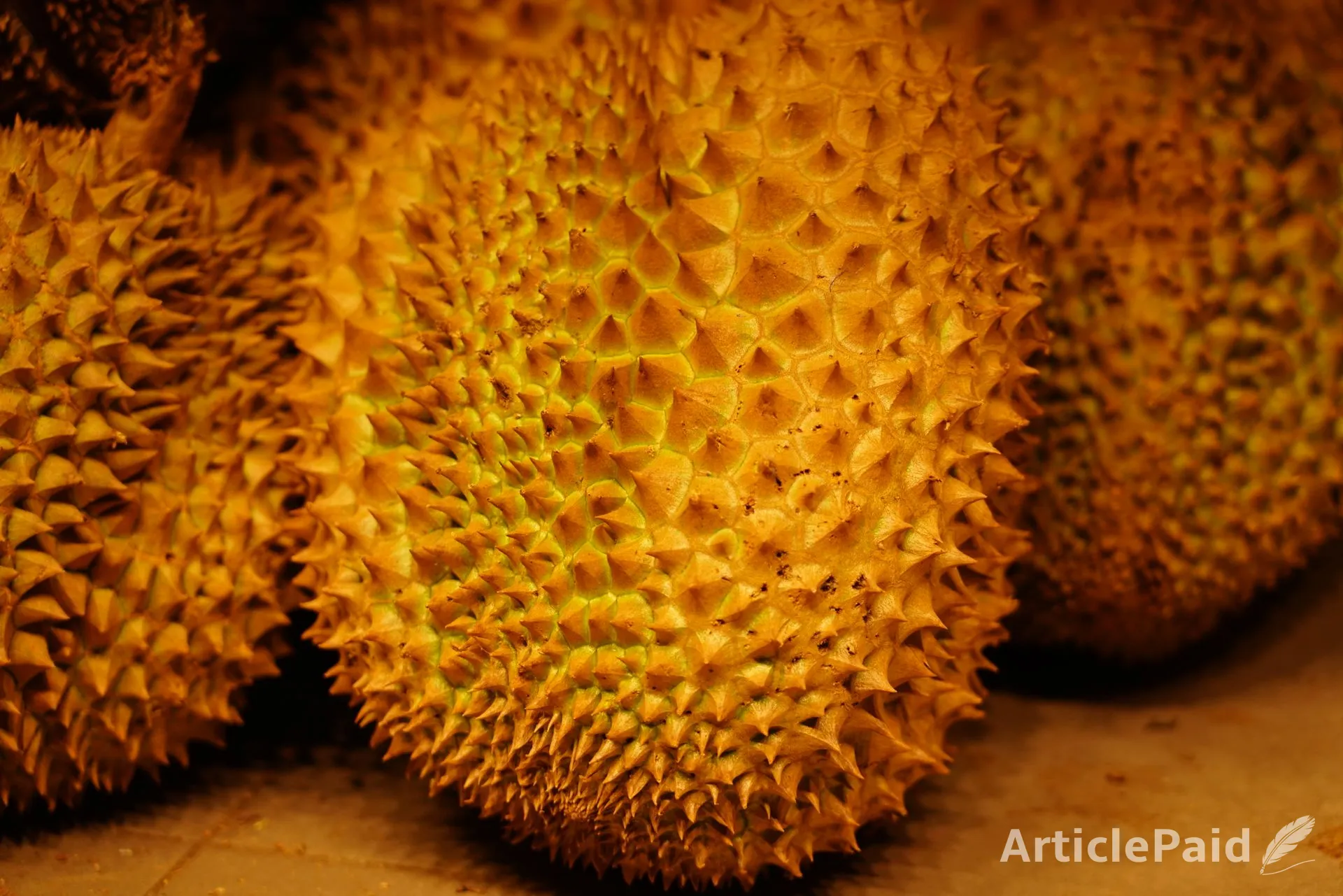
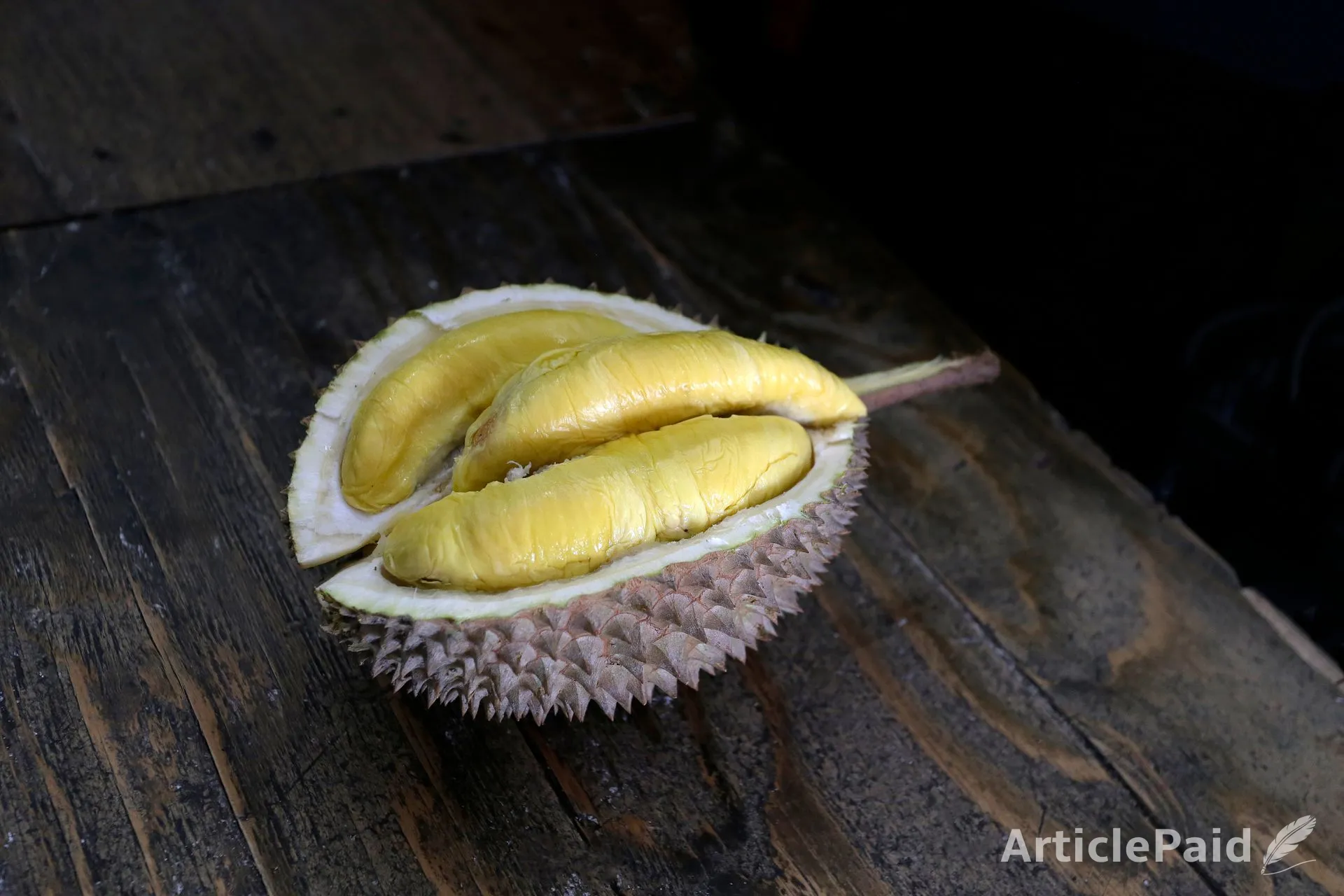
Lai fruit is a tropical fruit enjoyed by many people in Indonesia, particularly in parts of Kalimantan. Known scientifically as Durio kutejensis, this fruit belongs to the same genus as durian. However, lai has its own characteristics, including yellow-orange flesh, a distinctive aroma, and a naturally sweet flavor.
For many families, eating lai fruit is part of enjoying the tropical fruit season. It is commonly eaten fresh and appreciated for its taste. However, people living with kidney disease may need to pay closer attention to their food choices, especially when eating fruits that have not been extensively studied.
The kidneys play an important role in maintaining the body's mineral balance. When kidney function declines, the body may have difficulty removing certain substances from the blood. Potassium is one example of a mineral that may require careful monitoring in some people with chronic kidney disease.
Does this mean people with kidney disease should avoid lai fruit completely? Not necessarily. The answer depends on their kidney function, blood test results, dietary restrictions, and overall health.
Understanding the possible concerns can help people make more informed decisions without unnecessarily restricting their diets.
1. Understanding Lai Fruit and Its Nutritional Characteristics
Lai fruit is a traditional tropical fruit that grows in parts of Southeast Asia. It is especially familiar to communities in Kalimantan, where it is valued for its flavor and seasonal availability.
Although lai and durian belong to the same botanical genus, they are different fruits. Lai generally has yellow to orange flesh, while its aroma and flavor can differ from those of common durian varieties.
Like other fruits, lai contains natural sugars, water, and various nutrients. Its nutritional composition makes it an interesting subject for further research.
What Nutrients Does Lai Fruit Contain?
The exact nutritional composition of lai can vary depending on its variety, maturity, growing conditions, and storage.
Research on Kalimantan lai fruit has examined some of its nutritional characteristics, including moisture, protein, fat, and vitamin content.
However, detailed information about its mineral composition is still limited. In particular, reliable potassium and phosphorus measurements per serving are needed before specific dietary recommendations can be established.
This distinction is important for people with kidney disease because not every fruit has the same nutritional profile.
Why Is This Information Important for Kidney Patients?
People with healthy kidneys can generally regulate potassium levels effectively through normal kidney function.
However, damaged kidneys may not remove excess potassium as efficiently. Depending on the severity of kidney disease, potassium can accumulate in the bloodstream.
For this reason, understanding the mineral content of foods is particularly important for individuals who have been advised to follow a potassium-restricted diet.
2. Why People With Kidney Disease Need to Monitor Their Diet
The kidneys perform several essential functions that support overall health.
They remove waste products from the blood, regulate fluid levels, help maintain mineral balance, and contribute to blood pressure regulation.
When kidney function becomes impaired, these processes may become less effective.
As a result, some people with chronic kidney disease need to adjust their daily food intake.
The Role of Potassium in the Body
Potassium is an essential mineral that helps regulate muscle contractions, nerve signals, and normal heart function.
In healthy individuals, the kidneys help maintain potassium within an appropriate range.
However, people with advanced kidney disease may have difficulty removing excess potassium.
This can lead to hyperkalemia, a condition in which potassium levels in the blood become too high.
Severe hyperkalemia can interfere with normal heart rhythm and may become a medical emergency.
Because the potassium content of lai fruit has not been adequately documented, people who need to limit potassium should avoid assuming that large servings are automatically safe.
Kidney Disease Does Not Affect Everyone in the Same Way
One important fact is that kidney disease does not create identical dietary requirements for everyone.
A person with early-stage chronic kidney disease may have normal potassium levels and may not need to restrict potassium intake.
Someone with advanced kidney disease, however, may require much closer monitoring.
Medications, diabetes, blood pressure, and laboratory results can also influence dietary recommendations.
Therefore, dietary decisions should be based on individual medical needs rather than general food restrictions.
3. Potential Risks of Eating Too Much Lai Fruit
There is currently insufficient clinical evidence showing that lai fruit directly damages the kidneys.
However, several nutritional considerations deserve attention, particularly for people who already have dietary restrictions.
Possible Contribution to High Potassium Intake
The first consideration is the uncertainty surrounding the potassium content of lai fruit.
If a fruit contains a meaningful amount of potassium, eating large portions may contribute to a person's total daily potassium intake.
This may matter for people with reduced kidney function who have difficulty maintaining normal potassium levels.
Nevertheless, it would be inaccurate to claim that lai fruit definitely causes hyperkalemia.
More detailed nutritional testing and clinical research are necessary to establish its actual contribution to potassium intake.
Natural Sugar and Blood Glucose Levels
Lai fruit has a naturally sweet flavor, indicating that it contains natural sugars.
For people with diabetes, monitoring carbohydrate intake is an important part of managing blood glucose levels.
This matters because diabetes is one of the leading causes of chronic kidney disease.
Eating large portions of sweet fruit may contribute to higher blood glucose levels, depending on the quantity consumed and the individual's metabolic response.
However, natural fruit does not need to be completely eliminated from a diabetes-friendly diet.
Moderate portions and an appropriate overall eating pattern are generally more useful than unnecessary food restrictions.
Digestive Discomfort From Excessive Consumption
Eating too much fruit in one sitting may cause digestive discomfort in some individuals.
Possible symptoms include bloating, abdominal discomfort, and changes in bowel movements.
These effects are not unique to lai fruit and are not specific signs of kidney damage.
People should pay attention to how their bodies respond to different foods and avoid excessive portions.
4. Should People With Kidney Disease Avoid Lai Fruit Completely?
The answer depends on the individual's medical condition.
It is a common misconception that everyone with kidney disease must avoid all fruits.
In reality, many people with chronic kidney disease can enjoy a variety of fruits as part of a balanced diet.
The important consideration is whether a particular fruit fits their nutritional requirements.
People With Early-Stage Kidney Disease
People with early-stage kidney disease may not need to restrict potassium if their blood potassium levels remain within the recommended range.
Their dietary requirements should be evaluated based on kidney function, laboratory results, and other health conditions.
Because lai fruit does not have a sufficiently established mineral profile, people who want to eat it regularly should discuss it with a qualified dietitian.
People With Advanced Kidney Disease
People with advanced kidney disease may have greater difficulty regulating potassium and fluid levels.
Some may need to follow specific dietary restrictions to reduce the risk of complications.
For these individuals, eating unfamiliar fruits in large quantities without knowing their nutritional composition is not a sensible approach.
A kidney dietitian can help determine which fruits are appropriate.
People Receiving Dialysis
People receiving dialysis often have individualized dietary requirements.
Their potassium needs may depend on laboratory results, dialysis schedules, treatment effectiveness, and other medical factors.
Some patients may need to limit certain foods, while others may have more flexibility.
Therefore, people receiving dialysis should follow the recommendations provided by their kidney care team.
5. Practical Precautions Before Eating Lai Fruit
People with kidney disease do not need to make food decisions based on fear.
A more useful approach is to understand their nutritional needs and seek reliable medical guidance.
The following precautions may help.
Check Your Latest Blood Test Results
Blood potassium levels can provide important information about whether someone needs to limit potassium-containing foods.
People with kidney disease should discuss their latest laboratory results with their healthcare provider.
It is important to remember that high potassium does not always cause obvious symptoms.
Therefore, feeling healthy does not necessarily mean potassium levels are normal.
Be Careful With Portion Sizes
Eating excessive amounts of any food can make it more difficult to maintain a balanced diet.
People with kidney disease should pay attention to the quantity and frequency of foods they consume.
However, because the exact potassium content of lai fruit is not sufficiently established, there is no scientifically confirmed serving size that can be recommended for all kidney patients.
A healthcare professional can help determine whether it is appropriate for an individual's dietary plan.
Do Not Assume That Natural Foods Are Always Suitable
Natural foods can contain nutrients that certain individuals need to limit.
This applies to many fruits, vegetables, nuts, and other plant-based foods.
The fact that a food is natural does not automatically mean that it is suitable for every medical condition.
The goal should be to choose foods according to individual nutritional requirements rather than following assumptions.
Ask a Kidney Dietitian for Guidance
A registered dietitian who specializes in kidney health can provide more specific advice.
They can evaluate kidney function, potassium levels, diabetes status, medications, and other dietary factors.
This makes it easier to develop an eating plan that supports health without eliminating unnecessary food choices.
6. Fruit Choices That May Be Suitable for Some Kidney Patients
For people who have been advised to limit potassium, certain fruits are commonly included in lower-potassium dietary plans.
Examples include apples, grapes, pineapple, blueberries, cranberries, pears, and peaches.
These fruits can provide variety while helping some individuals manage their potassium intake.
However, they should not be considered universally safe for every person with kidney disease.
Portion sizes still matter, and individual dietary requirements can vary.
People with kidney disease should also avoid following restrictive food lists without discussing them with their healthcare provider.
A balanced eating plan should provide adequate nutrition while considering the person's medical condition.
7. Why More Research on Lai Fruit Is Needed
Lai fruit is an important part of the food culture in some Indonesian communities.
Despite its popularity, detailed scientific information about its nutritional composition remains limited compared with more widely studied fruits.
More research could help establish its potassium, phosphorus, carbohydrate, and other nutrient content across different varieties and stages of maturity.
Such information would be particularly useful for people with chronic health conditions who need to make careful dietary decisions.
It would also help healthcare professionals provide more accurate advice about traditional foods.
Until more evidence becomes available, people should avoid making extreme assumptions about lai fruit and kidney health.
There is a meaningful difference between identifying a possible nutritional concern and proving that a particular food causes harm.
Recognizing that difference is important when discussing health information responsibly.
Frequently Asked Questions
1. Is Lai Fruit Dangerous for People With Kidney Disease?
There is currently insufficient clinical evidence to conclude that lai fruit is dangerous for everyone with kidney disease. However, people who need to limit potassium should be cautious because its exact mineral composition is not well established.
2. Can People With Chronic Kidney Disease Eat Lai Fruit?
Possibly. It depends on kidney function, blood potassium levels, and individual dietary restrictions. People with chronic kidney disease should consult their healthcare provider before making lai fruit a regular part of their diet.
3. Does Lai Fruit Contain Potassium?
Like many plant-based foods, lai may contain potassium. However, reliable information about its exact potassium content per serving remains limited.
4. Can Eating Too Much Lai Fruit Affect Kidney Health?
There is no established clinical evidence showing that excessive lai consumption directly damages the kidneys. Nevertheless, people with kidney disease should consider their overall nutritional intake and avoid excessive consumption of foods with uncertain mineral content.
5. Which Fruits Are Commonly Considered Lower in Potassium?
Apples, grapes, pineapple, blueberries, pears, and cranberries are commonly included among lower-potassium fruit choices. Suitable portions depend on individual medical needs.
6. Should People Receiving Dialysis Avoid All Sweet Fruits?
No. People receiving dialysis do not automatically need to avoid every sweet fruit. Their dietary choices should be based on potassium levels, blood glucose, treatment requirements, and professional nutritional guidance.
7. What Should I Do If I Am Unsure Whether Lai Fruit Is Suitable for Me?
Discuss your dietary concerns with your healthcare provider or a kidney dietitian. They can review your laboratory results and help determine whether lai fruit is appropriate for your eating plan.
Final Thoughts
Lai fruit is a familiar tropical food that many people enjoy, but people living with kidney disease may need to pay closer attention to their dietary choices.
The main concern is not that lai fruit has been proven to damage the kidneys. Rather, its detailed mineral composition has not been sufficiently documented to provide specific recommendations for people who need to restrict potassium.
This uncertainty should be treated responsibly.
People with kidney disease should avoid unnecessary dietary restrictions while also being careful about foods that may affect their medical condition.
Understanding laboratory results, choosing appropriate portions, and seeking professional nutritional advice can help people maintain a balanced diet.
Ultimately, good kidney health is not about being afraid of every food. It is about making informed decisions based on reliable evidence and individual health needs.
Medical Disclaimer: This article is intended for general educational purposes only. It does not replace professional medical advice, diagnosis, or treatment. People with chronic kidney disease should consult their healthcare provider or a registered renal dietitian before making significant dietary changes.
References
1. National Institute of Diabetes and Digestive and Kidney Diseases (NIDDK) – Educational information about healthy eating and chronic kidney disease.
2. National Kidney Foundation (NKF) – Educational information about potassium and kidney health.
3. MedlinePlus – Medical information about dietary considerations for chronic kidney disease.
4. Research literature on the nutritional characteristics of Kalimantan lai fruit (Durio kutejensis), including preliminary nutritional analysis published in 2024.













Responses (0)