Can Papaya Support Stronger Bones? 7 Benefits to Know
When people think about foods that support strong bones, milk, cheese, and leafy green vegetables often come to mind. Ho

In this article 12 sections
- 1. Vitamin C Helps Support Collagen Production
- 2. Papaya Provides Antioxidants That Support Overall Health
- 3. It Contains Small Amounts of Bone-Related Minerals
- 4. Vitamin C Helps Maintain Healthy Connective Tissue
- 5. Papaya Can Be Part of a Balanced Diet
- 6. Its Fiber Supports Digestive Health
- 7. It Is an Easy Fruit to Add to Your Daily Meals
- Here are a few simple ideas:
- How Much Papaya Should You Eat?
- Other Important Nutrients for Strong Bones
- Who Should Be Careful When Eating Papaya?
- Final Thoughts
When people think about foods that support strong bones, milk, cheese, and leafy green vegetables often come to mind. However, fruits also play an important role in a balanced diet. One tropical fruit worth including is papaya.
Papaya is naturally sweet, refreshing, and packed with nutrients, including vitamin C, which helps the body produce collagen. Collagen is an important structural component of bone tissue.
Although papaya is not a major source of calcium or vitamin D, it can contribute to a healthy eating pattern that supports overall bone health. Understanding its nutritional benefits can help you make better food choices every day.
1. Vitamin C Helps Support Collagen Production
One of the most important nutrients in papaya is vitamin C.
Your body needs vitamin C to produce collagen, a protein that provides structure and support to bones and other connective tissues.
Bones are not made entirely of minerals. They also contain a collagen framework that contributes to their flexibility and structure.
Eating vitamin C-rich foods, including papaya, can help you meet your daily nutritional needs and support normal collagen production.
2. Papaya Provides Antioxidants That Support Overall Health
Papaya contains vitamin C and carotenoids, including beta-carotene, which the body can convert into vitamin A.
These nutrients contribute to the body's antioxidant defenses.
Antioxidants help protect cells from oxidative damage caused by unstable molecules called free radicals.
Although antioxidants are important for general health, eating papaya has not been proven to prevent osteoporosis or directly increase bone density.
3. It Contains Small Amounts of Bone-Related Minerals
Minerals are essential for maintaining healthy bones.
Calcium is especially important because it provides much of the mineral structure that makes bones hard and strong. Magnesium and phosphorus also contribute to normal bone function.
Papaya contains small amounts of minerals, including calcium, magnesium, and phosphorus.
However, it should not be considered a major mineral source. Foods such as milk, yogurt, fortified plant-based beverages, beans, nuts, and leafy green vegetables can help provide additional nutrients needed for bone health.
4. Vitamin C Helps Maintain Healthy Connective Tissue
Healthy bones depend on more than calcium alone.
Collagen is an important part of the body's connective tissues, including those found in bones, cartilage, skin, and tendons.
Vitamin C plays an essential role in collagen formation.
Including papaya in a varied diet is one practical way to obtain vitamin C from whole foods rather than relying entirely on supplements.
5. Papaya Can Be Part of a Balanced Diet
Maintaining healthy bones requires a combination of good nutrition and healthy lifestyle habits.
Papaya can make meals more enjoyable while adding natural sweetness, water, fiber, and beneficial nutrients.
You can enjoy it as a snack, add it to breakfast, or combine it with other nutritious foods.
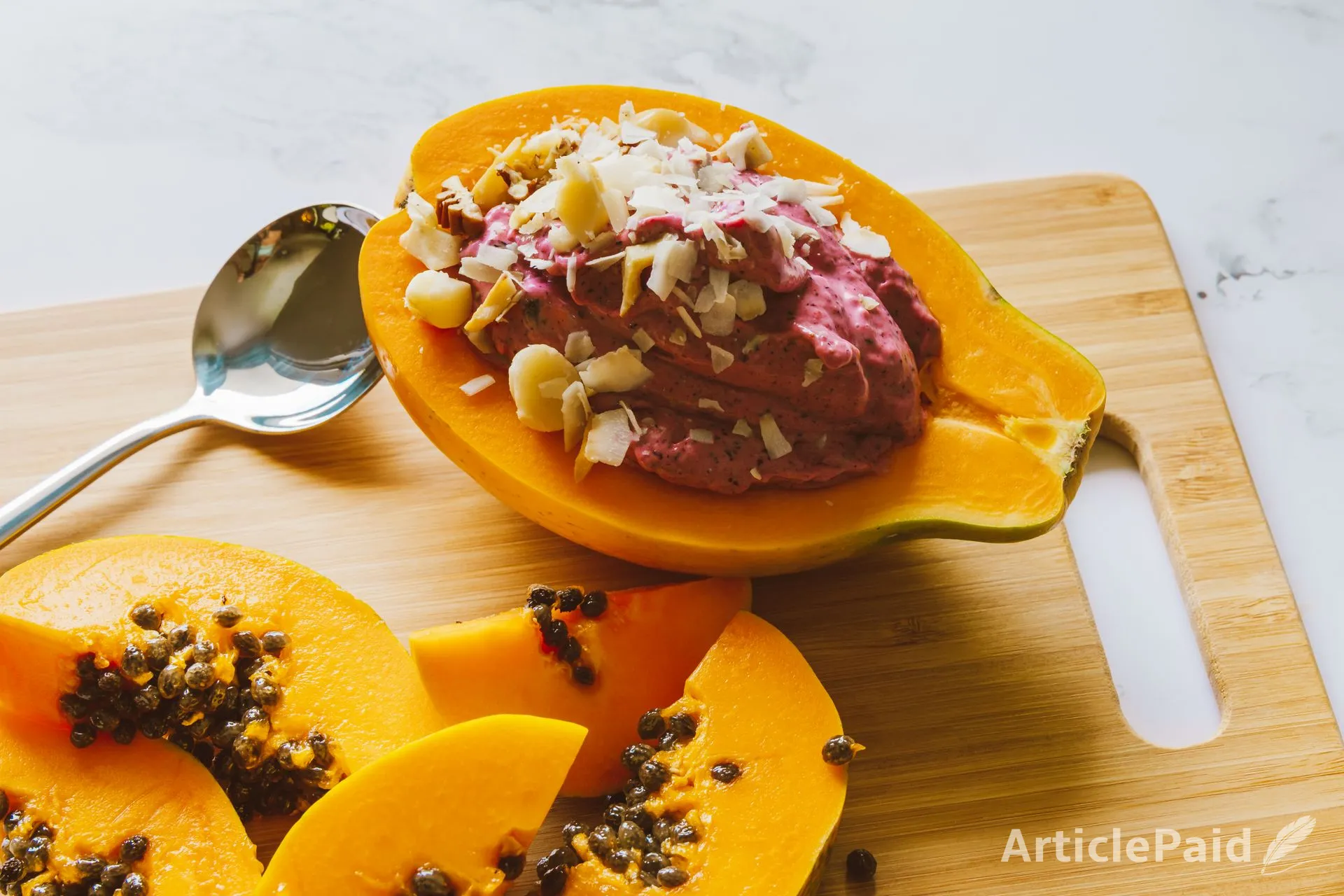
For example, a breakfast bowl containing papaya, plain yogurt, and nuts offers a combination of nutrients that can complement a bone-conscious eating pattern.
Yogurt provides calcium and protein, while papaya contributes vitamin C.
6. Its Fiber Supports Digestive Health
Papaya contains dietary fiber, which helps support normal digestion and bowel regularity.
A healthy digestive system is important for overall well-being and helps people maintain a varied, nutritious diet.
Although fiber does not directly strengthen bones, including fiber-rich fruits in your daily meals is part of a healthy eating pattern.
Papaya is an easy option for people who want to increase their fruit intake without choosing heavily processed snacks.
7. It Is an Easy Fruit to Add to Your Daily Meals
One advantage of papaya is how easy it is to prepare and enjoy.
You do not need complicated recipes or expensive ingredients to include it in your diet.
Here are a few simple ideas:
- Breakfast: Add fresh papaya cubes to plain yogurt.
- Afternoon snack: Enjoy a small bowl of chilled papaya.
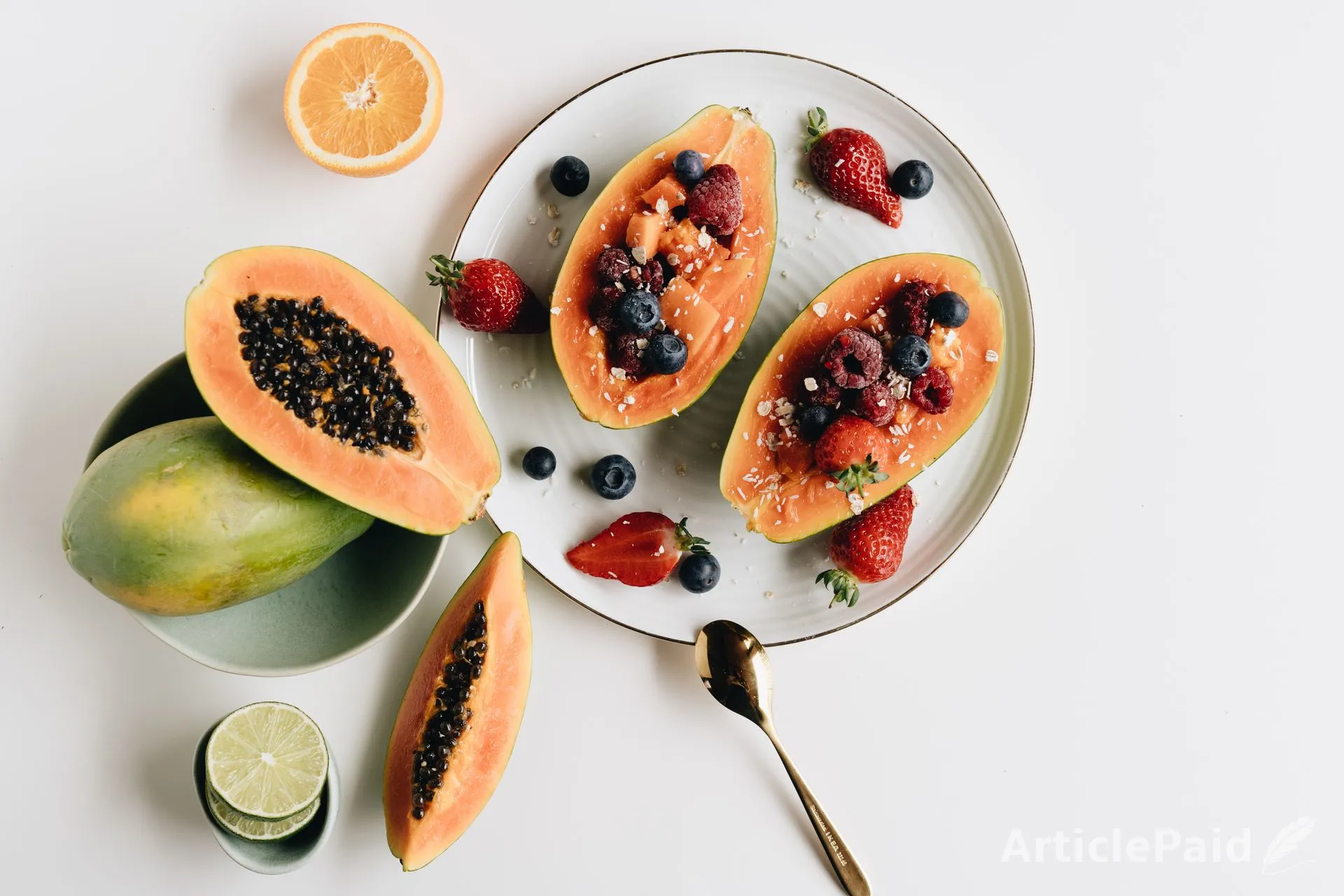
- Fruit salad: Combine papaya with strawberries, oranges, and other fresh fruits.
- Smoothie: Blend ripe papaya with plain yogurt and milk or a fortified milk alternative.
These simple combinations can help you enjoy a wider variety of nutrients throughout the day.
How Much Papaya Should You Eat?
There is no specific daily papaya serving proven to improve bone strength.
A reasonable approach is to include a serving of fresh papaya as part of your usual fruit intake.
For example, approximately one cup of cubed papaya can be a convenient snack or breakfast addition.
Remember that eating more papaya does not automatically mean having stronger bones. Overall dietary variety and healthy lifestyle habits matter much more than any single food.
Other Important Nutrients for Strong Bones
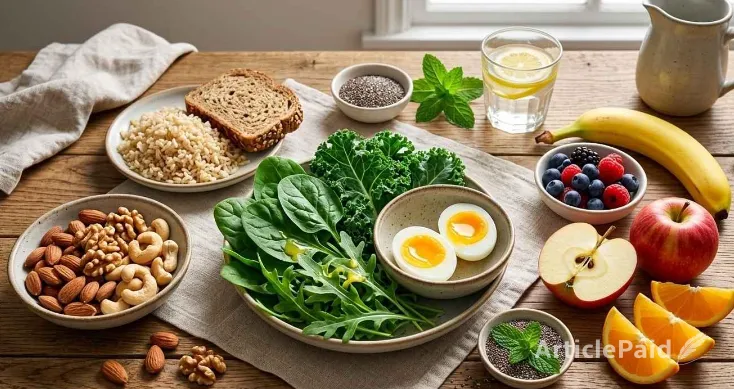
While papaya offers useful nutrients, several other nutrients deserve attention when planning a bone-friendly diet.
Calcium: Helps provide the mineral structure of bones. Good sources include dairy products, calcium-fortified beverages, tofu made with calcium, and certain leafy greens.
Vitamin D: Helps the body absorb calcium. Sources include fatty fish, fortified foods, and appropriate sunlight exposure.
Vitamin K: Helps activate proteins involved in normal bone metabolism. Green leafy vegetables are particularly useful sources.
Protein: Provides building blocks for bone and muscle tissue. Eggs, fish, beans, poultry, and dairy products are practical options.
Regular weight-bearing physical activity, such as walking and resistance exercise, can also help maintain bone health.
Who Should Be Careful When Eating Papaya?
Ripe papaya is generally safe for most people when eaten as a regular food.
However, people with a papaya or latex allergy should be cautious because allergic reactions are possible.
People with diabetes may also want to consider portion sizes and include fruit as part of an overall balanced eating plan.
If you take medications or have a medical condition that affects your diet, consult a qualified healthcare professional for personalized advice.
Final Thoughts

Papaya is a delicious tropical fruit that can contribute to a healthy diet. Its vitamin C content supports collagen production, while its antioxidants, fiber, and other nutrients provide additional nutritional value.
However, papaya is not a replacement for calcium-rich foods, vitamin D, or other nutrients needed for healthy bones.
The best approach is to enjoy papaya alongside a varied diet, regular physical activity, and other healthy daily habits.
Small, consistent food choices can make a meaningful contribution to your overall well-being.










Responses (0)