The Must-Eat Fall & Winter Fruit: Great for Blood Sugar, Heart and Immunity

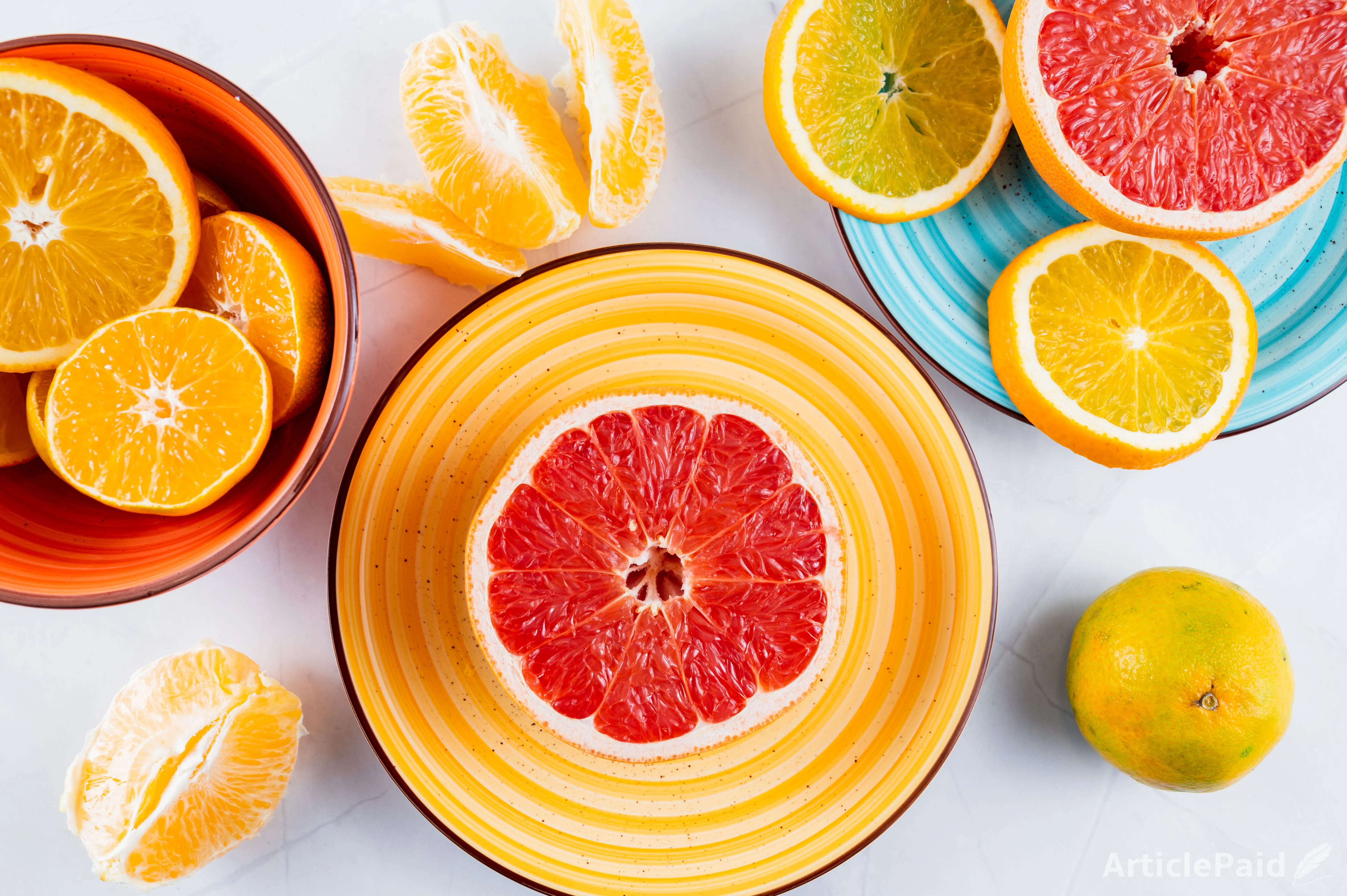
When cool north winds blow, pomelos come into season. Wrapped in their thick rind, these fruits are little nutritional powerhouses gifted by nature, perfect for supporting wellness through fall and winter.
1.The Health Benefits of Pomelo
(1)High water content
Pomelo is incredibly hydrating, with its flesh consisting of roughly 89% water. During the dry, cool fall and winter months, eating pomelo regularly helps replenish your body’s moisture. It also stores extremely well: kept whole in a cool, shaded spot, an unpeeled pomelo can stay fresh for around a month. Whenever you peel it, the flesh remains juicy, almost as fresh as the day it was harvested.
(2)Low in calories
Pomelo is very low-calorie — less than half the calories of bananas. It’s an excellent fruit choice for anyone managing their weight. In fall and winter, when many people tend to gain extra pounds, you can enjoy pomelo in moderation without worrying about weight gain.
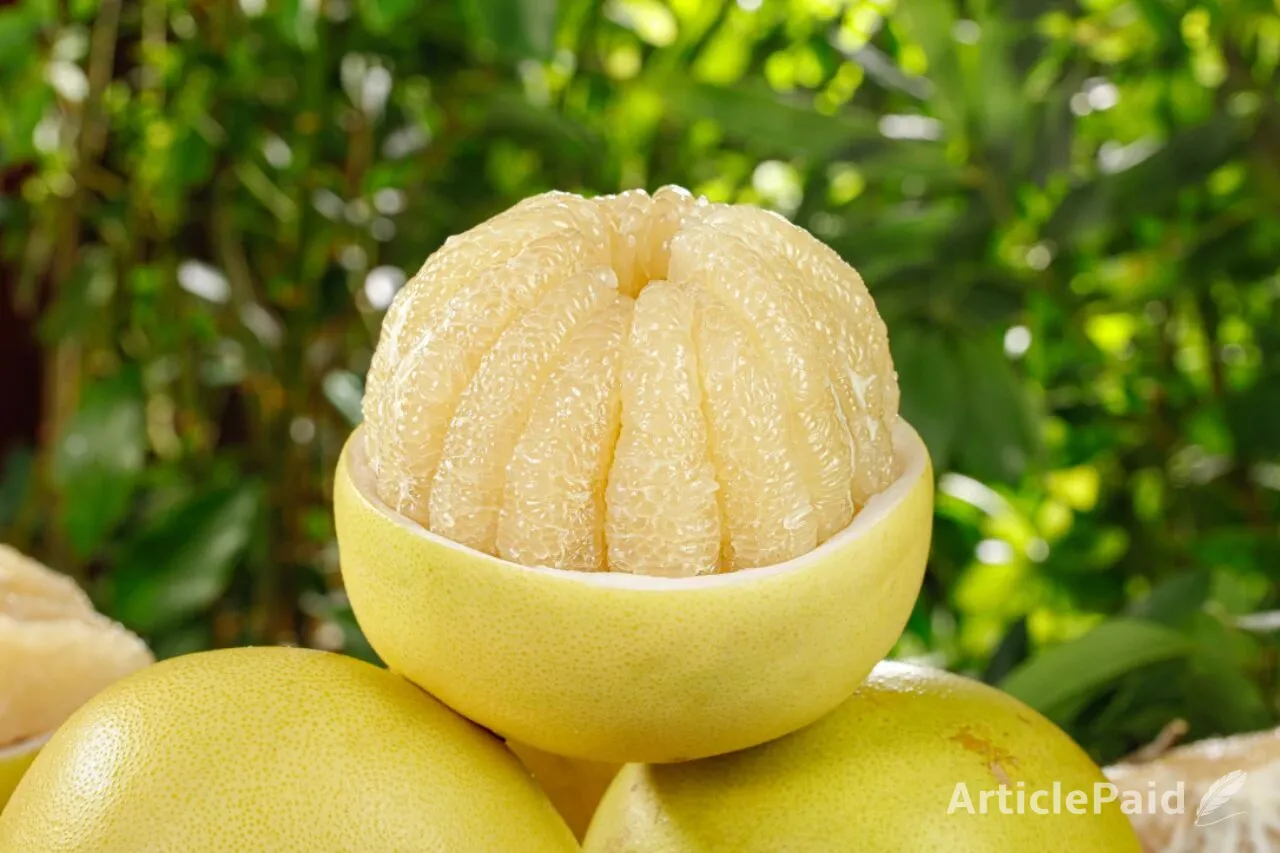
(3)Gentle on blood sugar
Pomelo has a glycemic index (GI) of just 25, placing it firmly in the low-GI fruit category. General dietary guidance recommends adults eat 200–350 grams of fruit per day. Even at the upper limit of 350 grams, its glycemic load works out to only 7.3, meaning it barely spikes blood sugar. It makes a safe snack between meals.
(4)Packed with vitamin C
Pomelo contains about 23 mg of vitamin C per 100 g, comparable to lemons at 22 mg per 100 g. Unlike tart lemons that most people can only eat in small amounts, you can enjoy big, satisfying chunks of pomelo. A 350 g serving delivers 80.5 mg of vitamin C, covering more than 80% of an adult’s daily recommended intake. Its vitamin C holds up well even after weeks of storage, supporting your immune system to fight off germs.
Beyond vitamin C, pomelo supplies B1, B2, calcium, magnesium and potassium. It is especially high in potassium and low in sodium, which supports healthy blood pressure and lowers the risk of cardiovascular issues.

2.Nutritional Differences Between Varieties
Pomelos with differently colored flesh offer unique nutritional perks. Yellow-fleshed pomelos contain higher total carotenoids, including beta-carotene and alpha-carotene. These compounds convert into vitamin A inside your body, benefiting your eyes and skin. Red-fleshed pomelos are rich in lycopene, a powerful antioxidant that eases inflammation and protects blood vessels.
Among this family, the grapefruit stands apart. Though its name sounds similar, it is not a true pomelo — it is a cross between sweet oranges and wild pomelos. Grapefruit contains high levels of furanocoumarins. This compound interferes with how many medications break down in your body, including blood pressure drugs, cholesterol-lowering medicine and antidepressants.
If you take prescription medication, avoid grapefruit. While regular pomelos carry much lower furanocoumarin levels, they may still interact with these medicines, so people on ongoing prescriptions are advised to skip them as well.

3.The Rind Is Nutritious Too
Most people toss the rind once they finish the fruit, but pomelo peel is surprisingly nutrient-dense. It is loaded with dietary fiber and flavonoids such as naringin and rutin, which deliver strong antioxidant benefits for your body.
There are many tasty ways to use pomelo rind. Scrape away the bitter white pith, cut the peel into thin strips and simmer it in water. Combine it with pomelo flesh and a light drizzle of honey to make pomelo honey tea. Go easy on the honey, though, to avoid excess sugar and unwanted weight gain.
You can also cook pomelo peel alongside meats. Its bright, citrusy aroma pairs beautifully with pork and ribs, balancing richness with a fresh, distinctive flavour.












Responses (0)