Honey Never Spoils and Jars Over Three Thousand Years Old

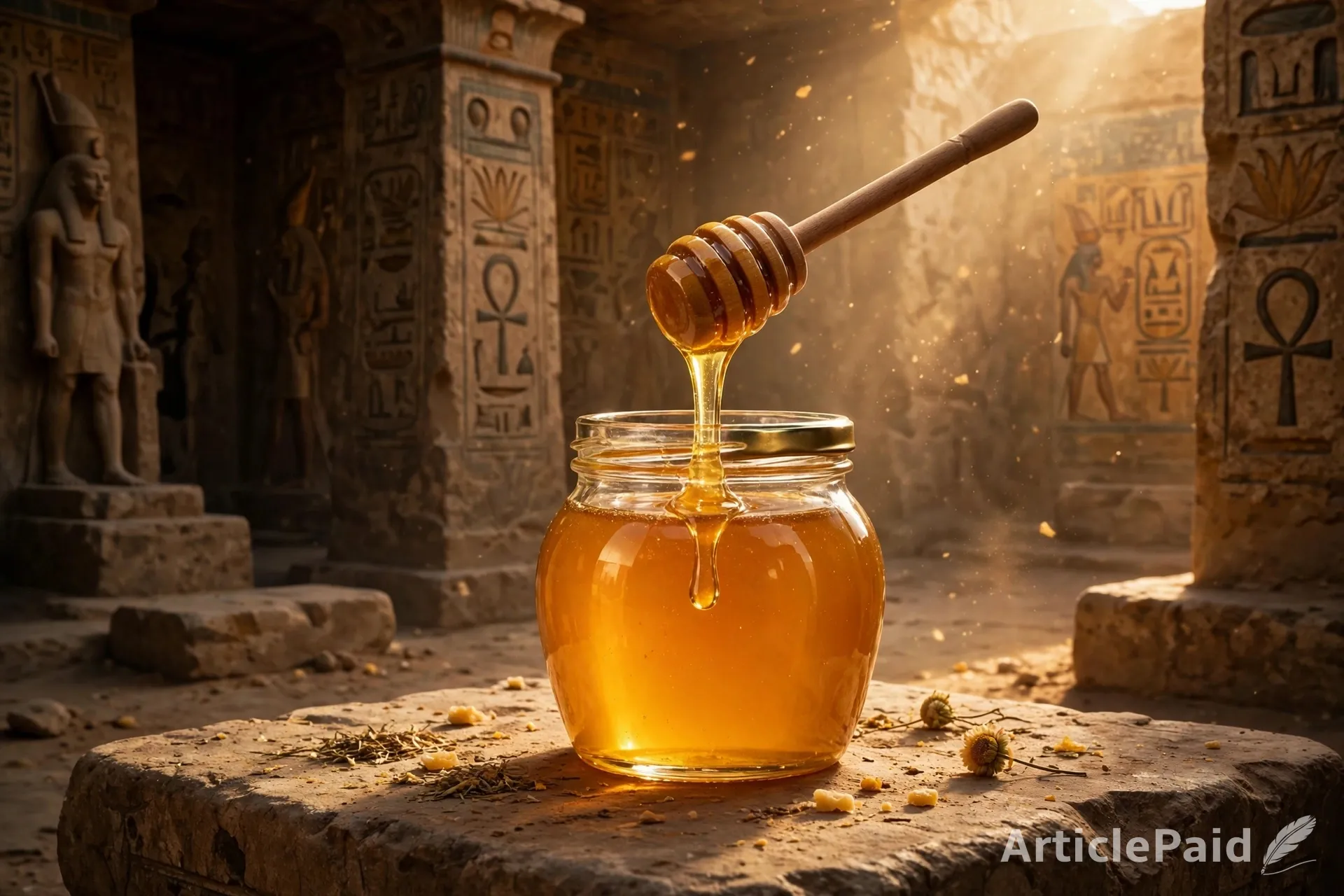
Honey is one of the most fascinating foods found in nature. When stored correctly, honey will not go off, and can be kept for an incredibly long time. Archaeologists have found jars of honey in tombs in Egypt which can be over 3000 years old!
An Ancient Food With an Extraordinary History
Humans have been eating honey for thousands of years. Before we had modern-day sugar production, people would collect wild honey from beehives and use it as a food source, medicine and offering in religious ceremonies. Ancient Egyptians held honey in such high regard that they would put supplies of honey in tombs.
Honey was commonly used by Ancient Greeks, Romans, Chinese and South Asians. It was used in cooking, traditional medicines and beauty treatments. Due to its long shelf life, honey became incredibly important in times when we didn’t have refrigeration.
Its discovery in tombs in Egypt has caused quite a stir!
Why Can Honey Last for Thousands of Years?
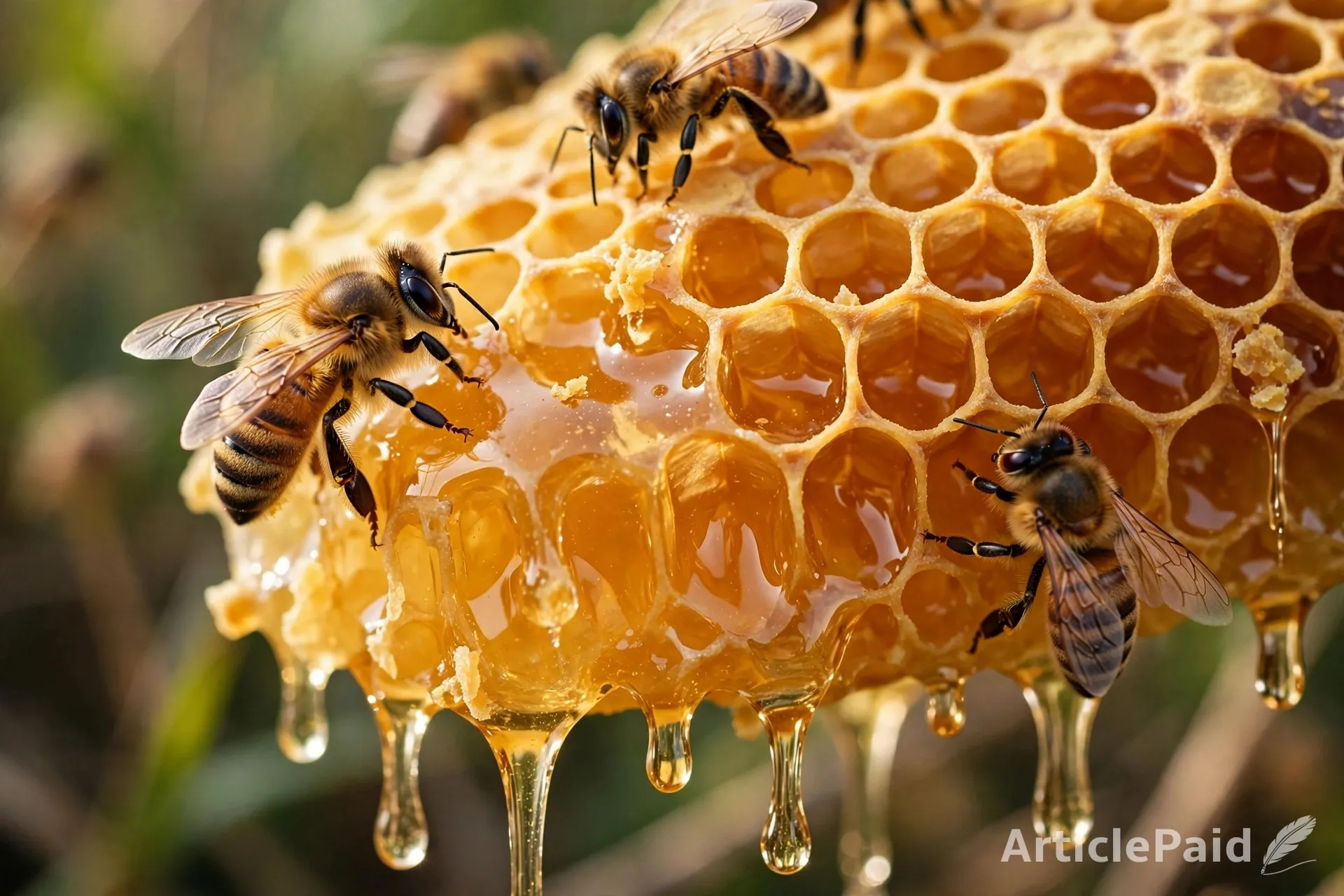
Honey can last for such a long time due to its chemical composition. Below are a few reasons why.
1. Low Water Content
Honey doesn’t contain much water at all. Fresh honey will contain some moisture but generally only contains around 17-20% water. This means that most bacteria won’t be able to grow within the honey.
Microorganisms require free water to survive. As honey contains very little free water, it will naturally protect itself from most spoilage.
2. Natural Acidity
Honey is naturally acidic. It will have a pH level of between around 3.2 and 4.5 depending on the flower type.
This means that many types of bacteria will struggle to grow.
3. High Sugar Content
Honey is made up mainly of natural sugars including fructose and glucose. These create a highly concentrated solution which will pull moisture away from microorganisms (osmosis).
This means that many bacteria won’t be able to survive or grow within properly stored honey.
4. Natural Antibiotics
Honey does contain traces of naturally occurring antibiotics. One of the most important is hydrogen peroxide which can be created by activating the enzyme ‘glucose oxidase’.
Some types of honey contain more plant-derived anti-bacterial ingredients.
All of these natural factors make honey one of the longest lasting foods found in nature.
How Can Honey Remain Preserved for Centuries?
Whilst honey has amazing natural preservatives, it’s important to store it correctly. It should be kept in a securely sealed jar to prevent moisture entering. Too much moisture can cause the honey to increase its water content and allow certain yeasts to grow.
It should also be stored in a clean, dry, airtight container. Ideally honey should be kept at a stable temperature. Avoiding direct sunlight and high temperatures will help keep its natural quality, taste and scent.
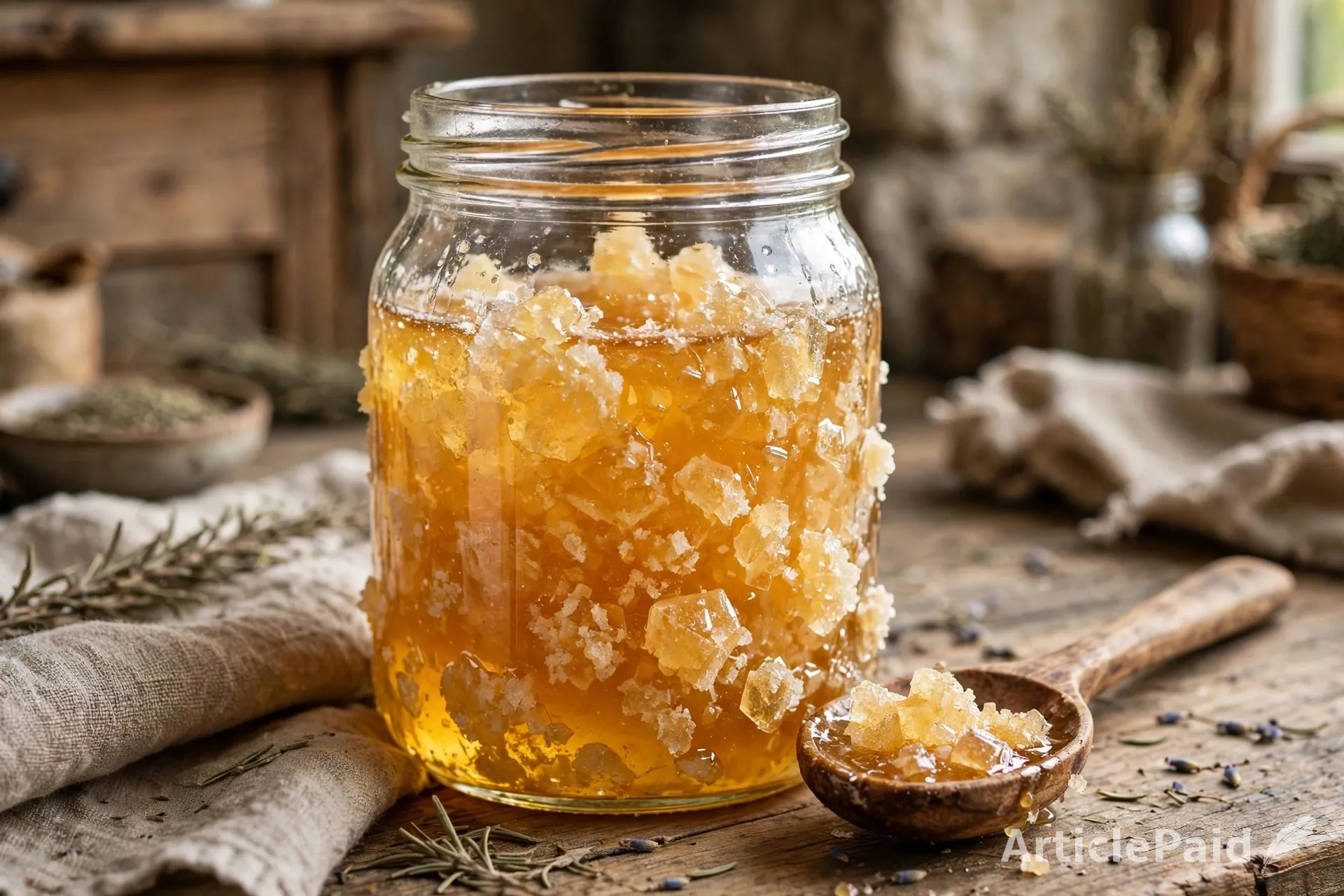
Interestingly, honey can sometimes turn cloudy or start to form solid crystals. This is known as crystallisation. This is completely natural and doesn’t mean the honey has gone off. How fast the honey crystallises will depend on the level of glucose, temperature and other natural factors.
If the honey has crystallised and you find it difficult to use you can place the jar in some warm water to slowly begin to melt the crystals.
Ancient Egyptian Tombs!
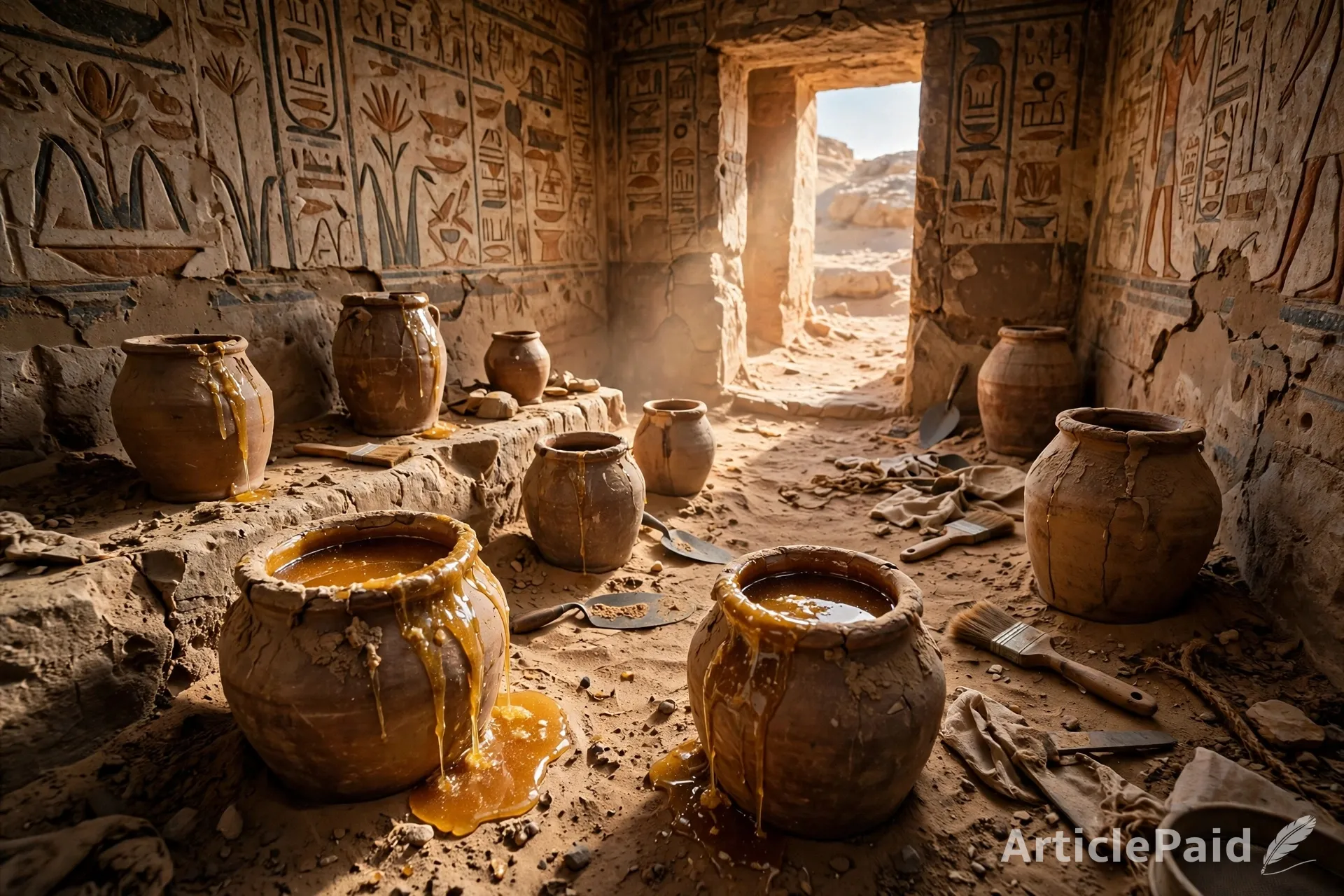
Some of the most interesting uses of honey can be seen in Ancient Egyptian Burial Practices. Sometimes jars of honey were placed in tombs as Egyptians believed it would be useful to have food and other items in the afterlife.
Whilst discovering ancient honey jars has led to the creation of stories about how the honey has lasted thousands of years, it’s important to remember that just because it was ancient, it doesn’t mean it is safe to eat. The original composition of the honey, the environment it was stored in, contamination and how well it has been preserved will all affect this.
However, this shows how amazing honey can be in terms of its preservation.
Is Honey Really Immortal?
Honey is often described as a food that will never expire. Whilst this is true for pure honey if stored correctly, it isn’t completely immortal.
Over time honey will darken, lose some of its natural scent and its taste will change. If too much moisture enters it can cause the honey to ferment. Contaminated or improperly stored honey can also make it unsuitable to eat.
It’s important to store and handle honey with care.
Conclusion
Honey is a fantastic example of how nature can create great preservation methods without using any artificial chemicals or complex technology. The low moisture content, high sugar levels, natural acidity and antibiotic properties all help to preserve the honey.
Discovering ancient jars of honey in tombs in Egypt reminds us that people thousands of years ago knew how valuable this golden ingredient was. Now, honey is enjoyed worldwide.
A simple jar of honey contains an amazing story. It links us to ancient civilisations and shows how a natural food can be preserved with its amazing properties for generations if handled and stored correctly.










Responses (1)