

Agentic AI represents the next evolution beyond generative tools like ChatGPT. These autonomous systems can reason, plan, adapt to new information, and execute multi-step workflows with minimal human intervention. In finance, this means moving from AI that summarizes reports to digital teammates that handle reconciliations, update forecasts, flag anomalies, and even initiate routine journal entries.
For CFOs navigating 2026’s volatile environment—marked by economic uncertainty, tighter regulations, and pressure for agility—agentic AI offers a compelling edge. Deloitte and Gartner reports highlight that finance leaders are shifting focus from pilots to production deployments, with agentic systems driving real-time decision-making and operational efficiency. Early adopters report significant time savings in high-volume tasks like invoice processing, intercompany reconciliations, and scenario modeling.
Key Use Cases Transforming Finance Functions
- Closing and Reporting: Agents can autonomously match transactions, standardize data from disparate ERPs, and prepare preliminary financial statements, reducing close cycles by days.
- Forecasting and Planning: By continuously ingesting market data and internal metrics, agentic AI delivers dynamic forecasts with built-in variance analysis and “what-if” simulations.
- Risk and Compliance: Systems detect anomalies in real time, automate compliance checks, and even draft audit trails—freeing teams for higher-value strategic work.
- Procurement and Working Capital: Agents negotiate routine vendor terms or optimize cash flows based on predefined rules and goals.
LVMH, for example, uses similar agents to adjust pricing dynamically in response to currency fluctuations, protecting margins in real time.
Challenges and ROI Realities
Despite the promise, many finance organizations struggle with ROI. Gartner notes that while adoption has doubled since 2023, a large percentage of initiatives still fail to deliver measurable impact due to fragmented data, poor governance, and integration hurdles. Agentic AI demands high-quality, unified data foundations—something many legacy systems lack.
Additional risks include over-automation without proper guardrails, leading to errors in regulated environments, and talent gaps. Successful implementations emphasize human + agent collaboration: AI handles repetitive or data-intensive tasks while humans provide oversight, ethical judgment, and strategic direction.
CFOs should prioritize:
- Starting with contained, high-ROI use cases (e.g., anomaly detection before full autonomous trading).
- Building robust governance frameworks with clear approval workflows and auditability.
- Measuring success beyond cost savings—track decision speed, accuracy, and strategic enablement.
The Path Forward
In 2026, agentic AI is no longer optional for competitive finance teams. Organizations that invest in clean data, strong governance, and thoughtful integration will see finance functions evolve from cost centers to strategic growth engines. Those that rush without foundations risk wasted spend and eroded trust.
CFOs who treat agentic AI as a true teammate—augmenting rather than replacing human expertise—will position their organizations for resilience and advantage in an increasingly complex landscape. The window to move from experimentation to scaled impact is now.
More from ArticlePaid

5 AI Tools YouTubers Can Use to Create Amazing Videos Faster
IntroductionFor many YouTubers, the process of creating a professional and high-quality YouTube video is laborious, involving hour...

AI Revolution: A Wake-Up Call to The Global Workforce
The AI revolution is here, as evidenced by the massive AI-powered technologies taking the universe by storm. At least every corner of the globe is awakenin
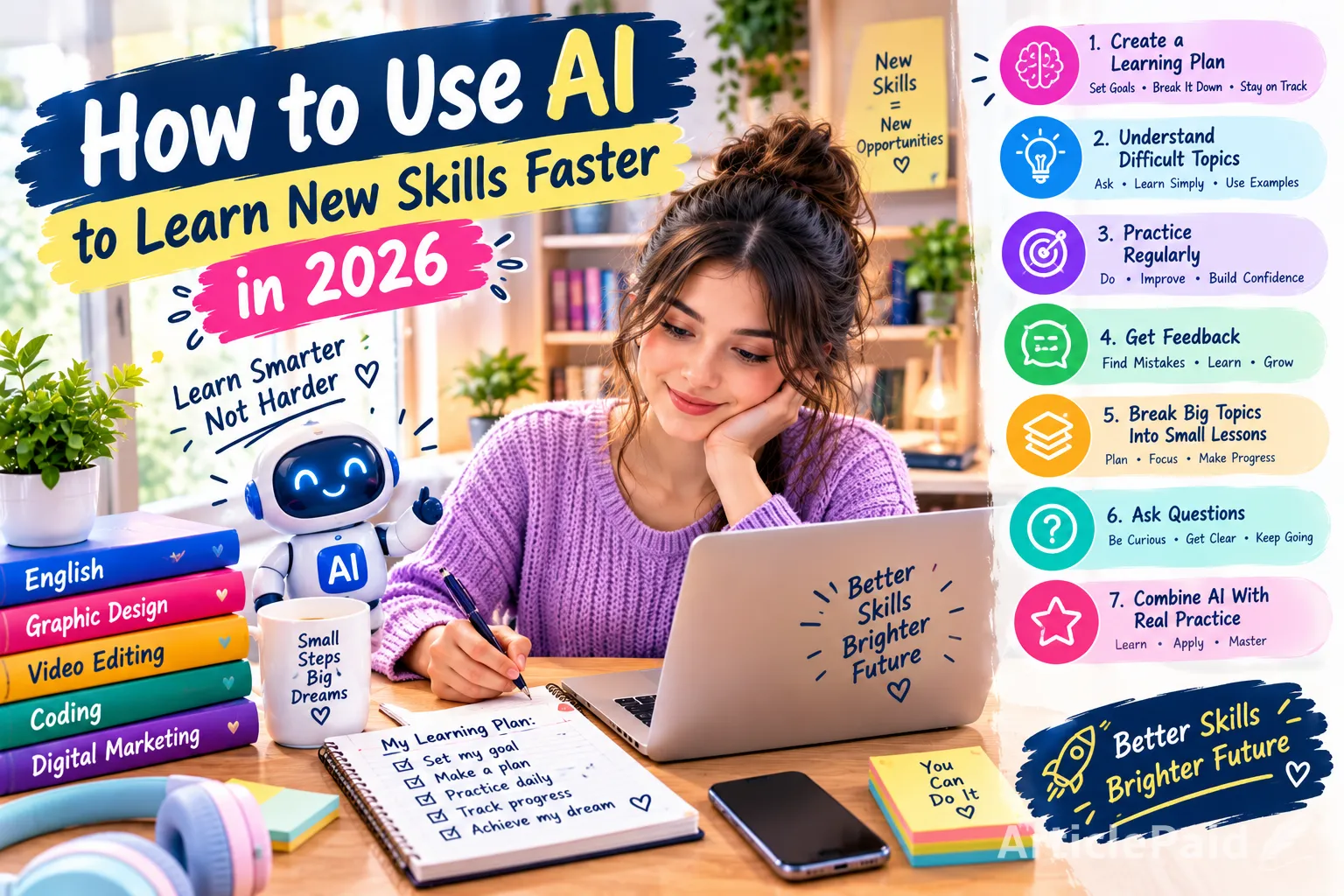
How to Use AI to Learn New Skills Faster in 2026
How to Use AI to Learn New Skills Faster in 2026Learning a new skill can be a challenging and time-consuming task. That is why man...
Revolutionary Inventions Shaping the Future of Technology an
Technology is evolving at an unprecedented pace, creating inventions that are transforming how we live, work, and interact with the world. From artificial

Top 10 Robotics Innovations Revolutionizing Industries Today
Discover the top 10 robotics innovations that are reshaping industries, from manufacturing and healthcare to agriculture and logistics.

AI Cursor Technology 2026 The Smart Cursor That Predicts Your Coming Move(Guide)
preface AI Cursor technology in 2026 is transubstantiating computing with smart robotization, prophetic int...

How Prompt Engineering Is Changing Writing Jobs in an AI-Driven World?
A few years ago, writing meant researching, outlining, drafting, and editing everything manually. Today, many writers begin with a...

Why conversational AI is replacing traditional search for many users
The way people find information online is changing faster than many expected. For more than two decades, traditional search engine...
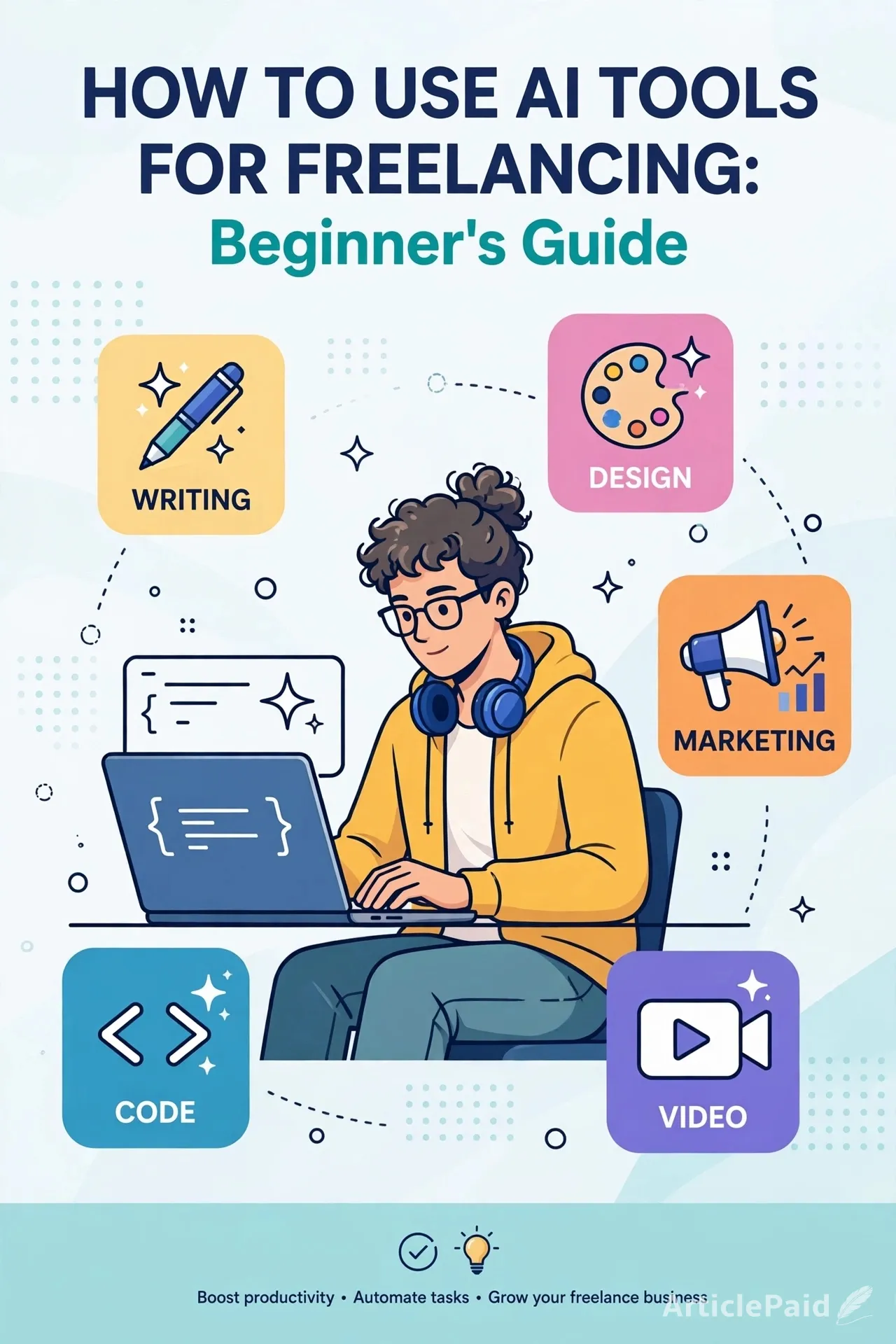
How to use AI Tools for Freelancing: Beginner’s Guide
IntroductionArtificial Intelligence (AI) tools are beneficial for freelancers as they simplify and automate work processes. Users ...
Weekly Top Articles

8 Methods to Write the Next Short Story After a Successful Hit
When Your Success Becomes Your Next ChallengeYou have published your first short story, and you feel proud to receive positive rev...

Why Saving Money Won't Make You Rich: 7 Ways to Wealth
Introduction: Will Saving Make You Richer?Everybody wants to leave school and enter a bright financial future. Most people think t...

Healthy soup for cold& cough- comforting Ginger Garlic soup
IntroductionWarm up with this easy, healthy and tasty homemade Ginger Garlic Soup. This soup has been made using fresh ingredients...
How Can I Use AI to Grow My Business and Make More Money in 2026?
IntroductionArtificial intelligence can make life easier for entrepreneurs, both big and small. Using artificial intelligence tool...
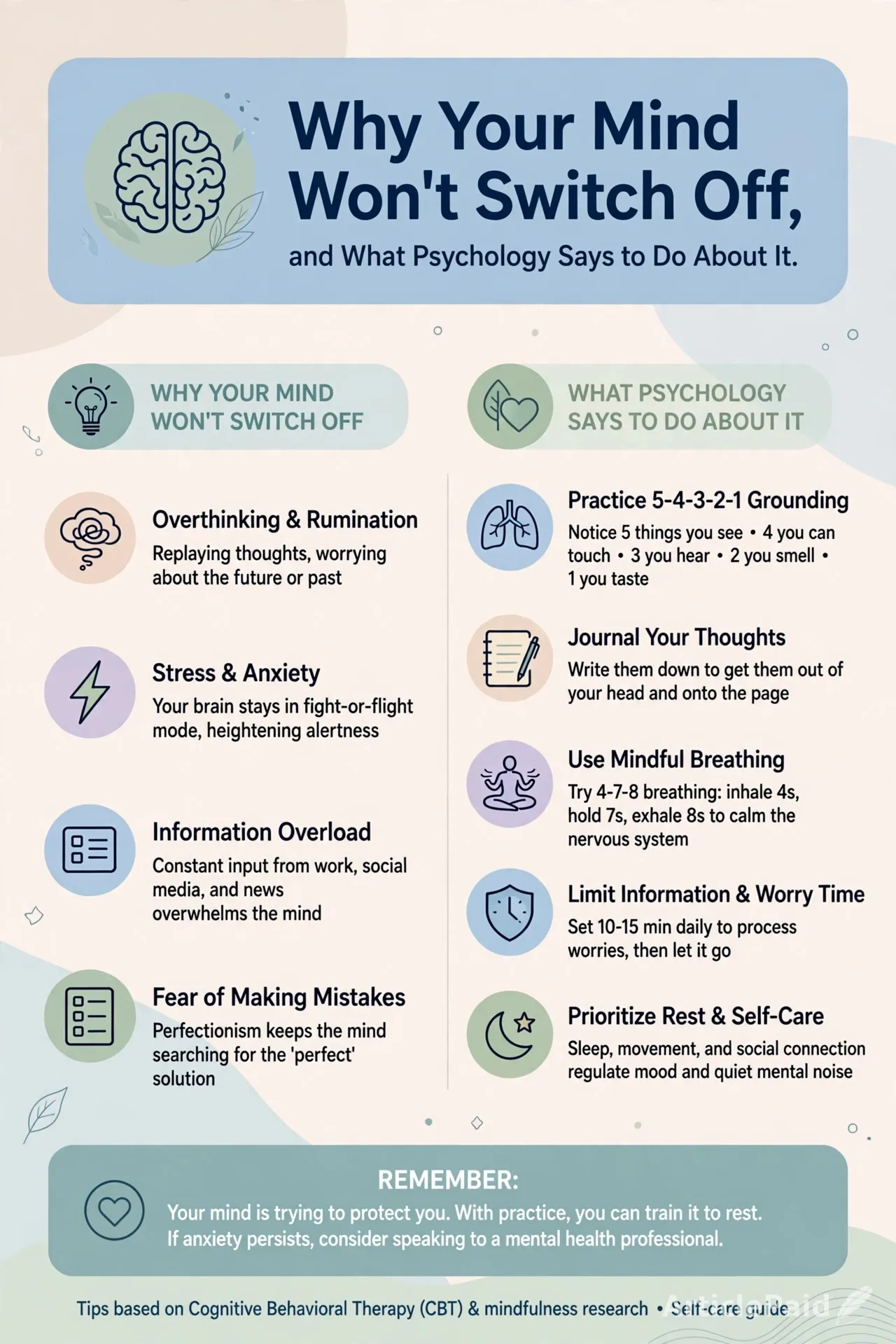
Why Your Mind Won't Switch Off, and What Psychology Says to Do About It
Last month's embarrassing text. Tomorrow's presentation. A decision you've already made but keep re-examining like it's evidence i...

Classic Caprese Salad: The Ultimate Healthy Dish Coursework
Introduction to Classic Caprese SaladClassic Caprese Salad is a traditional Italian dish made of fresh tomatoes, mozzarella cheese...







Responses (0)
Sign in to share your thoughts.
Sign in