
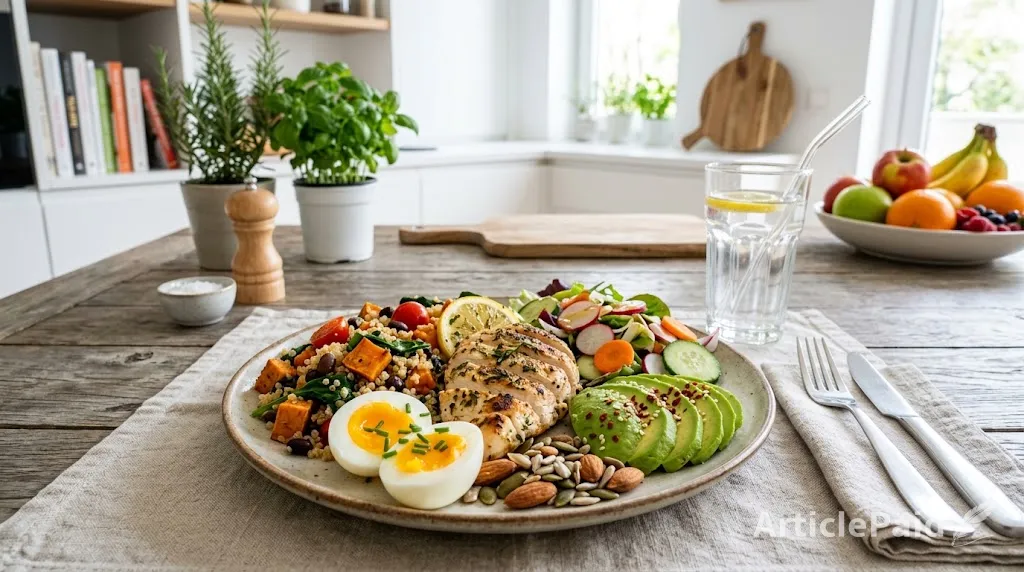
A balanced diet provides the nutrients our bodies need to support energy, growth, immunity, and overall well-being. For beginners, healthy eating does not have to mean following complicated meal plans or eliminating favorite foods. Instead, we can focus on eating a variety of nutritious foods in appropriate portions and developing sustainable habits.
A healthy eating pattern includes fruits, vegetables, whole grains, protein-rich foods, and healthy fats, along with enough fluids. By understanding the basic components of a balanced diet, we can make better everyday food choices without making meals unnecessarily complicated.
What Is a Balanced Diet?
A balanced diet means eating a variety of foods that collectively provide essential carbohydrates, protein, fats, vitamins, minerals, fiber, and fluids. No single food provides everything our bodies need, which makes variety an important part of healthy eating.
Rather than focusing on one specific food or nutrient, we can look at our overall eating pattern. A meal containing vegetables, whole grains, a protein source, and a small amount of healthy fat can provide a broad range of important nutrients.
Why a Balanced Diet Matters
A nutritious eating pattern can help us maintain energy throughout the day and support normal body functions. Adequate nutrition also contributes to healthy bones, muscles, digestion, and immune function.
Healthy eating is particularly effective when it becomes a long-term lifestyle rather than a short-term diet. Small, consistent improvements can be easier to maintain than restrictive plans.
The Main Components of Healthy Eating
1. Eat Plenty of Fruits and Vegetables
Fruits and vegetables are rich sources of fiber, vitamins, minerals, and plant compounds. We can include different colors and varieties throughout the week to increase dietary variety.
Fresh, frozen, and appropriately prepared canned options can all contribute to a healthy diet. We can add vegetables to soups, curries, sandwiches, rice dishes, omelets, and salads.
Examples include:
Apples, bananas, oranges, and berries
Spinach, carrots, tomatoes, and broccoli
Cucumbers, peppers, peas, and leafy greens
Seasonal fruits and locally available vegetables
2. Choose Whole Grains
Whole grains contain more of the naturally occurring grain components than refined grains. Foods such as oats, brown rice, whole-wheat bread, and whole-grain cereals can be useful choices.
We can gradually replace some refined grains with whole-grain alternatives instead of changing everything at once. For example, whole-wheat roti or bread can be incorporated into regular meals.
3. Include Protein-Rich Foods
Protein helps support muscles and many essential processes in the body. A balanced diet can include both animal and plant-based protein sources.
Good choices include:
Eggs
Fish and poultry
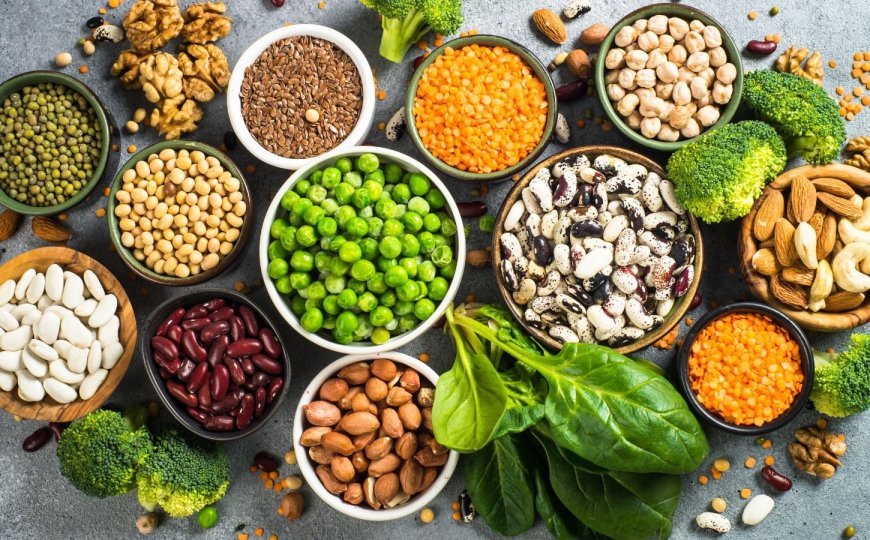
Beans and lentils
Chickpeas
Yogurt and other dairy foods
Nuts and seeds
Tofu and other soy foods
For plant-based meals, combining different protein-rich foods across the day can help us create a varied diet.
4. Add Healthy Sources of Fat
Dietary fat is an important part of a healthy eating pattern, although the type and quantity matter. We can choose foods containing unsaturated fats, such as nuts, seeds, avocados, and vegetable oils.
Instead of relying heavily on foods high in saturated or trans fats, we can use healthier sources of fat in sensible portions.
How to Build a Balanced Meal
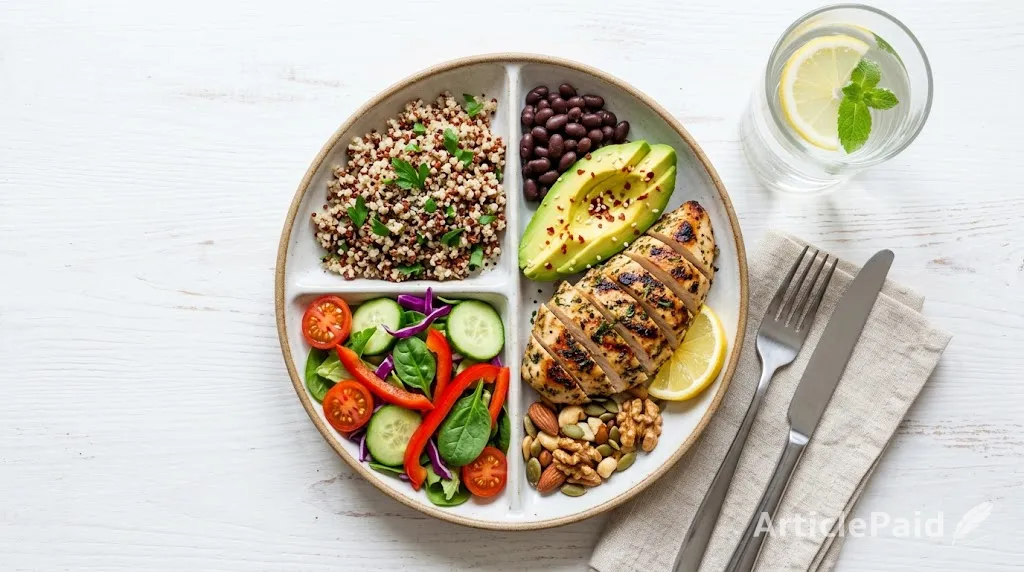
One practical approach is to think about the different food groups when preparing each meal. We can make vegetables or fruit a substantial part of the meal, include a protein source, and choose a whole-grain or other nutrient-rich carbohydrate.
For example, a balanced lunch could include grilled chicken or lentils, a serving of vegetables, whole-wheat roti or brown rice, and plain yogurt. A simple breakfast could include oatmeal with fruit and nuts or eggs with whole-grain toast and vegetables.
The exact foods and portions will vary depending on age, activity level, dietary needs, cultural preferences, and health goals.
Healthy Eating Habits for Beginners
Building a balanced diet becomes easier when we establish practical routines.
Plan Meals in Advance
Planning a few meals before grocery shopping can help us make nutritious choices and reduce dependence on highly processed convenience foods.
Drink Enough Fluids
Water is an essential part of a healthy diet. We can make water our primary beverage and adjust fluid intake according to factors such as activity, weather, and individual needs.
Practice Portion Awareness
Even nutritious foods can contribute more calories than needed when eaten in very large quantities. We can pay attention to hunger and fullness cues and serve reasonable portions.
Limit Highly Processed Foods
Foods high in added sugars, sodium, and unhealthy fats can be included occasionally, but they should not dominate our everyday eating pattern. We can gradually replace some highly processed snacks with fruit, yogurt, nuts, or other nutrient-dense options.

Common Balanced Diet Mistakes to Avoid
Beginners sometimes believe healthy eating requires completely eliminating carbohydrates, skipping meals, or following restrictive diets. These approaches are not necessary for everyone.
We should also avoid focusing exclusively on calories while ignoring food quality. A healthy eating pattern considers nutrient density, variety, portions, and overall dietary balance.
Another common mistake is trying to change everything overnight. Instead, we can start with manageable improvements, such as adding one extra serving of vegetables each day or replacing sugary drinks with water.
A Simple Balanced Diet Example
A beginner-friendly day might look like this:
Breakfast: Oatmeal with banana, berries, and a small portion of nuts.
Lunch: Lentils or grilled chicken with vegetables and whole-wheat roti or brown rice.
Snack: Fresh fruit with plain yogurt.
Dinner: Fish, beans, or another protein source with cooked vegetables and a whole-grain carbohydrate.
Drinks: Primarily water, with other beverages chosen according to individual dietary preferences.
This is only an example. We can adjust meals according to availability, culture, budget, allergies, dietary preferences, and nutritional requirements.
Final Thoughts on Building a Balanced Diet
Creating a balanced diet for healthy eating does not require perfection. The most sustainable approach is to focus on variety, nutritious ingredients, reasonable portions, and consistent habits.
By eating more fruits and vegetables, choosing whole grains, including protein-rich foods, selecting healthier fats, staying hydrated, and limiting highly processed foods, we can create an eating pattern that supports overall health.
The goal is not to make every meal perfect. Instead, we can make better food choices consistently over time, allowing healthy eating to become a realistic and sustainable part of everyday life.




















Responses (0)
Sign in to share your thoughts.
Sign in