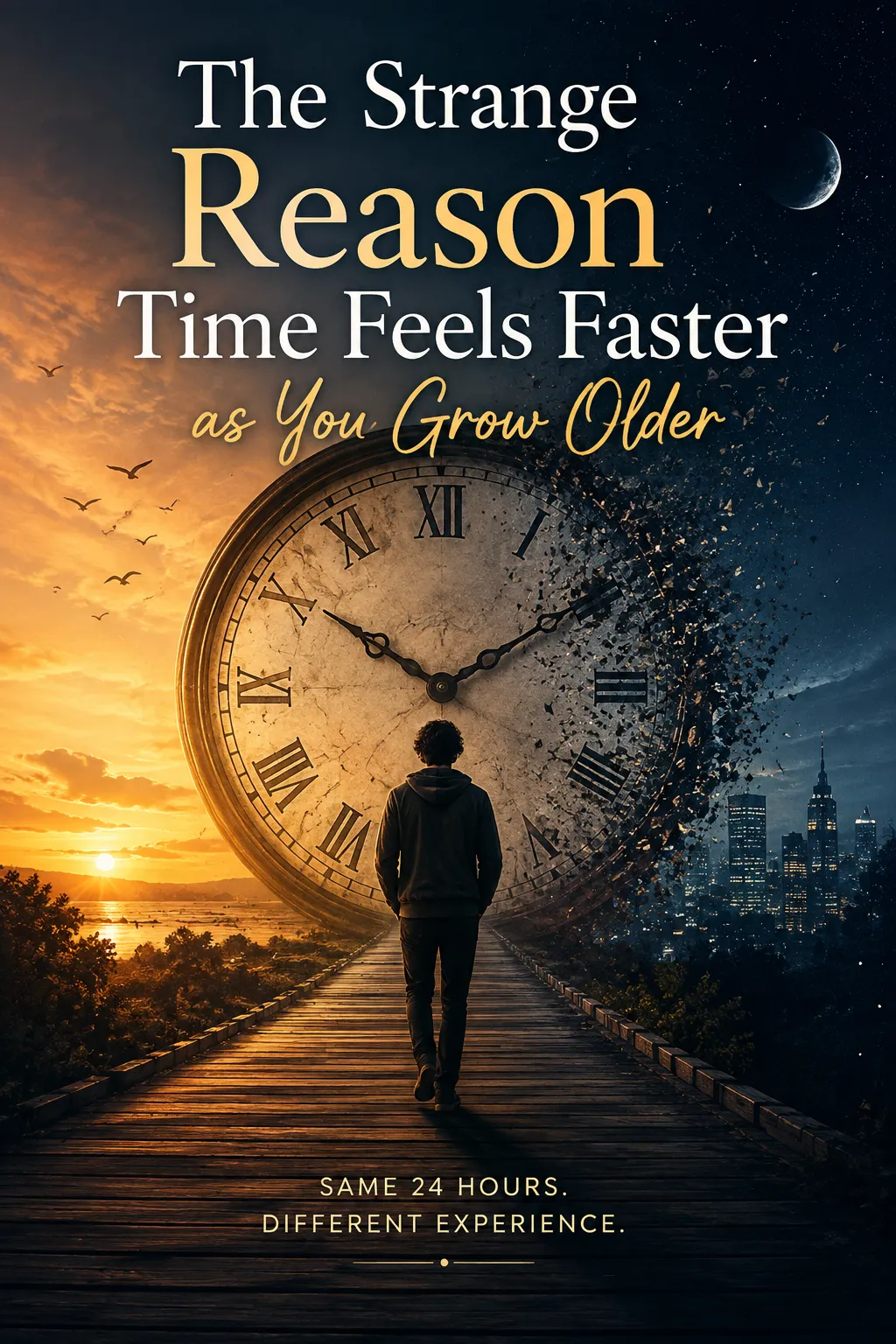
The Strange Reason Time Feels Faster as You Grow Older
Have you ever wondered why childhood summers felt endless, while today an entire year seems to vanish in what feels like a few weeks? Birthdays arrive more quickly, holidays come and go before we truly enjoy them, and one moment you're making New Year's resolutions—then suddenly it's December again. Time itself hasn't changed. Every day still has twenty-four hours. Yet our experience of it certainly does.
So, what makes life feel as if someone has quietly pressed the fast-forward button?
One of the biggest reasons is novelty. During childhood, almost everything is new. Your first day at school, your first bicycle ride, your first sleepover, your first family vacation—your brain eagerly records these fresh experiences in detail. Because so much is happening for the first time, those years become packed with vivid memories, making them seem much longer when we look back.
As we grow older, however, life becomes more predictable. We wake up, follow similar routines, go to work or school, scroll through our phones, eat familiar meals, and repeat the cycle. When days begin to resemble one another, our brains stop creating as many distinct memories. Looking back, weeks or even months blend into a single blur, giving us the illusion that time has flown by.
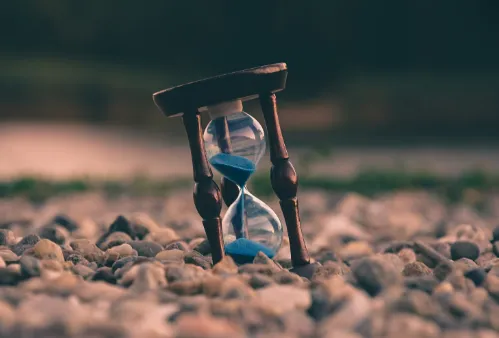
Psychologists also suggest another fascinating explanation. When you're ten years old, one year represents 10% of your entire life. But when you're fifty, one year is only 2% of everything you've experienced. Each passing year becomes a smaller fraction of your life, making it seem shorter in comparison.

Modern technology plays a role as well. Smartphones, social media, and endless streams of entertainment keep our minds constantly occupied. Hours disappear while scrolling through videos or checking notifications. We rarely notice time passing because our attention is always somewhere else. Before we realize it, the afternoon has vanished.
Stress and busy schedules make the effect even stronger. Adults often juggle responsibilities, deadlines, and endless to-do lists. When we're focused only on reaching the next task, we forget to fully experience the present moment. Days become checklists instead of memories.
The good news is that we can gently slow our perception of time. We don't have the power to stop the clock, but we can change how we experience it. Trying a new hobby, exploring unfamiliar places, meeting new people, learning a language, reading different books, or simply taking a walk without looking at your phone can make life feel richer and more memorable. Even paying close attention to everyday moments—a sunrise, a conversation, the sound of rain—helps create lasting memories that stretch our sense of time.

Perhaps the greatest secret isn't about slowing time at all. It's about filling it with moments worth remembering. The clock will always keep ticking at the same pace, but a life filled with curiosity, wonder, and meaningful experiences will never feel empty or rushed.



















Responses (0)
Sign in to share your thoughts.
Sign in