Bananas Are Slightly Radioactive and Here Is the Story

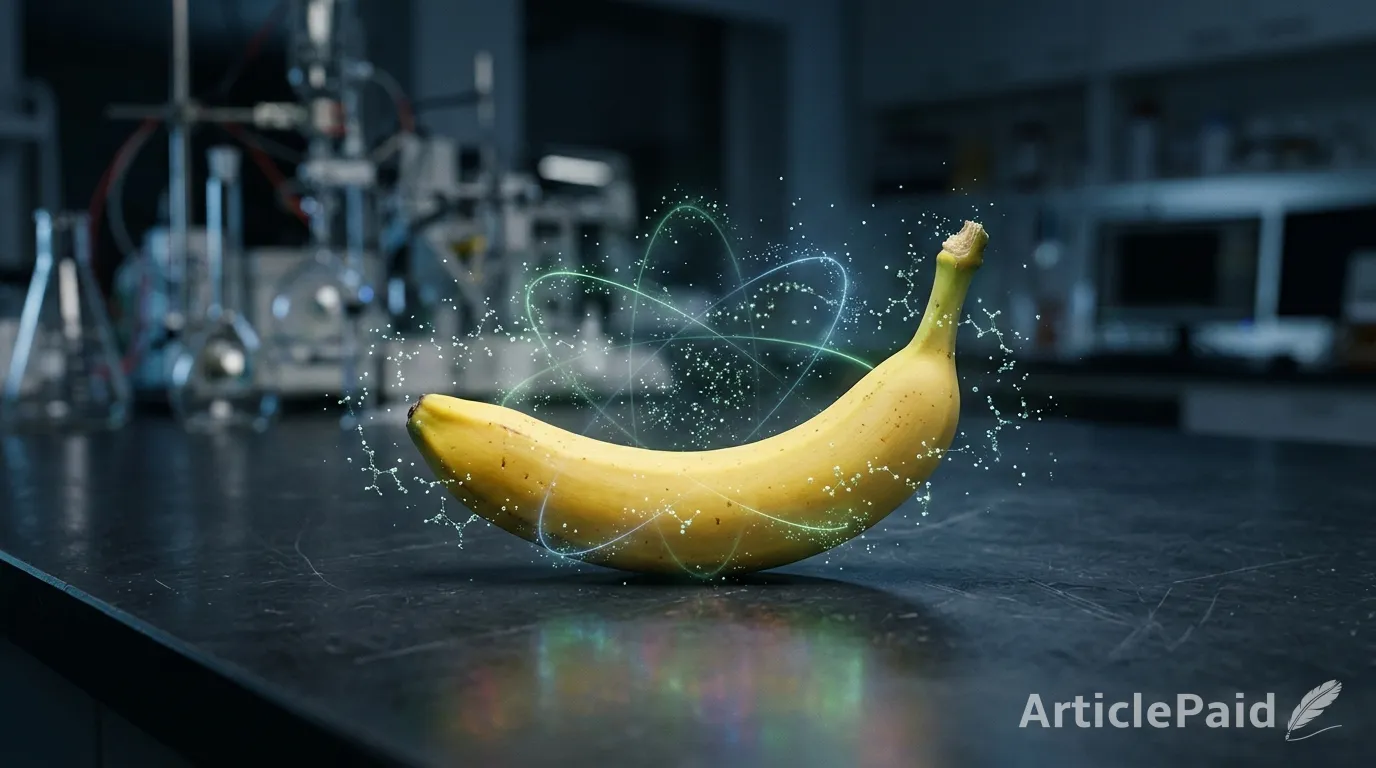
Bananas are one of the most popular fruits in the world. Not only are they reasonably priced, they are an easy and nutritious snack full of essential nutrients. However there is something pretty interesting to note from a scientific perspective bananas are radioactive!
Don’t panic whilst reading this! A banana isn’t at all radioactive. They have extremely low levels of radiation coming from natural potassium. This element is actually essential for the human body.
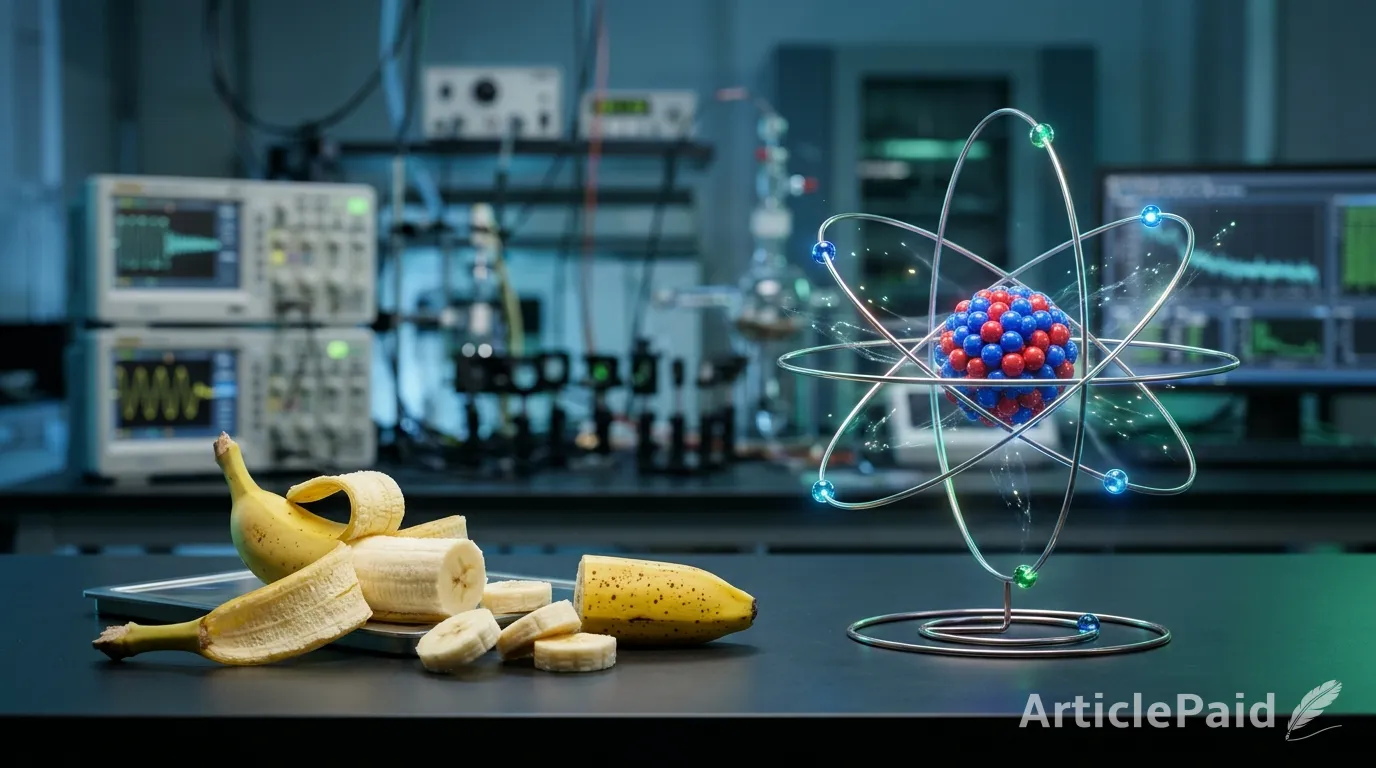
So bananas with radiation. Why do they have radiation? How much? Will we suffer any health problems if we eating them? Let’s take a look.
Why Are Bananas Slightly Radioactive?
Bananas contain potassium. This important mineral helps to keep your body performing normally with muscle function, sending nerve impulses and keeping fluid to a balance.
Out of all potassium atoms in the world, most will be stable. But a very small percentage of it will be in the potassium-40 form (often written as K-40). Unlike regular potassium this is radioactive.
Radiation is released from potassium 40 as it naturally decays into other elements. Since bananas contain potassium they also contain a very small amount of potassium 40.
Meaning they are not radioactive because of any chemicals, pollution or manmade sources. But are all natural.
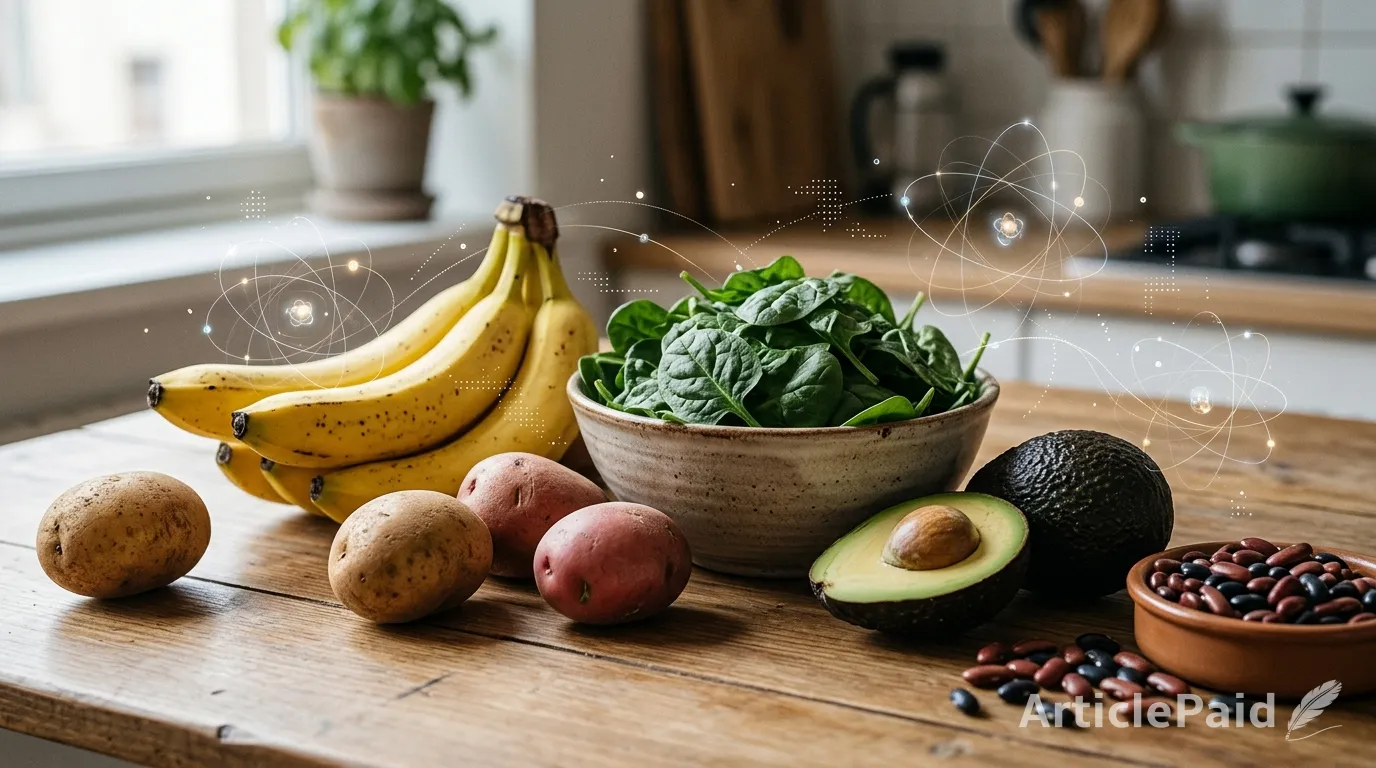
Other foods also contain this potassium-40 such as potatoes, beans, spinach and avocado. Although the bananas got very famous for it!
How Much Radiation Do Bananas Contain?
On average a banana will contain between 400 - 450 mg of potassium. Depending on the size and type of banana.
Now only a very small amount of this will be potassium 40. This means that eating a banana will give a very low amount of radiation.
Sometimes you can see the banana equivalent become used by scientist. It is just an informal way to help understand how much radiation it would take.
We can commonly see it said that each banana will give off approx 0.1 microSieverts. Again though this is a basic comparison and is nothing accurate.
We are consistently exposed to natural radiation from many sources including soil, rock, cosmic rays and natural radioactive substances in our bodies.
The small amount of radiation from a banana is nothing compared to this.
Will You Become Radioactive From Eating Bananas?
This might be the most interesting part.
If bananas contain radioactive potassium, will we become radioactive by eating them?
No, we already have radioactive elements in our body. Namely potassium 40. And it is completely normal.
The potassium in the banana will be added to our body’s potassium. Our bodies regulate our potassium amount carefully. The potassium 40 will not build up in our bodies from eating more bananas as the quantity of potassium in our body is regulated. Most of the extra will be taken out of our bodies, mostly via the kidneys.
So no, we won’t become dangerously radioactive from eating bananas. The amount of natural radiation would be nothing to worry about.
What is Potassium 40?
Potassium 40 is a naturally occurring radioactive isotope. An isotope is a variation of an element where it’s proton count stays the same but the neutrons vary.
Potassium 40 has a very long half life. This is the amount of time it takes for half of a radioactive substance to decay. Potassium 40 half life is around 1.25 billion years.
This means that it decays extremely slowly. Potassium 40 has been naturally occurring on earth for Billions of years. Part of what makes it so interesting is that you can find it in many places such as rocks, soil, water, plants, animals and humans.
Which is one reason scientists can find natural radiation in everyday things.
Why Don’t We Have To Worry About Radiation From Bananas?
Radiation can be a scary word as if you have a high level of it then it can damage living tissue. But the effects of radiation can vary on many factors. For example the type of radiation, the energy it holds, the amount and the time we are exposed.
Bananas contain very little radiation meaning that eating one will not put us in any real danger. In fact bananas are a great source of nutrients such as potassium, vitamin B6, vitamin C and fibre.
Potassium helps regulate blood pressure, fibre helps with digestion and vitamin B6 helps the body utilize and store energy.
Most people can consume bananas as part of a balanced and healthy diet.
Interesting Science Behind Banana Equivalent
You often see the banana equivalent mentioned in pop science articles, documentaries and more. It is an easy way to helps people understand how low the radiation amount really is.
But scientist typically won’t use banana as an exact measurement for radiation. This is because our bodies regulate potassium naturally.
If you ate multiple bananas, your body wouldn’t get a continuous increase in radiation. Your body will regulate your potassium and the amount of potassium-40 you have inside will be fairly consistent.
This should be seen as an educational tool.
Are There Other Everyday Foods With Radiation?
Yes! Whilst bananas are well known for having radiation they aren’t the only ones.
Many foods contain small amounts of naturally occurring isotopes. This can include potassium 40 and sometimes naturally occurring isotopes of other elements.
Examples include:
Potatoes Naturally contain potassium including small amounts of potassium 40.
Beans Many varieties contain potassium so will contain traces of potassium 40.
Spinach Contains potassium and other essential minerals.
Avocado Naturally contains potassium and other nutrients.
Brazil Nuts Can contain small amounts of naturally occurring radium due to how the tree absorbs minerals out of the soil.
You can see here that natural radiation shouldn’t come as a surprise as it is part of our natural environment.
Final Thoughts
Whilst it may seem surprising that bananas contain radiation it is a simple example of natural science.
Bananas contain potassium, and a very small amount of the naturally occurring potassium will be the radioactive isotope potassium 40. A very minimal amount of natural radiation.
There is absolutely no reason to avoid bananas as the radiation would be negligible and they are full of nutrition making them a great addition to most peoples balanced diets.
Next time someone says that bananas are radioactive you can tell them all about the science behind it. The surprising thing is that radiation isn’t just found in nuclear plants and labs. There is a small amount of natural radiation in everything around us including our everyday food.
Bananas are slightly radioactive but are completely normal fruits.














Responses (0)