

Chemotherapy is often associated with intravenous drips and hospital visits. However, advances in cancer treatment have brought about a more convenient option for some breast cancer patients: oral chemotherapy pills. These medications provide an at-home alternative that offers flexibility while targeting cancer cells effectively. Understanding how chemotherapy pills work, who they’re suited for, and what to expect can empower patients to make informed decisions about their care. This guide explores every critical aspect of breast cancer chemotherapy pills to help you or a loved one navigate this form of treatment confidently.
How Do Breast Cancer Chemotherapy Pills Work?
Chemotherapy pills are oral medications designed to kill or slow the growth of cancer cells. Like traditional chemotherapy, they work by targeting rapidly dividing cells. However, instead of being administered intravenously at a clinic, they’re taken at home in pill or capsule form. These drugs enter the bloodstream through the digestive tract and then travel throughout the body to attack cancer cells.
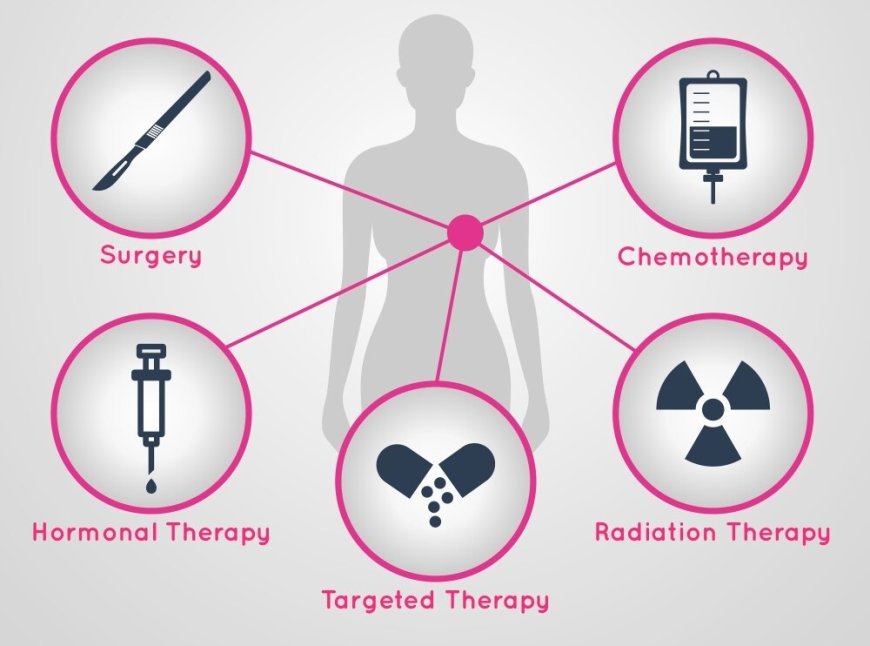
Because of this systemic nature, the pills are particularly useful for treating cancer that has spread or for long-term maintenance therapy. Chemotherapy pills may be used alone or in combination with other treatments such as surgery, radiation, or hormone therapy, depending on the patient’s diagnosis.
• Used to destroy or shrink breast cancer cells
• Taken at home, eliminating frequent hospital visits
• Circulate through the bloodstream like IV chemo
• Effective for metastatic or advanced cancer stages
• May be prescribed along with other treatment types
Common Types of Chemotherapy Pills for Breast Cancer
Several oral chemotherapy drugs are approved for treating breast cancer. Each has a specific role, depending on the cancer subtype and stage. Capecitabine (Xeloda) is among the most commonly used, particularly for metastatic or triple-negative breast cancer. Other options include cyclophosphamide and methotrexate, which are often part of combination therapy.
Doctors consider several factors before prescribing these drugs, including your medical history, hormone receptor status, HER2 status, and overall health. The goal is to customize a treatment plan that maximizes benefits while minimizing side effects.
• Capecitabine (Xeloda) – Used for advanced or recurrent cancer
• Cyclophosphamide – Common in early-stage treatment regimens
• Methotrexate – Often combined with other oral or IV therapies
• Etoposide – Occasionally used in metastatic cases
• Oral fluorouracil – Less commonly used today but still available
Who Qualifies for Chemotherapy Pills?
Not everyone with breast cancer is a candidate for chemotherapy pills. Oncologists usually recommend them to patients with specific needs, such as those with metastatic cancer or those who cannot tolerate IV chemo due to age or other medical issues. It can also be an option for people who need ongoing maintenance therapy following initial treatment.
Eligibility depends on cancer type, progression, and patient preference. In some cases, patients start with IV chemotherapy and later switch to oral medication for convenience or to extend treatment duration without hospital stays.
• Patients with metastatic breast cancer
• Individuals unable to undergo IV chemo
• Those needing maintenance therapy
• Patients preferring home-based care
• Cases where oral drugs are proven effective for the cancer type
Benefits of Chemotherapy Pills for Breast Cancer
The convenience of oral chemotherapy is one of its strongest advantages. Instead of scheduling regular hospital appointments, patients can take medication at home, which reduces time, stress, and travel. This can be particularly beneficial for older adults or those with limited mobility.
In some cases, chemotherapy pills also cause fewer side effects than intravenous treatments. They can be integrated into daily life more smoothly, allowing patients to maintain a sense of normalcy during their cancer journey.
• Greater convenience and flexibility
• Reduced need for clinic or hospital visits
• Potentially fewer side effects
• Allows for long-term, continuous treatment
• Empowers patients to take control of their treatment
Possible Side Effects of Chemotherapy Pills
While chemotherapy pills may offer comfort and convenience, they still come with side effects. These vary depending on the drug used, dosage, and individual response. Common side effects include fatigue, nausea, diarrhea, and hand-foot syndrome (a condition that causes redness, swelling, and pain on the palms and soles).
It’s essential to communicate with your healthcare provider regularly and report any symptoms early. Many side effects can be managed with supportive medications or adjustments to the treatment plan.
• Fatigue and weakness
• Nausea or vomiting
• Hand-foot syndrome
• Loss of appetite
• Mouth sores or dry mouth
Managing and Monitoring Treatment at Home
Successfully managing chemotherapy at home requires discipline and support. Patients must follow dosage instructions precisely and avoid missing doses. Unlike IV treatments administered by professionals, the responsibility for taking pills lies entirely with the patient or caregiver.
Doctors often require regular follow-ups, blood tests, and physical exams to monitor the treatment’s effectiveness and safety. It’s also important to store the medication correctly and report any missed doses immediately.
• Keep a strict daily medication schedule
• Use reminders or pill organizers
• Attend all medical appointments and lab tests
• Track side effects in a journal
• Store medicine safely and securely at home
Comparing Chemotherapy Pills to IV Chemotherapy
Both oral and intravenous chemotherapy have their roles in breast cancer treatment. IV chemo is often used for aggressive or fast-growing tumors and is administered under direct medical supervision. Chemotherapy pills, on the other hand, offer a lower intensity option for ongoing or less aggressive cases.
The effectiveness of both approaches depends on how well the treatment is matched to the specific cancer type. In many cases, oncologists recommend using both methods in sequence or combination to achieve the best results.
• IV chemo delivers fast, high-concentration doses
• Oral chemo is better for long-term or maintenance use
• IV treatments may be more closely monitored
• Pills offer better quality of life during recovery
• Some regimens alternate between both types
Adherence Challenges and Tips for Success
Taking oral chemotherapy consistently can be challenging, especially over long periods. Patients may forget doses, misunderstand instructions, or face barriers like side effects or medication costs. These challenges can impact treatment success.
Creating routines and having a strong support system can significantly improve adherence. Caregivers, mobile apps, and pharmacist support can also play a role in keeping patients on track.
• Set daily reminders on phones or clocks
• Enlist support from family or friends
• Understand the importance of each dose
• Speak to doctors about managing side effects
• Use apps to track progress and symptoms
Cost and Insurance Considerations
The cost of chemotherapy pills can be significant, especially without insurance coverage. Unlike IV chemo, which is typically covered under a hospital benefit, oral drugs may fall under outpatient prescription benefits and require higher co-pays.
Fortunately, many pharmaceutical companies and nonprofit groups offer financial assistance or co-pay relief programs. Patients should speak with their oncology care team and insurance providers to fully understand their options.
• Check if the drug is covered by your insurance
• Compare co-pay amounts for oral vs. IV chemo
• Ask about pharmaceutical assistance programs
• Look for nonprofit financial aid for cancer patients
• Consult with hospital billing specialists for guidance
Conclusion
Breast cancer chemotherapy pills represent a powerful and flexible option in the fight against cancer. They provide patients with greater autonomy, fewer clinic visits, and often a more manageable treatment experience. However, like all therapies, they come with challenges that must be understood and addressed through education, monitoring, and support. Speaking with a trusted oncologist about whether oral chemotherapy is suitable for your situation is the first step in making an informed and empowered choice.






















Responses (0)
Sign in to share your thoughts.
Sign in