
Let’s talk about the ugly psychology behind it_
Can we be real for a second?
When we hear the word “bullying,” most of us think: mean people being mean.
But it’s not that easy.
Behind every bully is usually something deeper going on. And the weird part? A lot of them actually _feel good_ while doing it. Not because they’re monsters, but because their brain is getting something out of it.
Let’s unpack that.
1. Power feels good, especially when you feel powerless
A lot of bullies don’t feel in control of their own life. Maybe things are bad at home. Maybe they feel invisible at school or work.
So what do they do? They find someone they _can_ control.
The second they see someone get scared, cry, or back down — boom. They feel powerful again. Even if it’s just for 5 minutes.
In offices and schools where there’s already a "pecking order," this happens a lot. Someone who feels low will pick on someone lower, just to feel on top for once.
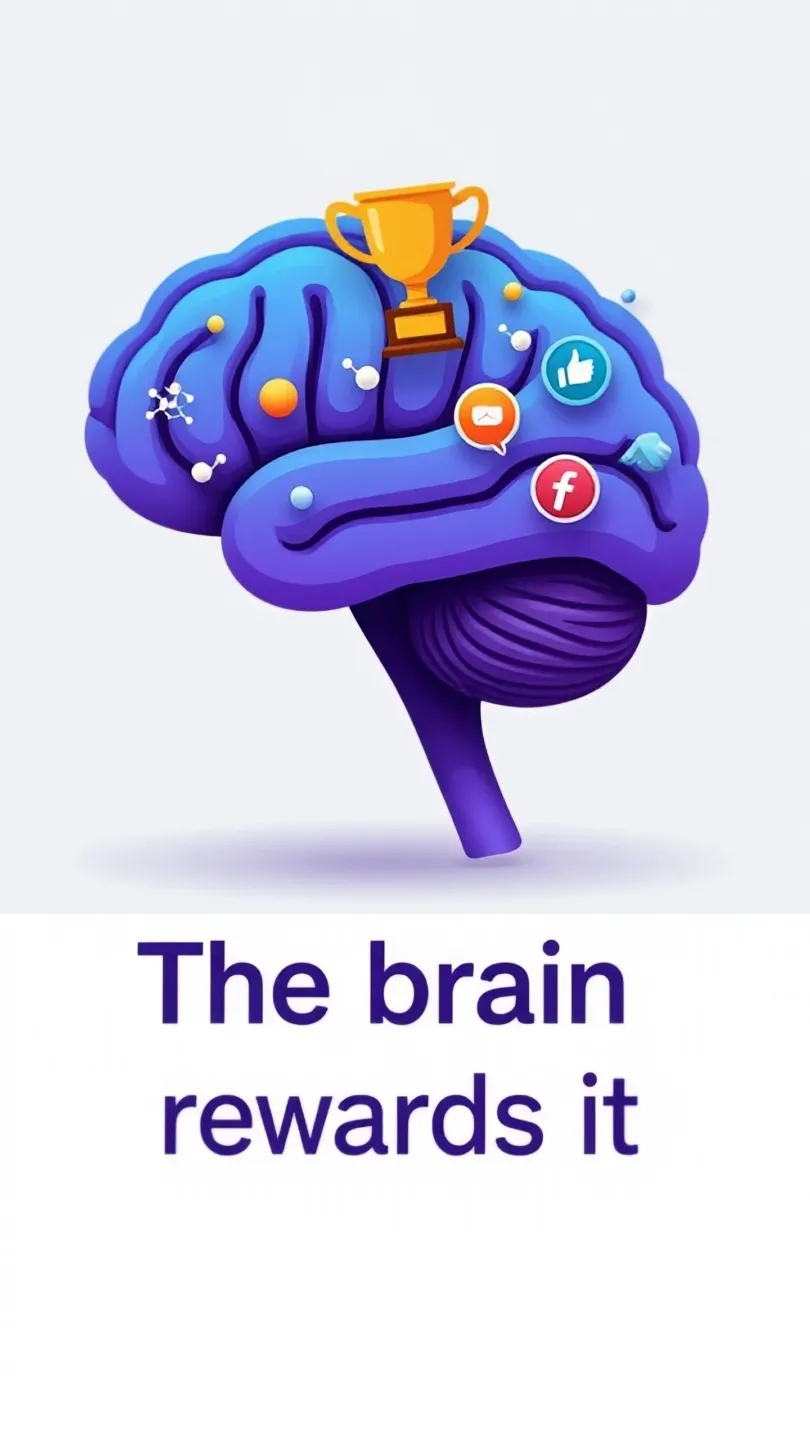
2. The brain literally rewards it
This part is uncomfortable but true.
When someone acts aggressively, their brain can release dopamine — the same chemical you get from eating good food, getting likes, or winning a game.
For some people, especially if they’ve been through trauma or have certain personality traits, hurting others actually _feels rewarding_.
That’s why bullying can become a habit. The brain goes: "Oh, this got me attention/power. Let’s do it again."
3. People cheer them on
Bullies rarely act alone. There’s usually an audience.
A laugh from a friend. A "you’re so savage" comment. Likes on a post.
Especially for teens, that social approval is everything. And online? It’s 10x worse. One viral mean comment gets hundreds of likes in minutes. That instant validation makes the behavior stick.
4. It hides their own insecurities
This is the classic one.
Hurting someone else is an easy way to stop feeling bad about yourself, even if it’s just for a little while.
"I feel worthless" → "So I tear someone else down to feel bigger."
It’s called projection. They’re dumping their own pain onto someone else because facing it is too hard.
5. They learned it somewhere
Kids aren’t born bullies. They mimic what they observe.
If they grew up with yelling, harsh punishment, or zero empathy at home, they learn: _this is how you get what you want.
If aggression got them attention or made people obey, their brain logs it as: "This works."
6. Some just never learned empathy
Empathy isn’t automatic. We’re taught it.
Some people never got that lesson. So when they bully someone, they genuinely don’t register how much it hurts.
For them, the "win" — the control, the laugh, the attention — matters more than he other person’s feelings.
In what way can the cycle be stopped?
Punishing alone doesn’t work. We must start at the source.
`Build empathy early: Help them share how they feel.`
Do role-play. Read stories where people get hurt and talk about it.
Deal with the insecurity: Counseling, mentors, safe adults. Give them healthier ways to feel worthy.
Change the reward system: In schools and workplaces, don’t just suspend. Educate. And bystanders — stop laughing. Stop scrolling. Speak up or support the victim. No audience = no reward.
Better conflict model: Show kids and adults how to disagree without destroying each other.
Key takeaway
Bullies experience a rapid rush of power, attention or relief. It costs everyone — especially the victim and it doesn’t actually fix what’s wrong with the bully.
If we understand _why_ they do it, we can actually do something about it. And build places where respect feels better than dominance.
Quick Q&A
Q1: Are all bullies unempathetic?
Nope. Some know exactly how much it hurts. They just care more about what _they_ get out of it in that moment.
Q2: Can bullies actually change?
Yes. With therapy, guidance, and learning new ways to feel valued, many do.
Q3: Why is cyberbullying so big now?
Because it’s anonymous, there’s no immediate consequence, and you get instant likes and comments. It’s a perfect storm.
Q4: Are all bullies insecure?
Not all. But a huge number are dealing with pain, trauma, or low self-worth underneath.
Q5: What can bystanders do?
Don’t laugh. Don’t share. Stand with the person being targeted. When the crowd stops rewarding it, the behavior loses power.




















Responses (0)
Sign in to share your thoughts.
Sign in