
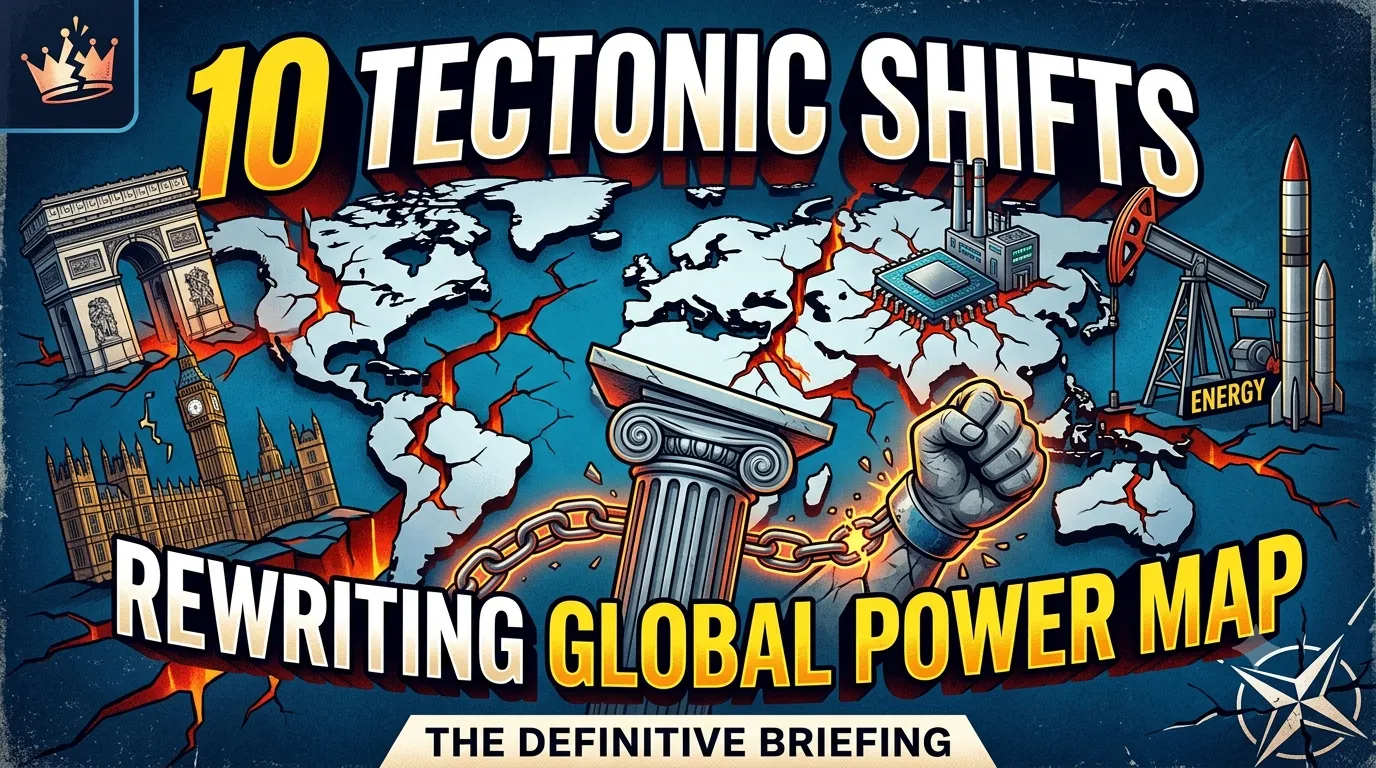
### 1. Shifts in Western Leadership & Domestic Politics
* **United Kingdom:** Following the abrupt resignation of Prime Minister Keir Starmer in late June, the UK's political landscape is in transition. High-profile figures like Andy Burnham are pushing forward new economic agendas amidst a major £300 billion defense investment announcement.
* **United States:** Executive power dynamics are shifting rapidly following significant U.S. Supreme Court rulings modifying campaign spending limits and upholding federal firing powers. Concurrently, political maneuvers are intensifying ahead of the upcoming 2026 Republican midterm conventions.
* **The European Union:** The EU is enforcing defensive economic policy, notably implementing a €3 customs duty on low-value e-commerce parcels from July 1 to protect domestic markets from foreign industrial overcapacity.
### 2. Major Institutional Shifts & Elections
* **The Fall of Viktor Orbán:** In a historic shift for European politics, Hungary’s long-standing leader Viktor Orbán was ousted after his Fidesz party was defeated by the opposition Tisza Party, paving the way for Hungary's rehabilitation within the EU and NATO frameworks.
* **NATO Summit (Ankara):** Scheduled for early July, NATO heads of state are gathering in Turkey to pivot alliance security policy, navigate defense integration, and address member-state cost-sharing frictions.
* **Latin American Power Changes:** Peru’s prolonged vote count concluded with Keiko Fujimori leading the presidential race, steering the nation toward a security-focused platform. Meanwhile, the region continues to absorb the geopolitical shockwaves of the U.S. military's capture and detention of Venezuela's Nicolás Maduro earlier this year.
### 3. Critical Geopolitical & Trade Friction
* **The Tech Tariff War:** The Trump administration's temporary 10% global tariffs (enacted under the Trade Act of 1974) are approaching their late-July expiry date, keeping international markets on edge regarding a potential hike to 15% or new targeted restrictions on supply chains.
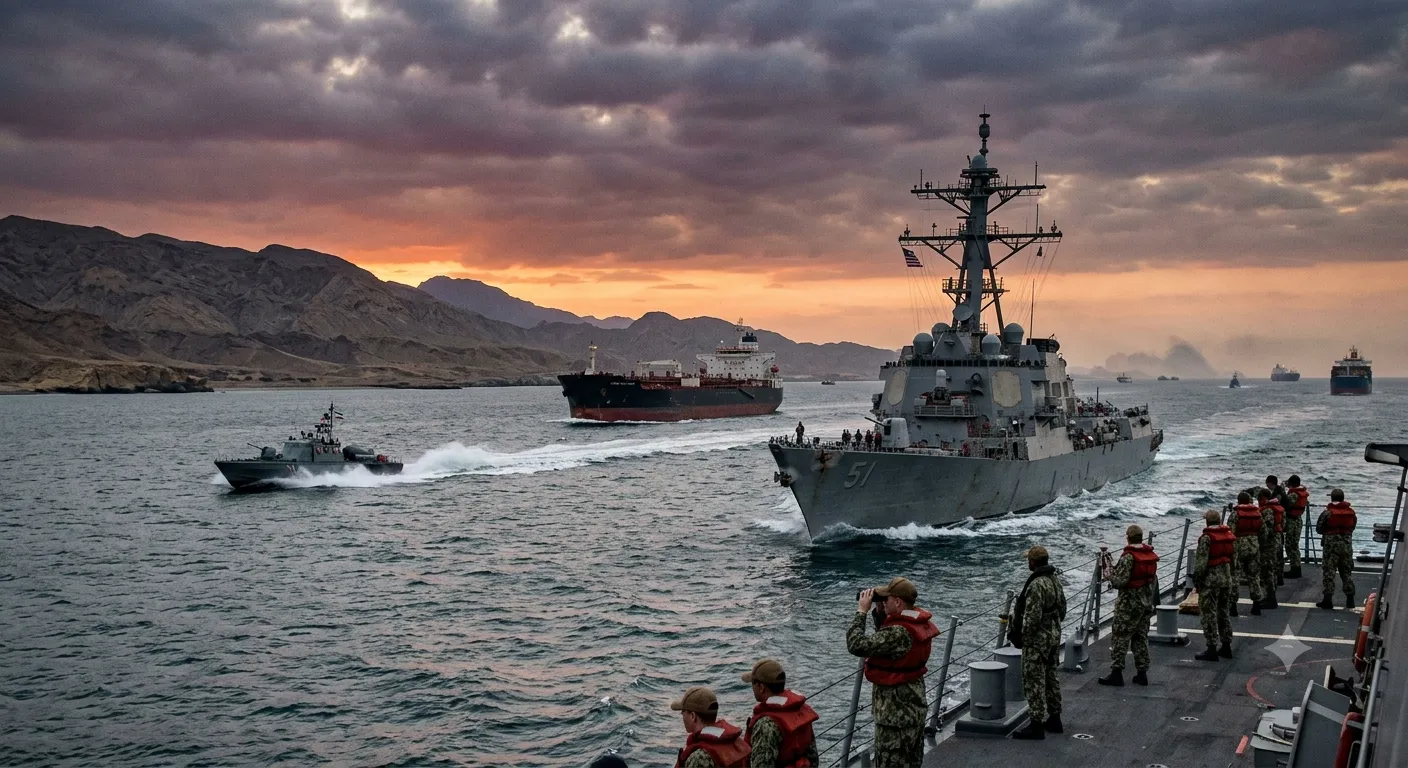
* **Middle East Sub-Surface Conflict:** Rather than establishing a definitive end to long-standing regional friction, recent U.S.-Iran diplomatic frameworks have shifted toward state-to-state "pain management," attempting to mitigate active flare-ups and secure energy supply lanes like the Strait of Hormuz.
* **The Critical Minerals & AI Race:** Major global alliances are fracturing along technological lines. While Western powers are aggressively forming partnerships to monopolize African and Latin American rare earth minerals (lithium, cobalt), manufacturing and tech hubs are locking horns over access to advanced microchips and the grid energy required for heavy AI infrastructure.



















Responses (0)
Sign in to share your thoughts.
Sign in