
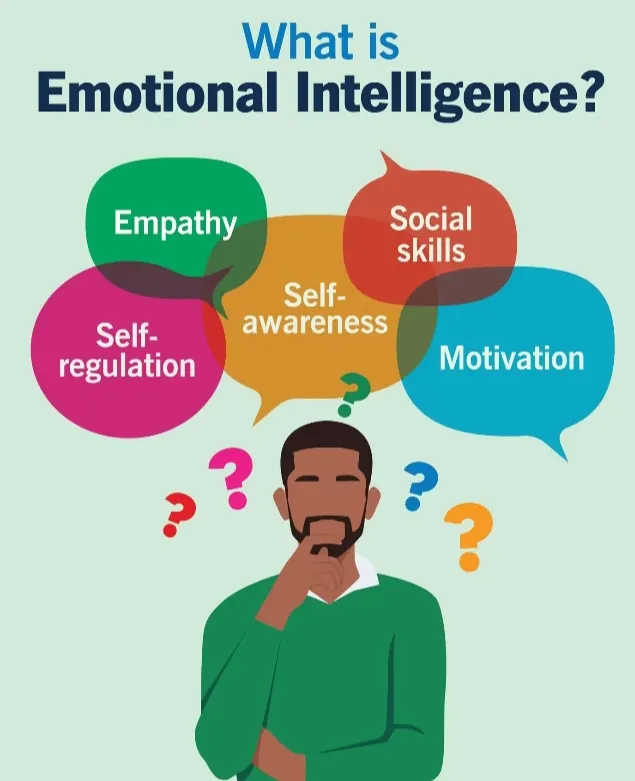
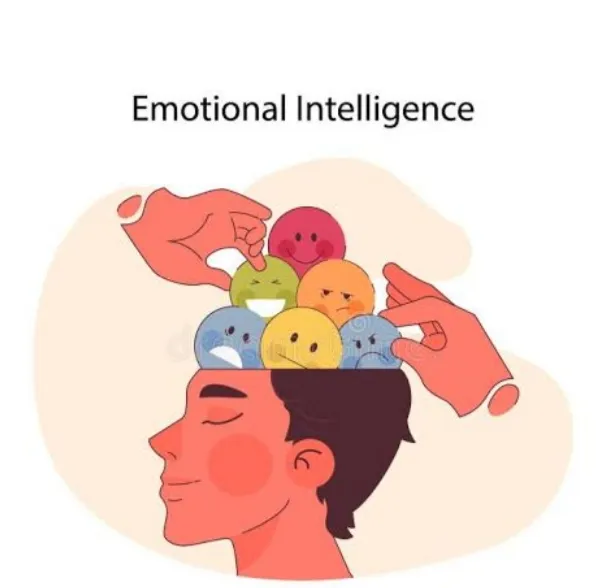
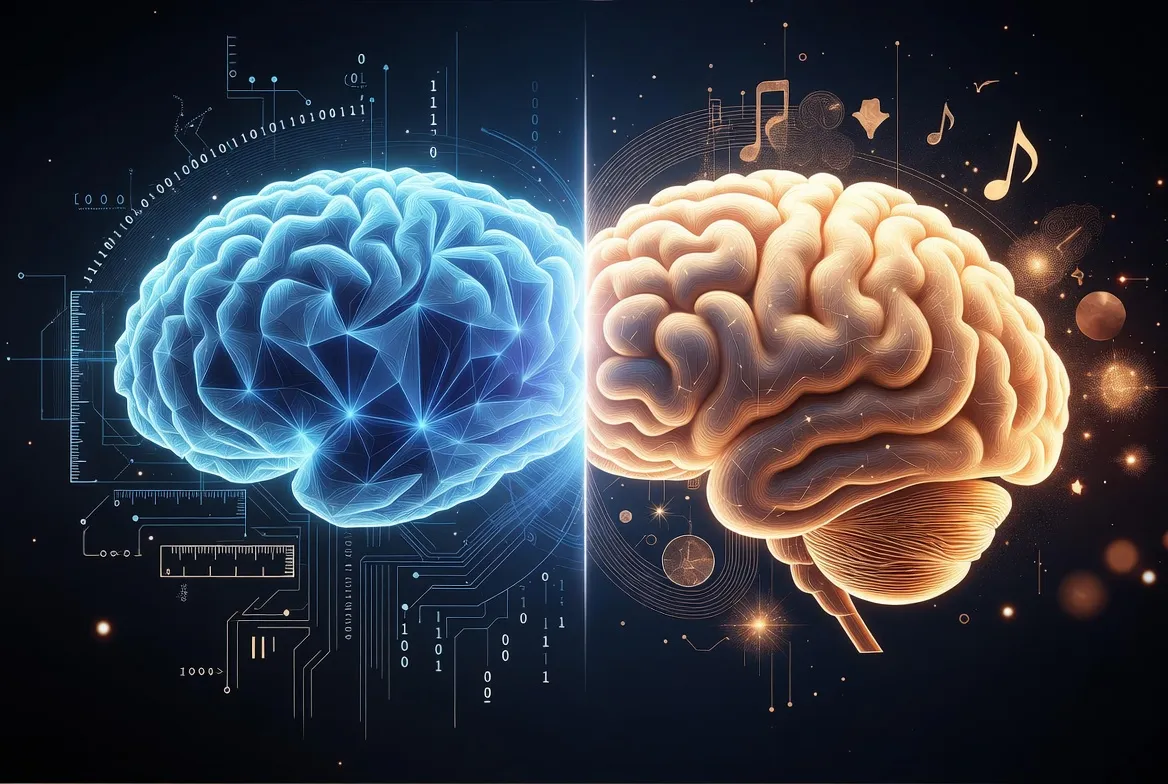
Emotional Intelligence, often called EQ, is the ability to understand and manage your own emotions while also understanding the emotions of people around you. While IQ measures how smart you are in books and tests, EQ measures how smart you are with people and with yourself. In today’s world, EQ is more important than ever. Leaders, good friends, successful employees, and happy people all share one thing: high emotional intelligence.
Research shows that people with high EQ earn more, have better relationships, and handle stress much better. The good news is that EQ is not something you are born with. It can be learned and improved every day. But first, how do you know if you already have it?
Here are 5 clear signs that you have high emotional intelligence.
Header 1: You Are Deeply Self Aware
Self-awareness is the foundation of emotional intelligence. People with high EQ spend time understanding themselves. They know what triggers their anger. They know what makes them anxious. They can name their emotions in the moment instead of just saying "I feel bad."
For example, instead of snapping at a coworker, a self-aware person thinks: "I feel frustrated because my deadline is close." This small pause changes everything. Because you understand your emotions, you don’t let them control you. You also understand your strengths and weaknesses. You know what you are good at and what areas you need to work on. This honesty with yourself helps you make better decisions in both work and life. People with low self-awareness often blame others. People with high self-awareness ask, "What role did I play in this?"
Header 2: You Can Manage and Regulate Your Emotions
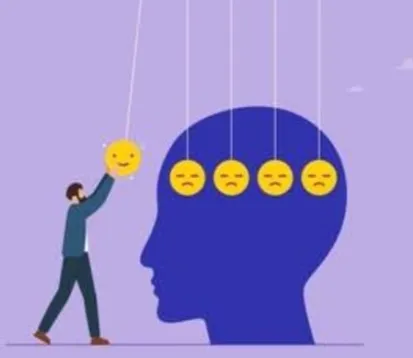
Feeling emotions is human. Everyone gets angry, sad, and stressed. The difference with high EQ people is what they do next. Emotional regulation means you feel the emotion, but you don’t let it destroy your day.
Let’s say you receive critical feedback from your boss. A person with low EQ might get defensive, angry, or shut down. A person with high EQ takes a deep breath. They might say, "Thank you for telling me. Can you give me an example?" They process the emotion first, then respond with logic.
Other ways high EQ people manage emotions: going for a walk when stressed, journaling to get thoughts out, talking to a trusted friend, or practicing breathing exercises. They don’t suppress emotions. They manage them. This skill helps them stay calm during arguments, tight deadlines, and personal problems. As a result, people trust them more because they are steady and reliable.
Header 3: You Show Genuine Empathy for Others
Empathy is the ability to feel what another person is feeling. It’s not just saying "I’m sorry." It’s truly trying to understand their perspective.
High EQ people are great at this. If a friend is going through a breakup, you don’t just say "get over it." You listen. You say "That sounds really painful. I’m here for you." You can read body language and tone. You notice when someone says "I’m fine" but they clearly are not.
Empathy builds trust. That’s why people open up to you. That’s why teams want you as a leader. In the workplace, empathetic managers have happier employees and less turnover. In friendships, empathetic people have deeper, longer relationships. Empathy also stops conflict. When you understand where the other person is coming from, it’s harder to stay angry at them.
Header 4: You Are An Active and Intentional Listener
Most people listen to reply. High EQ people listen to understand. This is called active listening and it’s rare.
When someone talks to you, you give them your full attention. You put your phone down. You make eye contact. You don’t interrupt to tell your own story. Instead, you ask follow-up questions like "How did that make you feel?" or "What happened next?"
You also remember details. If your friend mentioned a job interview last week, you ask "How did the interview go?" this week. This makes people feel seen and valued. Good listeners resolve conflict faster because people feel heard. Good listeners also learn more because they absorb information instead of just waiting for their turn to speak. In short, people love talking to you because they feel important when they do.
Header 5: You Handle Criticism and Conflict Gracefuly
Nobody enjoys criticism. But your reaction to it shows your level of EQ. People with low EQ get defensive. They blame others. They take feedback as a personal attack.
People with high EQ do something different. First, they pause. Then they ask, "Is there any truth in this?" Even if the feedback is delivered badly, they try to find the 10% that is useful. They separate their identity from the problem. "I made a mistake" is different from "I am a mistake."
In conflict, high EQ people don’t yell or give silent treatment. They address the issue calmly. They use "I feel" statements instead of "You always" statements. They look for solutions instead of trying to win the argument. This makes them excellent problem solvers at work and in relationships.
Conclusion: EQ Can Be Built
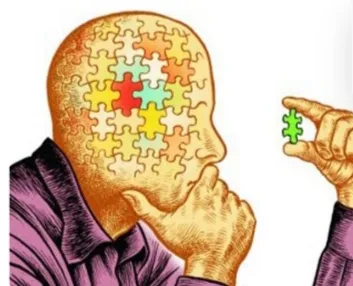
If you related to 3 or more of these 5 signs, congratulations. You likely have high emotional intelligence. And if you didn’t, that’s okay too. EQ is a skill, not a fixed trait.
You can build self-awareness by journaling for 5 minutes a day. You can build empathy by asking more questions and listening more. You can build emotional regulation by practicing breathing before you react.
In a world full of stress and fast communication, emotional intelligence is your superpower. It will help you in your career, your friendships, your family, and with yourself. Start practicing one sign this week. Small steps lead to big changes.
Remember: Smart people know facts. Emotionally intelligent people know people. And that makes all the difference.



















Responses (2)
Sign in to share your thoughts.
Sign in