
Nirbhaya Case
On the night of 16 December 2012, Delhi was moving through its usual rhythm of traffic, crowds, and late-night life. A 23-year-old physiotherapy intern and her male friend had gone out to watch a movie and were returning home when their lives changed forever.
They were waiting for transport in South Delhi when a bus stopped and offered them a ride. What seemed like a convenient lift soon turned into one of the darkest crimes in India’s modern history.
The bus was not a normal passenger vehicle in that moment. It carried six men, including the driver, and the doors were shut once the pair stepped inside. The route quickly changed, and when the young man protested, he was attacked and beaten unconscious.
The woman was then dragged deeper into the bus and brutally assaulted by the men inside. The violence was extreme, and the cruelty of the attack shocked the country when details began to emerge.
After the assault, the victims were thrown out of the moving bus in a badly injured state. A passerby found them around 11 p.m. and took them to Safdarjung Hospital, where doctors began emergency treatment.
The young woman’s injuries were devastating, and her condition remained critical as the nation followed every update with horror and anger.
Because the media did not publish her real name, the victim became known to the public as Nirbhaya, meaning “fearless.”
That name became a symbol of strength, but also of the deep pain that followed the attack. She was later transferred to Singapore for advanced treatment, but despite all efforts, she died on 29 December 2012 from her injuries.
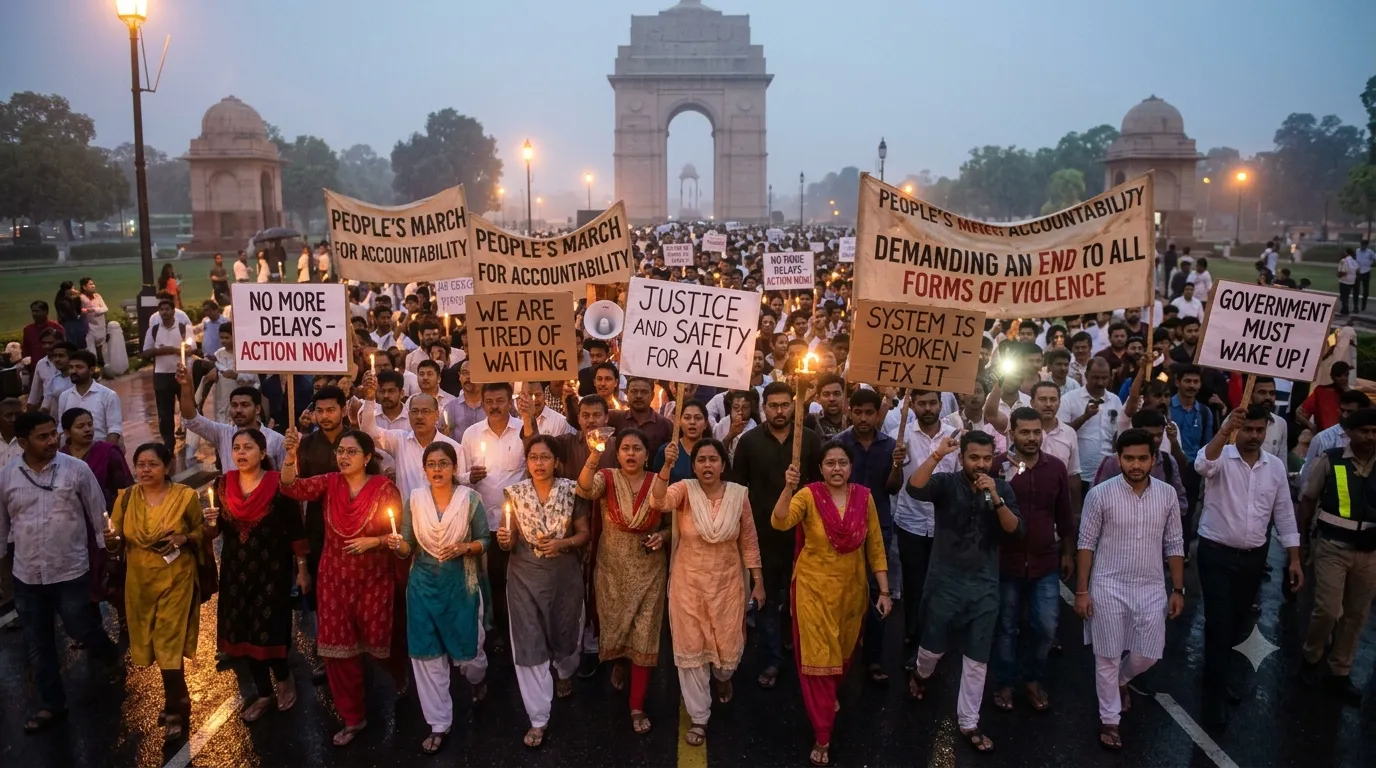
The case immediately triggered outrage across India. People poured into the streets in protest, demanding justice and better protection for women.
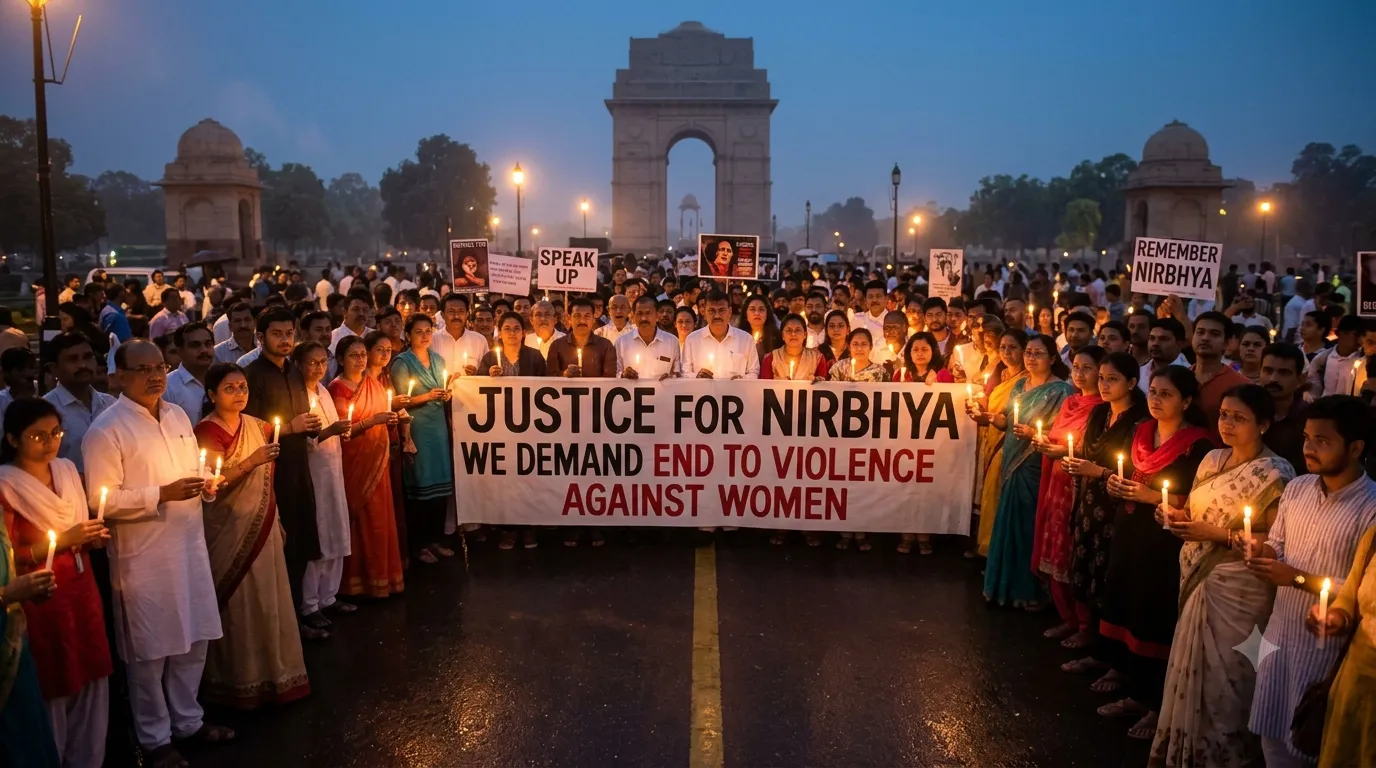
The attack was not seen only as one crime; it became a national moment that forced people to confront violence, public safety, and the treatment of women in society. It changed the public conversation in a powerful way.
The investigation moved quickly. Police arrested the accused, and the case went through the courts. One of the accused was a juvenile and was sentenced under the law applicable to minors.
Another accused, the bus driver, died by suicide during the trial. The remaining four were convicted and later sentenced to death. Their sentences were finally carried out on 20 March 2020.
What made the case unforgettable was not just the brutality, but what it exposed. It showed how vulnerable ordinary people can be, and how deeply society reacts when a crime feels like an attack on everyone’s sense of safety.
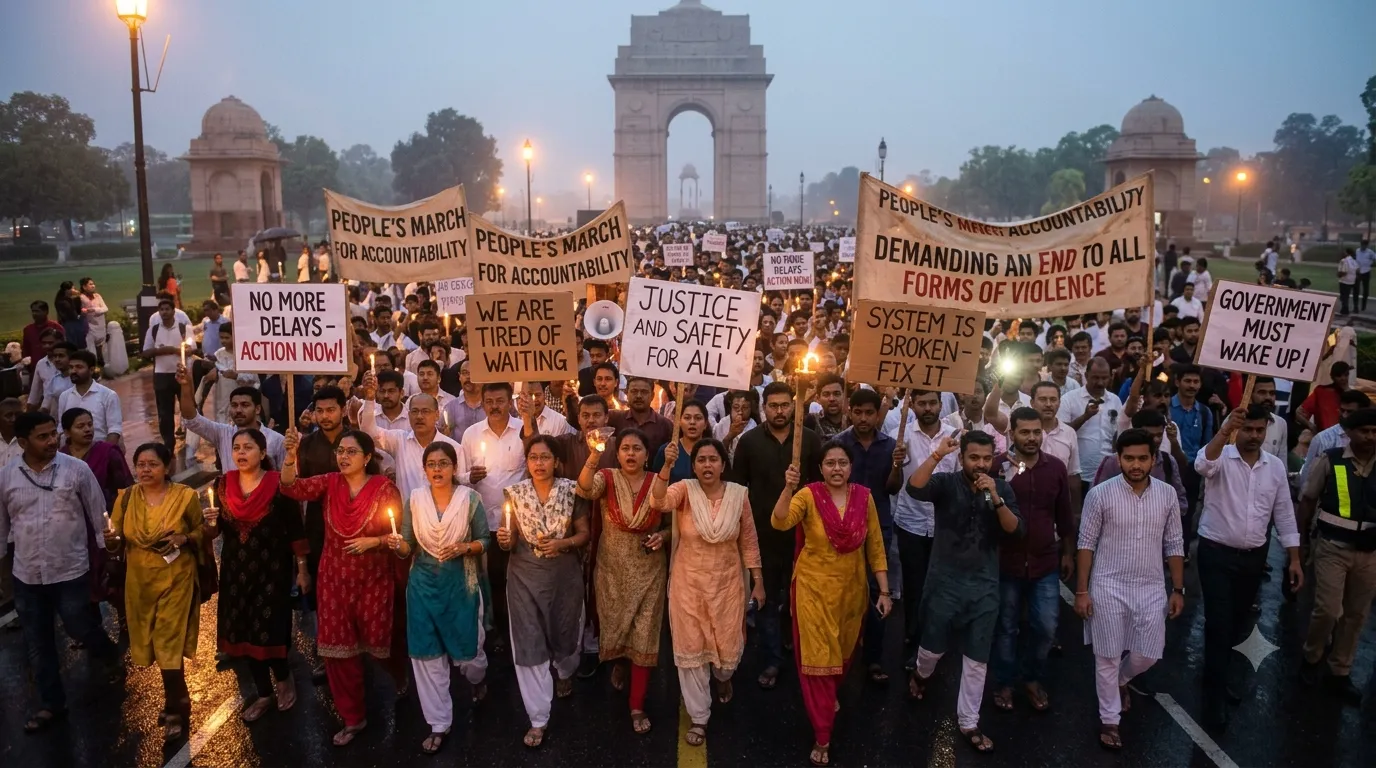
It also pushed reforms in India’s criminal law and intensified the demand for stronger action against sexual violence.
Even years later, the Nirbhaya case remains a painful reminder of a night that should never have happened. It is remembered for the suffering of the victim, the courage of the protests, and the way the country responded with grief and resolve.
More than a crime story, it became a symbol of a larger struggle for dignity, safety, and justice.























Responses (0)
Sign in to share your thoughts.
Sign in