Autism Explained: Why Children and Adults Experience the World Differently
When people hear the word "disability," they often picture something visible, like a wheelchair or a white cane. However

In this article 5 sections
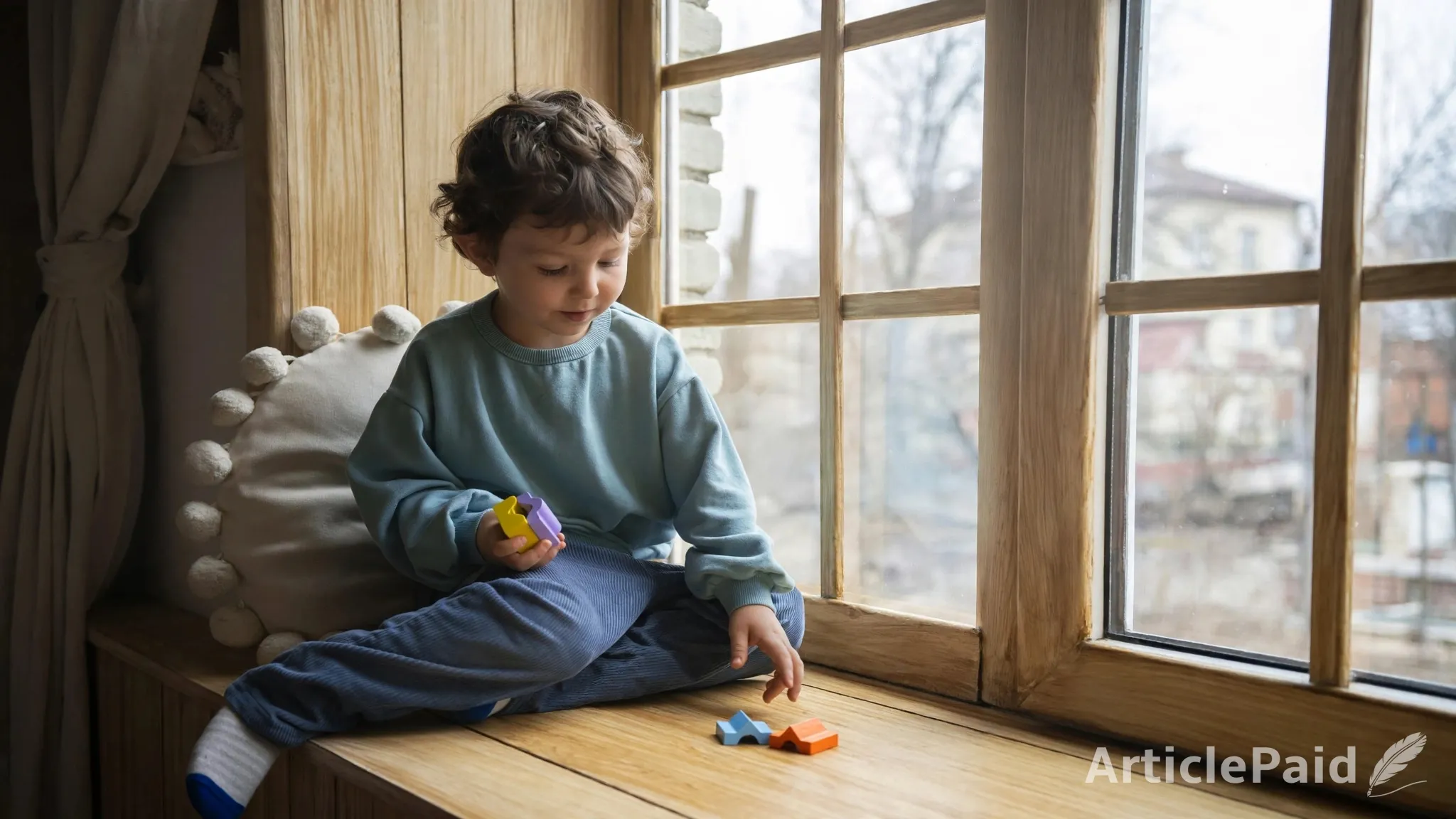
When people hear the word "disability," they often picture something visible, like a wheelchair or a white cane. However, many disabilities are invisible and affect how the human brain processes the world. Autism Spectrum Disorder (ASD) is one of the most misunderstood developmental conditions. It affects both children and adults. Autism is not an illness that needs to be cured, but a different way of experiencing, communicating, and interacting with the world.
What Is Autism?
Autism is a developmental condition that affects how a person communicates, interacts with others, and experiences their surroundings. The word "spectrum" is important because every autistic person is different. Some individuals may need significant daily support and may communicate without spoken language, while others may live independently, work in fields such as technology or art, and still experience difficulties with social cues, communication, or sensory overload.
There is no single way to experience autism, and each person's strengths and support needs can be different.
Challenges Faced by Autistic Children
For some autistic children, the world can feel overwhelming. Bright lights, loud classrooms, crowded places, and unexpected changes in routine may cause stress or anxiety. Sometimes, children may experience emotional meltdowns when they struggle to process too much sensory information. These reactions are often misunderstood by others as bad behavior.
- Education: Many schools still lack inclusive environments and trained teachers who understand the learning and sensory needs of autistic children.
- Social Isolation: Difficulty understanding jokes, social cues, or certain forms of communication can make it harder for some autistic children to build friendships. Without proper understanding, they may also become vulnerable to bullying.
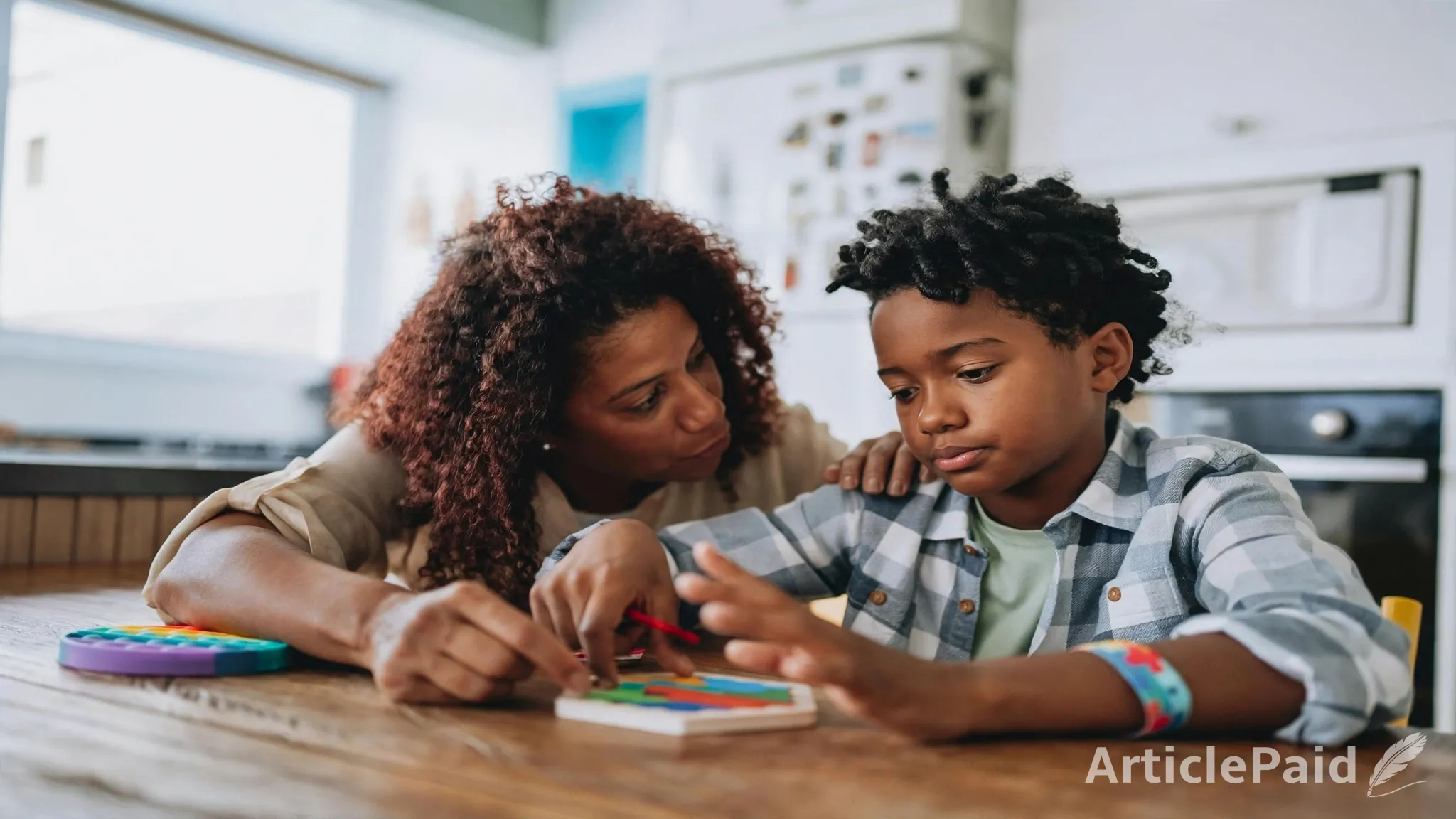
- Early Support: Recognizing developmental differences early can help families find appropriate support. Speech therapy, occupational therapy, and other individualized services may help children develop communication, daily living, and other important skills.
The Overlooked Reality of Autistic Adults

Autism awareness often focuses on children, leaving autistic adults less visible in society. Some adults are not diagnosed until much later in life. Many spend years trying to hide their natural behaviors or imitate socially expected behavior to fit in. This is often called "masking." Although masking may help someone avoid unwanted attention, doing it constantly can contribute to exhaustion, stress, and burnout.
- Employment: Some autistic adults have valuable strengths, such as attention to detail, deep focus, and problem-solving abilities. However, traditional job interviews may create difficulties for people who struggle with social communication. As a result, their actual skills and abilities may not always receive proper recognition.
- Independence: Managing everyday responsibilities such as healthcare, finances, and relationships can require different levels of support. Supportive communities and understanding workplaces can make a significant difference. Simple accommodations, such as quiet workspaces, flexible arrangements, and clear written instructions, can help many autistic adults work more comfortably.
Moving Toward True Inclusion
Building a better society for autistic people does not always require major changes. Sometimes, small acts of understanding and flexibility can make a meaningful difference.
1. Educate Yourself: Replace stereotypes and judgment with curiosity, patience, and understanding.
2. Respect Sensory Needs: Covering the ears, avoiding eye contact, or needing quiet surroundings should not automatically be seen as disrespect. These behaviors may be ways of managing sensory discomfort.
3. Create Inclusive Spaces: Schools and workplaces should recognize different communication styles, learning needs, and abilities instead of expecting everyone to work or behave in exactly the same way.
Conclusion
Autism represents a different way of experiencing and processing the world. Whether it is a child trying to navigate a noisy playground or an adult working toward a successful career, autistic individuals deserve understanding, respect, and equal opportunities.
Instead of expecting every autistic person to fit into society's expectations, we should create environments where different needs and abilities are respected. When society makes room for different ways of thinking and communicating, everyone has a better opportunity to participate and thrive.













Responses (0)