Health Benefits of White Cumin for Teenagers' Immune Health: Nutrition, Benefits
years are an important stage of life. During adolescence, the body experiences rapid growth, hormonal changes, physical

In this article 32 sections
- 1. What Is White Cumin and Why Is It Important for Teenagers?
- 2. Nutritional Compounds in White Cumin That Matter for Health
- Antioxidant Compounds
- Iron
- Magnesium
- Dietary Fiber
- 3. Potential Health Benefits of White Cumin for Teenagers' Immune System
- 1. Provides Natural Antioxidants That Help Protect Cells
- 2. Contributes Minerals Needed for Normal Body Functions
- 3. Contains Plant Compounds Studied for Anti-Inflammatory Properties
- 4. May Contribute to a Healthy Digestive Routine
- 5. Adds Flavor Without Depending on Excess Salt
- 4. Why Teenagers Need Good Nutrition for a Healthy Immune System
- Vitamin C for Normal Immune Function
- Vitamin D for Immune and Bone Health
- Zinc for Immune Cell Function
- Protein for Growth and Tissue Development
- 5. How Teenagers Can Safely Include White Cumin in Their Daily Diet
- Add Cumin to Vegetable Dishes
- Use Cumin in Soups and Homemade Meals
- Prepare Traditional Cumin Water
- A simple preparation method is:
- 6. Healthy Daily Habits That Help Support Teenagers' Immunity
- Eat a Balanced Breakfast
- Drink Enough Water
- Get Enough Sleep
- Exercise Regularly
- Maintain Good Personal Hygiene
- 7. Possible Side Effects and Safety Precautions for Teenagers
- 8. Common Myths About White Cumin and Teenagers' Immunity
- 9. Frequently Asked Questions About White Cumin for Teenagers
- 10. Conclusion: White Cumin as Part of a Healthy Lifestyle for Teenagers
years are an important stage of life. During adolescence, the body experiences rapid growth, hormonal changes, physical development, and increasing nutritional needs. A healthy immune system is especially important during this period because it helps the body defend itself against infections and maintain normal health.
One natural ingredient that deserves attention is white cumin, commonly known as jeera. This small, aromatic seed is widely used in Asian, Middle Eastern, and international cooking. Besides adding flavor to food, white cumin contains natural plant compounds, antioxidants, and minerals that contribute to its nutritional value.
But can white cumin help support the immune health of teenagers? Although scientific research has identified potentially beneficial compounds in cumin, there is not enough clinical evidence to prove that consuming it directly strengthens immunity in adolescents.
Nevertheless, white cumin can be part of a balanced and nutritious diet. Understanding its nutritional properties, possible benefits, limitations, and safe ways to consume it can help teenagers and parents make informed food choices.
1. What Is White Cumin and Why Is It Important for Teenagers?
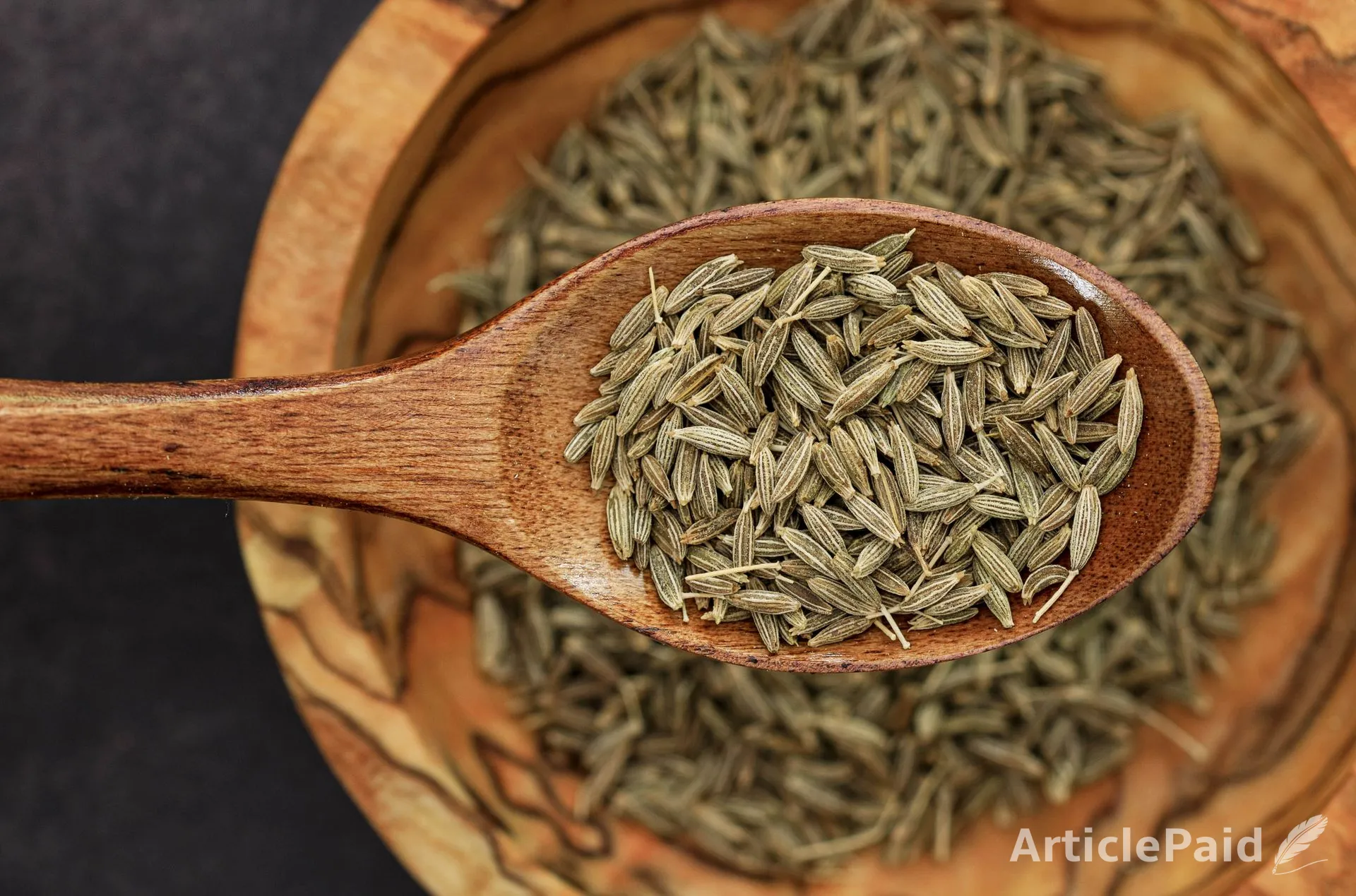
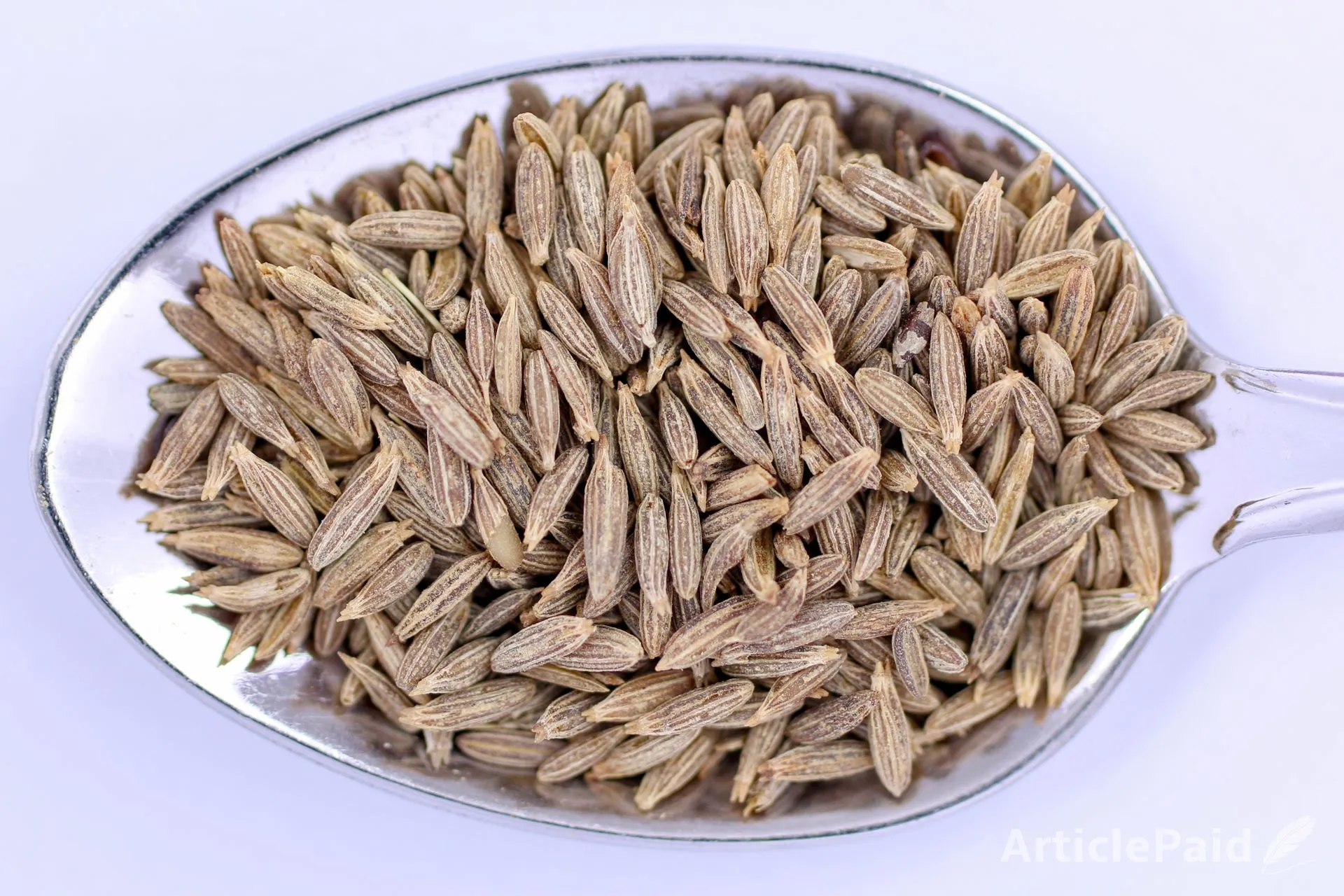
White cumin is the dried seed of a flowering plant scientifically known as Cuminum cyminum. It belongs to the Apiaceae family, which also includes parsley, carrots, and coriander.
The seeds are small, elongated, and usually light brown to yellowish-brown. They have a warm, earthy aroma and a distinctive flavor. White cumin is commonly used in soups, rice dishes, vegetables, meat recipes, sauces, and traditional herbal preparations.
For teenagers, the importance of cumin is mainly related to its role as a nutritious culinary ingredient. During adolescence, the body requires adequate energy, protein, vitamins, and minerals to support growth and normal immune function.
Cumin contains several naturally occurring compounds, including flavonoids, terpenes, and cuminaldehyde. These substances have attracted scientific interest because some have demonstrated antioxidant activity in laboratory research.
However, cumin should be viewed as one small part of a healthy eating pattern, not as a special treatment for immune problems.
2. Nutritional Compounds in White Cumin That Matter for Health
Although cumin is usually consumed in small quantities, it contains several nutritional components that are worth understanding.
Antioxidant Compounds
One of the most interesting characteristics of white cumin is its natural antioxidant content. Antioxidants are substances that help protect cells against oxidative damage caused by unstable molecules called free radicals.
The body naturally produces free radicals during everyday processes such as energy production. However, excessive oxidative stress may contribute to cellular damage.
Cumin contains plant compounds such as flavonoids and cuminaldehyde that have demonstrated antioxidant properties in experimental studies. These compounds are being investigated for their possible roles in protecting cells and supporting normal biological processes.
For teenagers, consuming a variety of antioxidant-containing foods, including fruits, vegetables, nuts, and seeds, is a practical way to support overall nutritional health.
Iron
Iron is an essential mineral that helps the body produce hemoglobin, a protein in red blood cells responsible for carrying oxygen throughout the body.
During adolescence, iron requirements become particularly important because of increasing blood volume, muscle development, and rapid physical growth. Teenagers who menstruate may have additional iron needs because of monthly blood loss.
Cumin contains iron, but the small quantities normally used in cooking mean it should not be relied upon as the main source of this mineral.
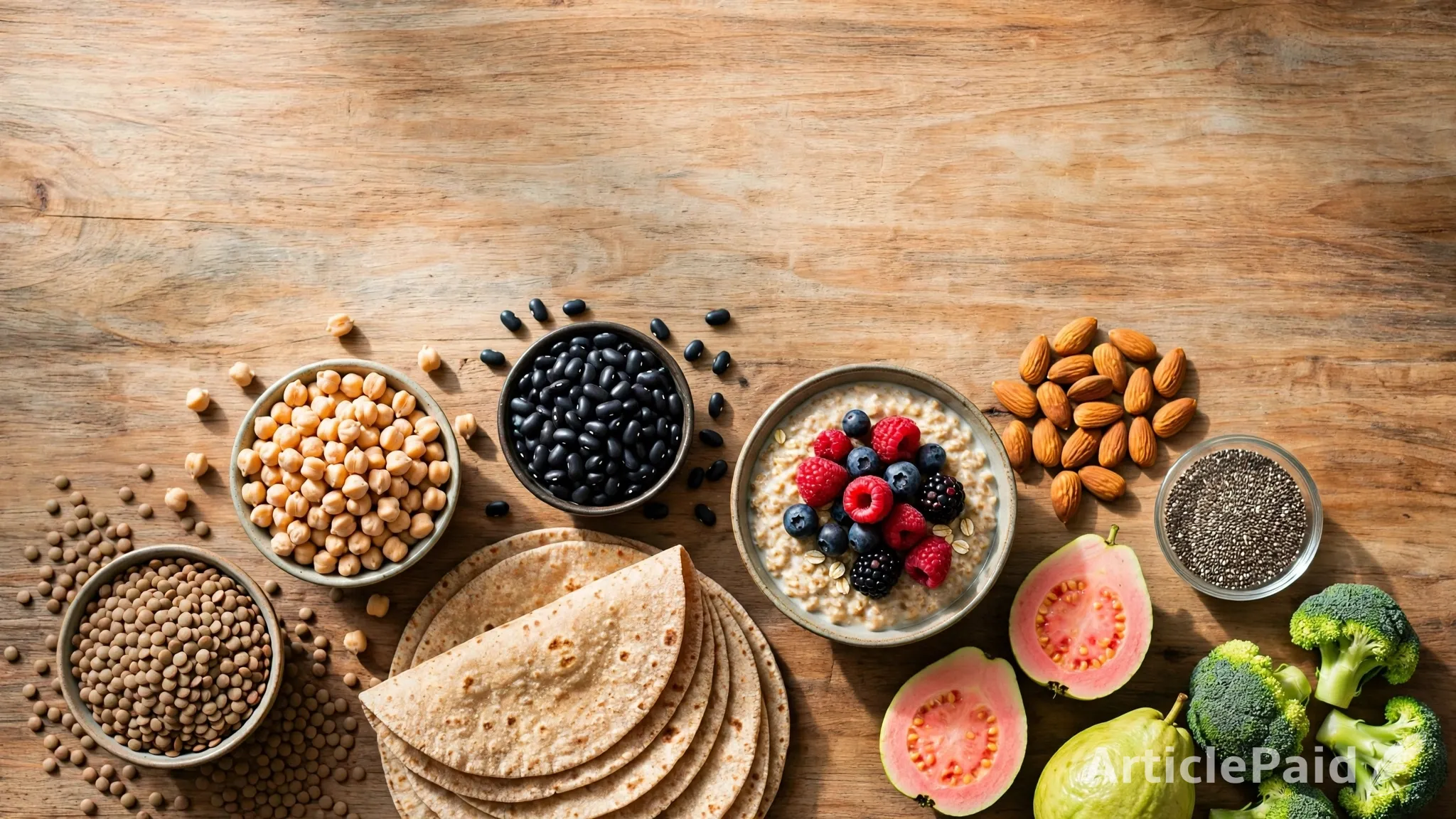
Other useful sources include lean meat, fish, beans, lentils, fortified cereals, and dark green vegetables.
Magnesium
Magnesium supports many functions in the body, including muscle activity, nerve signaling, energy production, and normal cellular processes.
Teenagers need adequate magnesium as their bodies develop and become more physically active. Cumin provides some magnesium, although nuts, seeds, legumes, whole grains, and leafy vegetables are more practical sources when eaten in larger portions.
Dietary Fiber
Whole cumin seeds contain dietary fiber, which contributes to normal digestive function and bowel regularity.
Healthy digestion is important during adolescence because the body needs to absorb nutrients from food to support growth and daily activities.
However, the amount of cumin normally consumed is too small to provide a significant portion of a teenager's daily fiber requirement.
3. Potential Health Benefits of White Cumin for Teenagers' Immune System
The immune system protects the body through a complex network of cells, tissues, and organs. Good nutrition helps these components function normally.
White cumin contains several compounds that researchers have investigated for possible biological benefits. The following sections explain what is known and what remains uncertain.
1. Provides Natural Antioxidants That Help Protect Cells
Teenagers experience many physical and biological changes as they grow. Their bodies need protection and maintenance at the cellular level to support normal development.
White cumin contains antioxidant plant compounds that have demonstrated the ability to interact with free radicals in laboratory experiments.
Antioxidants are important because excessive oxidative stress can damage cellular structures, including proteins and DNA.
Although these findings are scientifically interesting, it has not been established that ordinary servings of cumin provide a measurable improvement in immune protection for teenagers.
Eating cumin alongside antioxidant-rich foods such as oranges, berries, tomatoes, carrots, and spinach can contribute to a varied diet.
2. Contributes Minerals Needed for Normal Body Functions
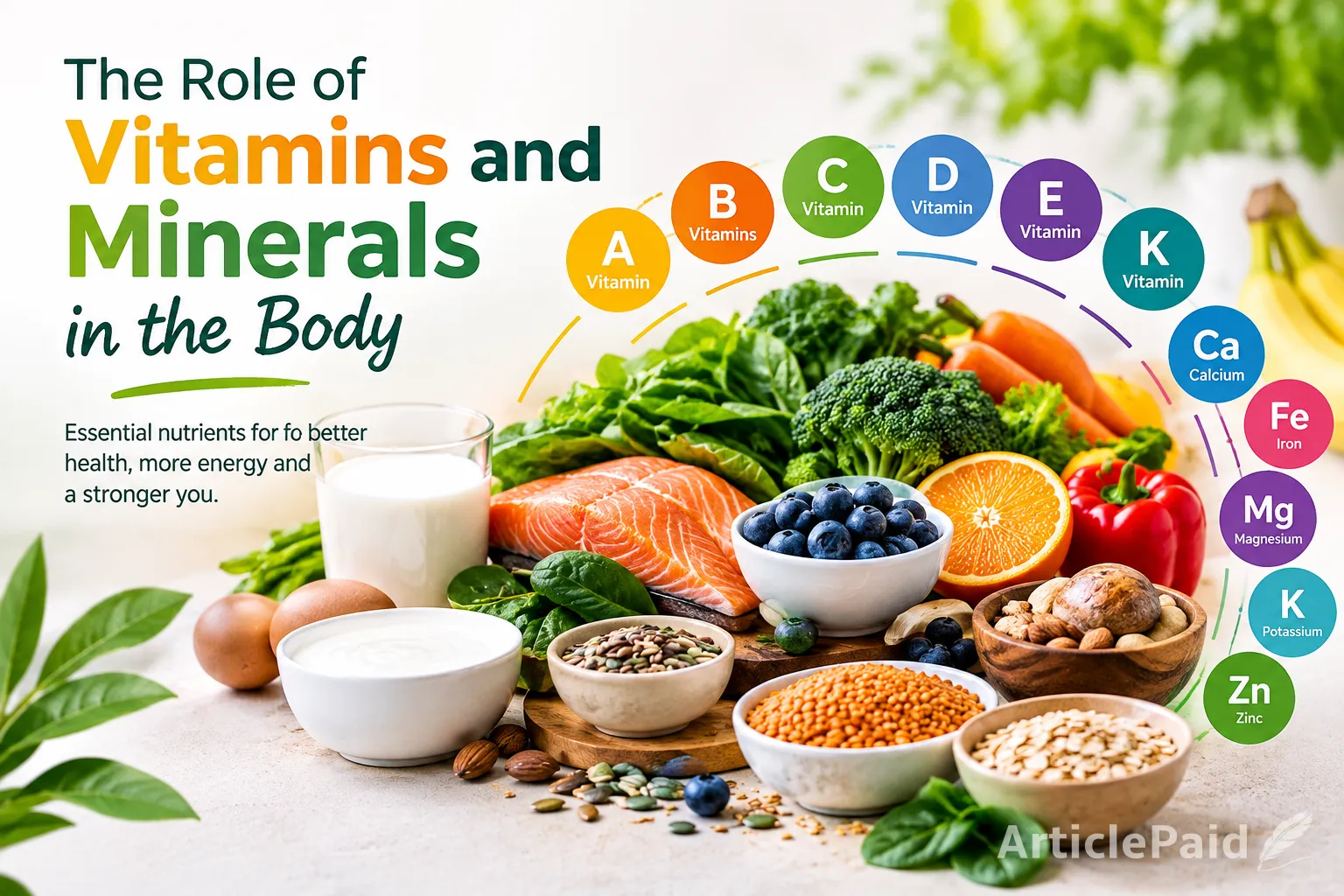
Several minerals are involved in the development and normal functioning of the immune system. Iron and magnesium are among the minerals found in white cumin.
Iron is important for oxygen transport and the development of certain immune cells. Magnesium participates in numerous reactions involved in cellular activity and energy metabolism.
When teenagers do not obtain enough essential nutrients, their general health and normal body functions may be affected.
However, cumin alone cannot provide all the minerals needed during adolescence. A combination of nutrient-rich foods is a more reliable way to meet nutritional requirements.
3. Contains Plant Compounds Studied for Anti-Inflammatory Properties
Inflammation is a natural biological response that helps the body respond to injury and infection. It is an important part of the immune system.
Some plant compounds found in cumin have demonstrated anti-inflammatory activity in laboratory and experimental research.
Scientists are interested in understanding how compounds such as cuminaldehyde may influence biological pathways associated with inflammation.
However, these findings do not prove that eating cumin reduces inflammation in teenagers or treats inflammatory diseases. More well-designed human studies are needed.
4. May Contribute to a Healthy Digestive Routine
The digestive system does more than process food. It also interacts with the immune system through the gut microbiome, a community of microorganisms living in the intestines.
Maintaining a healthy digestive system is important for nutrient absorption, regular bowel movements, and overall well-being.
Cumin has traditionally been used in food preparations associated with digestive comfort. However, scientific evidence for specific digestive benefits in teenagers remains limited.
Including cumin in balanced meals containing vegetables, beans, whole grains, and other fiber-rich foods may help make nutritious meals more enjoyable.
5. Adds Flavor Without Depending on Excess Salt
An often-overlooked benefit of cumin is its ability to improve the flavor of everyday meals.
Teenagers sometimes prefer heavily seasoned foods or packaged meals that contain considerable amounts of sodium. Cumin provides a strong natural flavor that can make homemade dishes more appealing.
Using spices such as cumin, garlic, ginger, and herbs can help families prepare flavorful meals without relying entirely on salt.
This is a practical dietary advantage, although it is not a direct immune-boosting effect.
4. Why Teenagers Need Good Nutrition for a Healthy Immune System
During adolescence, the body undergoes major changes in height, muscle mass, bone development, and hormonal activity. These changes increase the importance of eating enough nutritious food.
According to general adolescent nutrition guidance, a healthy diet should provide a variety of nutrients rather than depending on one particular food or supplement.
Vitamin C for Normal Immune Function
Vitamin C contributes to normal immune function and helps protect cells from oxidative damage. It is also important for collagen production and wound healing.
Good food sources include oranges, guava, strawberries, kiwi, papaya, and bell peppers.
Vitamin D for Immune and Bone Health
Vitamin D plays an important role in calcium absorption, bone development, and normal immune function.
Teenagers can obtain vitamin D from certain foods, fortified products, and sunlight-related vitamin D production in the skin. Some individuals may need medical guidance to determine whether supplementation is appropriate.
Zinc for Immune Cell Function
Zinc is an essential mineral involved in immune cell development, wound healing, and normal growth.
Food sources include meat, seafood, dairy products, beans, nuts, and seeds.
Protein for Growth and Tissue Development
Protein provides amino acids that the body needs to build and repair tissues and produce important proteins involved in immune responses.
Eggs, fish, chicken, milk, yogurt, tofu, beans, and lentils are useful protein sources for teenagers.
5. How Teenagers Can Safely Include White Cumin in Their Daily Diet
White cumin is easy to include in ordinary meals. For most healthy teenagers, using it as a culinary spice is a practical way to enjoy its flavor and nutritional contribution.
Add Cumin to Vegetable Dishes
Sprinkle a small amount of ground cumin into cooked carrots, potatoes, spinach, broccoli, or mixed vegetables. It adds an earthy flavor and can make homemade vegetable dishes more enjoyable.
Use Cumin in Soups and Homemade Meals
Cumin works well in chicken soup, lentil soup, vegetable soup, bean dishes, and homemade sauces. Combining it with different vegetables and protein sources helps create balanced meals.
Prepare Traditional Cumin Water
Some families prepare cumin water by boiling whole seeds in water. It can be consumed as a traditional beverage, but there is no established evidence that it improves immune function in teenagers.
A simple preparation method is:
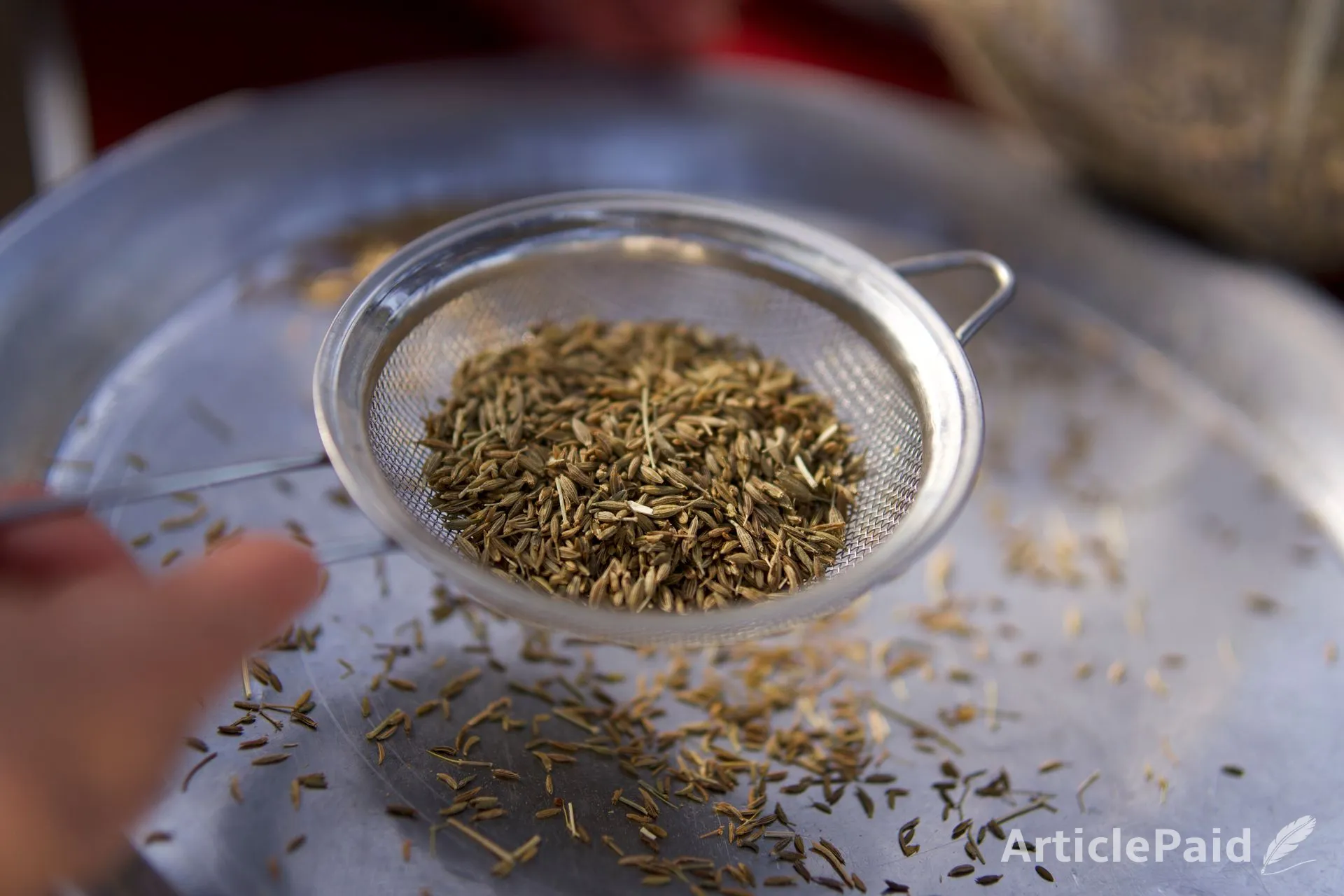
Take approximately half a teaspoon of whole white cumin seeds.Wash the seeds with clean water.Place them in one cup of drinking water.Bring the water to a gentle boil for several minutes.Allow it to cool to a comfortable temperature.Strain the seeds if desired and drink it.
There is no scientifically established daily dose of cumin water for teenagers. It should be treated as an optional traditional drink rather than a necessary health supplement.
Combine Cumin With Other Nutritious Ingredients
Teenagers can enjoy cumin with garlic, ginger, turmeric, vegetables, beans, eggs, fish, and lean meat.
The goal is not to combine as many spices as possible. Instead, it is to develop healthy eating habits that provide enough energy and essential nutrients for growth.
6. Healthy Daily Habits That Help Support Teenagers' Immunity
Although white cumin can be part of a nutritious diet, several everyday habits have a more important role in supporting normal immune function.
Eat a Balanced Breakfast
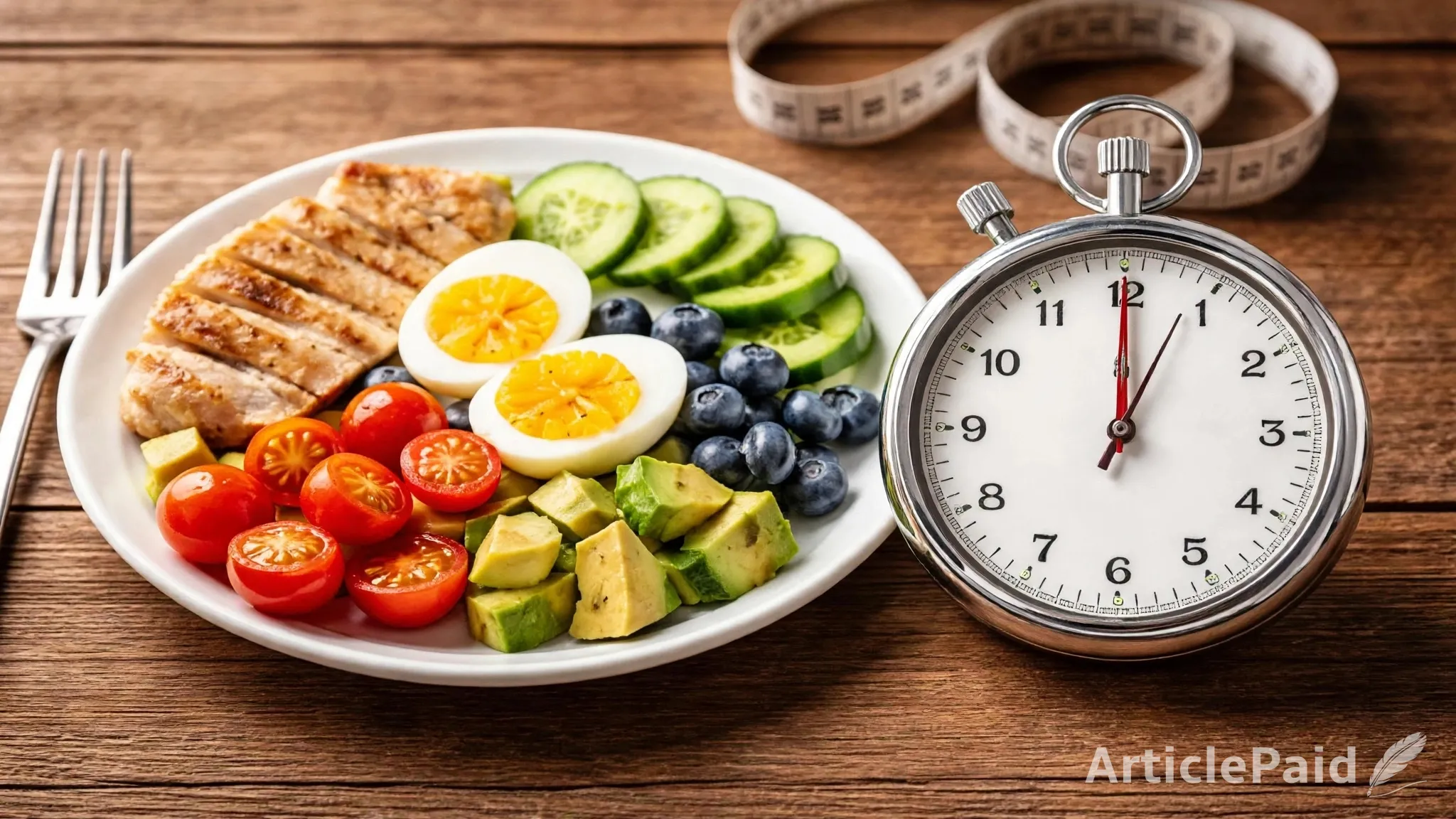
Breakfast can provide energy and nutrients needed for school, exercise, and other daily activities. Examples include eggs, whole-grain bread, fruit, milk, or yogurt.
Drink Enough Water
Water supports digestion, circulation, temperature regulation, and other important body functions. Teenagers should drink regularly throughout the day, especially during hot weather and physical activity.
Get Enough Sleep
Teenagers generally need eight to ten hours of sleep each night. Adequate sleep supports normal development, concentration, and immune regulation.
Exercise Regularly
Walking, cycling, swimming, playing sports, and other enjoyable physical activities support physical fitness and overall health.
Maintain Good Personal Hygiene
Washing hands with soap, keeping food preparation areas clean, and following appropriate food safety practices can help reduce exposure to harmful microorganisms.
7. Possible Side Effects and Safety Precautions for Teenagers
White cumin is commonly used as a food seasoning and is generally well tolerated in normal culinary quantities. However, concentrated extracts and supplements are different from ordinary food ingredients.
Digestive Discomfort
Consuming unusually large quantities of cumin may cause stomach discomfort, heartburn, or digestive disturbances in some individuals.
Teenagers should avoid excessive consumption, particularly if they notice discomfort after eating cumin.
Allergic Reactions
Although uncommon, some individuals may develop an allergic reaction to cumin or other spices. Stop consuming it if an unusual reaction occurs.
Difficulty breathing, swelling of the throat, or severe dizziness requires immediate medical attention.
Be Careful With Cumin Supplements
Cumin supplements, concentrated extracts, and essential oils may contain much higher concentrations of plant compounds than ordinary food preparations.
There is insufficient evidence to establish safe and effective medicinal doses of these products for teenagers. Parents should not give adolescents concentrated cumin supplements or essential oils for immune health without consulting a qualified healthcare professional.
Do Not Use Cumin as a Replacement for Medical Treatment
Cumin cannot replace antibiotics, antiviral medicines, vaccinations, or appropriate medical care. Teenagers experiencing persistent fever, repeated infections, or unusual symptoms should receive medical evaluation.
8. Common Myths About White Cumin and Teenagers' Immunity
Myth 1: White Cumin Can Prevent All Infections
There is no reliable clinical evidence that consuming white cumin prevents infections. Its antioxidant properties in laboratory research should not be confused with proven protection against illness.
Myth 2: Teenagers Must Drink Cumin Water Every Morning
This is not a medical requirement. Teenagers can maintain a healthy diet without drinking cumin water. Regular meals, adequate hydration, and sufficient sleep are more important.
Myth 3: Eating More Cumin Produces Better Immunity
More does not necessarily mean better. Excessive consumption may cause discomfort, and concentrated supplements may carry additional risks.
Myth 4: Cumin Can Replace Fruits and Vegetables
Cumin does not provide the full range of vitamins, minerals, and fiber found in fruits and vegetables. A varied diet remains essential for healthy growth and development.
9. Frequently Asked Questions About White Cumin for Teenagers
1. Is white cumin good for teenagers' immune health?
White cumin contains antioxidant plant compounds and small amounts of minerals that contribute to its nutritional value. However, it has not been proven to directly strengthen the immune system in teenagers. It can be included as part of a balanced diet.
2. Can teenagers drink cumin water every day?
There is no established medical requirement or proven immune benefit associated with drinking cumin water daily. Normal food use is generally appropriate for most healthy teenagers, but excessive consumption and concentrated preparations should be avoided.
3. At what age can teenagers consume white cumin?
White cumin is commonly used as a culinary spice in family meals. Most teenagers can consume ordinary food quantities unless they have an allergy or another individual health concern. Supplements require additional caution.
4. Does white cumin contain vitamins that support immunity?
Cumin contains several nutrients and plant compounds, but it is not a major source of the full range of immune-related vitamins. Teenagers should obtain vitamin C, vitamin D, vitamin A, and other essential nutrients from a varied diet.
5. Can cumin help teenagers recover from colds and flu?
There is no strong clinical evidence that cumin speeds recovery from colds or influenza. Rest, fluids, appropriate symptom management, and medical advice when necessary are more reliable approaches.
6. Is white cumin better than black cumin for immune health?
White cumin (Cuminum cyminum) and black cumin (Nigella sativa) are different plants. They have different chemical compositions and research findings. There is insufficient evidence to establish that either is better for improving teenagers' immune health.
7. Can parents give teenagers cumin supplements?
Parents should not assume that herbal supplements are safe simply because they are natural. Concentrated cumin supplements have not been adequately studied for immune benefits and appropriate doses in teenagers. Consult a healthcare professional before considering them.
10. Conclusion: White Cumin as Part of a Healthy Lifestyle for Teenagers
White cumin is a flavorful culinary spice that contains natural antioxidant compounds, iron, magnesium, and other nutritional components. These characteristics make it an interesting ingredient to include in a varied and balanced diet.
For teenagers, good nutrition is particularly important because adolescence involves rapid physical growth, bone development, hormonal changes, and increasing nutritional requirements. Cumin may contribute small amounts of useful nutrients, but it cannot independently meet these needs or guarantee stronger immunity.
The best approach is to use white cumin in ordinary meals while encouraging teenagers to eat fruits, vegetables, protein-rich foods, whole grains, and other nutrient-dense ingredients.
Getting enough sleep, staying physically active, drinking adequate water, practicing good hygiene, and following recommended healthcare guidance are also important parts of maintaining overall health.
Ultimately, white cumin can be a useful addition to a healthy teenage diet, but a strong and healthy immune system depends on a combination of good nutrition and consistent lifestyle habits.
Medical Disclaimer: This article is intended for educational purposes only and does not replace professional medical advice, diagnosis, or treatment. Parents and teenagers should consult a qualified healthcare professional before using herbal supplements or concentrated cumin products, especially when taking medication or managing an existing health condition.










Responses (0)