
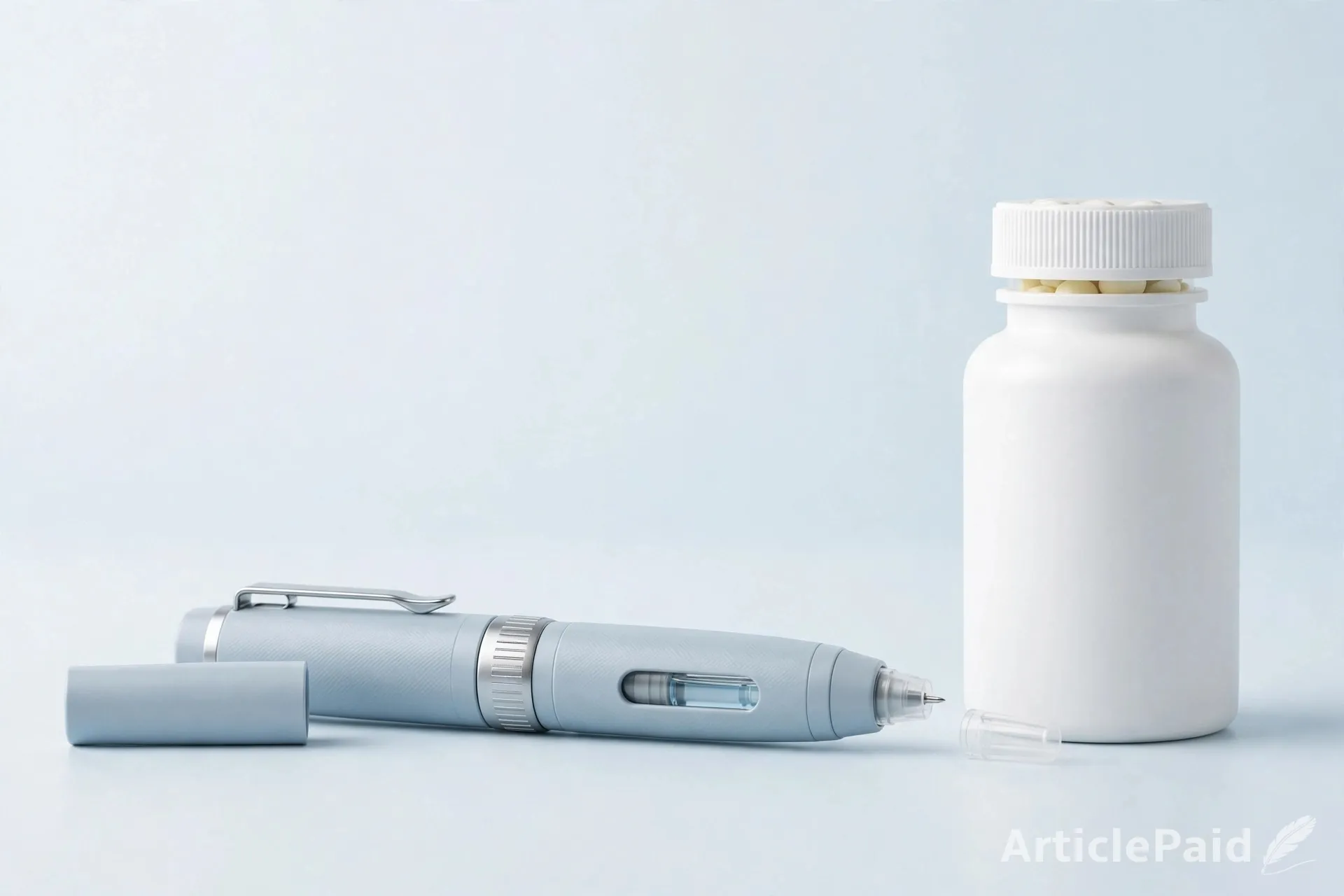
Chances are you've heard the names by now — Ozempic, Wegovy, Mounjaro, Zepbound. They've shown up in group chats, news segments, even casual dinner conversations about someone's cousin who "just started one." What started as a diabetes treatment has turned into arguably the biggest medical story of the decade, and 2026 is bringing some genuine shifts worth paying attention to.
So What Are These Drugs, Actually?
GLP-1 receptor agonists weren't built for weight loss in the first place. Doctors developed them to manage type 2 diabetes, since they mimic a hormone your gut already makes — one that slows digestion, keeps blood sugar steadier, and, almost as a side note, makes you feel full faster. That last part is what changed everything. Patients kept mentioning the weight loss almost in passing, and researchers took notice.
No More Needles (For Some People, Anyway)
 Here's the headline change for 2026: there's finally a pill. Injections have been the only option for years, which put a lot of people off. That changed in late December when the FDA cleared the first oral GLP-1 for weight loss — a daily semaglutide pill, basically Wegovy without the needle. About a third of trial participants dropped 20% or more of their body weight, which is a big number. A competing pill from another major drugmaker is expected sometime this year too, so patients will actually have a choice soon.
The Price Tag Is Shrinking (Just Not Enough Yet)
Cost has always been the sticking point with these drugs. It's starting to ease up, though not dramatically. Cash-pay pricing for the new oral pills is landing around $149 a month — compare that to $349-plus for the injections. More companies entering the space, plus new deals with pharmacies and telehealth platforms, seem to be the reason prices are inching down. The list price on the injectable versions, though, hasn't really budged.
Insurance Is... Still Insurance
Coverage remains a headache for a lot of people. Plenty of plans only pay for GLP-1s once someone's BMI crosses 40, even though the clinical definition of obesity starts at 30. There's a bit of good news here — a new coverage model is expected to open up Medicaid access starting in May 2026, with Medicare following sometime in 2027. Progress is happening, just slowly, and probably slower than most patients would like.
It's Not Just About Weight Anymore
What's really interesting is how far past weight loss this category has moved. Researchers and regulators are now looking at GLP-1s for heart disease, kidney problems, liver conditions, and even sleep apnea. Some newer combination drugs — pairing semaglutide with other compounds — are pushing weight loss numbers even higher, close to 29% in trials. That said, higher effectiveness has come with more side effects and more people dropping out of studies, so it's not a free win.
One Thing Worth Knowing Before You Start
These medications aren't necessarily a forever solution for everyone. A fair number of older patients stop taking them within the first year — cost, side effects, and muscle loss all play a role. It's a good reminder that GLP-1s tend to work best alongside real lifestyle changes: eating well, staying active, building strength, and checking in regularly with a doctor. Not as a standalone fix.
A Few Common Questions
Does the pill work as well as the injection?
Trial results look promising, with a lot of patients hitting 20%+ weight loss. Still, everyone responds differently, so it's really a conversation to have with your doctor.
Will my insurance actually cover this in 2026?
It depends heavily on your diagnosis, your BMI, and your specific plan. Coverage is loosening up but far from universal — worth a direct call to your provider.
What about side effects?
Nausea, digestive issues, and muscle loss come up often, especially at higher doses. Your doctor can help you weigh whether the benefits outweigh those risks for your situation.
Where This Leaves Us
 2026 is turning out to be a real inflection point for GLP-1 drugs — more delivery options, somewhat friendlier pricing, and a use case that's expanding well beyond weight loss. Still, none of this replaces a conversation with a medical professional who actually knows your health history.






















Responses (0)
Sign in to share your thoughts.
Sign in