How Water Affects Your Mood and Your Body

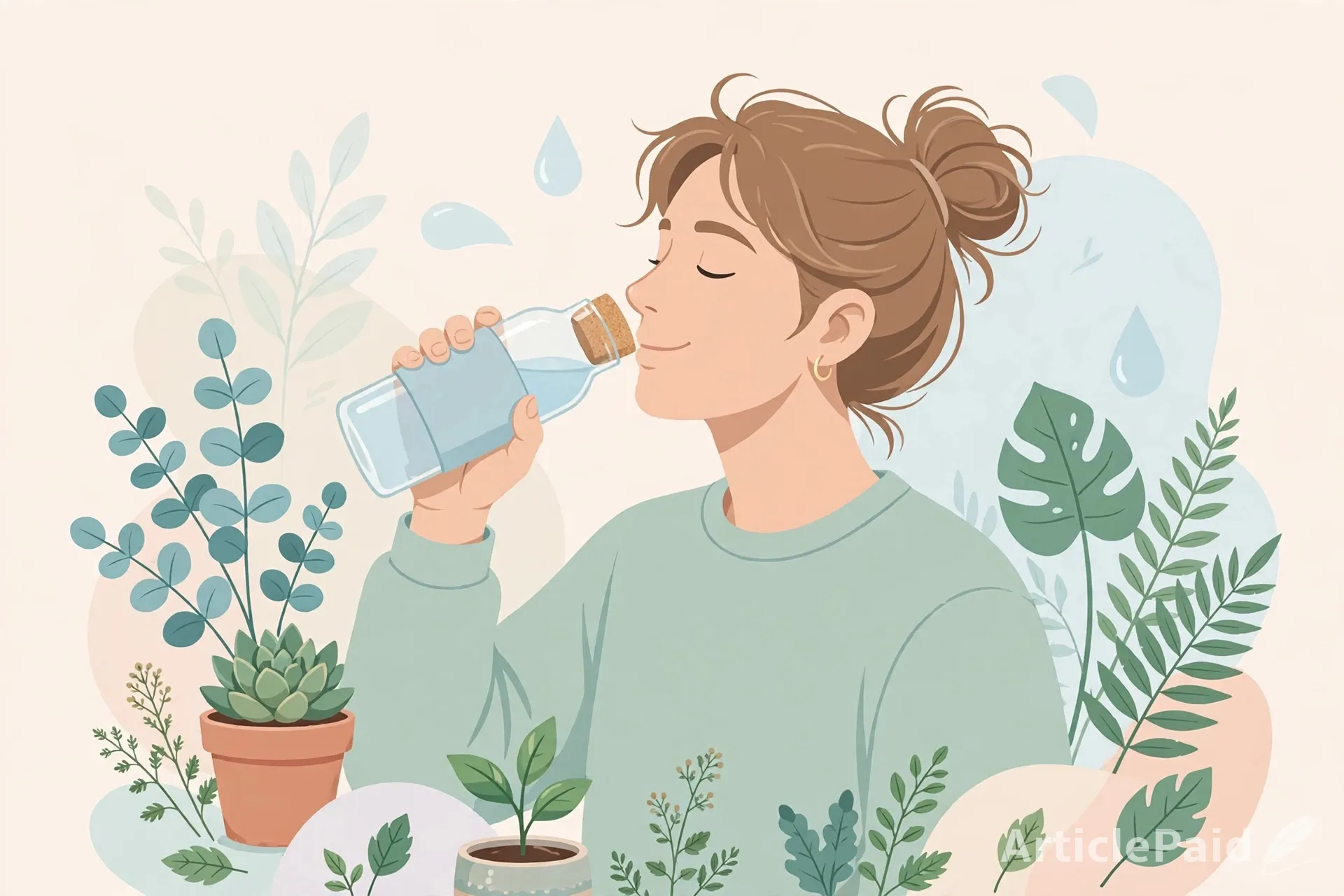
How Hydration Affects Your Energy, Mood, and Focus
Water is easy to take for granted. We reach for it when thirsty, but hydration supports much more than relieving thirst. It helps regulate body temperature, transport nutrients, support digestion, and keep organs working properly. It also influences how energetic, positive, and focused we feel. Understanding the connection between hydration, energy, mood, and focus can help you build a simple habit for everyday wellbeing.
Hydration and Daily Energy
Feeling tired does not always mean you need more sleep. Sometimes, not drinking enough fluids can add to fatigue. Water helps maintain blood volume and circulation, allowing oxygen and nutrients to travel around the body. When fluid levels fall, the body works harder to maintain normal functions. Mild dehydration may contribute to tiredness, weakness, headaches, or reduced physical performance.
Drinking water regularly can help prevent dehydration-related fatigue. Try having a glass after waking up, keeping a bottle nearby, and drinking with meals. If you exercise or spend time outside in hot weather, sweating increases your fluid needs. Water will not replace sleep, food, or rest, but adequate hydration helps your body function normally.
How Water Can Influence Your Mood
Your physical state can affect your emotions. When thirsty or dehydrated, you may feel uncomfortable, irritable, or less patient. Mild dehydration can be associated with mood changes and fatigue. Water is not a cure for stress or low mood, but drinking enough fluids is one practical way to support wellbeing.
Notice how you feel during the day. If you become unusually thirsty, develop a dry mouth, or feel sluggish, take a moment to drink water. A short break, balanced meal, fresh air, and enough sleep can also help you feel more settled.
Hydration and Better Focus
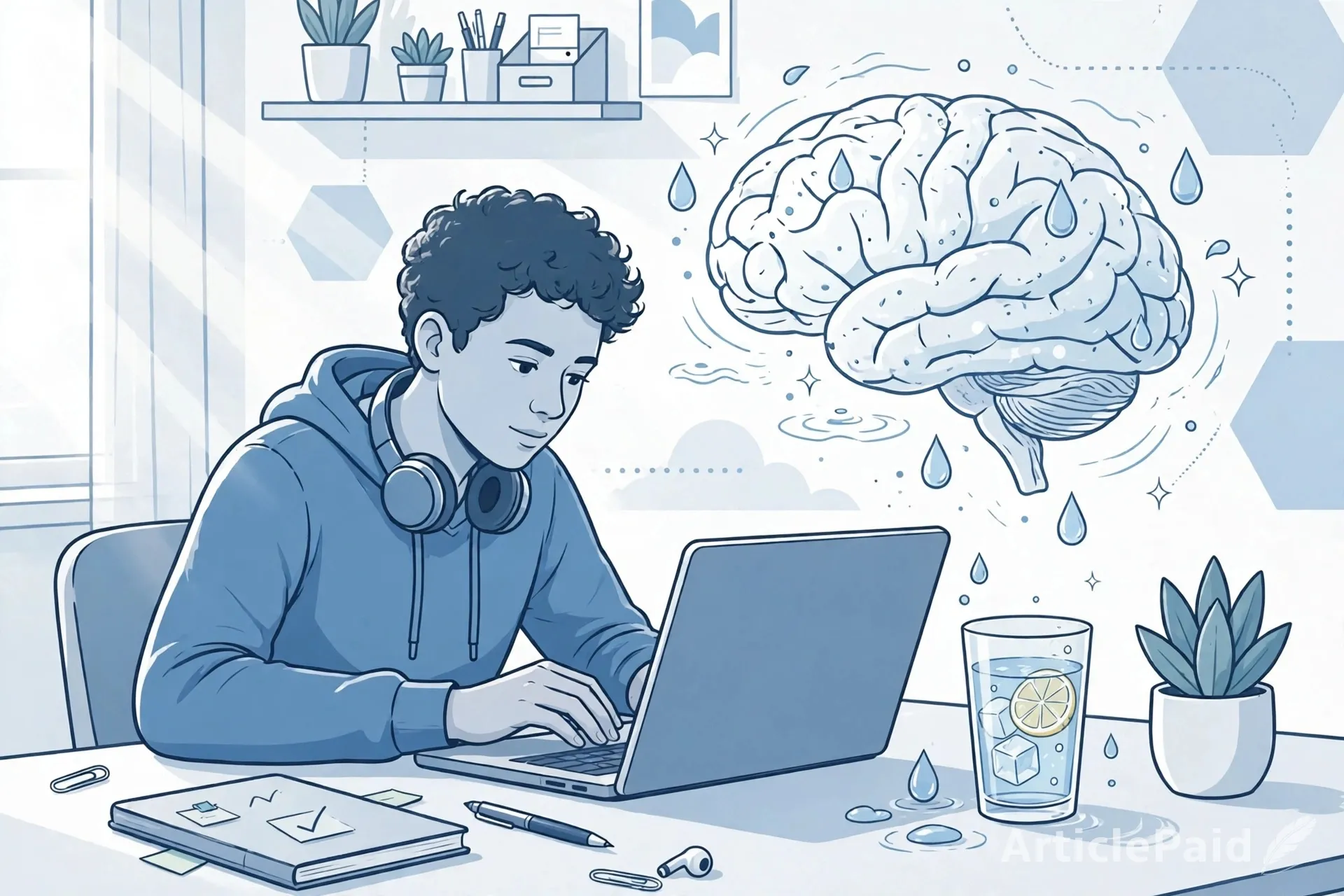
The brain depends on water to function normally. When you do not drink enough, dehydration may affect attention, alertness, and mental performance. You might find it harder to concentrate, follow a conversation, or stay productive while studying or working.

Make hydration part of your routine instead of waiting until you feel thirsty. Keep water beside your desk, take sips during breaks, and drink before and after physical activity. Pairing a water break with a screen break can give your mind a useful pause.
Signs You May Need More Fluids
Thirst is an obvious reminder, but other signs can include dry mouth, darker yellow urine, headache, dizziness, and tiredness. These symptoms can have other causes, so do not assume water will solve every problem. Pale yellow urine is often a helpful guide, although foods, vitamins, and medicines can change its colour.
Simple Ways to Stay Hydrated
Build habits that fit your day. Start with water in the morning, carry a reusable bottle, and drink with meals. Add water-rich foods such as cucumber, watermelon, oranges, tomatoes, and soups. Increase fluids in hot weather or when exercise makes you sweat. Needs vary with body size, activity, climate, diet, and health.
Avoid forcing yourself to drink excessive amounts quickly. Too much water in a short time can dangerously lower blood sodium. People with kidney, heart, or other conditions affecting fluid balance should follow advice from a healthcare professional.
Final Thoughts
Good hydration is a small daily habit with meaningful benefits. Drinking enough water supports normal energy, physical comfort, and the brain's need for fluids. Keep water within reach, enjoy hydrating foods, and respond to thirst. Alongside sleep, nourishing meals, and movement, consistent hydration can help you feel ready for the day comfortably.













Responses (0)