
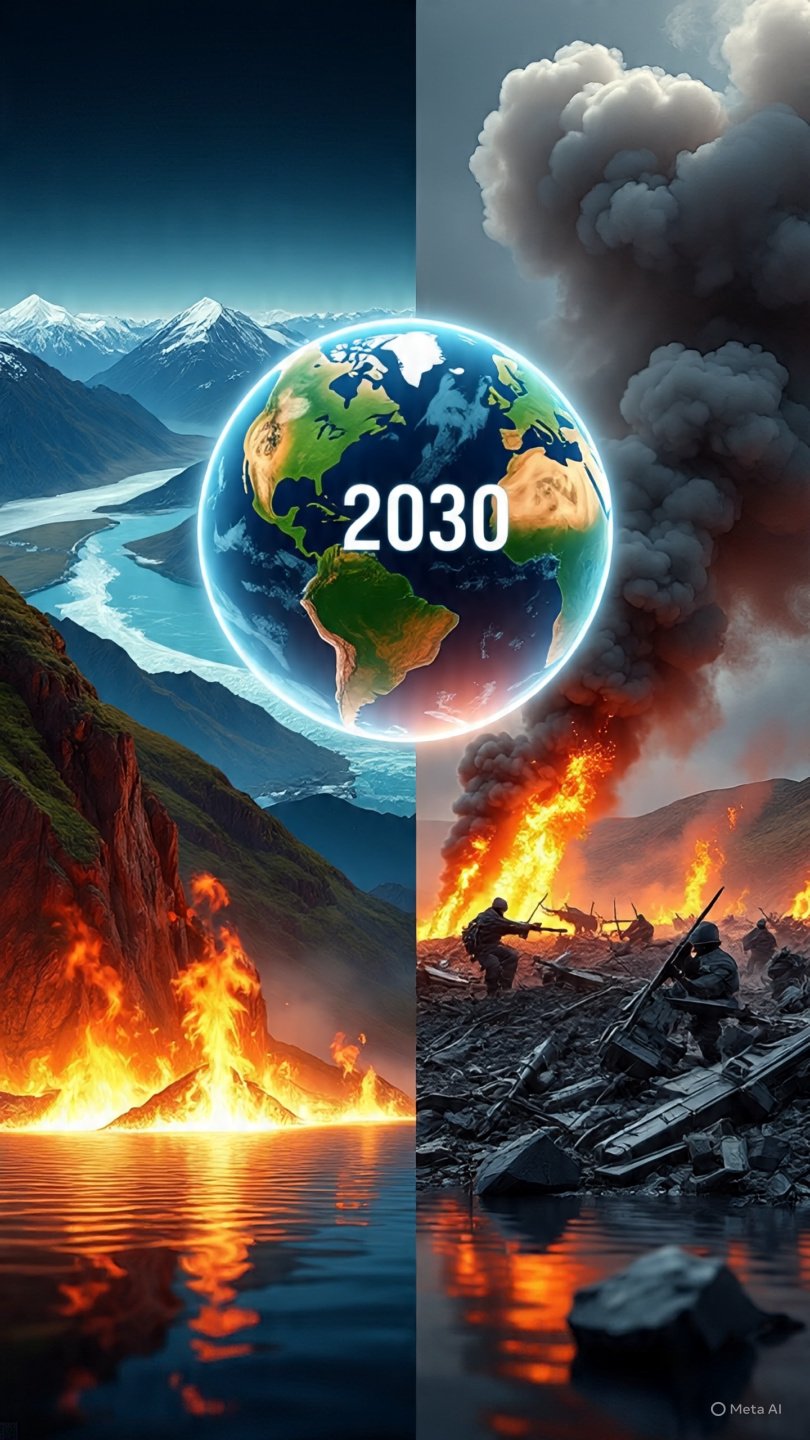
In today’s uncertain global landscape, many people are asking an important question: is the future of the world by 2030 at risk due to climate change and rising global conflicts? With rising temperatures and ongoing wars, this concern has become more real than ever.
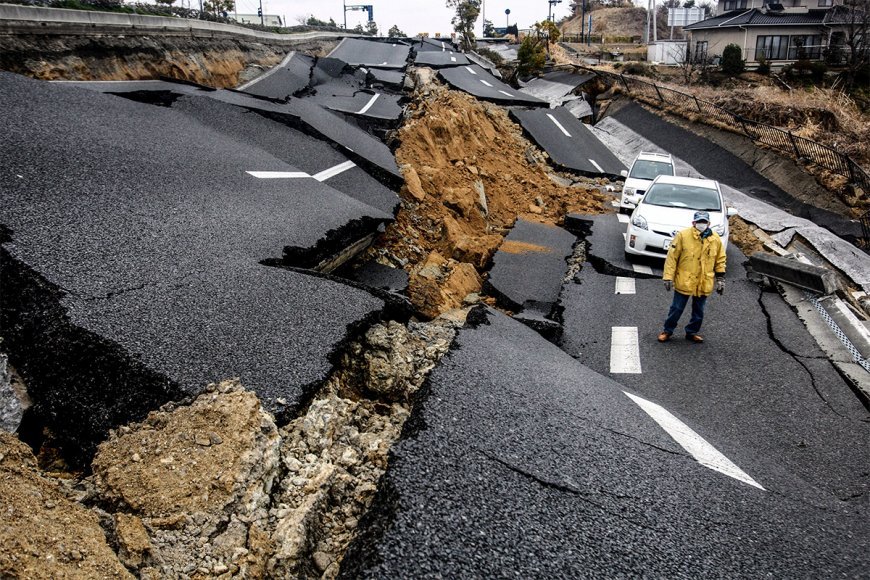
The effect of environmental shift is already visible across the world. The effects of "global warming" are worsening at an alarming rate, from rising global temperatures to melting glaciers. One of the most noticeable consequences is the increase in extreme weather events such as floods, heatwaves, hurricanes, and wildfires.
Not only do these changes in the ecosystems harm the environment ,but they also put human livese at risk.Another major problem linked to the climate crisis is the growing shortage of natural resources. One of humanity's greatest challenges may be the "future of water crisis," as water scarcity is becoming a serious global issue.
People already struggle to get clean water to drink in many parts of the world, and this problem is expected to get worse in the coming years. In the meantime, international conflicts and wars are escalating the issue.
Large quantities of carbon dioxide are released during military operations, which directly contribute to "global warming". This shows how much 'climate change' and 'war effects' are connected to each other.Environment, economies, and infrastructure are all harmed by war.
Analysts warn that 2030 predictions could include widespread food insecurity if decisive action is not taken, massive population displacement, and fierce competition for decreasing-in-number resources. Conflicts in politics could get worse. and spread as nations compete to secure food and water supplies.
A vicious cycle is started as a result, leading to more environmental destruction and armed conflict. Yet there is still some hope to be had. Eco-friendly strategies are being promoted, and greenhouse gas emissions are being reduced by governments and institutions all over the world.
Solar and wind power are examples of clean energy options that are expanding fast. The aim of these steps is to lessen the effect of the climate crisis and make the future more resilient. These measures aim to mitigate the severity of the climate emergency and crisis.Individuals' actions can also create major impact.
Minor actions live saving such as saving water, reducing waste and supporting sustainability initiatives can have a positive impact. Awareness about growing climate change is essential for real change
End
At the end ongoing global conflict and climate change pose a serious threat to the future of our planet by 2030, but the threat is by no means over. With swift and concerted action, both globally and individually, it is still possible to reduce the effects of global warming and prevent further disaster.
The choices we make today will determine whether future generations will enjoy a more sustainable world or face global catastrophe.
Faqs
1. What does climate change mean, and why should we care?
The term 'climate change' refers to long-term changes in global temperatures and weather patterns. This is vital because it affects the survival of ecosystems, human health, and world peace.
2. How do wars affect climate change?Wars exacerbate climate change and increase greenhouse gas emissions, causing global warming and devastating human lives.
3. What will happen in 2030 as a result of climate change?
The future of Earth in 2030 is likely to see extreme weather events, a water crisis, and food insecurity if no action is taken.
4. What does the future hold for the water crisis?
The term 'future water scarcity' refers to the increasing scarcity of clean water, which could lead to conflicts and social unrest.
5. Can climate change be stopped?While it cannot be completely avoided, the effects of the climate crisis can be mitigated through sustainable global policies and practices.















Responses (0)
Sign in to share your thoughts.
Sign in