
Long Before the Mirror Changes, Your Cells Are Adapting
When you start a new routine or hit the gym, it is so easy to get caught up in staring at the bathroom scale or checking the mirror every morning for visible results.
When those big physical transformations take a few weeks to show up on the outside, it can feel a little discouraging.
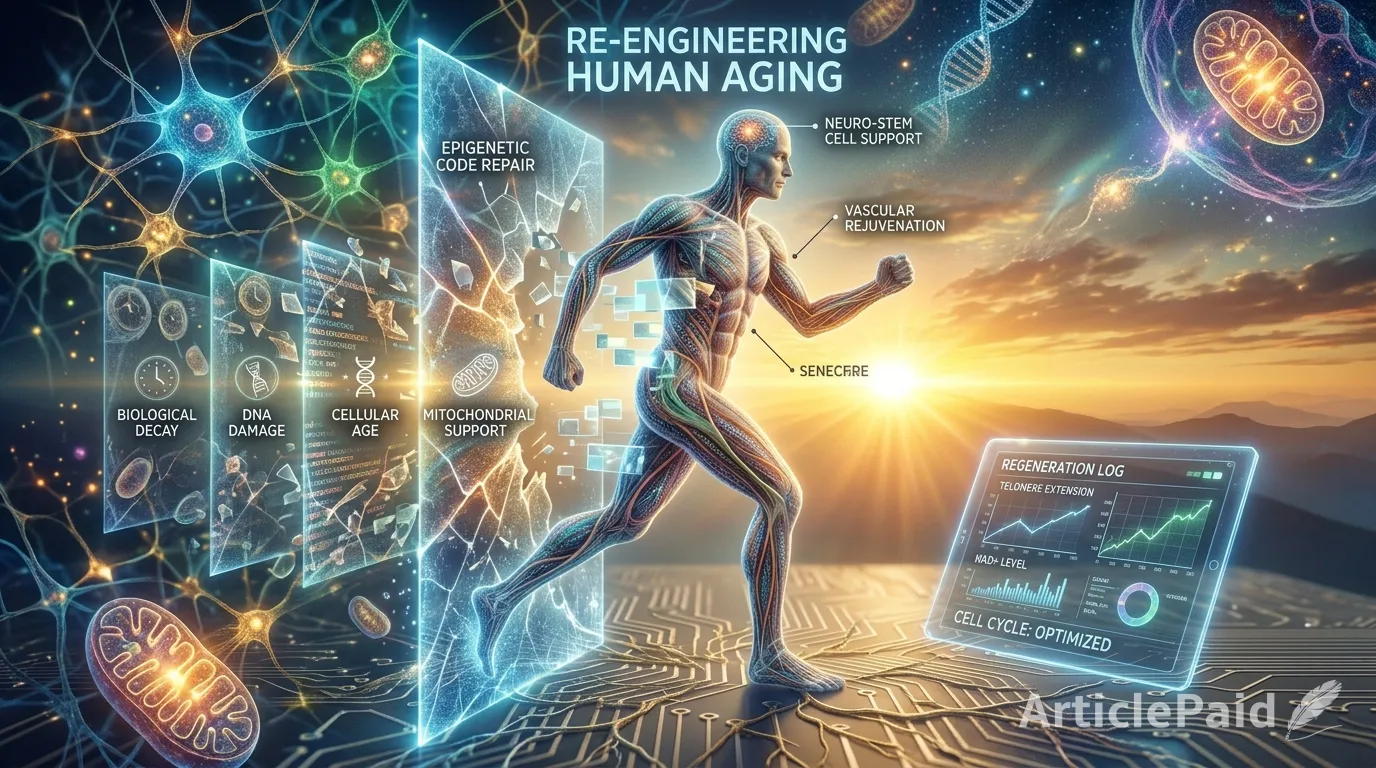
But here is the exciting secret: long before you see a single physical change in the mirror, your body is undergoing a massive, incredible transformation on the inside.
From the very first workout, millions of tiny cellular reactions ignite across your muscles, blood vessels, and organs.
If you're wondering whether your hard work is actually paying off, here are a few subtle, amazing signs that your body is adapting and thriving at the cellular level.
1. You Feel a Softer, Cleaner Energy Boost
Ever notice how a quick walk or a light workout leaves you feeling oddly energized rather than exhausted?
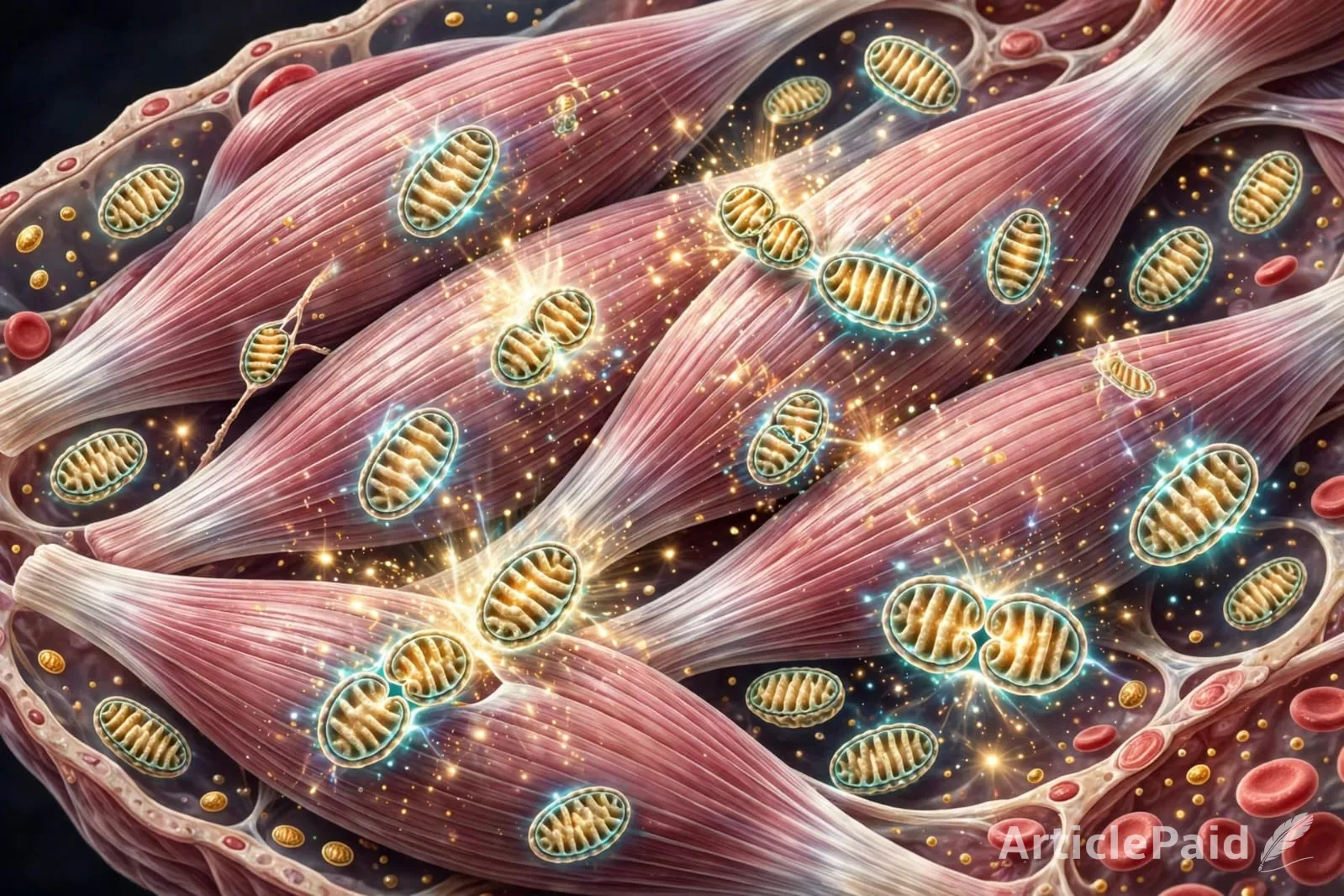
That isn't just in your head—that is your mitochondria hard at work.
Mitochondria are often called the tiny powerhouses of your cells. Their main job is taking oxygen and nutrients and converting them into ATP, the exact fuel currency your body uses for everything.
When you exercise regularly, your muscle cells actually start manufacturing more mitochondria while making the existing ones bigger and more efficient.
As a result, your cells can produce energy far more effectively, giving you sustained vitality without needing another cup of coffee.
2. Your Brain Fog Clears Up and Focus Sharpen
If you've noticed that your mind feels sharper, clearer, and more focused after moving your body, you're experiencing a cellular boost right in your brain.
During physical activity, your body releases a specialized protein known as BDNF (Brain-Derived Neurotrophic Factor).
Think of BDNF as high-grade fertilizer for your brain cells. It encourages neurons to survive, repair themselves, and build strong new pathways.
At the microscopic level, exercise is literally rewiring your brain, helping improve memory, focus, and overall cognitive health.
3. Your Muscles Are Rebuilding Stronger While You Rest
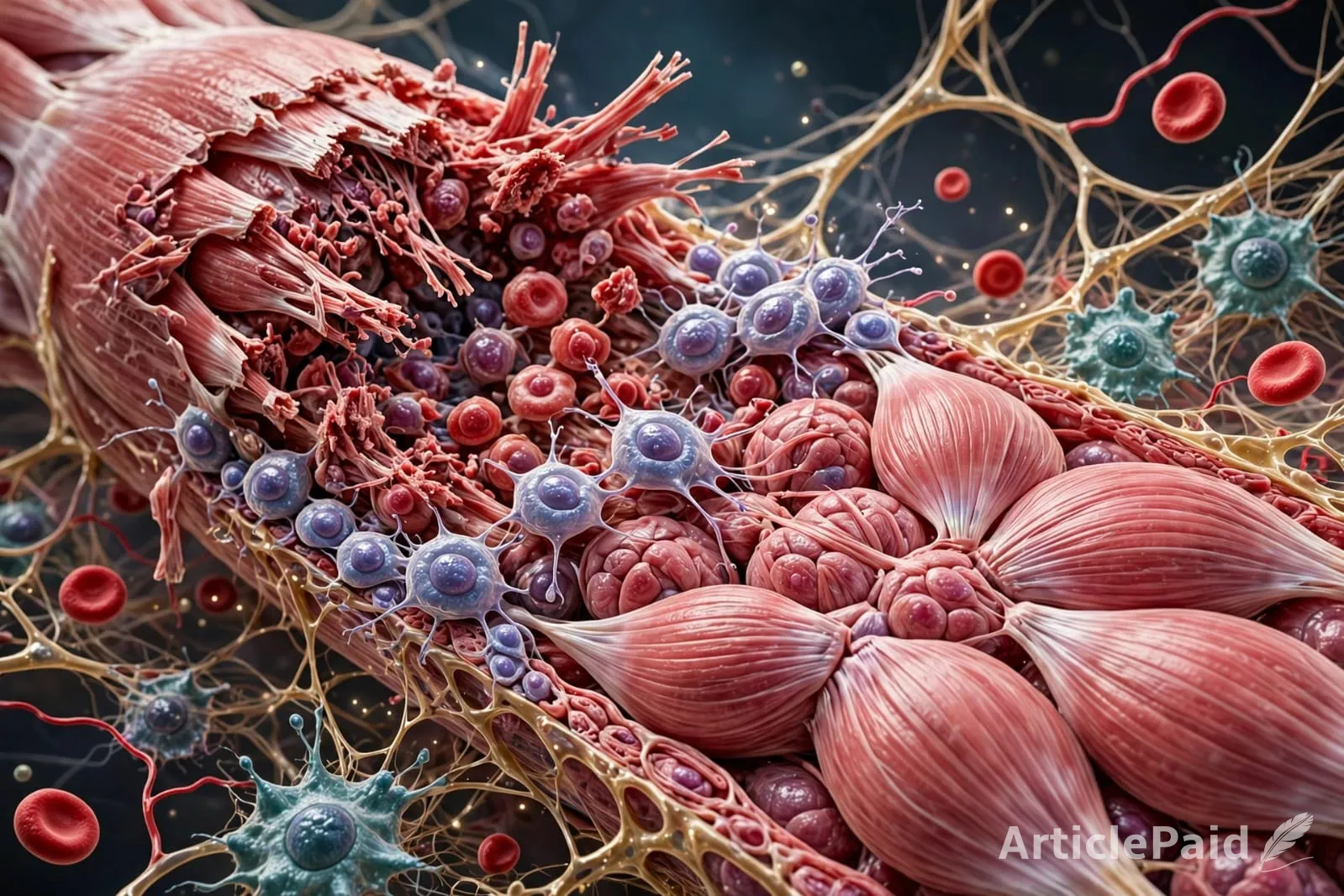
That familiar, dull muscle ache you feel a day or two after a tough workout—often called delayed onset muscle soreness—is actually a direct sign of cellular repair in motion.
When you lift weights or do cardio, you create microscopic tears in your muscle fibers. Your body views these tiny tears as a signal to upgrade.
Specialized repair cells called satellite cells rush to the site, fusing with damaged fibers to patch them up and make them thicker, stronger, and more resilient. The next time you face that same physical challenge, your cells are far better equipped to handle it effortlessly.
4. Your Blood Vessels Are Flexing and Expanding
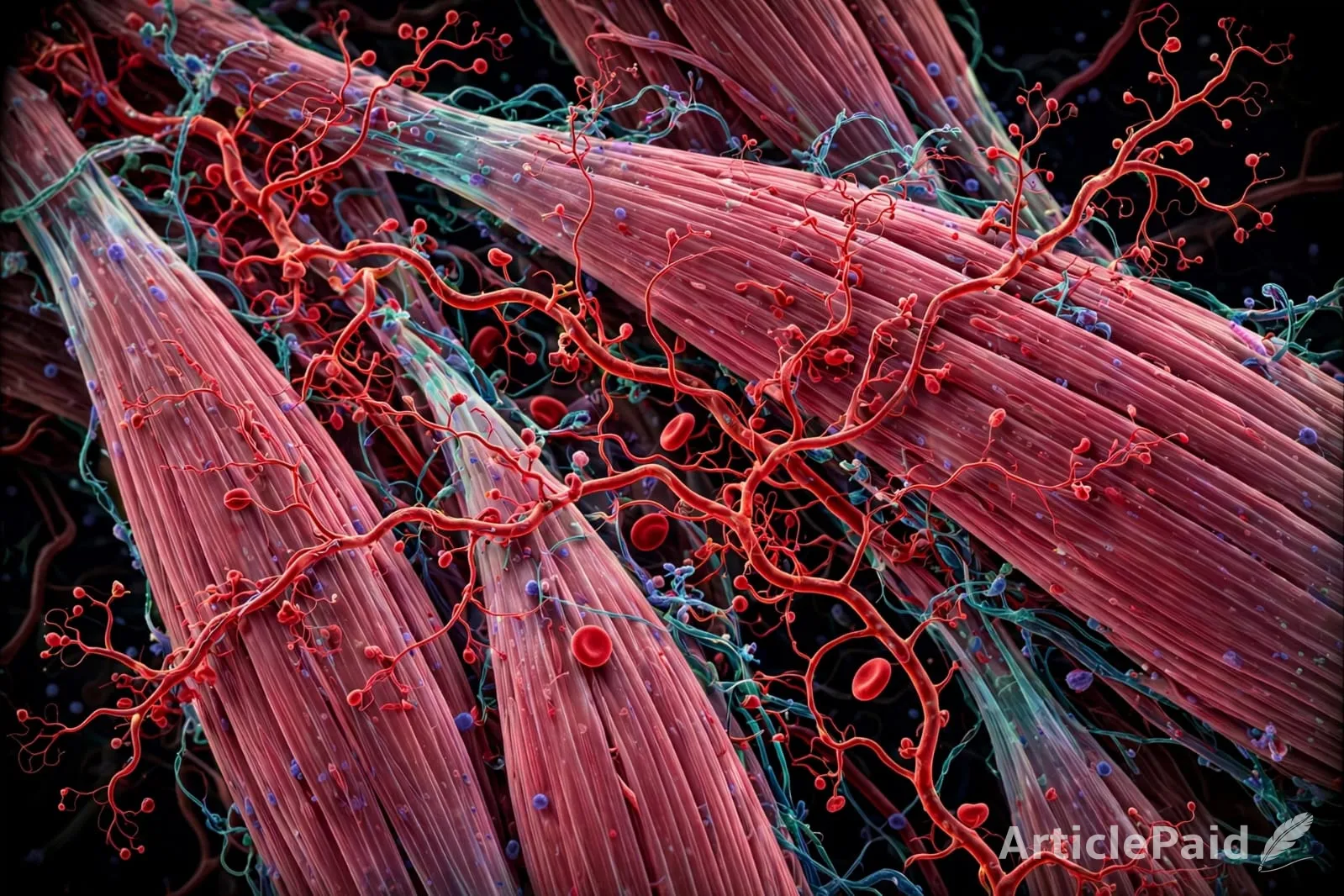
As your muscles work harder, they demand a steady supply of oxygen and nutrients. To deliver those resources quickly, your body releases a molecule called nitric oxide into your bloodstream.
Nitric oxide signals the smooth inner lining of your blood vessels to relax and expand—a process known as vasodilation.
Over time, exercise stimulates the creation of brand-new microscopic blood vessels (a process called angiogenesis). This allows your circulatory system to transport oxygen far more smoothly, which lowers your resting blood pressure and takes a huge burden off your heart.
5. Your Cells Get Much Better at Handling Fuel
Every time you eat, your body breaks food down into glucose (sugar), which enters your bloodstream. Insulin acts like a key, unlocking your cells so glucose can slide inside and be used for fuel.
When you exercise, your muscle cells physically move special transporter proteins (called GLUT4) directly to the cell surface.
These transporters pull glucose straight out of your blood, even without needing as much insulin.
By keeping your cellular keys working smoothly, exercise lowers inflammation and keeps your blood sugar levels remarkably steady throughout the day.
Trust the Unseen Progress
The human body is an incredible biological marvel.
Long before your clothes fit differently or your strength numbers skyrocket, your cells are quietly rebuilding a healthier, more resilient version of you behind the scenes.
So the next time you finish a workout, give yourself some credit. Every step, lift, and stretch is training your cells to thrive from the inside out!













Responses (0)
Sign in to share your thoughts.
Sign in