
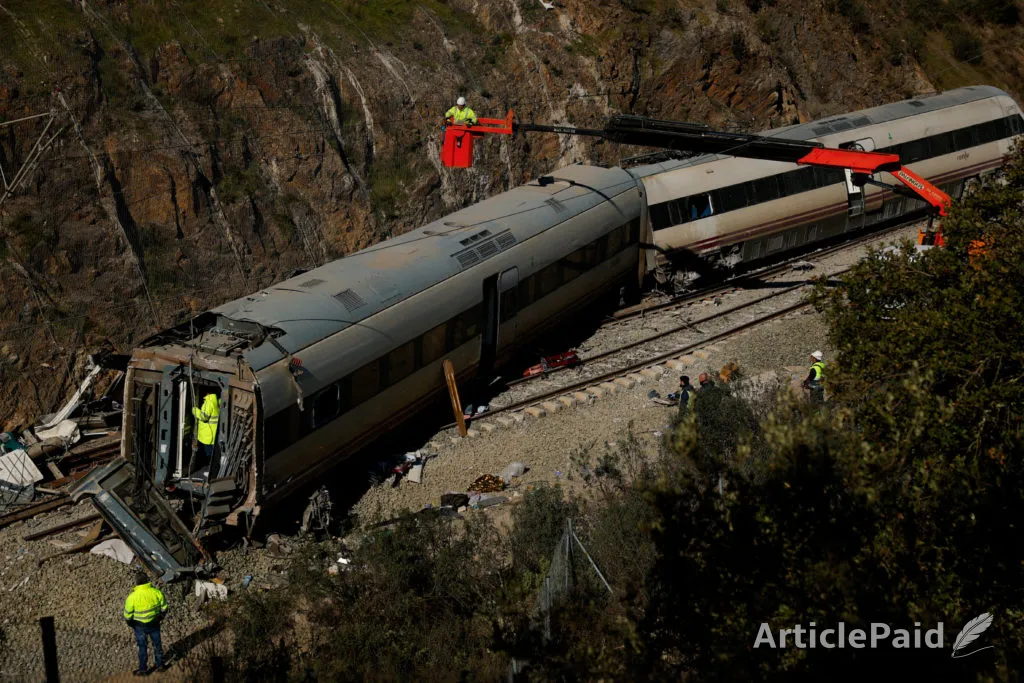
High-speed rail is often celebrated as the gold standard of modern public transport: efficient, sustainable, and statistically among the safest modes of travel. However, when high-speed infrastructure fails, the margin for error is virtually zero. Tragic rail disasters—such as the high-speed derailments and collisions in Spain—serve as stark reminders that safety systems must evolve faster than the networks they govern.
Examining these catastrophic events reveals crucial technical, operational, and organizational lessons for passenger rail safety around the globe.
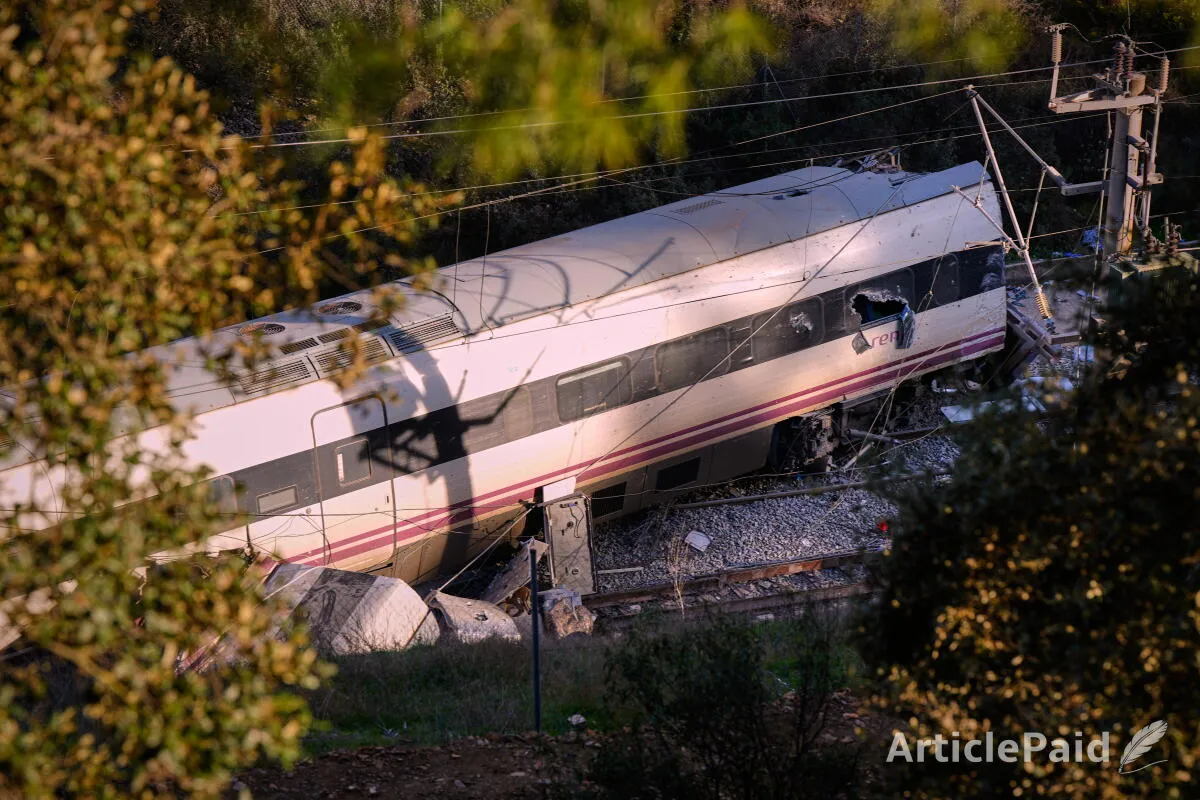
1. Safety Systems Must Never Rely Solely on Human Oversight
A recurring theme in major rail investigations is the dangerous over-reliance on driver vigilance.
Fail-Safe Design: High-speed corridors require automatic train protection (ATP) systems capable of overriding human input. If a train exceeds a safe speed or passes a signal indicating danger, automated controls must intervene to bring the vehicle to a halt without requiring manual action.
Eliminating Coverage Gaps: Tragedies often occur at transitional zones—where high-speed automated track segments hand off to older, conventional signaling networks. Safety architectures must maintain continuous, fail-safe speed enforcement across every kilometer of active track.
2. Modernizing Legacy Signalling Infrastructure
As rail networks age and expand, operators frequently mix newer rolling stock with legacy track infrastructure.
| Control System Layer | Legacy Systems (e.g., LZB / Conventional) | Modern Standards (e.g., ERTMS Level 2) |
| Speed Control | Intermittent or fixed-point checks | Continuous radio-based automatic speed enforcement |
| Driver Intervention | Manual warning alerts with delayed intervention | Direct automatic braking upon boundary breach |
| Fault Detection | Basic track voltage/circuit monitoring | Real-time digital telemetry & redundant sensor networks |
Transitioning to unified international standards—such as the European Rail Traffic Management System (ERTMS Level 2)—provides continuous digital communication between trackside equipment and onboard computers, drastically reducing the risk of collisions caused by outdated track circuits or delayed signal warnings.
3. Redefining Fault Tolerances and Predictive Maintenance
A primary cause of secondary derailments and collisions is micro-structural track fatigue or track circuit anomalies that fall just below traditional alarm thresholds.
Narrowing Diagnostic Margins: Safety monitoring systems must be configured to flag minor voltage drops, track alignment shifts, or rail fractures long before complete mechanical failure occurs
Real-Time Track Telemetry: Modern networks must integrate continuous sensor monitoring along track lines to detect structural breaks or obstacle intrusions immediately, sending automated alerts directly to oncoming traffic rather than relying on periodic maintenance inspections.
4. Addressing Cab Distractions and Operational Protocols
To mitigate distraction-related incidents:
Key Takeaway: Dispatcher communications and routine operational calls must be strictly regulated. Non-essential radio or phone chatter during critical maneuvers (such as approaching sharp curves, junctions, or signal transitions) creates severe risk
Sterile Cab Policies: Rail authorities should enforce strict communication protocols prohibiting non-emergency calls during high-risk track sections.
Ergonomic Safety Interlocks: Cab design must incorporate ergonomic alert systems that require positive driver acknowledgement without pulling their attention away from signal monitors.
5. Structural Crashworthiness and Passenger Protection
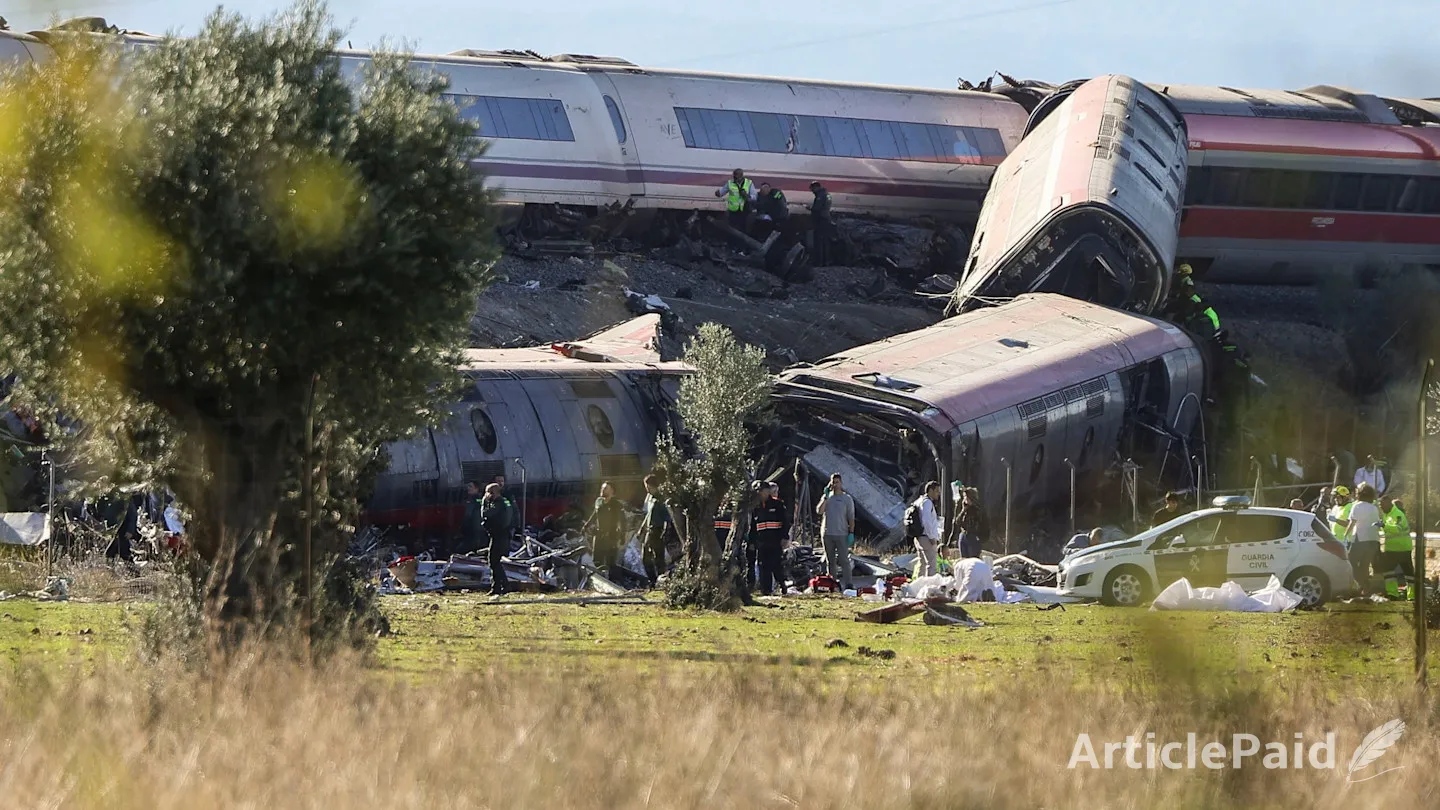
When a high-speed collision or derailment does occur, vehicle crashworthiness dictates survival rates.
Anti-Climbing Devices: High-speed carriages require reinforced anti-climbing mechanisms to prevent cars from telescoping into one another or vaulting into adjacent tracks upon impact.
Compartmentalization: Interior carriage design should minimize loose projectiles and sharp surfaces. Safe passenger compartmentalization, impact-absorbing seating, and reinforced window structures significantly reduce severe injuries during violent high-speed rollovers.
Moving Forward: Building a Culture of Systemic Resilience
The ultimate lesson from high-speed train collisions is that safety cannot be treated as a single layer of defence. When an accident occurs, it is rarely the result of a single isolated mistake; it is the culmination of latent safety gaps across technology, protocol, and infrastructure.
More from ArticlePaid

Geopolitics & Crisis (The Strait of Hormuz Incident)
⚖️ The Birthright Citizenship StandoffThe Supreme Court’s 6–3 ruling in Trump v. Barbara (issued in late June 2026) dealt a major ...

Climate Change Worldwide and Its Severe Impact on Pakistan
Pakistan has become one of the most climate-vulnerable countries in the world, facing back-to-back natural disasters. From floods to heatwaves, hailstorms

Lions Preseason Halted by Stunning Morice Norris Injury
Dramatic Fourth-Quarter Incident Halts Lions-Falcons Preseason GameMorice Norris’s preseason injury halts the Lions-Falcons game. Coach Dan Campbell

Dark Sky Tourism: The Fight to Save the Night
Dark Sky Tourism: The Fight to Save the NightFor most of human history, looking up at night meant gazing into a dazzling, infinite...

Trump Ousts Billy Long From IRS After Just Two Months
A Shock Departure from Washington’s Tax ChiefTrump removes Billy Long as IRS Commissioner after under two months in office. A look at his brief tenur

# The Imperial Presidency: How Supreme Court and a Historic Midterm rewrite
# The Imperial Presidency: How the Supreme Court and a Historic Midterm Pivot Are Rewriting US PoliticsThe landscape of American g...

Climate Change Could Expose 1.1 Billion People to Hunger
Climate Change Could Expose 1.1 Billion People to Hunger by 2100 if We Don’t Act NowA Growing Crisis at the Intersection of Climate and FoodClimate change

Fire in Hong Kong’s Public-Housing Towers: A Wake-Up Call fo
On November 26–27, 2025, a catastrophic fire swept through a massive public-housing complex in Wang Fuk Court, located in the Tai Po District of Hong Kong.

Google AI Search Launch Update: Major Expansion and Enhancements as of July 2026
Google continues to push the boundaries of AI-powered search. While the core AI Overviews and AI Mode features launched earlier (2...
Weekly Top Articles

8 Methods to Write the Next Short Story After a Successful Hit
When Your Success Becomes Your Next ChallengeYou have published your first short story, and you feel proud to receive positive rev...

Why Saving Money Won't Make You Rich: 7 Ways to Wealth
Introduction: Will Saving Make You Richer?Everybody wants to leave school and enter a bright financial future. Most people think t...

Healthy soup for cold& cough- comforting Ginger Garlic soup
IntroductionWarm up with this easy, healthy and tasty homemade Ginger Garlic Soup. This soup has been made using fresh ingredients...

How Can I Use AI to Grow My Business and Make More Money in 2026?
IntroductionArtificial intelligence can make life easier for entrepreneurs, both big and small. Using artificial intelligence tool...
Why Your Mind Won't Switch Off, and What Psychology Says to Do About It
Last month's embarrassing text. Tomorrow's presentation. A decision you've already made but keep re-examining like it's evidence i...

Why You Procrastinate and How to Actually Stop: Easy Tips to Help You Start Now
IntroductionMany people procrastinate, and it stops you from achieving your goals. Procrastination may come in the form of avoidin...







Responses (0)
Sign in to share your thoughts.
Sign in