

The Psychology Behind Your Favorite Song
Have you ever heard a song that instantly transported you back to a specific moment in your life? Perhaps it reminded you of a childhood road trip, a school celebration, or a person you haven't seen in years. Music has an extraordinary ability to unlock memories and emotions in a way that few other things can. But why does one particular song become your favorite while another leaves no impression at all?
The answer lies deep within the fascinating connection between music and the human brain.
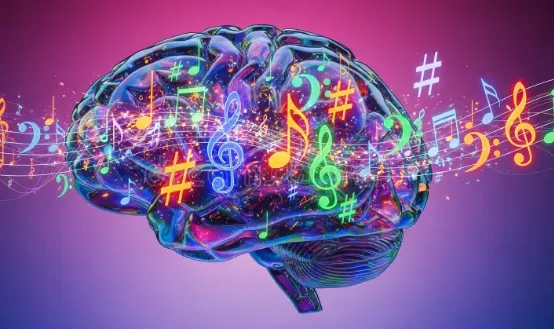
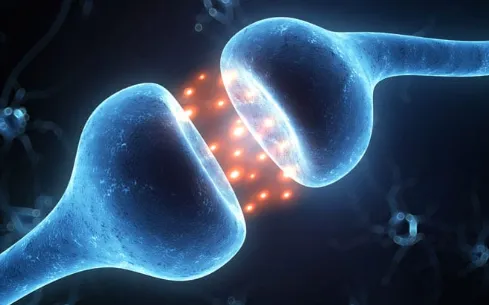
When you listen to a song you love, your brain releases dopamine, often called the "feel-good" chemical. This same chemical is associated with rewards, motivation, and pleasure. That is why your favorite song can instantly lift your mood, make you smile, or even give you goosebumps. Scientists have found that music activates several areas of the brain at once, making it one of the most powerful emotional experiences humans can have.
Memories also play a major role. Psychologists call this the reminiscence effect. Songs become linked with important moments in our lives—our first day at school, family vacations, birthdays, friendships, or even difficult experiences. Years later, hearing the same melody can bring those memories rushing back with surprising clarity. It's almost as if music becomes a time machine for the mind.
Lyrics matter too. Sometimes we don't choose a favorite song because of its melody alone, but because its words describe emotions we struggle to express ourselves. A song can make us feel understood, giving voice to happiness, heartbreak, hope, or loneliness. In many cases, people connect more deeply with songs that reflect their personal experiences.

Interestingly, your personality may also influence your musical taste. Research suggests that people who enjoy calm, emotional music often value reflection and creativity, while those who prefer energetic songs may seek excitement and adventure. Of course, these are general patterns rather than strict rules. Most people enjoy different types of music depending on their mood.
Culture and familiarity shape our preferences as well. We naturally enjoy songs we hear repeatedly, a psychological phenomenon known as the mere exposure effect. The more often we hear a melody, the more familiar and enjoyable it tends to become. This is one reason why songs that seemed ordinary at first can eventually become our favorites.

Music also serves as a powerful form of emotional therapy. Many people listen to uplifting songs to improve their mood or calming melodies to reduce stress and anxiety. Hospitals, therapists, and rehabilitation centers increasingly use music to help patients manage pain, recover memories, and improve mental well-being.

Perhaps the most beautiful thing about music is that every favorite song tells a personal story. Two people may listen to the exact same melody, yet each experiences it differently because every mind carries unique memories, emotions, and life experiences.























Responses (0)
Sign in to share your thoughts.
Sign in