
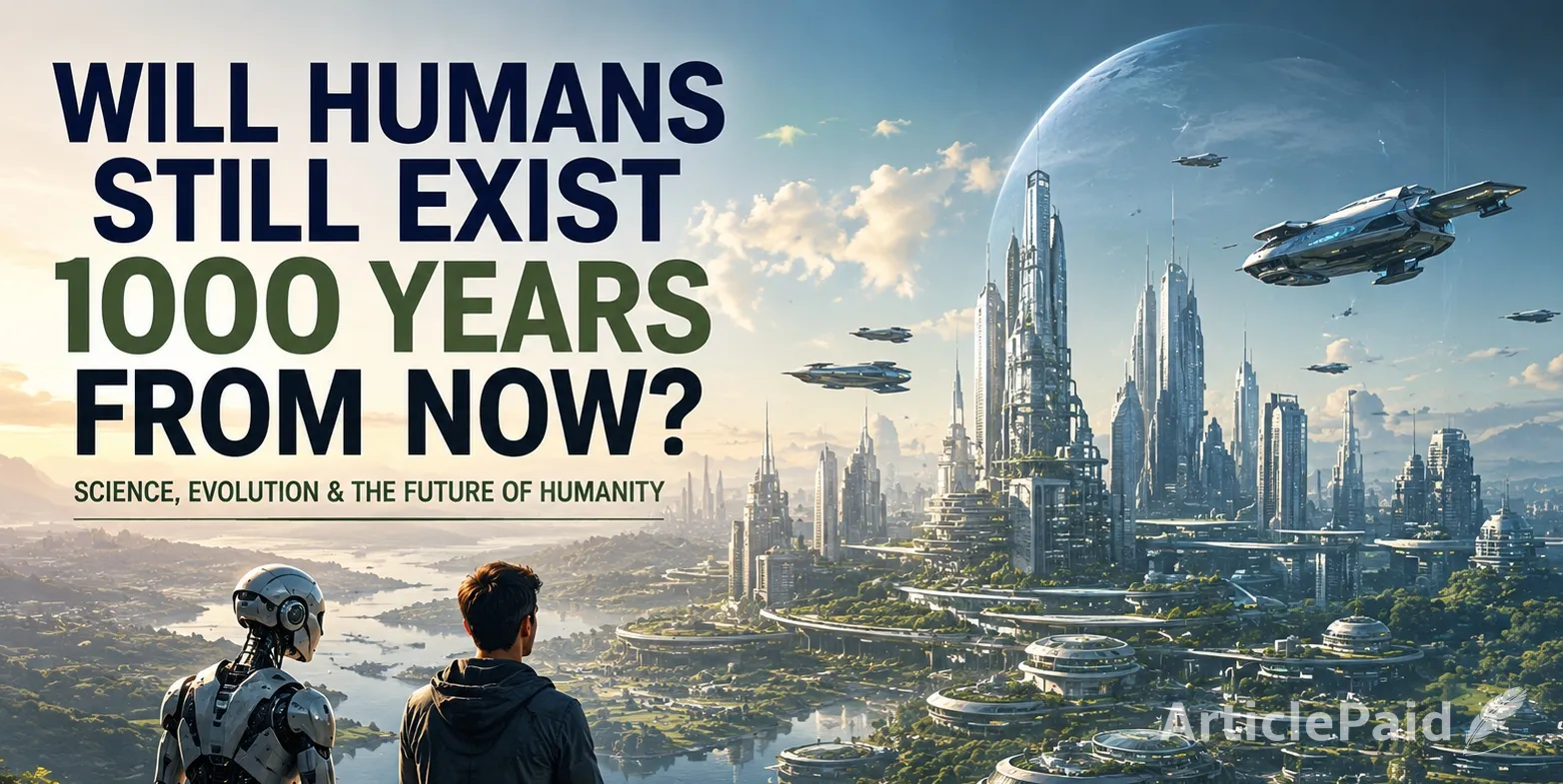
Will Humans Still Exist 1,000 Years From Now?
Human beings have always dreamed of extending their lives. Today, we are living in an era where artificial intelligence, genetic research, robotics, and advanced medicine are challenging many of our old ideas about health and lifespan. But one fascinating question remains: Will humans still exist on Earth 1,000 years from now?
First, there is an important fact to consider. The oldest verified human lifespan is 122 years and 164 days.
Jeanne Calment of France achieved this record and died in 1997. Her age has been examined and supported through extensive documentation and research.
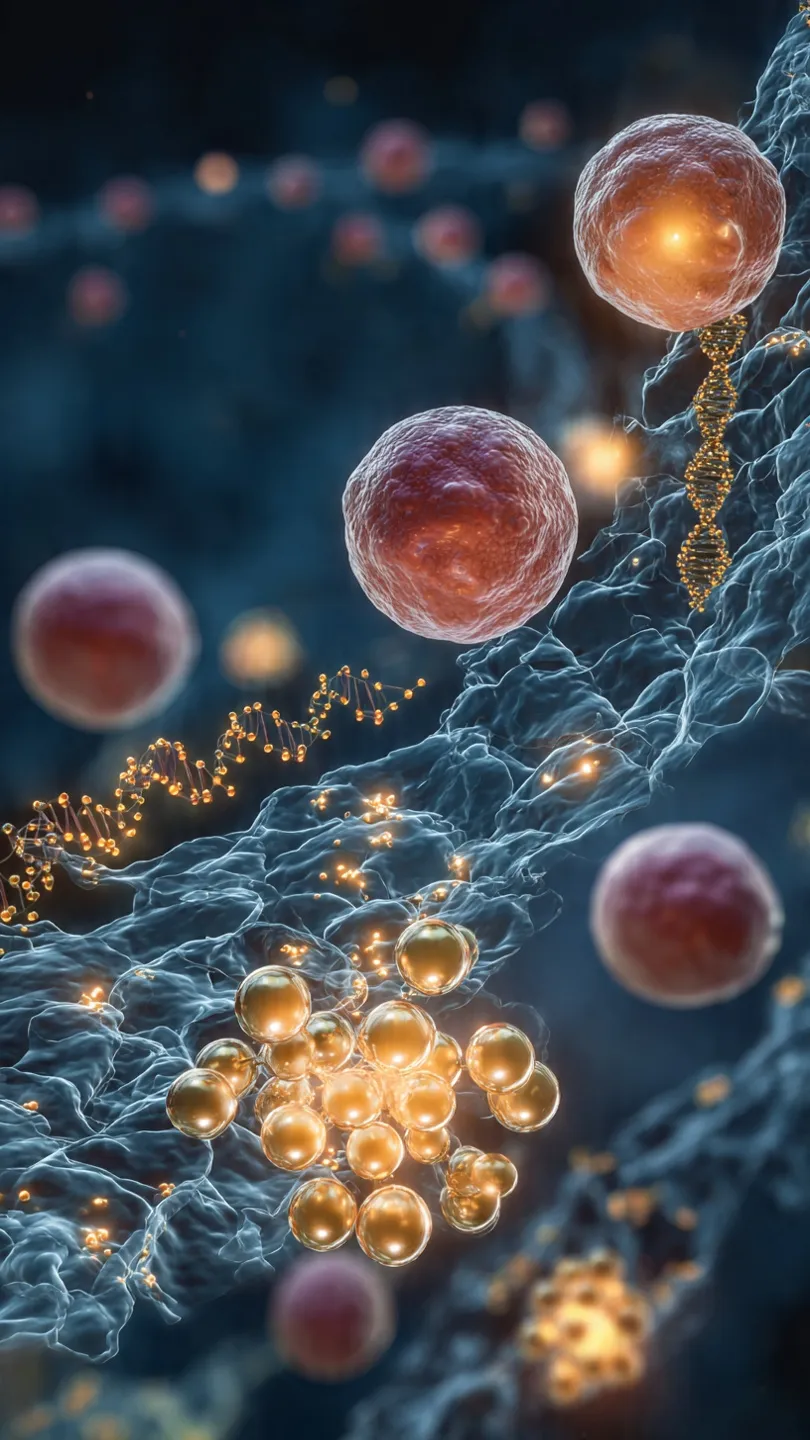
However, modern science is not simply trying to increase the number of years we live. Scientists are also trying to understand aging itself—the biological processes that cause our bodies to change as we grow older. Researchers are studying cells, DNA, the immune system, and other age-related changes.
The goal is not only to help people live longer but also to remain healthier for more of their lives.
Here comes the interesting part. A study published in Nature Aging in 2024 argued that, with current technology, achieving a dramatic increase in human lifespan may be difficult. In other words, better medical treatment and disease prevention alone may not be enough to make humans live for hundreds of years.
But newer research is giving scientists another perspective. A 2026 study suggested that genetics may play a much larger role in determining human lifespan than previously thought. According to the research, genetic factors could explain a substantial portion of differences in how long people live.
This means that understanding our genes could become extremely important in future longevity research.
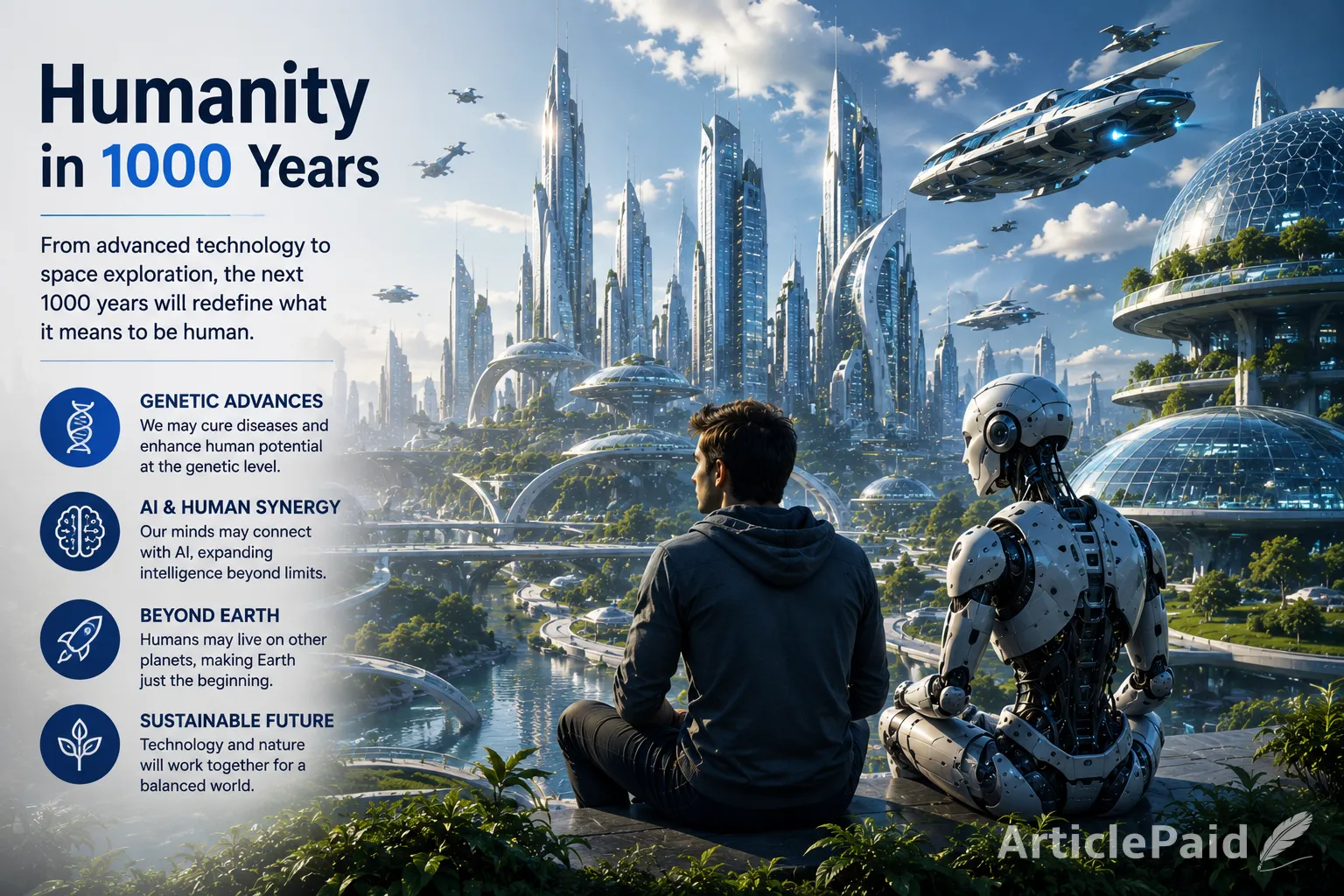
So, what might humans look like 1,000 years from now?
They may not look or live exactly like humans today. Diseases could potentially be treated at the DNA level. Artificial organs might become routine. Direct communication between the brain and computers could become possible. Humans might even establish permanent settlements beyond Earth.
However, science is still far from making 1,000-year human lifespans a reality. There is currently no proven technology capable of guaranteeing that a human can live for hundreds of years.
Perhaps the real question is not simply whether humans will live for 1,000 years. The bigger question is: What will it mean to be human 1,000 years from now?
Maybe future generations will not simply try to extend human life. They may try to overcome some of the biological limitations that define us today.
And that possibility could make the future of humanity one of the most fascinating scientific stories ever written.


















Responses (0)
Sign in to share your thoughts.
Sign in