
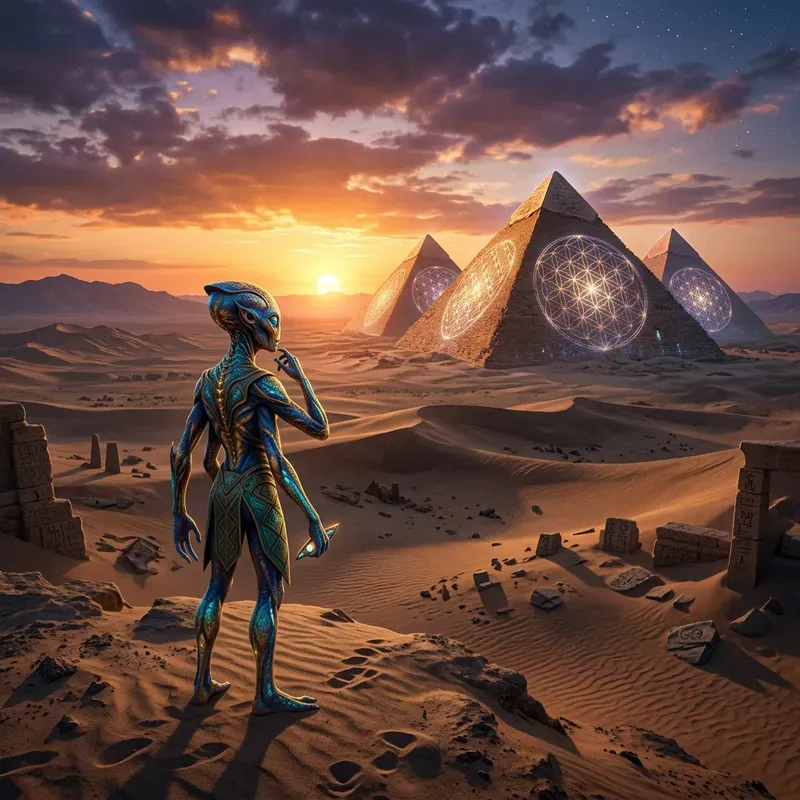
The search for extraterrestrial life has captivated humanity for decades. From ancient cave paintings depicting strange beings to modern whistleblower claims and leaked government documents, the idea that we are not alone—and that our history may be intertwined with cosmic visitors—refuses to fade. What do scientists and governments really know about aliens, the universe’s deepest secrets, and humanity’s hidden past? This article dives into the evidence, theories, and official disclosures shaping the conversation in 2026.
The Modern UFO/UAP Era: From Stigma to Government Acknowledgment
For years, discussing UFOs (now rebranded as UAPs—Unidentified Anomalous Phenomena) invited ridicule. That changed dramatically with the U.S. government’s release of Pentagon videos in 2020 and subsequent congressional hearings.
- In 2023–2025, multiple U.S. intelligence officials and pilots testified under oath about encounters with craft exhibiting impossible physics: instant acceleration, transmedium travel (air to water), and no visible propulsion.
- NASA and the Pentagon’s All-domain Anomaly Resolution Office (AARO) continue studying these cases, though official reports often cite “no evidence of extraterrestrial origin” while leaving many incidents unexplained.
Why the shift? Leaked documents, whistleblowers like David Grusch (who claimed the U.S. possesses “non-human biologics”), and pressure from lawmakers have forced partial transparency. Governments worldwide, including France, the UK, and Brazil, have declassified files showing similar patterns.
Scientific Frontiers: Are We Alone in the Universe?
The Drake Equation and recent exoplanet discoveries suggest the odds heavily favor life elsewhere. Key developments include:
- James Webb Space Telescope (JWST) findings: Detection of potential biosignature gases (like dimethyl sulfide) in exoplanet atmospheres and mysterious “impossible” early galaxies that challenge standard cosmological models.
- Europa, Enceladus, and Mars: Subsurface oceans and ancient riverbeds fuel speculation about microbial life. NASA’s Perseverance rover and upcoming missions target sample returns.
- SETI and Breakthrough Listen: Scanning for technosignatures with advanced AI. No confirmed signals yet, but the search radius grows exponentially.
Scientists like Avi Loeb (Harvard) argue that ‘Oumuamua (2017 interstellar object) showed anomalous behavior consistent with artificial origin. Loeb’s Galileo Project actively searches for interstellar technosignatures on Earth.
The universe’s scale—billions of potentially habitable worlds in our galaxy alone—makes the “Great Silence” (Fermi Paradox) increasingly puzzling. Are advanced civilizations rare, self-destructive, or deliberately hidden?
Hidden Human History: Ancient Aliens or Lost Civilizations?
Alternative historians and some archaeologists point to anomalies that mainstream narratives struggle to explain:
- Göbekli Tepe (Turkey, ~12,000 years old): Sophisticated megalithic structures built by hunter-gatherers long before agriculture was supposed to exist.
- Puma Punku and Sacsayhuamán: Precision stonework that challenges pre-industrial capabilities.
- Global myths of “gods from the sky” — Sumerian Anunnaki, Dogon tribe’s Sirius knowledge, Indian Vimana texts, and Aboriginal Dreamtime stories share eerily similar motifs.
Erich von Däniken’s Chariots of the Gods popularized these ideas, but modern researchers like Graham Hancock argue for a lost advanced human civilization (possibly destroyed by Younger Dryas impacts ~12,800 years ago) rather than purely extraterrestrial intervention. DNA studies and underwater ruins (e.g., off Japan, India, and Cuba) continue to push back timelines of human sophistication.
Did extraterrestrials accelerate human development through genetic intervention or knowledge transfer? Or are these simply gaps in our archaeological record?
Government Secrecy: Cover-Ups or National Security?
Conspiracy theories about Roswell (1947), Area 51, and reverse-engineered alien tech persist for good reason:
- Multiple former officials and aerospace executives have alleged crash retrieval programs and “black projects” shielded from congressional oversight.
- The 2021–2025 UAP reports acknowledge a small percentage of cases defy conventional explanation, yet classification remains heavy.
- International patterns: Russia’s Dyatlov Pass, Brazil’s Colares incidents, and China’s recent UAP task forces suggest a global phenomenon.
Skeptics argue it’s advanced human (or adversarial) technology. Believers counter that the consistent physics-defying reports across decades point to something non-human.
What This Means for Humanity’s Future
If governments or scientists are withholding knowledge about aliens or our hidden history, the motivations are likely a mix of:
- Preventing societal panic
- Maintaining technological and military advantage
- Protecting religious and cultural frameworks
On the optimistic side, confirmed contact could unite humanity, accelerate clean energy and propulsion tech (anti-gravity? zero-point energy?), and answer fundamental questions about consciousness and our place in the cosmos.
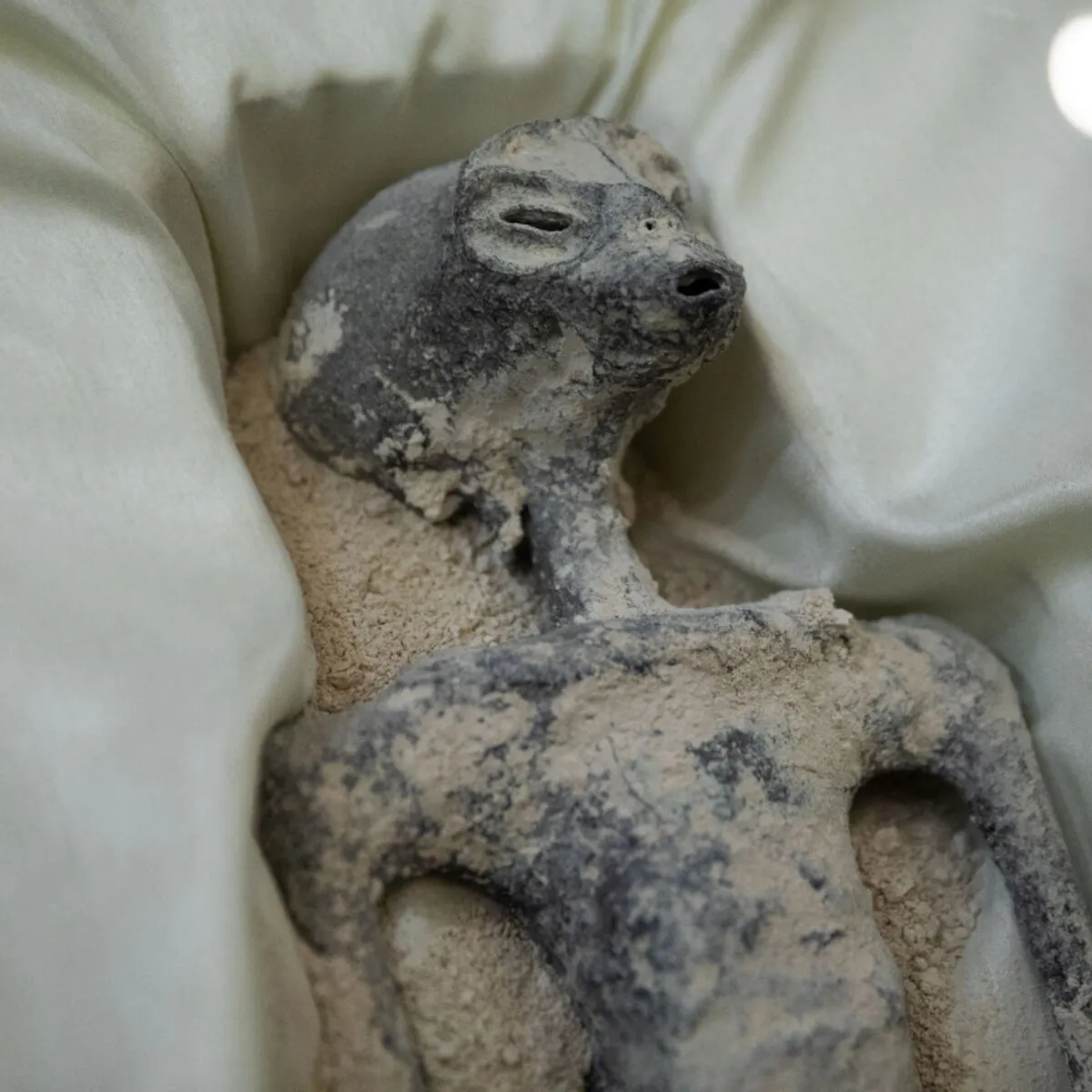
Actionable Steps for Truth-Seekers:
- Follow credible sources: NASA, ESA, The Debrief, Scientific American, and Avi Loeb’s work.
- Support citizen science projects like the Galileo Project.
- Demand greater transparency through petitions and contacting representatives.
The universe is vast, ancient, and full of mysteries. Whether the truth involves ancient astronauts, interdimensional beings, or simply undiscovered human ingenuity, one thing is clear: the conversation is no longer fringe. It’s mainstream science and policy.
What do you think have governments been hiding the biggest story in human history? Share your thoughts in the comments, and subscribe for more deep dives into space, ancient mysteries, and unexplained phenomena.


















Responses (0)
Sign in to share your thoughts.
Sign in