
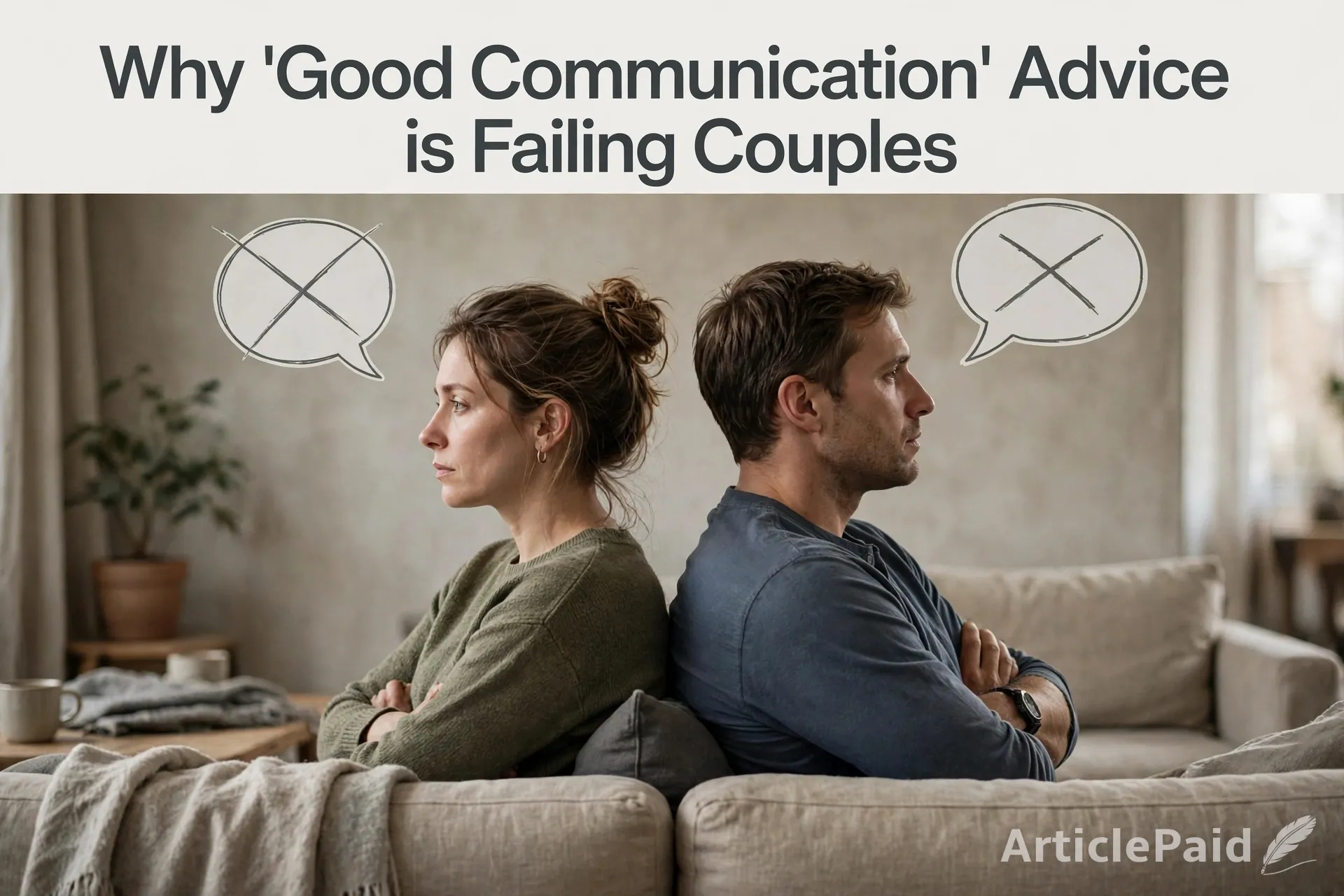
It’s often said that good communication is key to having a healthy relationship. In many cases advice to listen carefully, share your feelings and to not argue can be useful for some couples; however, many couples still face misunderstandings, distance and ongoing conflict. This communication advice often fails to take into account many factors affecting how partners relate to each other.
Why Talking More Doesn’t Help
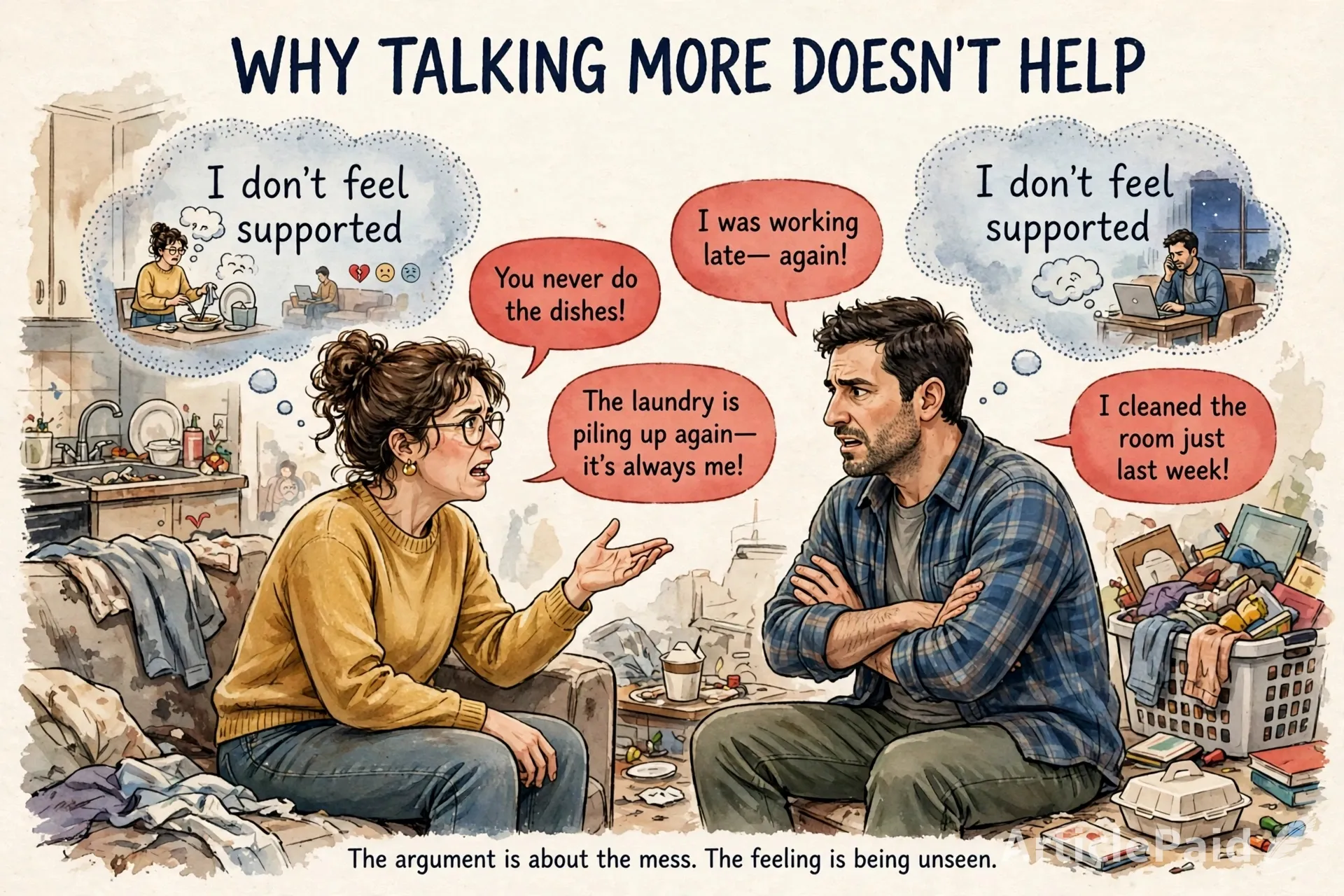
A common piece of advice given to couples is to be open and talk about everything. However, this doesn’t always help couples understand each other better. When partners are anxious, they can end up repeating issues they are having. For example, they could be having an argument about sharing chores but it could really be because one person feels they aren’t appreciated or supported.
Couples can fail to notice the emotion affecting the argument. One person could be complaining about a messy room and the other could feel attacked. This will prevent a constructive conversation.
Instead, couples need to attempt to gain insight into why this issue has caused a disagreement.
Not Just Listening
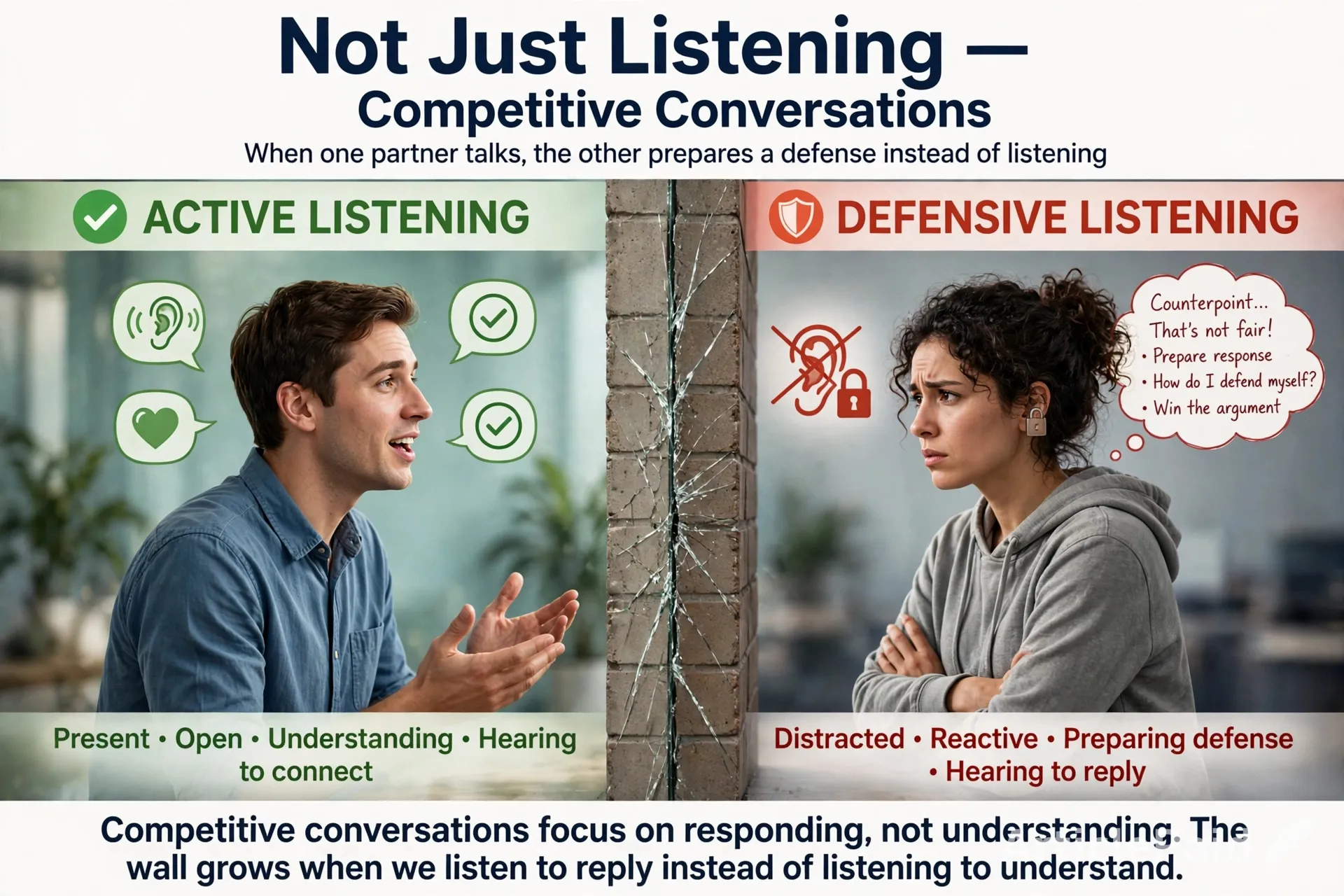
A popular tip for couples to take on board is listening to your partner. However, many people don’t actually listen. They’re too focused on finding holes in an argument or thinking about how to defend themselves.
This creates competitive conversations. If we rush to offer advice on how they can improve, they could feel like we aren’t listening. Active listening is giving your partner enough attention so they can fully explain their thoughts. Ask questions to make sure you understand. Acknowledge their emotions.
This doesn’t mean agreeing with them; it just shows you understand that they care.
Polite Language Doesn’t Help
Many communication guides advise couples to be polite and not say anything harsh. Whilst this can be useful if either or both partners don’t feel safe emotionally then this won’t fix their issues.
People are less likely to be open about their thoughts if they feel they’ll be mocked, punished, made angry or rejected. Your partner may not want to bring up an important issue as they’ve been insulted or threatened in past conversations. Changing sentence structure won’t help.
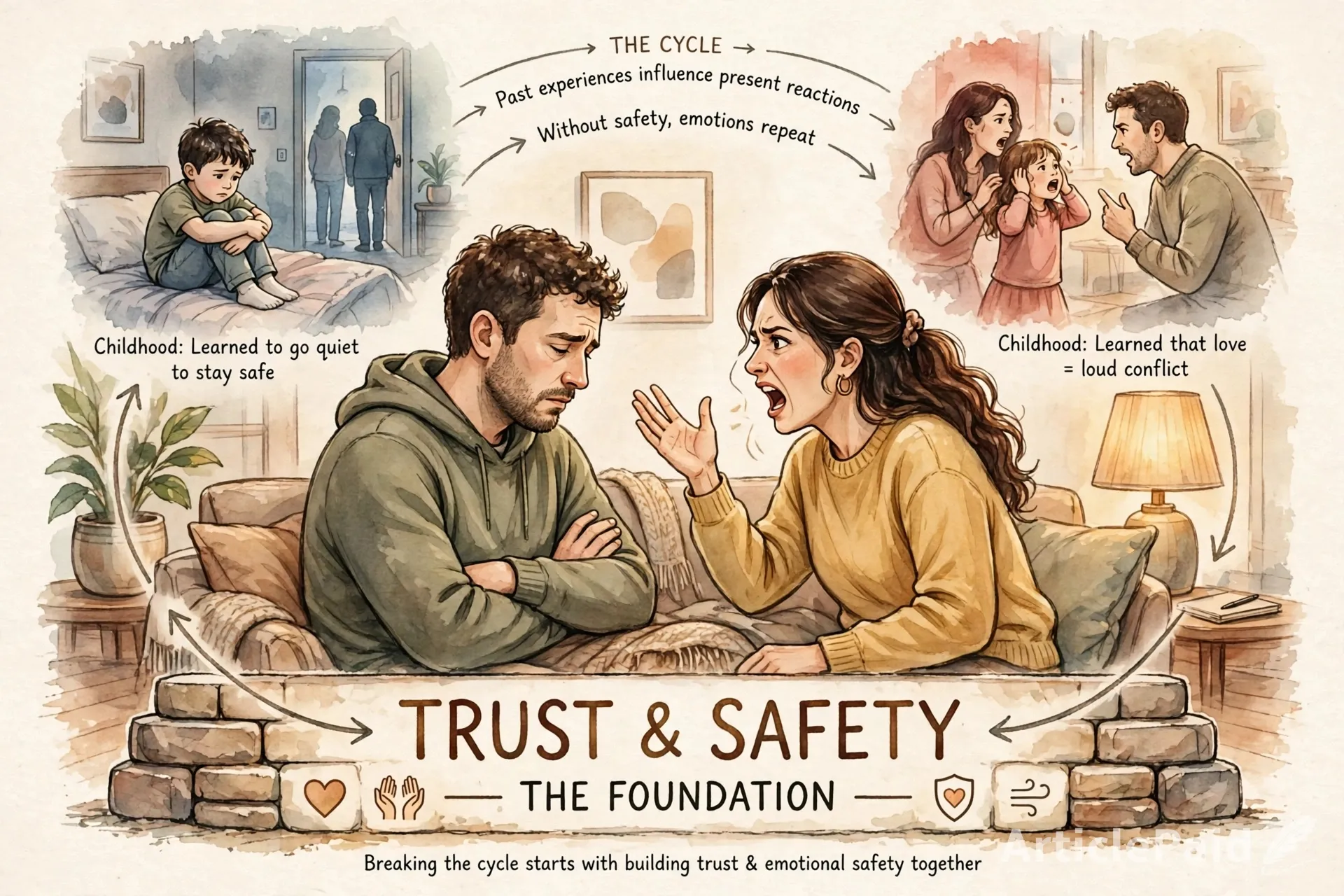
Emotional safety gives partners the confidence to bring up their concerns without feeling intentionally belittled. Disagreements may still occur but neither person will feel like their relationship is always at risk.
Over time showing consistency will help build trust with your partner. Be reliable, respectful of boundaries, accept your responsibility and stay calm during tough conversations.
Not All Issues Can Be Solved
Some issues within relationships won’t be fixed by conversation. You may have very different views on certain aspects of life such as values, expectations, money priorities, family responsibilities and future plans.
Even if you and your partner are having clear conversations about wanting children you may come to different conclusions. This isn’t necessarily an issue with communication; it could be a fundamental issue. You need to carefully consider this issue and make an honest decision about whether you’re compatible.
If your partner keeps lying to you then no amount of listening techniques will help. To rebuild trust they need to show they’ve changed their behaviour, take responsibility, and this will take time. However, if they keep doing things that are causing harm then pushing them to communicate better could unfairly put the blame on them.
This will help couples realise that sometimes they’re not misunderstanding each other but having deeper incompatibilities.
They All Have Different Backgrounds
Everyone will have had different experiences growing up. Previous relationships, family routines, childhood experiences and stressful events can all affect how people react to disagreements.
Someone could have grown up in a house where arguments were scary so they may shut down when things get tense. Others may have learnt to shout as they feel their concerns won’t be heard. This can cause a painful cycle.
When stressed, this can get worse. Money worries, lack of sleep, commitments at work and family can all cause a lack of patience. Simple disagreements may seem overwhelming.
Whilst this doesn’t excuse people being unkind, it will help couples realise how they’re reacting. They can then try to change their behaviours to be healthier. Sometimes the best choice is to take a break and come back to the conversation when you’re both calm.
What Couples Can Do
Try to build some good habits:
Realise what the issue really is. Don’t argue about the specific issue; instead, ask yourself if they’re always feeling the need for support, appreciation, reliability or respect.
Listen. Ask your partner how they felt during this situation. Don’t assume you know their intentions.
Be responsible. If you’re making a genuine apology, acknowledge what caused the harm, how it affected them and show a genuine attempt to change.
Set boundaries. Don’t let your partner insult, threaten, intimidate or intentionally belittle you. If you’re getting overwhelmed by your emotions, agree to take a break and come back when both of you can have a constructive conversation.
Look at their actions. Whilst the conversation may have felt positive, the relationship will only improve if they’re consistently applying what they’ve talked about.
If you’re both genuinely trying but still having disagreements, a qualified couples counsellor may be able to help you recognise patterns and find more effective ways to deal with them. If your relationship involves abuse or coercive control, it would be more appropriate to seek individual support and safety planning.
Conclusion
Although good communication advice isn’t necessarily incorrect, it can often lack depth. Telling couples to be open, listen and be calm won’t help heal emotional hurts, broken trust, differing expectations and unequal responsibilities.
Relationships will be successful if they have emotional safety, respect, responsibility, realistic expectations and consistency. Partners need to be willing to communicate but also understand each other and make meaningful changes.
When couples start to see communication as a way to understand each other rather than win arguments, their conversations will be more constructive. This doesn’t mean there won’t be any disagreements, but it will allow you to have honest conversations about difficult topics. This will help you recognise differences and make both of you feel respected, heard and valued.


















Responses (0)
Sign in to share your thoughts.
Sign in