
It feels like nature is dying when you open your news app.
Poaching, deforestation, climate change — it’s heavy. But here’s the part we forget: when we actually try, nature hits back. And wins.
These are 3 animals that were written off as “done for.” Today, they’re back. This is proof that conservation isn’t just talk.
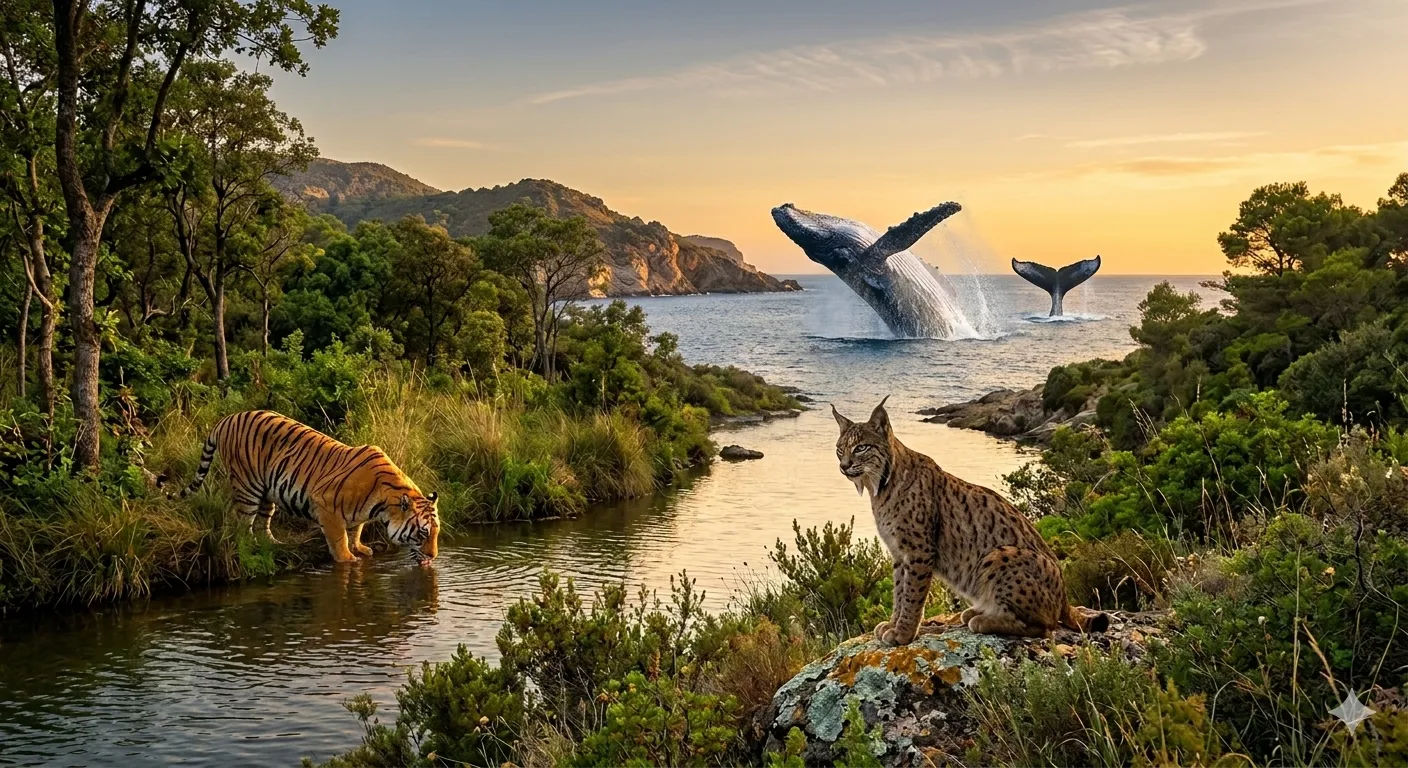
1. The Iberian Lynx: Europe’s Biggest Plot Twist
Picture this: 2002. There are only 94 Iberian lynx left on Earth.
94. That’s not a population, that’s a school bus.
This gorgeous spotted cat with those little ear tufts was starving in a corner of Spain. No rabbits to eat, no forest to live in. It looked like the credits were about to roll.
Then Spain and Portugal said “nope.” They built breeding centers, replanted forests, and slowly released lynx back into the wild.
Fast forward 20 years: there are 2,000+ lynx running around Spain and Portugal.
Europe calls it “the greatest mammal recovery ever.” And honestly? They’re right.
2. India’s Tigers: The King Is Back
In 1900, India had 40,000 tigers. By 2006? Just 1,411.
Poaching, lost habitat, cities eating into forests — the tiger was basically becoming a myth. Everyone thought we’d only see them in storybooks soon.
But India flipped the script. The government doubled down on reserves, threw poachers in jail, and did something smart: they made villagers part of the team. When locals started earning from eco-tourism, the tiger went from “threat” to “paycheck.”
Today? Over 3,100 tigers are back in India’s forests. Yeah, sharing space with humans is still messy. But that roar? It’s back in the jungle. And that’s everything.
3. The Humpback Whale: The Ocean’s Comeback King
This one hits hard.
In the 1800s and 1900s, we hunted humpback whales like crazy. For oil, for meat, for whatever. In the South Atlantic, we left only 450 of them. 450 whales. In an entire ocean. Their songs went silent.
Then in 1986, the world finally did something right: we banned commercial whaling. We just… got out of the way. And the ocean healed itself.
Today, that same population is back to 25,000+ whales. They’re at 93% of their original numbers. At night, the ocean is full of their songs again.
Think about that: we spent 200 years destroying them. They needed 40 years to come back. All we had to do was stop.
Why These Stories Actually Matter
It’s easy to doomscroll and think we’ve ruined everything. But the lynx, the tiger, the humpback — they’re receipts. Proof that we’re not just good at breaking things. We’re also good at fixing them.
This isn’t about saving a cute animal for Instagram.
When one species bounces back, the whole ecosystem balances out. And when ecosystems work, we breathe easier too. Literally.
The Bottom Line
The future of any species is decided by what we do right now.
Every protected forest, every poacher we stop, every piece of plastic that doesn’t hit the ocean — it adds up.
So, which comeback hit you the hardest? Drop it in the comments. And share this. People need to know that hope isn’t dead. It’s got claws, stripes, and a really loud song.
FAQ: Honest Discussion, Brief Responses
What does a wildlife return tale entail?
When an animal is on the verge of extinction, conservation helps restore its population. Like the lynx going from 94 to 2,000+.
Why do conservation programs matter?
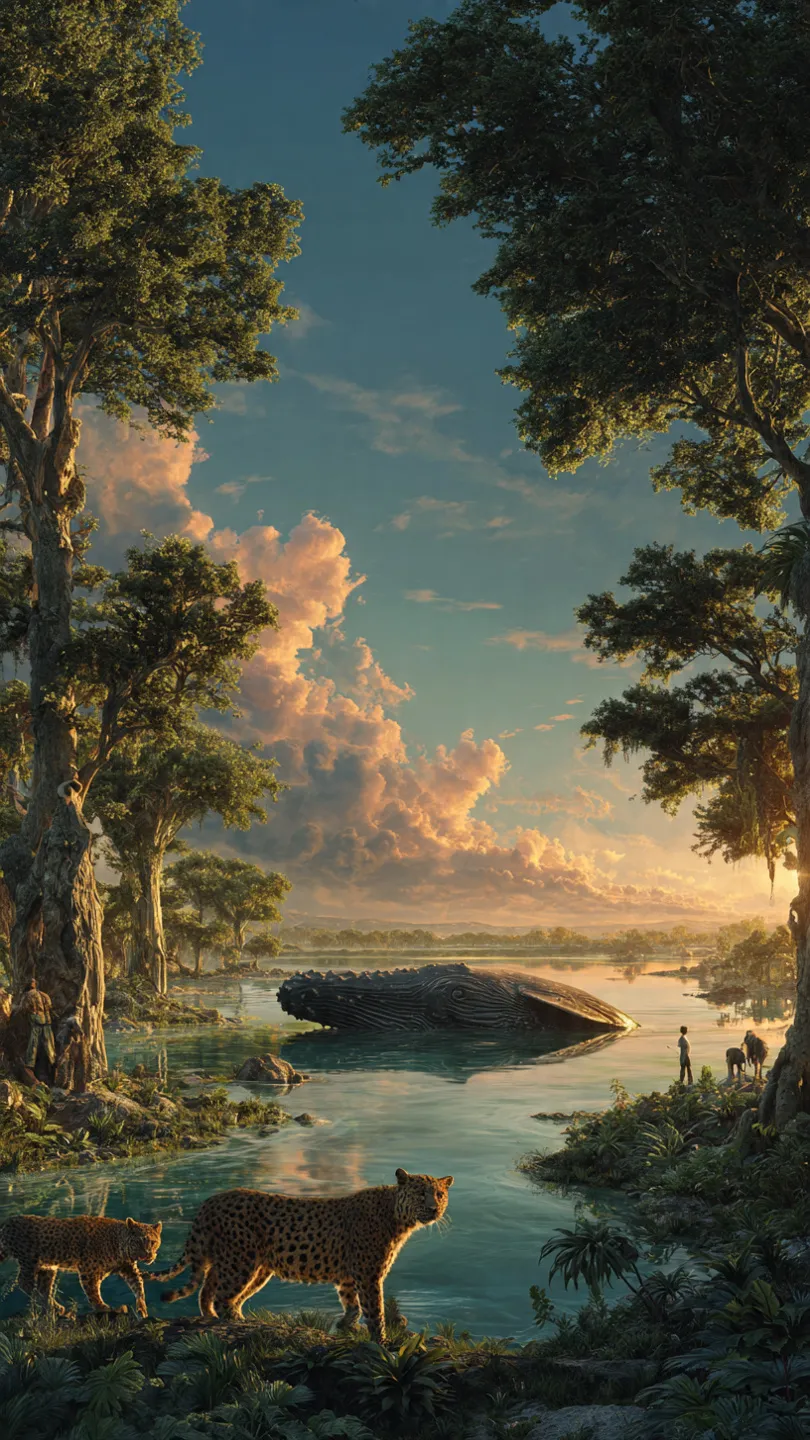
Because one species going extinct messes up the whole food chain. Save the species, save the forest. Save the forest, save us.
Can every endangered animal recover?
Not all of them. But if you remove the threat fast enough — hunting, habitat loss — a lot can. Humpbacks are proof.
What can I actually do from home?
3 things: Use less plastic, pick eco-friendly tours when you travel, and donate even $10 to a legit conservation group. Small moves, big impact.


















Responses (0)
Sign in to share your thoughts.
Sign in