
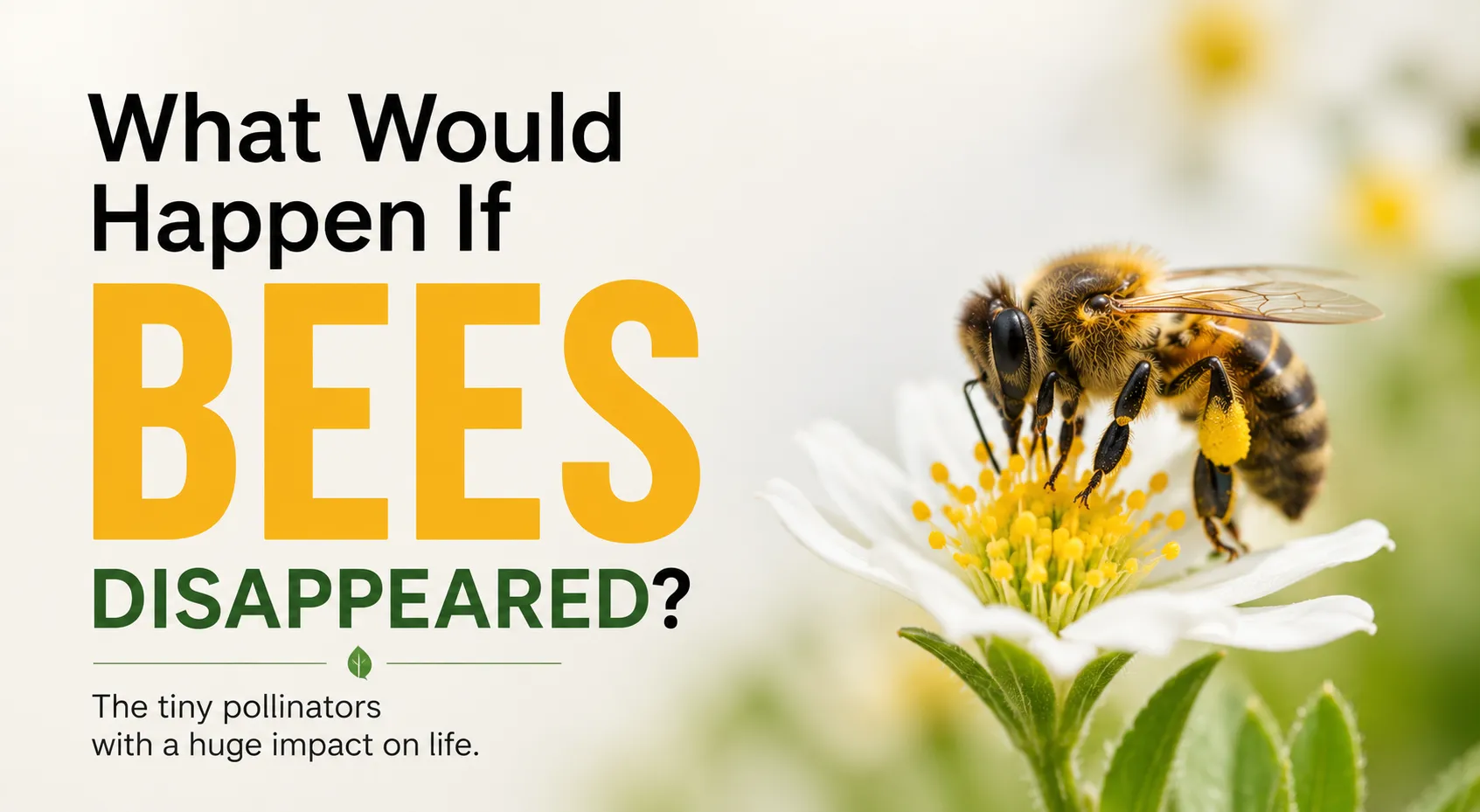
What Would Happen If Bees Disappeared?
Imagine waking up one morning to a world without bees. At first, it might not seem like a big deal. After all, many people think of bees as tiny insects that simply make honey. But in reality, bees are among the most important creatures on Earth. If they disappeared, the effects would reach far beyond empty beehives—they would change our food, our environment, and even our economy.
Bees are nature's most efficient pollinators. As they fly from flower to flower collecting nectar, they unknowingly transfer pollen, allowing plants to produce fruits, vegetables, seeds, and nuts. Without this process, many crops would struggle to reproduce. Apples, strawberries, blueberries, almonds, cucumbers, pumpkins, and many other foods depend heavily on bee pollination.
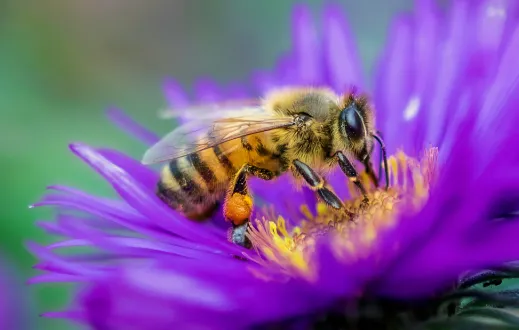
If bees vanished, grocery stores would begin to look very different. Fresh produce would become scarcer, and many healthy foods would become more expensive. While some crops can be pollinated by wind or other insects, bees perform the majority of this work because they visit millions of flowers every day. Farmers would face lower harvests, causing food prices to rise around the world.
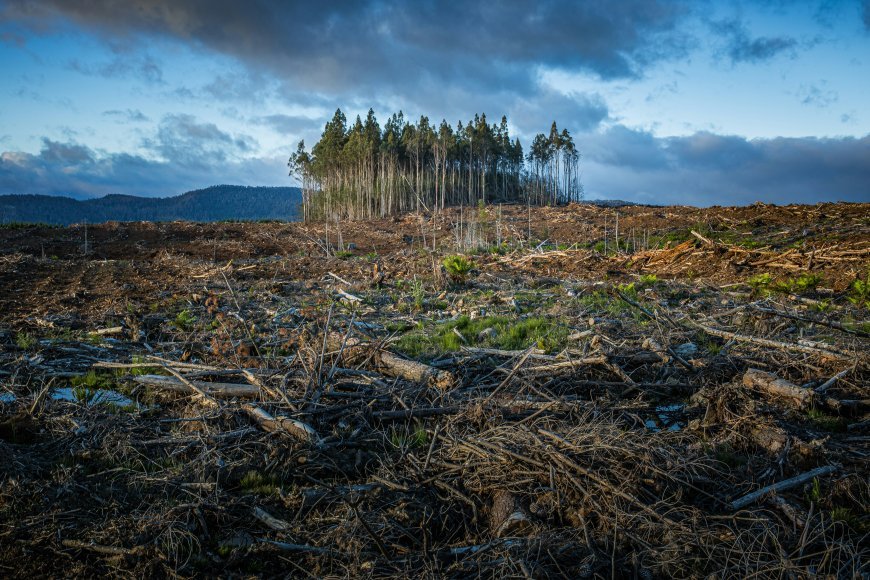
The impact wouldn't stop with humans. Many wild plants also rely on bees to reproduce. As these plants disappear, animals that feed on them would struggle to survive. Birds, insects, and mammals would lose important food sources and habitats. Entire ecosystems could begin to unravel, creating a chain reaction that affects countless species.
Agriculture would also suffer enormous financial losses. Millions of farmers depend on healthy crops for their livelihoods, and many industries rely on fruits, vegetables, and seeds produced through pollination. Experts estimate that bee pollination contributes billions of dollars to global agriculture each year. Replacing this natural service with human labor or technology would be extremely expensive and far less efficient.
So, why are bee populations declining? Scientists point to several major threats, including habitat loss, climate change, pesticide use, pollution, and diseases that weaken bee colonies. As cities expand and wildflower meadows disappear, bees have fewer places to find food and build their nests.
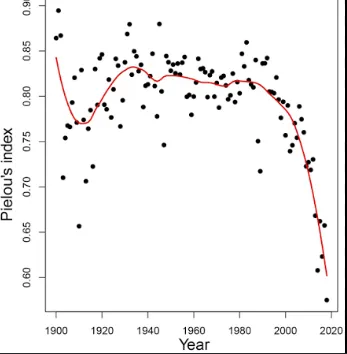
Fortunately, there is hope. Even small actions can make a difference. Planting bee-friendly flowers, reducing pesticide use, protecting natural habitats, and supporting local beekeepers all help create healthier environments for pollinators. Gardens filled with native flowers can provide bees with the nectar they need throughout the year.
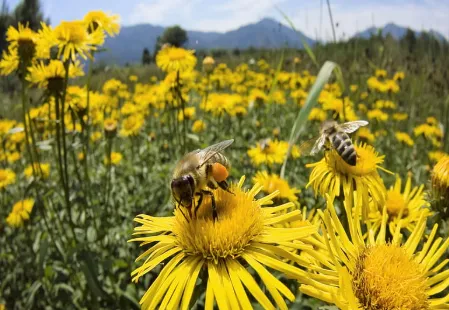
The disappearance of bees would not mean the end of humanity overnight, but it would make life far more difficult. Our diets would become less varied, food prices would increase, wildlife would decline, and ecosystems would become less stable. These tiny insects may be small enough to fit on your fingertip, but their contribution to life on Earth is enormous.















Responses (0)
Sign in to share your thoughts.
Sign in