

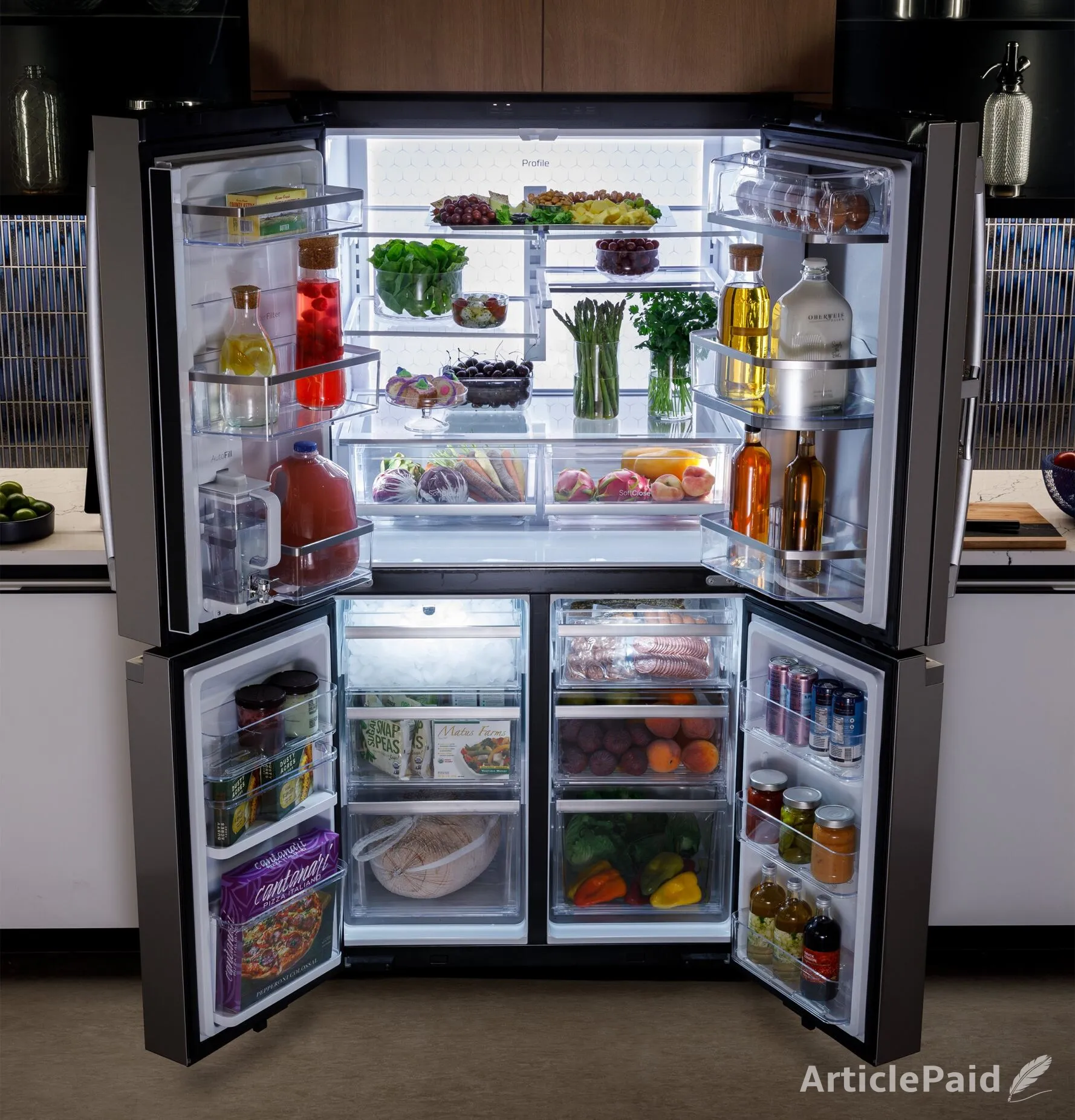
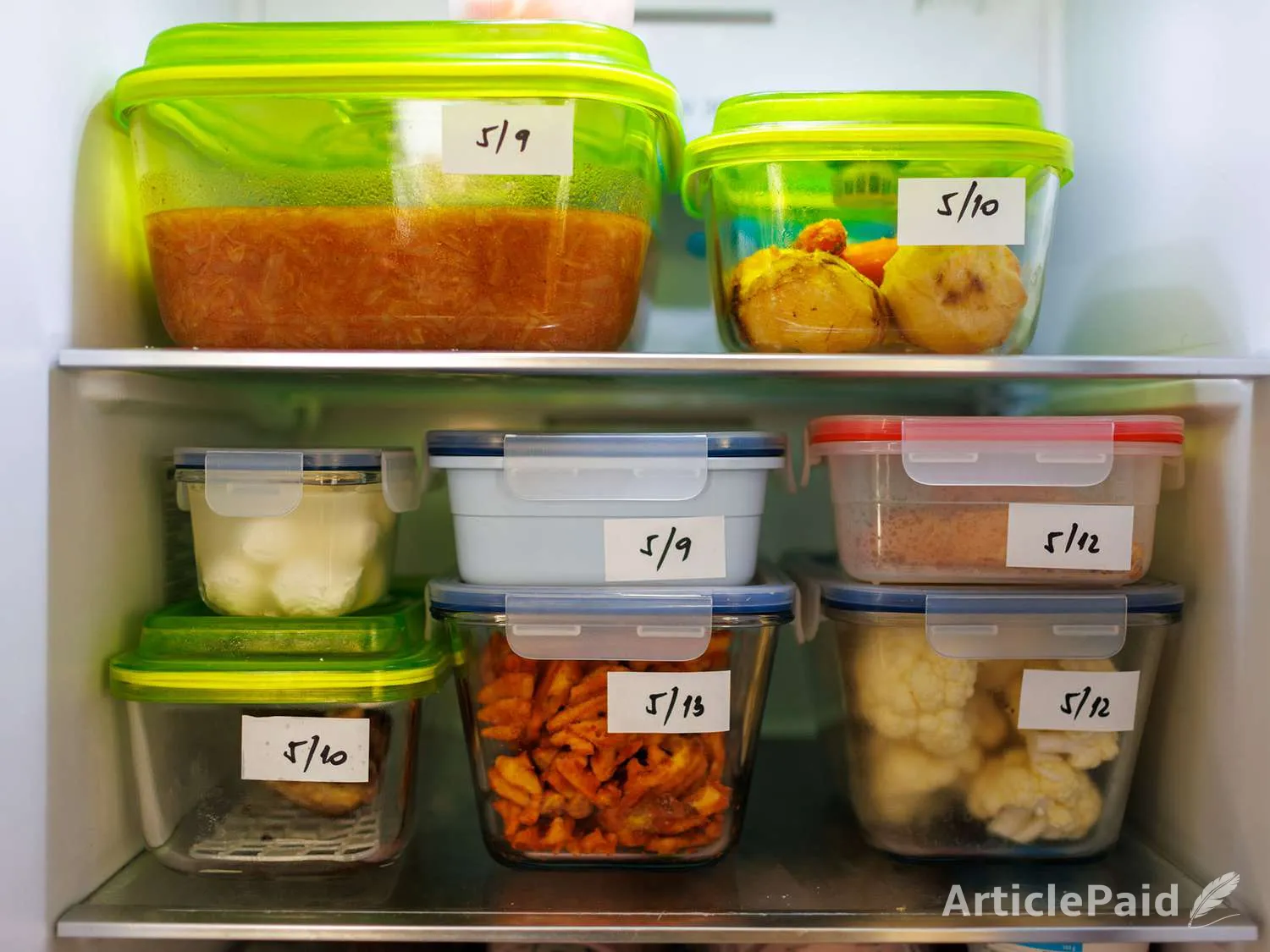
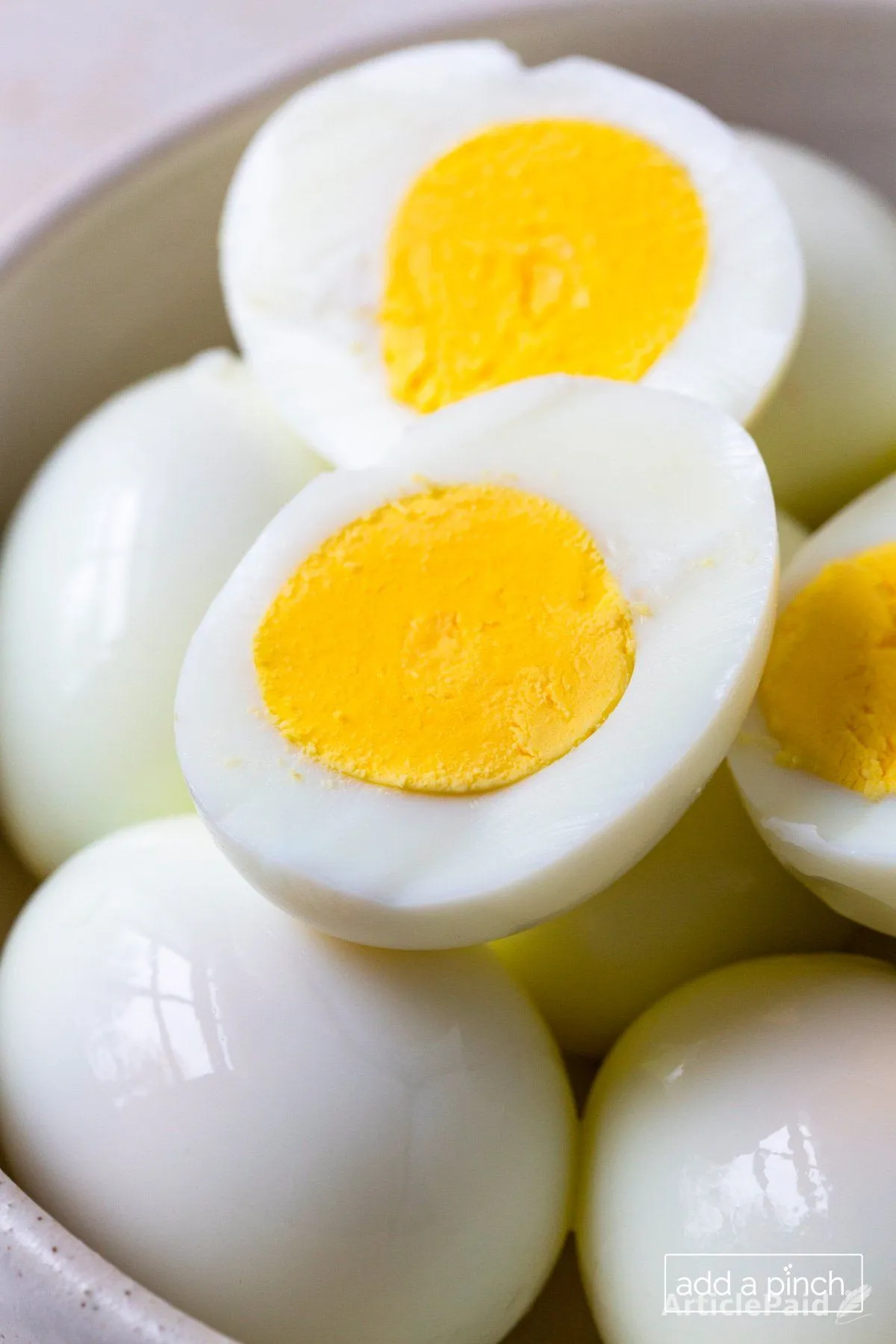
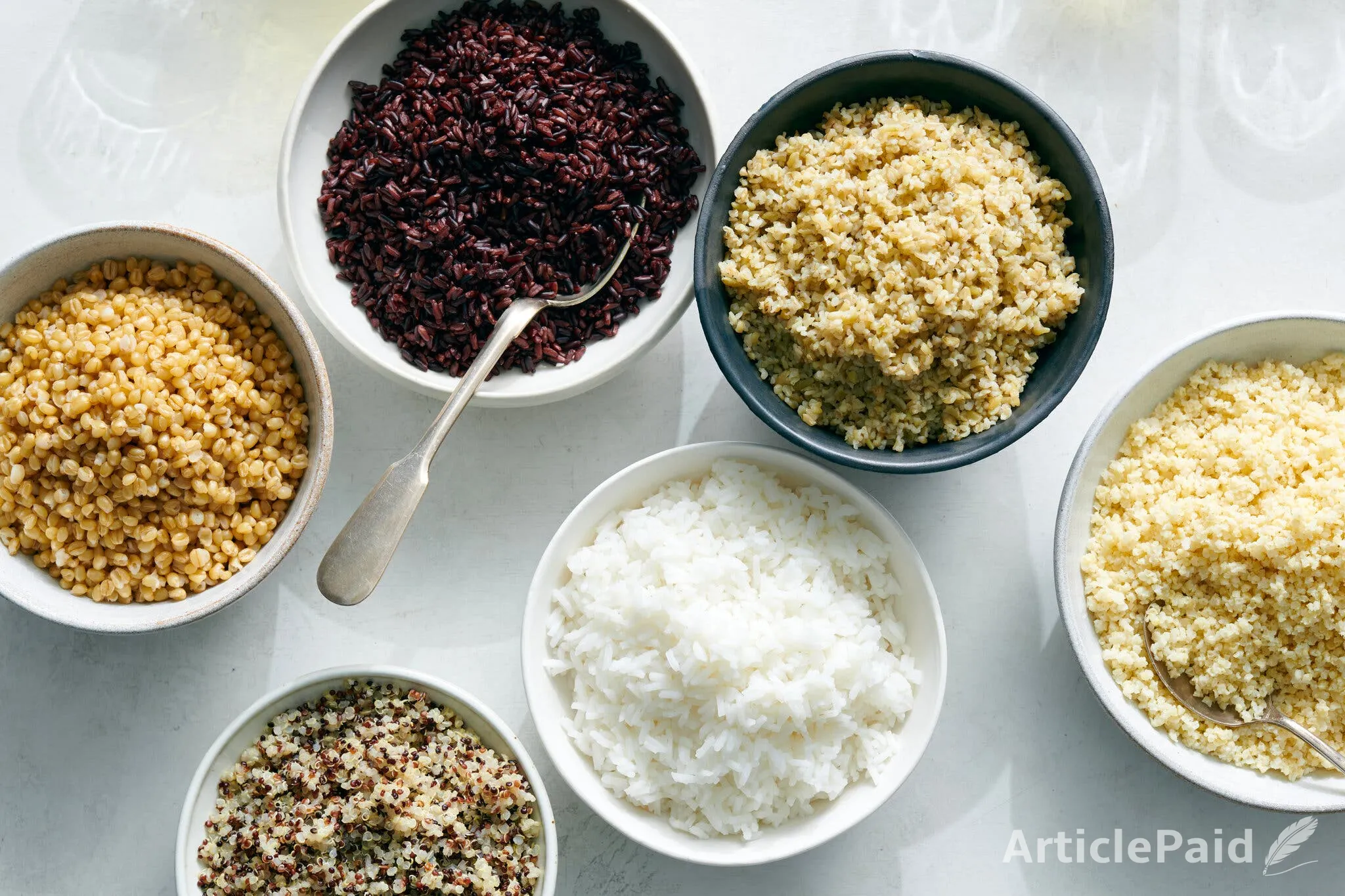
Not everything purchased at the grocery store has a long shelf life and here are at least 9 foods you need to be careful placing in your refrigerator.

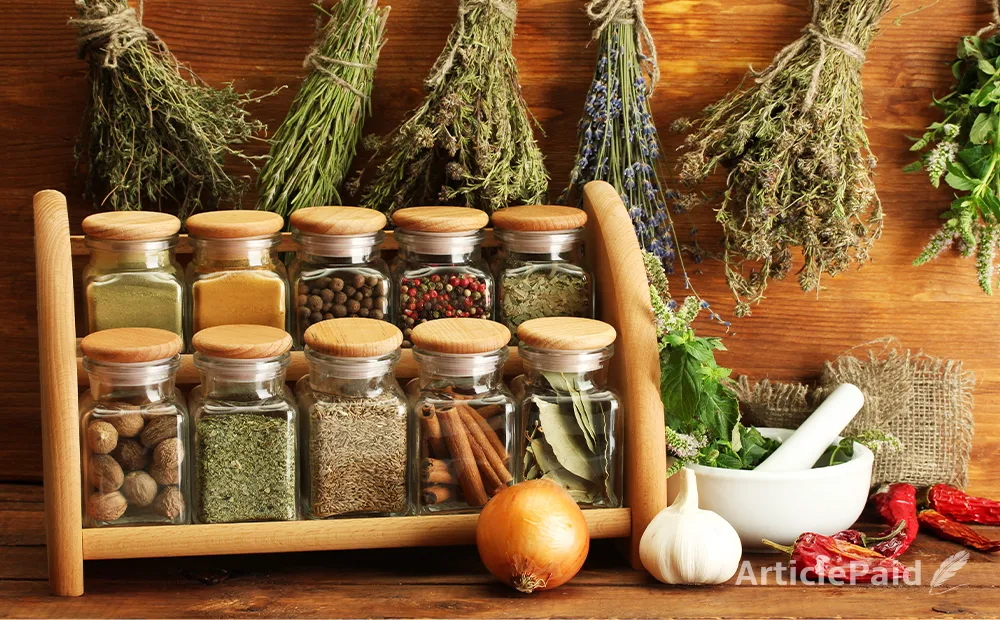
5.) Herbs
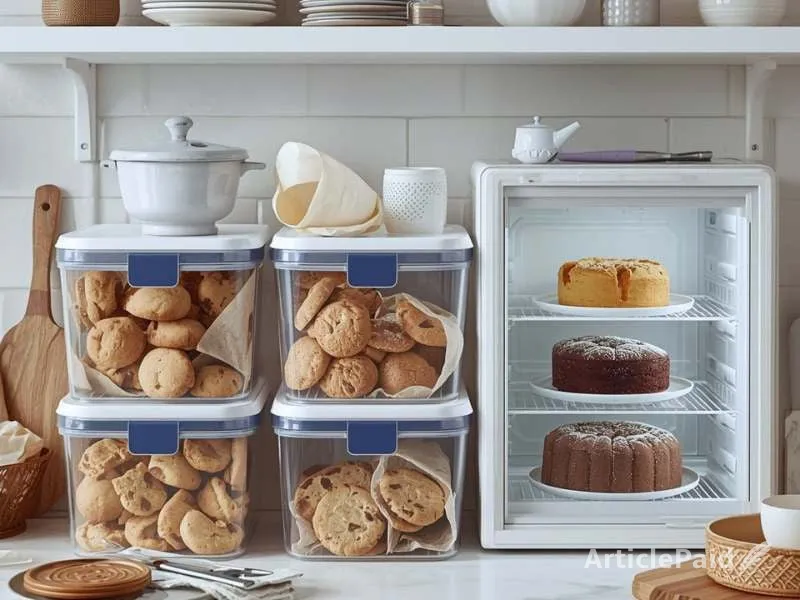
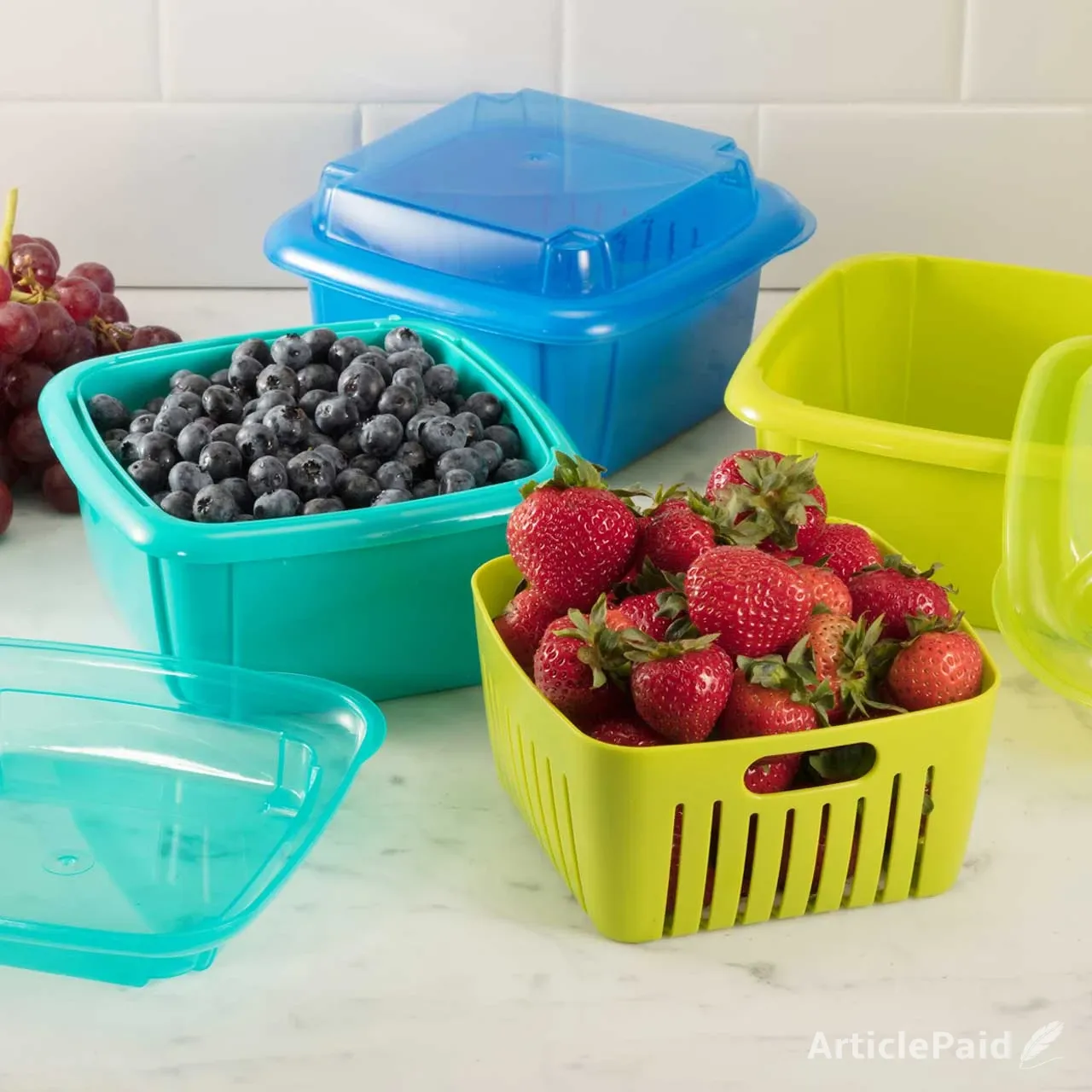
8.) Processed Foods
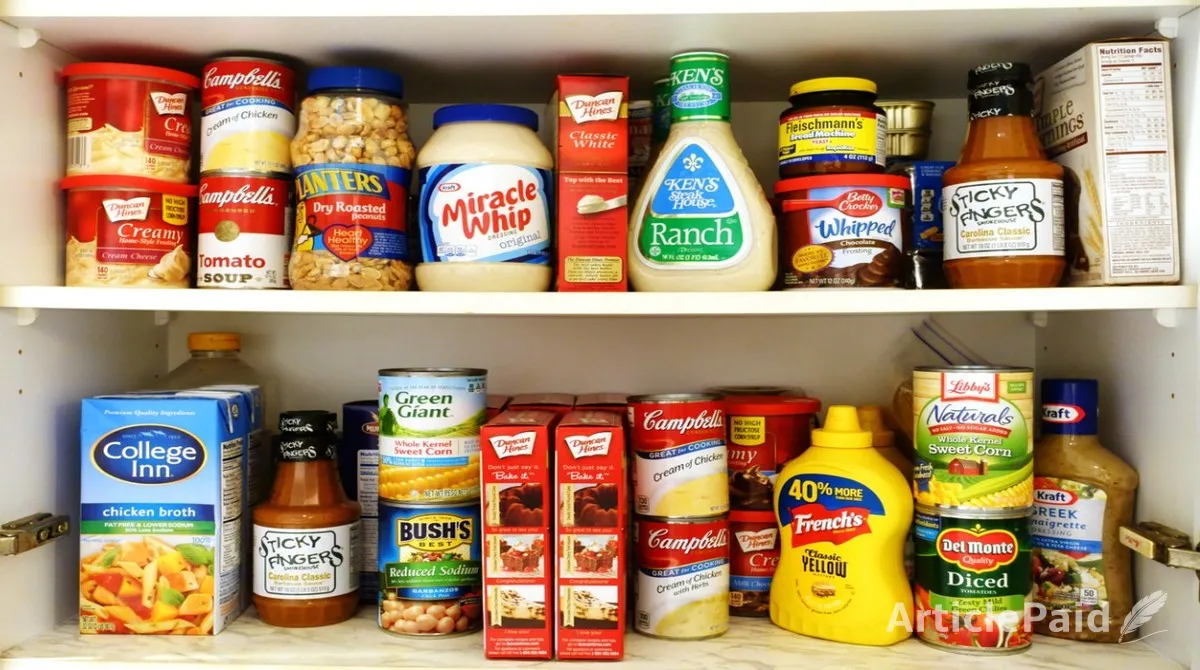
9.) Condiments
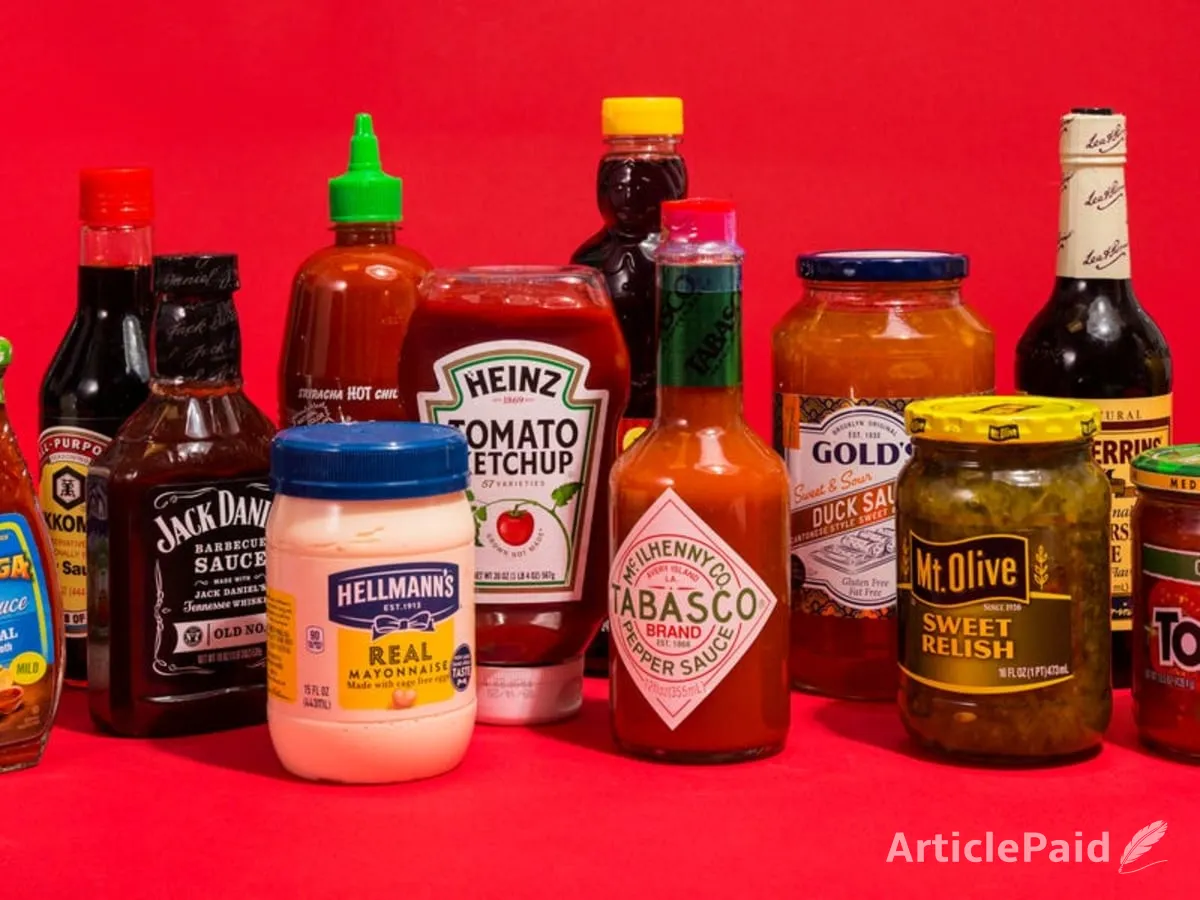 Tips:
More from ArticlePaid

Natural Energy Boosts,The Best Foods for Long-Term Vitality.
Choosing well-thought-out and consistent foods is the only way to boost your energy levels. Focus on nutrient-dense foods like complex carbohydrates, lean proteins, healthy fats, and vitamins like iron, magnesium,

Cinnamon: The Natural, Effective Way to Control Blood Sugar
image by ornaw pixabay Cinnamon is a common spice loved for its sweet and warm flavor, often used in desserts, teas, and smoothies. But beyond its taste, c
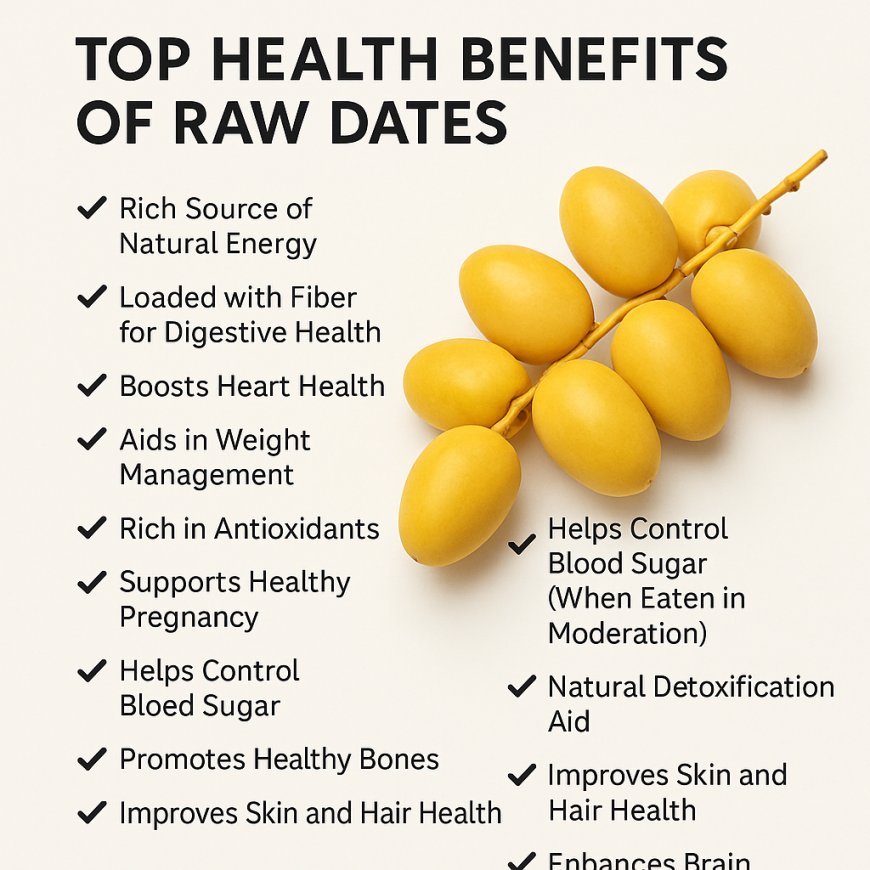
Raw Dates' Top Health Benefits:The early-stage fruits.
Raw dates are a healthy and delicious alternative that comes straight from nature. They can be used as a snack, a natural energy booster,

4 supplements to avoid if you want to live longer
We all want a healthy and peaceful long life.for this, we do exercises and use supplements to remain healthy and active.but here are 4 supplements to avoid if you want to live longer.

Top 5 Benefits of Arvi (Taro Root) for Health Arvi,
Arvi, also known as taro root, is more than just a tasty vegetable; it is also a nutritious food that can be an important part of a well-balanced diet. From improving digestion to supporting heart health, stabilizing blood sugar,
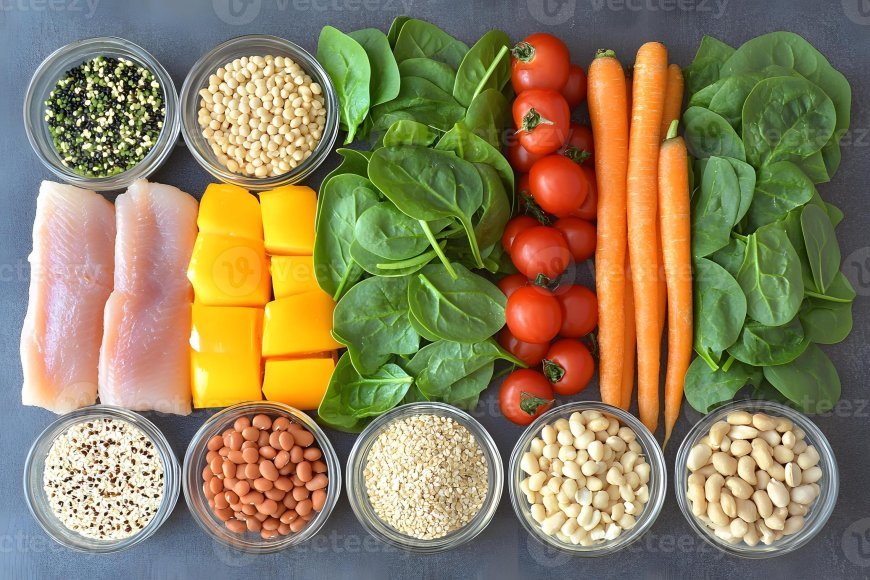
The Ultimate Guide to Gut Health: Foods, Habits & Tips
"Holistic Digestive Wellness Through Nutrition" Would you like a few more word sets to choose from?

Easy Ideas For Successful Weight Loss
The more simple your diet plan is, the easier it will be to stay with it over time. When you make little changes, one at a time, they are more likely to become a part of your regular routine permanently. Take a look at the following simple steps, and try to begin incorporating them into your life, one by one.When trying to lose weight be sure to get enough sleep. This will not only motivate you to exercise, but you also release hormones during sleep that assist with keeping a healthy weight level. When your overall mood is improved with a full night of sleep, you will make positive choices for eating and exercising.
What I Eat in a Day to Stay Fit (On a Budget)
Here’s exactly what I eat in a day to stay fit and full — all on a tight budget! No fancy ingredients, just smart nutrition. Save this for your meal planning.

The Simple Recipes for Karela's Top 12 Benefits Karela,
Simple Recipes for Karela's Top 12 Benefits Karela, also known as bitter gourd or bitter melon, is one of the most underrated vegetables in the kitchen. I
Weekly Top Articles

8 Methods to Write the Next Short Story After a Successful Hit
When Your Success Becomes Your Next ChallengeYou have published your first short story, and you feel proud to receive positive rev...

Why Saving Money Won't Make You Rich: 7 Ways to Wealth
Introduction: Will Saving Make You Richer?Everybody wants to leave school and enter a bright financial future. Most people think t...

Healthy soup for cold& cough- comforting Ginger Garlic soup
IntroductionWarm up with this easy, healthy and tasty homemade Ginger Garlic Soup. This soup has been made using fresh ingredients...

How Can I Use AI to Grow My Business and Make More Money in 2026?
IntroductionArtificial intelligence can make life easier for entrepreneurs, both big and small. Using artificial intelligence tool...
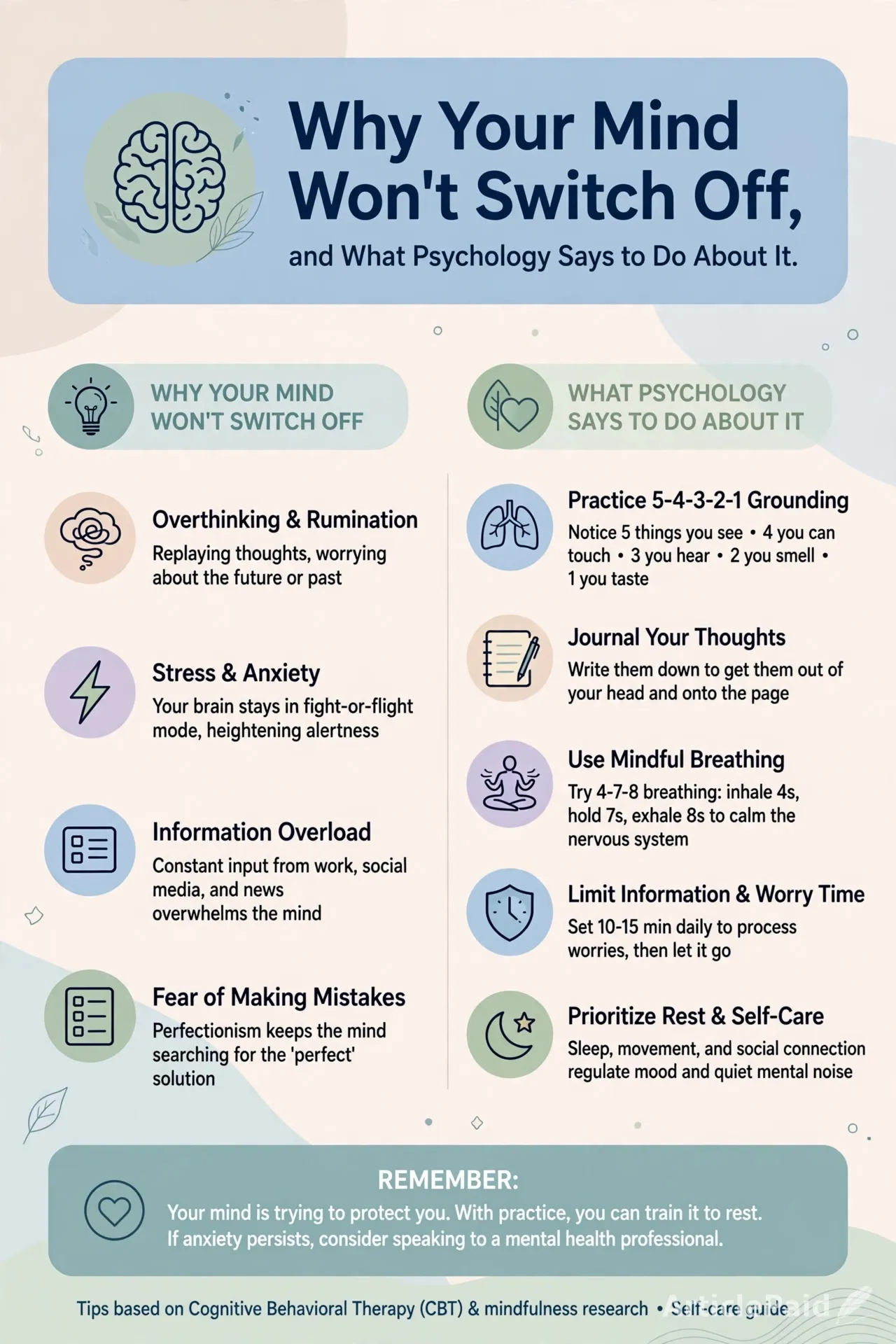
Why Your Mind Won't Switch Off, and What Psychology Says to Do About It
Last month's embarrassing text. Tomorrow's presentation. A decision you've already made but keep re-examining like it's evidence i...

Why You Procrastinate and How to Actually Stop: Easy Tips to Help You Start Now
IntroductionMany people procrastinate, and it stops you from achieving your goals. Procrastination may come in the form of avoidin...








Responses (0)
Sign in to share your thoughts.
Sign in