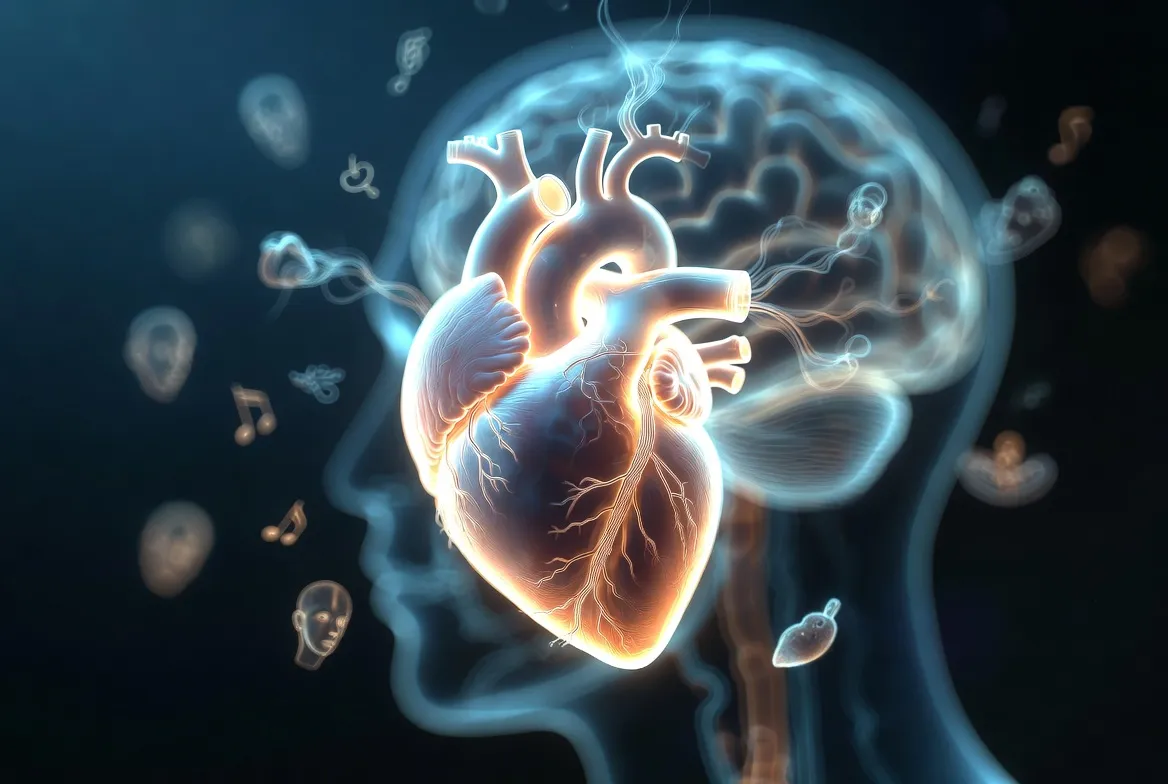
Imagine waking up after a life-saving heart transplant with sudden cravings for foods you once hated, a new passion for classical music, or vivid dreams of events that never happened to you. Some recipients claim these shifts mirror the personality or experiences of their anonymous donors. Does a new heart carry memories along with it?
Science
Mainstream science says no. Memories form and reside primarily in the brain, through networks of neurons and synaptic connections in areas like the hippocampus.
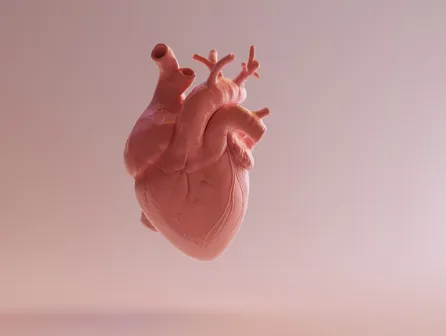
The heart is a muscular pump with its own intrinsic nervous system—sometimes called a “little brain”—that helps regulate its rhythm and communicates with the actual brain via nerves and hormones. It does not store complex autobiographical memories, preferences, or personal identity the way the brain does.
Yet for decades, intriguing anecdotes have circulated. In the late 1990s and early 2000s, psychologist Paul Pearsall documented cases in which heart transplant recipients reported changes that seemed to parallel their donors’ lives.
Rare cases
One woman, previously health-conscious, developed an intense urge for Kentucky Fried Chicken nuggets—later learning uneaten nuggets were found in her young male donor’s jacket.
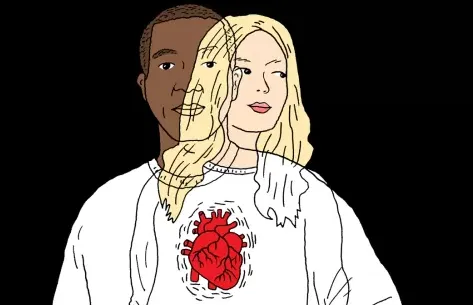
Claire Sylvia, a heart-lung recipient, described new cravings for beer and green peppers, plus dreams of a young man named Tim who turned out to match her donor. Other reports include shifts in musical taste, sexual preferences, food aversions, or even sensory flashbacks resembling the donor’s cause of death.
Further Research
More recent surveys add to the puzzle. One study found that nearly 90 percent of organ recipients (heart and others) reported some personality change after surgery. A few researchers have proposed “cellular memory” as a possible explanation: epigenetic marks, RNA molecules, or proteins in donor cells might theoretically carry information that influences the recipient.
The heart’s neural network and bidirectional signaling with the brain are sometimes invoked as supporting pathways. Animal experiments have shown limited forms of memory-like transfer via RNA injections, but nothing close to complex human experiences.
Skeptics point out major weaknesses. Most evidence consists of small case series or self-reports, often gathered after recipients learned something about their donors. Controlled, prospective studies with proper comparison groups are scarce. Alternative explanations are plentiful and more plausible: the profound psychological impact of surviving near-death illness and major surgery; side effects of powerful immunosuppressant drugs; improved blood flow and oxygen to the brain after a failing heart is replaced; coincidence; suggestion; or the natural human tendency to seek meaning in life-changing events. Personality shifts occur with many organ transplants, not only hearts, which undercuts claims of a special cardiac mechanism.
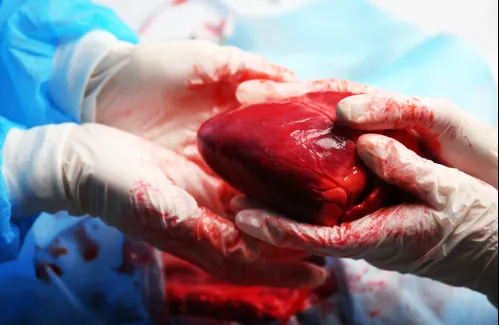
Reviews in medical journals conclude that claims of memory or personality transfer remain inconclusive at best and lack rigorous scientific support. The phenomenon is fascinating and deserves careful study—especially because patients sometimes struggle with identity questions after transplant. But until stronger evidence appears, the safest conclusion is that a donated heart restores life without rewriting the recipient’s mind. The real miracle is the surgery itself: one person’s gift allowing another to continue living, thinking, and making new memories of their own.


















Responses (0)
Sign in to share your thoughts.
Sign in