
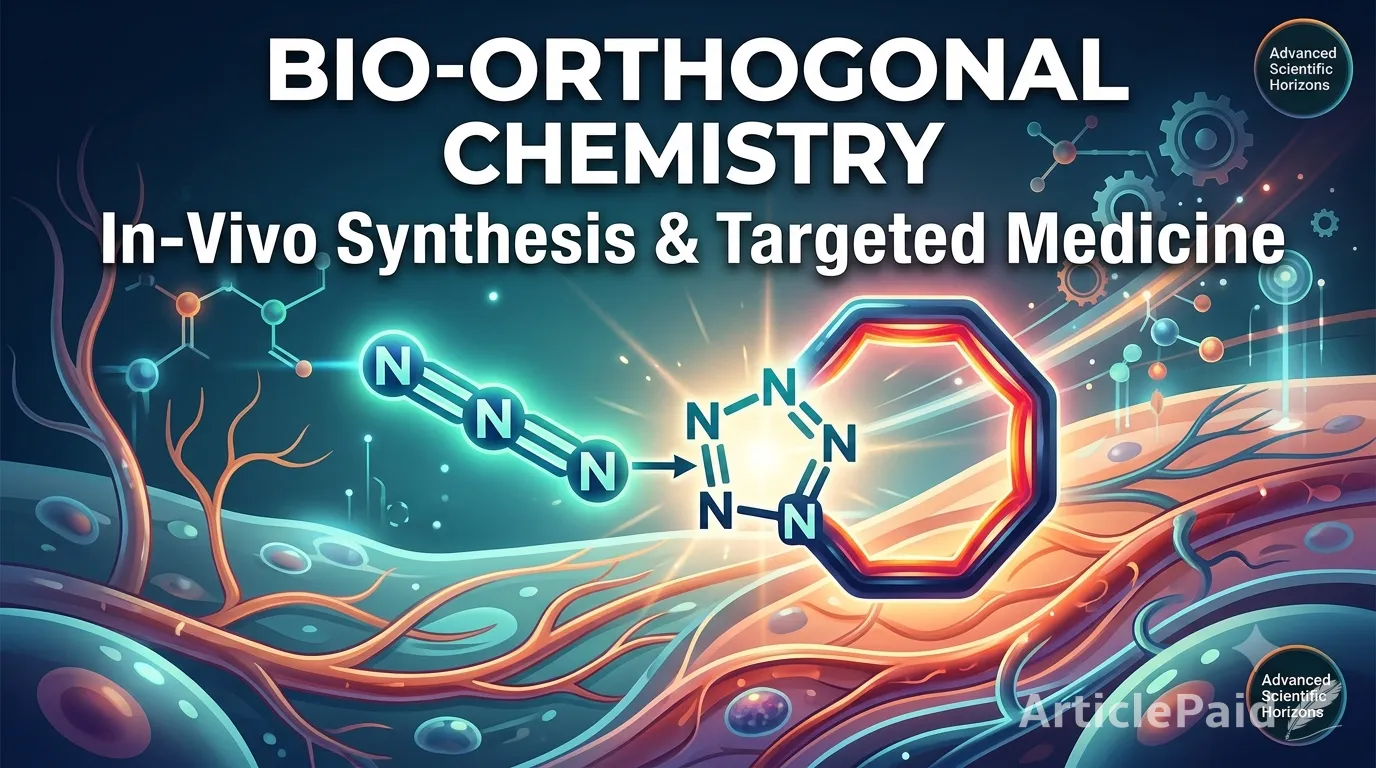
Traditional systemic therapies face a fundamental issue: achieving therapeutic potency without causing off-target toxicity.
Delivering chemotherapy or potent small molecules often damages healthy tissue alongside diseased targets. Bio-orthogonal chemistry—reactions engineered to occur inside living systems without cross-reacting with native biological processes—offers a transformative solution. By using these reactions to assemble or activate drugs directly inside diseased tissue (in-vivo synthesis), medicine is moving from systemic delivery to targeted cellular engineering.
The primary challenge of performing chemistry inside a human organism is biological noise. A living cell contains tens of thousands of proteins, lipids, and metabolites with reactive functional groups. Bio-orthogonal reactions rely on abiotic functional groups—chemical handles that do not exist in nature and react exclusively with one another.
Strain-Promoted Azide-Alkyne
Cycloaddition (SPAAC):
A copper-free click reaction that uses ring strain (such as cyclooctynes) to drive rapid coupling with azides under ambient physiological conditions.
Inverse Electron-Demand Diels-Alder (IEDDA):
Utilizing pairs such as trans-cyclooctene (TCO) and tetrazine, IEDDA reactions exhibit exceptional kinetic rates. This rapid coupling allows reactants to find one another even at nanomolar concentrations in the bloodstream.
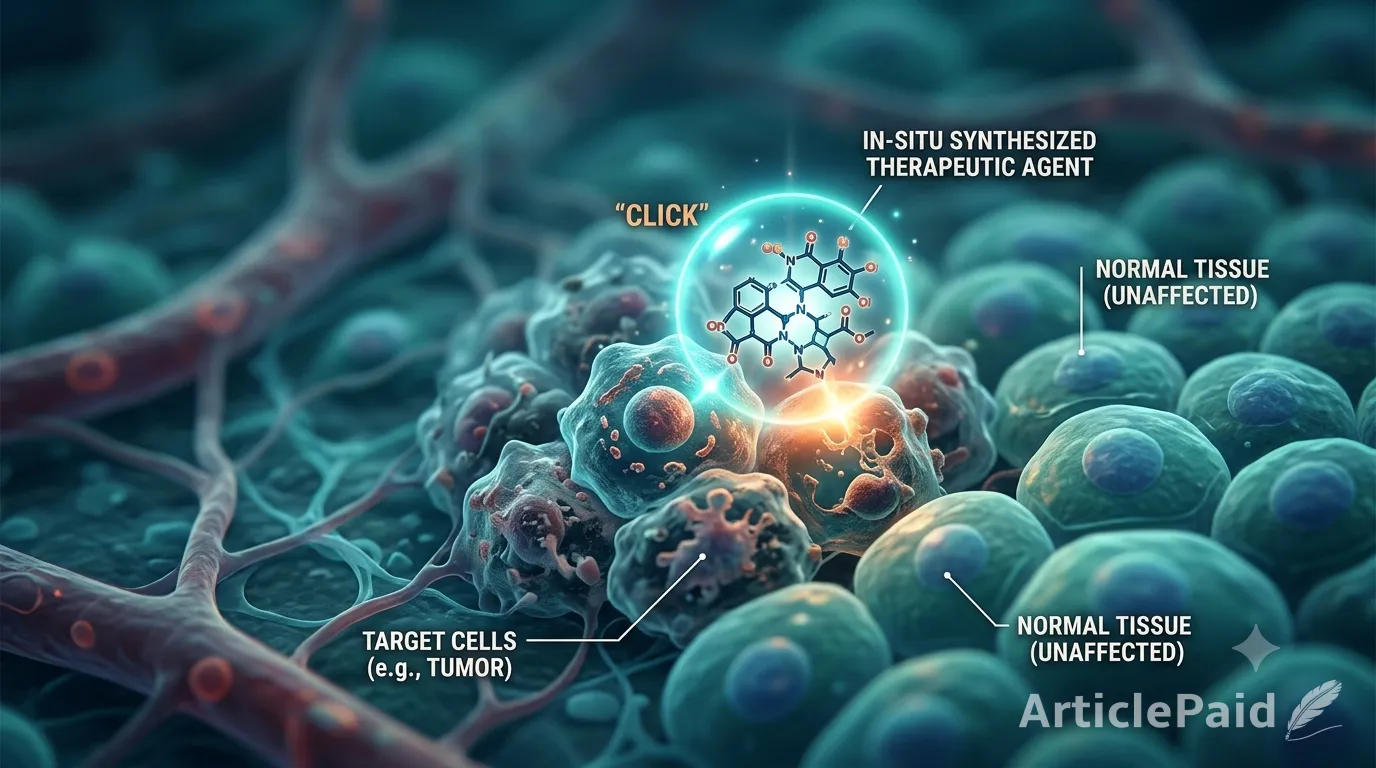
In practice, two non-toxic precursor molecules are administered. The primary precursor anchors to target cells via a antibody, receptor ligand, or biomaterial hydrogel. The second precursor circulates harmlessly through the body until it meets the target site, where a "click-to-release" or "click-to-assemble" reaction triggers local drug synthesis.
Clinical Breakthroughs and Applications
The shift from purely diagnostic applications to active therapeutic interventions represents a major leap forward for chemical biology.
Precision Cancer Chemotherapy (Click-to-Release):
Cytotoxic agents are converted into inert prodrugs by capping their active sites with a bio-orthogonal moiety (like TCO). A tetrazine-functionalized biopolymer or antibody is first targeted to the tumor microenvironment. When the inert prodrug circulates to the tumor, the tetrazine triggers a cleavage cascade, uncapping the drug and concentrating high doses strictly within the malignancy.
In-Situ Molecular Assembly:
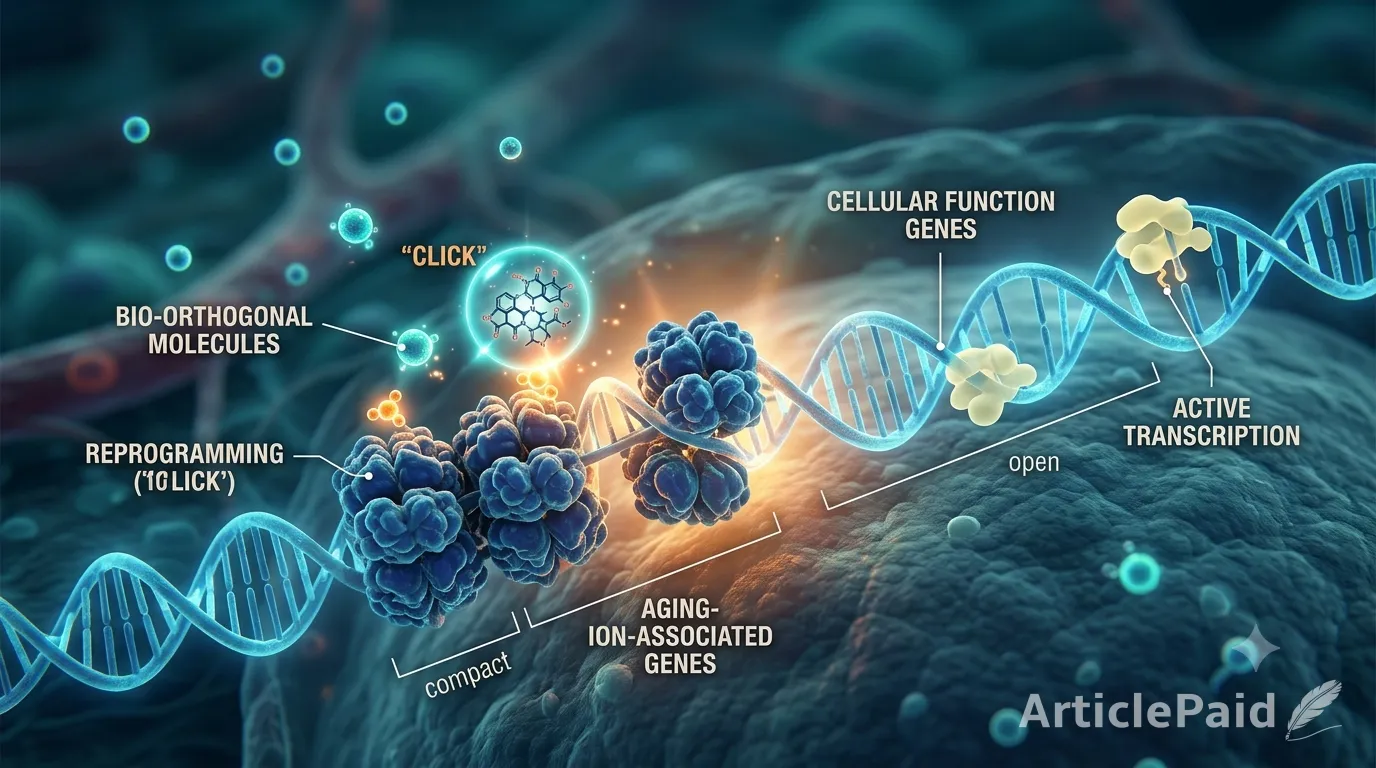
Beyond releasing small molecules, bio-orthogonal chemistry can link individual fragments together inside a cell. This approach builds larger functional architectures—such as supramolecular aggregates or active PROTACs (Proteolysis Targeting Chimeras)—specifically inside target tissues to improve retention and efficacy.
Cell Surface Engineering & Extracellular Vesicles:
Living cells and exosomes lack native sites for direct bioconjugation without altering their membrane integrity. Introducing bio-orthogonal chemical handles onto cellular surfaces enables researchers to anchor target peptides, magnetic markers, or therapeutic cargos onto cell-based therapies post-isolation or in vivo.
Ethical, Safety, and Engineering Challenges
Despite significant advancements, translating in-vivo bio-orthogonal synthesis into standard clinical practice presents distinct hurdles:
Pharmacokinetics & Stoichiometry: Achieving the precise local concentration necessary for rapid reaction kinetics without requiring high precursor doses remains challenging in deep or poorly vascularized tissue.
Reagent Stability & Clearance:
Synthetic handles must remain metabolically stable long enough to find their reaction partner without premature degradation or non-specific liver/kidney accumulation.
Regulatory Pathways:
Evaluating two distinct chemical entities—each non-toxic alone, but generating a potent payload upon reaction—requires updated safety, dosing, and toxicological regulatory frameworks.
The Future Horizon
Bio-orthogonal synthesis represents a fundamental evolution in how therapeutic agents are introduced into the human body.
As bio-orthogonal chemistry continues to integrate with AI-driven drug design and synthetic biology, the paradigm is shifting from administering pre-formed drugs to deploying molecular factories capable of executing localized, highly selective chemistry directly at the site of disease.























Responses (0)
Sign in to share your thoughts.
Sign in