
Introduction
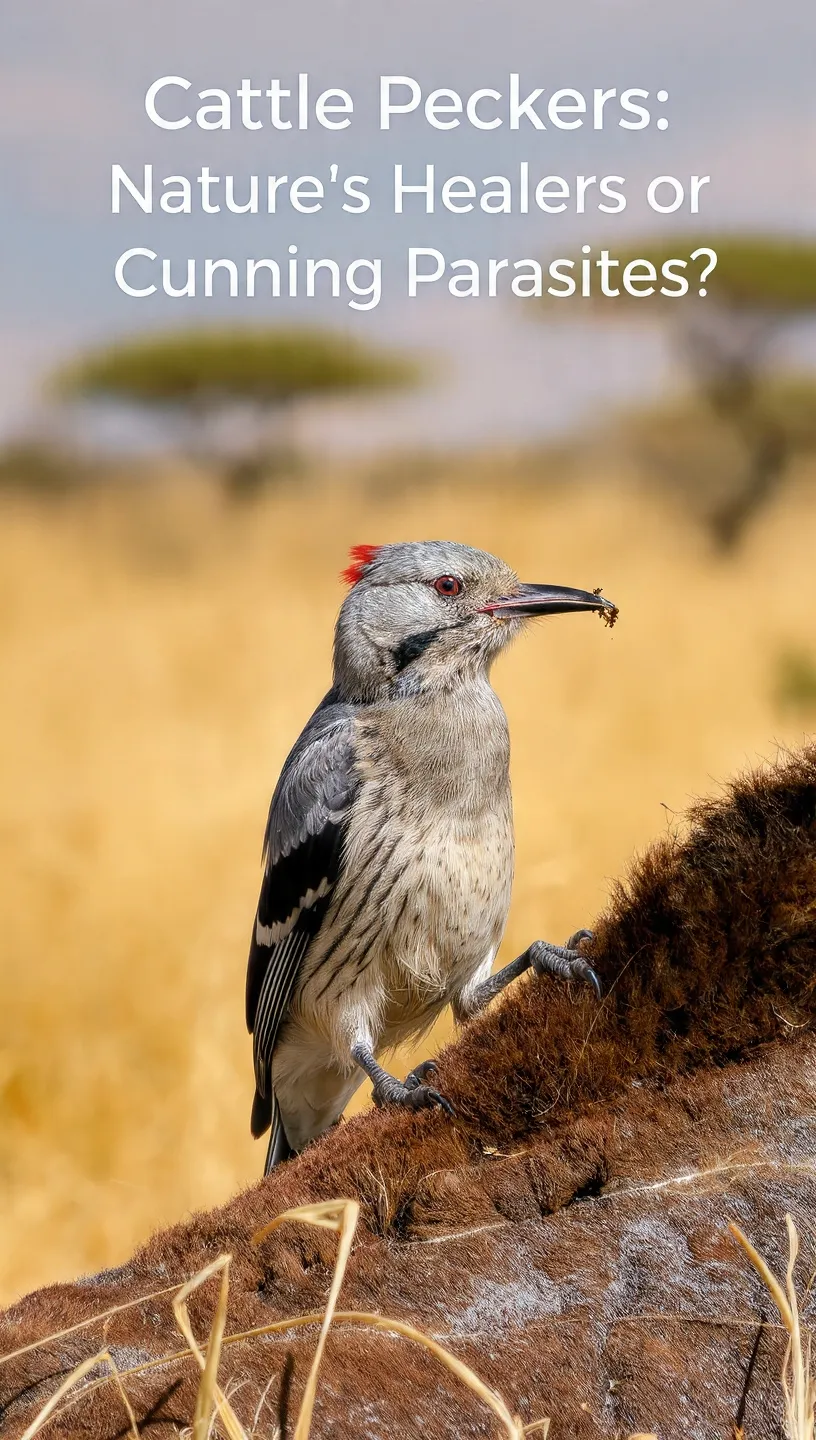
Africa’s wildlife gets all the attention for good reason. But one of the strangest relationships there doesn’t make headlines. It’s the one between cattle peckers and the big animals they live on. This little bird with a sharp, pointed beak spends its whole life on zebras, giraffes, rhinos, and cattle. For a long time people called it a “healer”. Lately, science has shown the story is messier than that.
What is a Cattle Pecker?
Cattle peckers are small birds from sub-Saharan Africa. They’re in the Buphagidae family, and there are two types: red-billed and yellow-billed. Both have strong, flat beaks and sharp claws. Those claws let them grip fur and skin without slipping, while the beaks do the feeding.
What Animals Does This Bird Eat On?
Oxpeckers aren’t picky. If it’s big and has ticks, they’ll perch on it. You’ll find them on:
Zebras and cattle
Giraffes and impalas
African buffalo and rhinos
Hippos and farm cattle
For the bird, these animals are basically a moving restaurant, waterhole, and shelter all rolled into one.
What does this bird actually eat?
Here's the real interesting thing. The oxpecker doesn't just eat ticks, but its diet includes:
-Ticks and other parasites hidden in hair
Dead skin and scabs
Earwax and wax
Fresh blood flowing from open wounds
This last point is the twist that changed scientists' entire thinking about this bird. The oxpecker doesn't clean its wounds, but deliberately keeps them open and fresh so that it gets a constant supply of blood.
Healer or parasite?
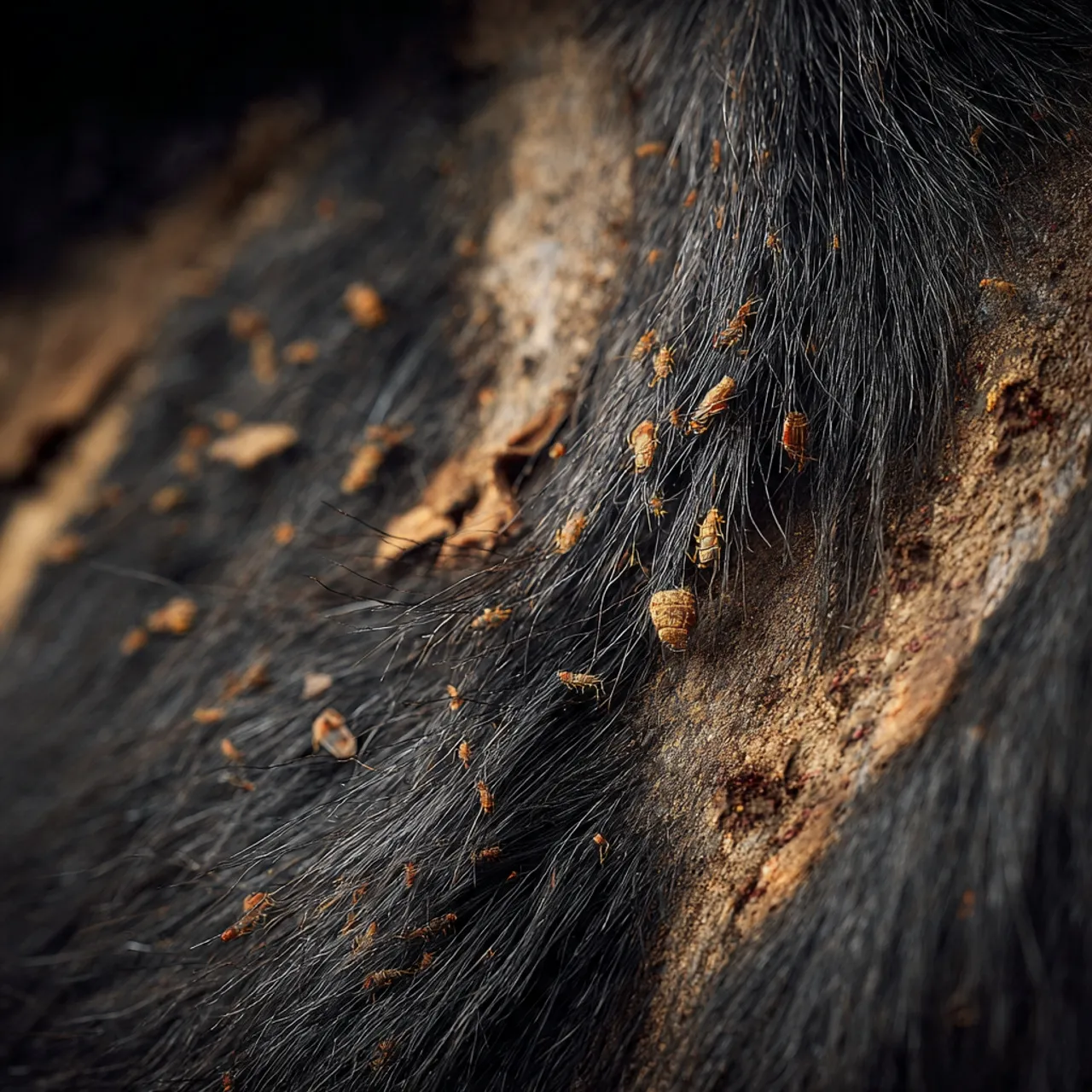
For centuries, African herders thought of the oxpecker as a loyal partner. The bird sat on cattle and wild animals, picked off ticks, and even raised an alarm when predators came close. That belief made sense. One oxpecker can eat up to 100 female ticks in a day. Fewer ticks meant fewer diseases jumping from animals to people.
But recent studies show there’s another side to it. The wounds these birds make actually heal slower than normal. Oxpeckers keep the blood flowing so they can keep feeding. Sometimes they even peck the skin again to open the wound up.
So the “faithful companion” story is only half true. The bird helps, but it helps itself first. The bird rode on cattle and other animals, picking off ticks and warning of predators. That idea made sense. One oxpecker can eat up to 100 female ticks in a day, which cuts down the risk of diseases spreading between animals and people.
But newer research tells a different story. It turns out those wounds the birds make don’t heal as fast as wounds from other causes. Oxpeckers actually keep the blood flowing by delaying the healing process. Sometimes they even use their beaks to poke the skin again and open fresh wounds.
So the “helpful friend” image isn’t the whole truth. The bird gives protection, yes, but it also keeps the wound open for its own benefit.
Scholars today call this relationship “modified mutualism”: a relationship in which both parties benefit, but not always equally or perfectly.
A natural alarm system
One trait that is truly beneficial is that the oxpeckers act as a natural alarm.
When a lion or any predator gets too close, these birds don’t stay quiet. They let out a sharp, loud call and take off. That sudden noise and movement gives the host animal a few extra seconds to run. For rhinos especially, that matters. Their eyesight isn’t great, so that warning can literally mean the difference between getting away or getting caught.
Oxpeckers and African Farmers
In a lot of African farmland, pesticides cost too much or just aren’t available. That’s where oxpeckers help out for free. They eat ticks and other pests off cattle, so farmers get natural pest control without spending a cent. . Farmers who allow these birds near their livestock often report fewer ticks and fewer diseases. But the same problem exists here — open wounds attract these same birds, and the healing process is slowed.
Conservation Status
In the 20th century, the overuse of pesticides on livestock eliminated the oxpeckers’ food source, leading to a sharp decline in their numbers. Habitat destruction has worsened the situation. But thanks to conservation work and less pesticide use in rural areas, both species have bounced back. Right now they’re listed as “Least Concern” on the IUCN Red List.
Frequently Asked Questions
Q: Is the oxpecker harmful to animals?
A: Not deadly, but it makes things worse. The bird keeps wounds open so it can keep feeding on blood, which slows healing. The bird keeps wounds open so it can keep feeding on blood. That slows healing down.
Q: Where do oxpeckers live?
A: You’ll find them across the plains and grasslands of sub-Saharan Africa. Basically anywhere there are big animals for them to ride on.
Q: Can an oxpecker survive without large animals?
A: Nein.It can’t survive without them.Its food, shelter, and safety all come from large animals.Q: Are oxpeckers endangered?A: Not right now. Both the red-billed and yellow-billed species are listed as “Least Concern”. But in some areas their numbers are dropping, so the risk is there.
Q: Are oxpeckers endangered?
A: Not right now. Both the red-billed and yellow-billed species are listed as “Least Concern”. But in some areas their numbers are dropping, so the risk is there.
Conclusion
The oxpecker isn’t a hero and it’s not a villain either. It’s just a bird doing what it needs to survive. Sometimes that means helping the animal it lives on. Sometimes it means keeping a wound open for its own meal. Nature’s relationships aren’t usually that simple. has so intertwined its life with the large animals of Africa that it would be impossible to exist without them. It provides some real benefits — pest control, disease prevention, and early warning of predators. But it also takes more than its fair share.




















Responses (0)
Sign in to share your thoughts.
Sign in