

Introduction:
Why Time Runs Out for Small Business Owners Most small businesses don't fail because the product is bad. They lose because time gets wasted. Hours disappear replying to the same customer questions, making social posts, sending invoices, and chasing leads.
Here’s where it saves hours:

1. Customer Questions
2. Writing Content
3. Bookkeeping and Bills
4. Scheduling and Emails
Does It Actually Cut Costs?
You Don’t Need to Be Tech-Savvy
Bottom Line
FAQs
Q1 Can small businesses afford these tools?
Q: Do I need to know tech to use these tools?
Q3. Will this replace my staff?
Q4. Which tool should I try first?
Q5. Is it safe to install products with these tools?
Yes, if you check and replace them. Search engines reward useful, original content. Human-edited drafts perform well.
More from ArticlePaid

How to Make Passive Income Online With a Freelance Website
How to Make Passive Income Online With a Freelance WebsiteMost freelancers trade time for money. You put in hours, deliver the work, get paid, and then sta

The Entrepreneurial Journey: From Vision to Venture
Entrepreneurship represents the backbone of innovation and economic growth in our modern world. It's the driving force behind new products, services, and s

Why Some Startups Succeed While Others Fail Even Before
Introduction: The Startup LandscapeThe world of startups is exciting yet unpredictable, full of promise, risk, and valuable lessons. Startups are typically

Small Investment, Big Returns: Businesses That Took Off in 2
Why Small-Investment Startups Boomed in 2025Two main forces fueled the rise of low-cost entrepreneurship:Technology: Generative AI, low-code tools, and aut

Why ArticlePaid is the Best Platform to Write and Get Paid
Why ArticlePaid.com Is the Best Place to Write and Get Paid InstantlyAre you tired of waiting weeks—or even months—to get paid for your writing? If so, you
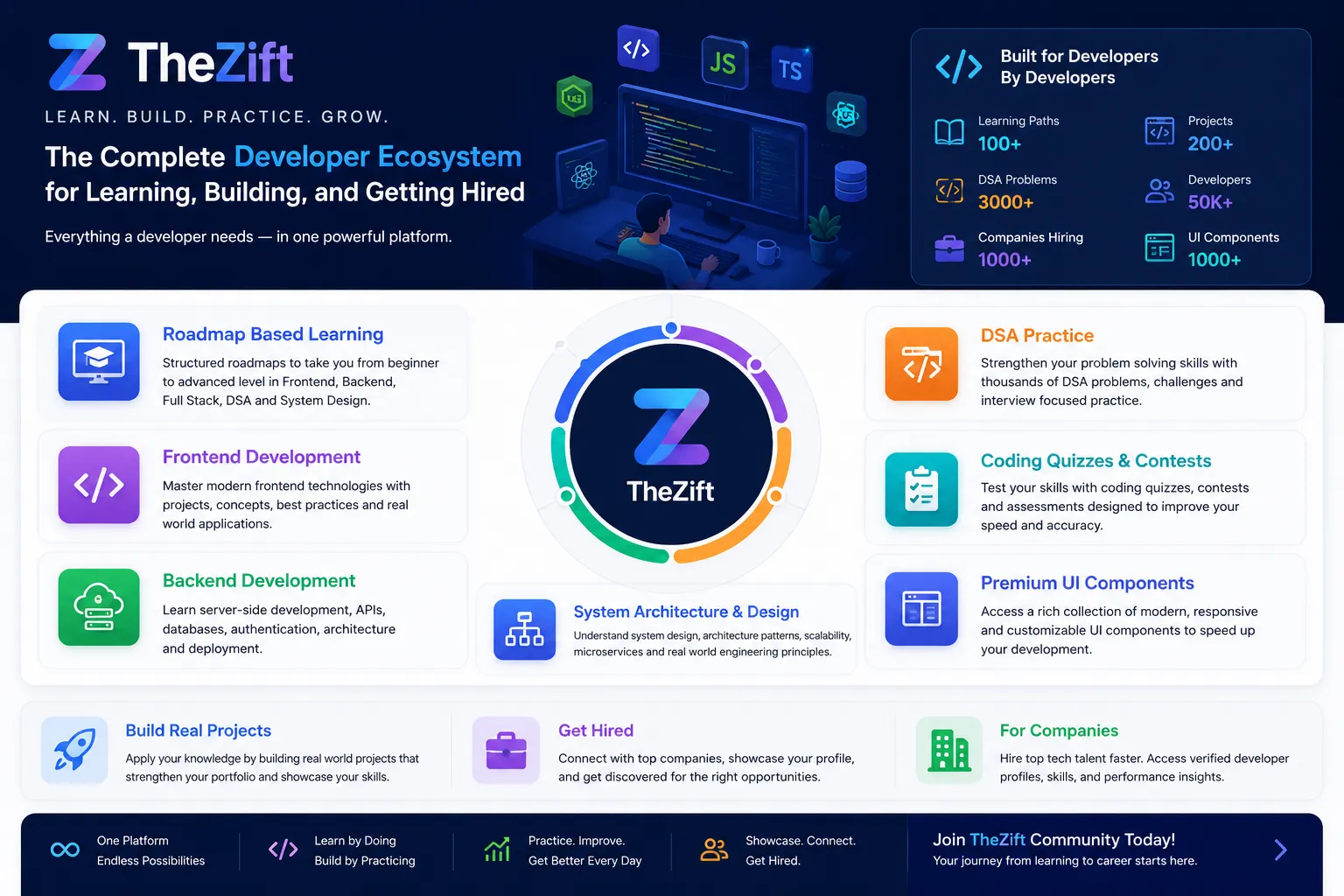
Frontend Development Roadmap: A Complete Guide for Beginners in 2026
Frontend Development Roadmap: A Complete Guide for Beginners in 2026Frontend development is one of the most popular career paths i...

How Smart CEOs Delegate Tasks (And Where AI Fits In)
You know the feeling. You just walked out of a client call, your next meeting starts in fifteen minutes, and in that gap you are s...

How to plan the perfect Trips to India: A guide for first time travelers.
It is a country with stunning scenarios, rich history, and vibrant societies. Providing an extremely varied travel experience, the geographical, social, and deep variety of India guarantees that every journey here is different: from snow capped pinnacles of the Himalayas to the shimmering shores of the Indian Sea. Every form of traveler is mesmerized by the way old traditions and modern developments meet up in this country.

Decoding AI Guardrails: Compliance Laws That Will Make or Break Tech
Let me be straight with youThe AI gold rush is over.Not in the sense that opportunity has dried up — it hasn't. But the version of...
Weekly Top Articles
Best AI Tools in 2026: 10 Tools That Make Everyday Work Easier
Artificial intelligence has become a practical part of everyday work in 2026. From writing and research to graphic design, coding,...

10 Future-Ready Courses Writers Should Consider in 2027
The Concept of Writing Skills Has Changed The role of a great writer is no longer about putting words together to form a good...

Money and Peace Together: 5 Hobbies That Can Earn You Extra Income Today
IntroductionIt is no secret that a person’s leisure time is often limited due to the ongoing hustle for money. However, in some ca...

Creamy Garlic Butter Chicken: A Weeknight Dinner Worth Repeating
Every so often, a dish takes over your social feed and you wonder if it's really that good. This one is. Tender chicken sits in a ...

Top 10 Online Courses to Learn in 2026 for a Successful Future Career
IntroductionThe online courses market is on the rise in 2026, and there are plenty of options suitable for students, job seekers. ...

7 AI Skills Paying $100 Daily In 2026 (No Degree Required)
IntroductionThe world of Artificial Intelligence is booming, offering unprecedented opportunities to make a living and build a sus...







Responses (0)
Sign in to share your thoughts.
Sign in