Potatoes: Healthy or Unhealthy? The Real Truth
In many Asian countries, potatoes are cooked with a variety of vegetables, making them an important part of everyday mea


In this article 6 sections
In many Asian countries, potatoes are cooked with a variety of vegetables, making them an important part of everyday meals. From mixed vegetable curries to potato and spinach, potato and cauliflower, and potato with peas, potatoes are used in countless home dishes.
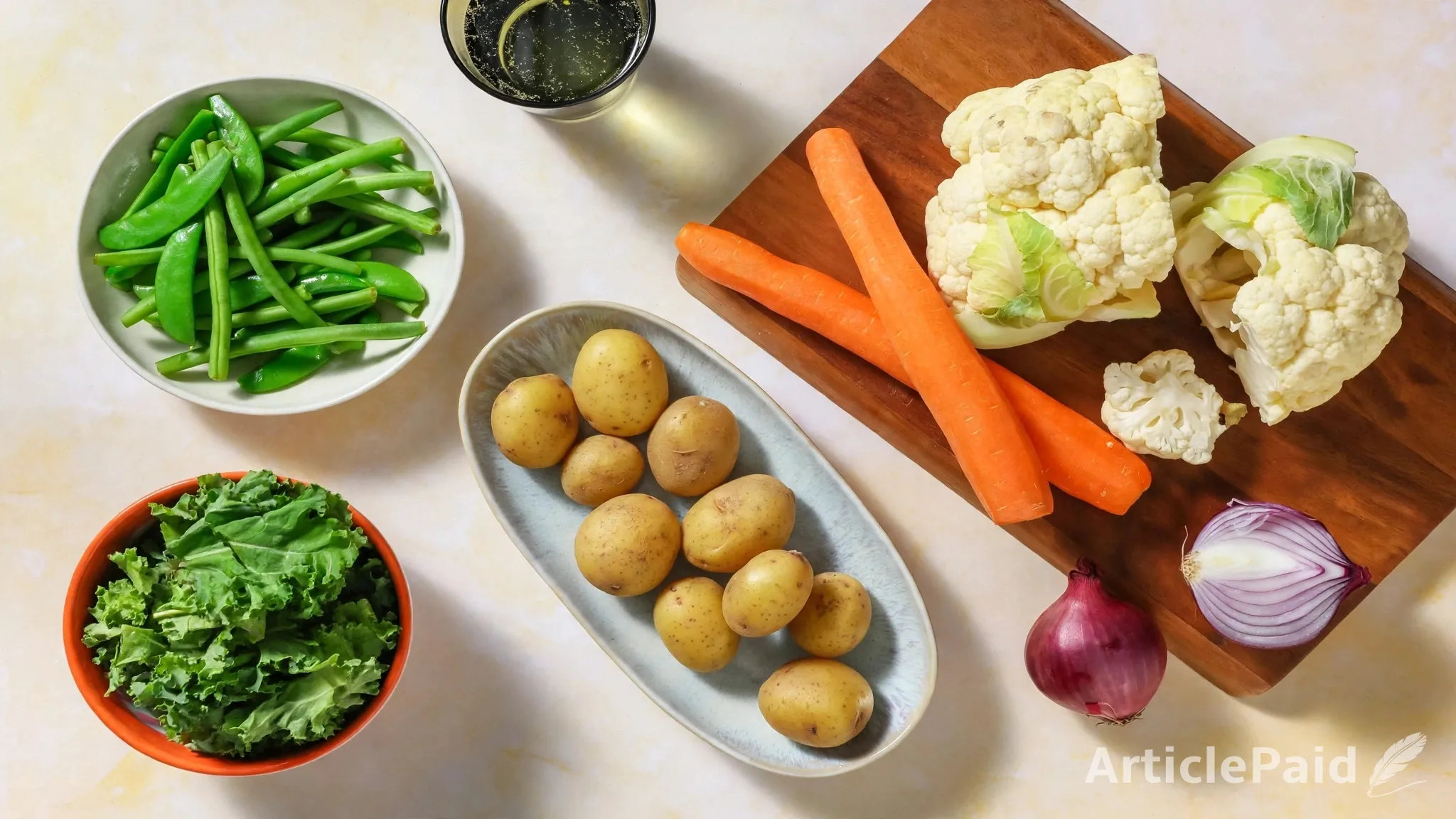
Potatoes are also one of the most commonly eaten foods in the world. They are affordable, easy to cook, and used in many different dishes, from boiled and mashed potatoes to fries and baked potatoes. However, some people believe that potatoes are unhealthy and should be avoided, especially by those who want to lose weight. But is this really true? The answer depends on how potatoes are prepared and how often we eat them.
For babies, boiled potato is considered the best option because it is soft, easy to digest, and free from extra oil and salt.
What Makes Potatoes Nutritious?
Potatoes contain several important nutrients that support human health. They are a good source of carbohydrates, which provide energy for the body and help the brain and muscles function properly.
They also contain vitamin C, vitamin B6, potassium, and some dietary fiber. Vitamin C supports the immune system, while vitamin B6 helps the body use energy and supports normal brain function. Potassium plays an important role in maintaining healthy blood pressure and proper muscle function.
Potatoes also contain natural plant compounds called antioxidants. These compounds help protect the body's cells from damage caused by unstable molecules known as free radicals. The amount of certain nutrients and antioxidants can vary depending on the type of potato and how it is cooked.
How Do Potatoes Affect Human Health?
Eating potatoes as part of a balanced diet can provide several health benefits. Their carbohydrates supply energy, making them useful for people who need fuel for daily activities.
Potatoes also contain fiber, particularly when eaten with their skin. Fiber supports digestion, helps maintain regular bowel movements, and can make people feel full for longer. This may help control unnecessary snacking.
Another important benefit is their potassium content. Potassium helps balance sodium levels in the body and supports normal blood pressure. Getting enough potassium through food is an important part of maintaining heart health.
However, potatoes should not be considered a treatment for any health condition. Their benefits depend on the overall quality of a person's diet and lifestyle.
Can Eating Potatoes Cause Weight Gain?
One common misunderstanding is that potatoes automatically cause weight gain. In reality, plain potatoes are not naturally high in calories or fat. A medium-sized boiled potato contains approximately 160 calories, although the exact amount depends on its size.

The bigger concern is how potatoes are prepared. Deep-fried potatoes, chips, and French fries often contain extra fat and calories. Adding large amounts of butter, cheese, cream, or oil can also make a potato-based meal much heavier.
People trying to manage their weight do not necessarily need to stop eating potatoes. Instead, they can choose healthier cooking methods and control portion sizes.
What Is the Healthiest Way to Eat Potatoes?
The cooking method can make a significant difference to the nutritional quality of a potato dish.
Boiling, steaming, and baking are generally healthier options than deep-frying. These methods allow people to enjoy potatoes without adding large amounts of extra fat.
Eating potatoes with their skin, when properly washed, can provide additional fiber. Pairing them with vegetables, beans, eggs, fish, or other protein sources can also make a meal more balanced.
It is also helpful to avoid adding too much salt and processed sauces. Small changes in cooking habits can make potato dishes healthier without removing their taste.

Are There Any Risks of Eating Too Many Potatoes?
Although potatoes provide useful nutrients, eating them in excessive amounts is not a good idea. A diet that depends heavily on potatoes may lack the variety of nutrients found in fruits, vegetables, whole grains, and protein-rich foods.
People with diabetes should also pay attention to portion sizes because potatoes contain carbohydrates that can raise blood glucose levels. Combining potatoes with fiber-rich vegetables and protein may help create a more balanced meal.
Another important point is potato storage. Green potatoes or potatoes with extensive sprouting should be avoided because they may contain increased levels of natural compounds called glycoalkaloids, including solanine, which can be harmful in large amounts.
Conclusion
Potatoes are not unhealthy foods that everyone needs to avoid. They provide energy, vitamins, minerals, fiber, and antioxidants that can contribute to a healthy diet. The real difference comes from cooking methods, portion sizes, and the other foods we eat with them.
Instead of completely removing potatoes from our meals, we should learn how to prepare and enjoy them in healthier ways. Boiled, steamed, or baked potatoes can be part of a balanced diet. Like every other food, potatoes are best enjoyed in moderation and as part of a varied eating plan.













Responses (0)