
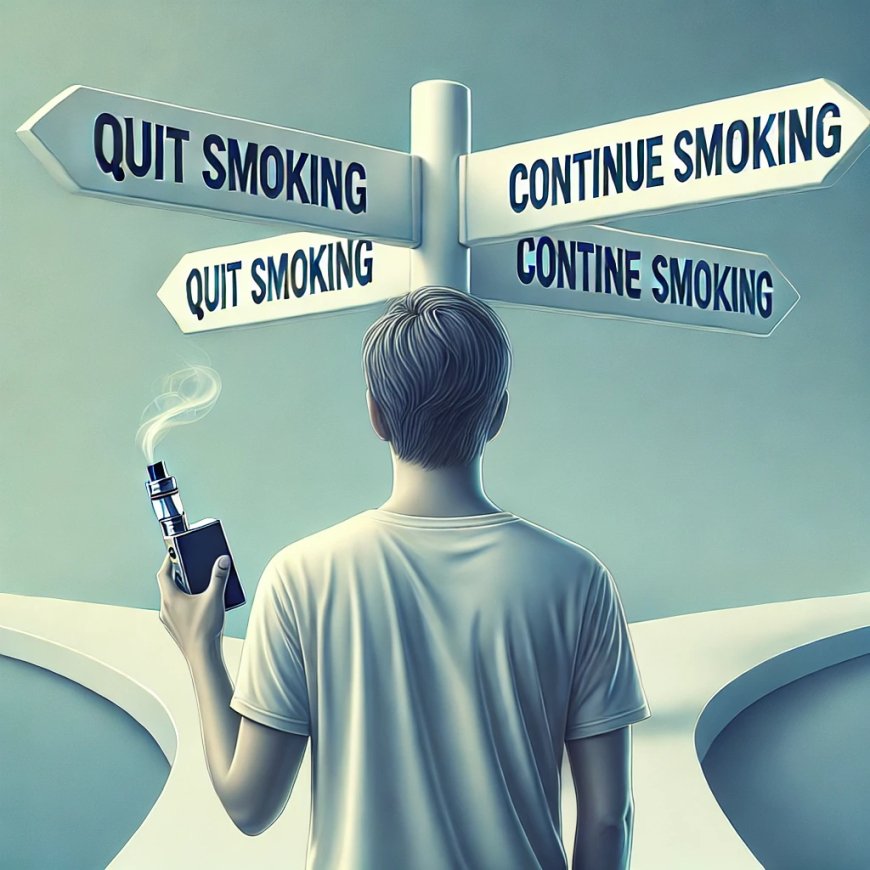
The Impact of Vaping on Smoking Cessation
Lately, vaping has arisen as a questionable yet unmistakable option in contrast to conventional cigarette smoking. For smokers looking to stop, vaping is many times showcased as a less unsafe choice that emulates the tangible experience of smoking. In any case, its part in the smoking end remains controversial. This article investigates the impact of vaping on smoking discontinuance, digging into logical examinations, general well-being points of view, and the difficulties encompassing this training.
---
Grasping Vaping and Its Enticement for Smokers
Vaping includes breathing in spray, frequently alluded to as "fume," created by an electronic cigarette or comparable gadget. These gadgets commonly utilize a fluid containing nicotine, flavorings, and different synthetic compounds. The allure of vaping lies in:
1. Reduced Damage Perception: Contrasted with smoking, vaping is seen as less unsafe because of the shortfall of burning, which wipes out numerous harmful synthetic compounds found in tobacco smoke.
2. Nicotine Delivery: Vaping gives a method for fulfilling nicotine desires, assisting smokers with staying away from withdrawal side effects.
3. Customizable Experience: With different flavors and movable nicotine levels, vaping offers a customized insight.
---
Vaping as a Smoking Suspension Tool
Logical Evidence
Various investigations have inspected the viability of vaping as a smoking suspension instrument. A 2021 survey distributed in The Cochrane Library reasoned that electronic cigarettes containing nicotine can be more successful than conventional nicotine substitution treatments (NRTs) like fixes or gum

Strong Data: Exploration from the UK showed that smokers who changed to vaping had higher stopped rates contrasted with those utilizing other end strategies.
- Blended Results: In any case, a few investigations, for example, those led in the U.S., show that vaping doesn't fundamentally increment long-haul quit rates, as numerous clients become double clients (utilizing the two cigarettes and e-cigarettes).
- Conduct Factors
- Vaping intently mirrors the conduct parts of smoking, like hand-to-mouth activity and breathing in, which can assist with lessening the mental reliance on customary cigarettes.
- Populace Differences
- The viability of vaping for smoking discontinuance might change depending upon socioeconomics, smoking history, and social mentalities toward vaping. For example, more youthful grown-ups may find vaping more engaging than more seasoned smokers.
- ---
- Wellbeing Implications
- Benefits Over Smoking
- - Diminished Openness to Toxins: Vaping wipes out the tar and numerous cancer-causing agents related to conventional cigarettes.
- - Further developed Lung Function: Smokers who change to vaping frequently report better respiratory well-being over the long haul.
- Expected Risks
- - Nicotine Addiction: Numerous e-fluids contain elevated degrees of nicotine, sustaining habit.
- - Unregulated Products: The vaping market is overflowed with unregulated items, some of which contain hurtful synthetic substances.
- - Wellbeing Concerns: Arising proof connections vaping to lung wounds, cardiovascular dangers, and other medical problems.
- ---
- Administrative and General Wellbeing Perspectives
- Worldwide Approaches
- - Joined Kingdom: The UK advances vaping as a mischief decrease system, integrating it into smoking suspension programs.
- - Joined States: The U.S. Food and Medication Organization (FDA) has taken a more careful position, zeroing in on forestalling youth admittance to vaping items.
- General Wellbeing Challenges
- The ascent of vaping among non-smokers, especially youth, has ignited worries about renormalizing nicotine use. Finding some kind of harmony between utilizing vaping for smoking suspension and forestalling its abuse is a key general well-being challenge.
- ---
- Challenges in Involving Vaping for Smoking Cessation
- 1. Dual Use Numerous smokers keep on utilizing customary cigarettes close by vaping, decreasing its discontinuance adequacy.
- 2. Lack of Regulation: Conflicting item quality and deluding showcasing can thwart smokers' confidence in vaping as an end device.
- 3. Social Stigma: Regardless of being less destructive, vaping frequently conveys a shame that might deter its utilization among smokers looking for help.
- -Commonsense Tips for Smokers Thinking about Vaping
- If you're a smoker considering vaping as a way to stop, here are some moves toward upgrading its viability:
- - Set a Quit Date: Focus on a course of events for changing away from cigarettes.
- - Pick the Right Device: Counsel a medical services supplier or suspension expert to track down a gadget that suits your requirements.
- - Slow Reduction: pick e-fluids with diminishing nicotine levels after some time to decrease reliance.
- - Screen Progress: Track your smoking and vaping propensities to guarantee you're advancing toward the complete end.
- FAQs
- 1. Is vaping completely safe?
- No, vaping is not completely sans threat. Notwithstanding, it's for the utmost part viewed as lower destructive than smoking conventional cigarettes because of the space of burning and navigator.
- 2. Can vaping help me stop smoking?
- Indeed, vaping can be a useful instrument for smoking closure, especially when employed with direction from a medical care complete.
- 3. What are the difficulties of twofold use( vaping and smoking)?
- Double use sabotages the anticipated advantages of changing to vaping, as it drags out openness to unsafe tobacco banks.
 4. Are there vaping options that don't contain nicotine?
 - Yes, there are some- liquids available without nicotine, which may help stoners in reducing their dependence.
- 5. How can I avoid progression while vaping?
- To help progression, gradually reduce your nicotine input, track your progress, and seek support from smoking conclusion programs.
- ---
- Conclusion
- The relationship between vaping and smoking conclusion is intricate and multifaceted. While it presents implicit benefits as a detriment reduction tool, its effectiveness is told by various factors, including user behavior, nonsupervisory surroundings, and public health measures. Smokers allowing about using vaping as a conclusion system should approach it cautiously and rather under the guidance of a healthcare professional. With applicable regulations and further disquisition, vaping could play a vital part in lowering global smoking rates.
- ---
- markers
- Prosperity product of vaping" Quit smoking" Nicotine dependence" General Prosperity" Vaping rather than Smoking"
- ---
- References
- 1. Cochrane Review.( 2021)." Electronic cigarettes for the smoking conclusion." The Cochrane Library."
- 2. Hajek, P., et al.( 2019)." A randomized preliminary of-cigarettes versus nicotine help cure." New Britain Diary of Medication."
- 3. Public Health England.( 2020)." Vaping in England a validation update."
- 4. Centers for Disease Control and Prevention( CDC).( 2022)." Fast Data on the troubles of- cigarettes."
- 5. U.S. Food and Medication Organization( FDA).( 2023)." Vaping and e-cigarettes.






















Responses (1)
Sign in to share your thoughts.
Sign in