The Psychology of Colors: How Colors Affect Our Mood and Behavior
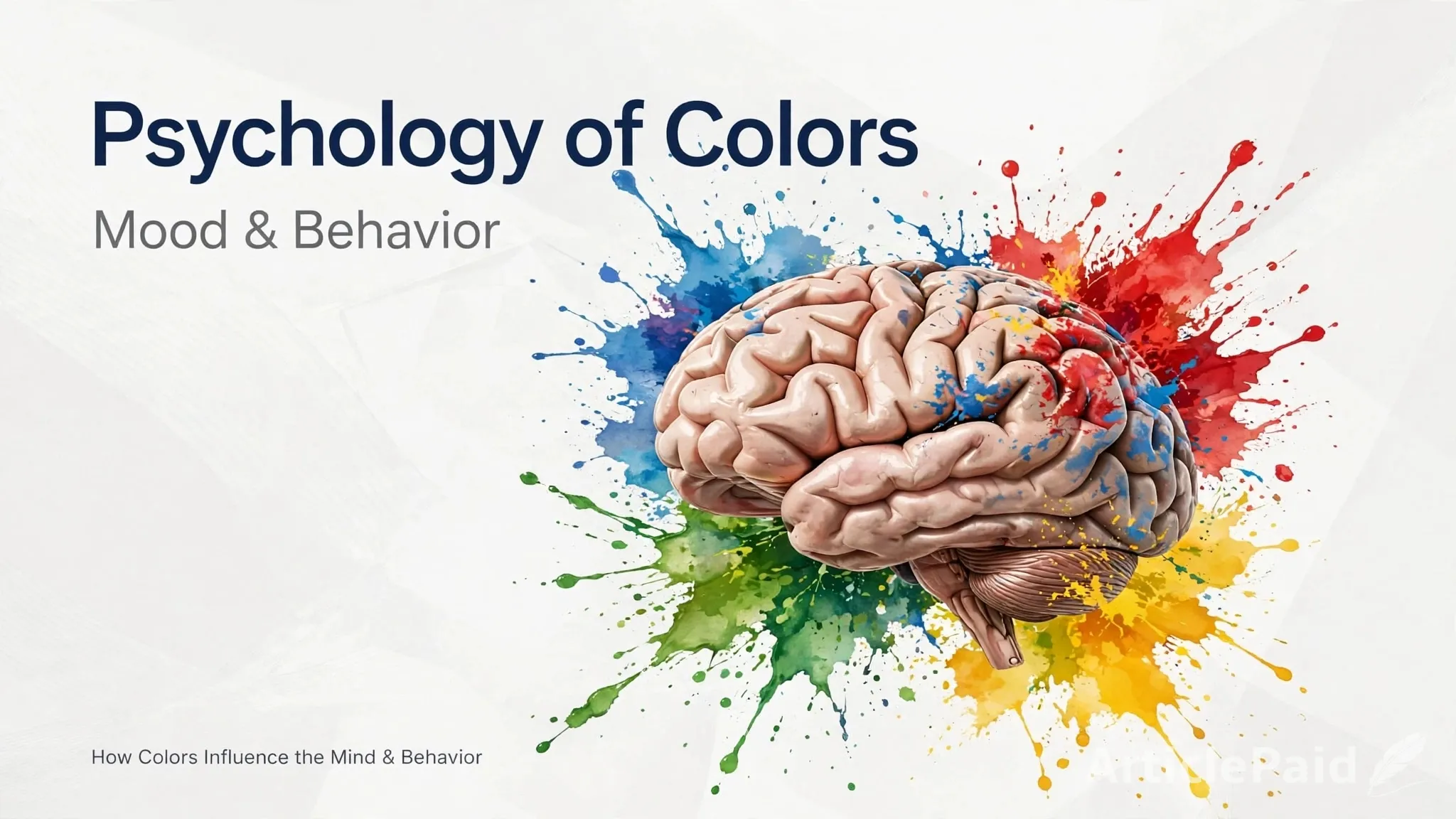
Colors are everywhere in our life. From the clothes we wear to the walls of our room, from the food we eat to the apps on our mobile phone, everything has a color. But colors are not just for decoration or beauty. They have a powerful effect on our mind, emotions, and behavior. The scientific study of this effect is called Color Psychology. It explains why we feel different when we see different colors.
Our brain reacts to colors very quickly, even before we start thinking. This reaction is connected to our culture, memories, and nature. That is why companies, hospitals, and schools use colors very carefully to influence our mood.
Let's understand how some common colors affect us.
1. Red - The Color of Energy and Passion:
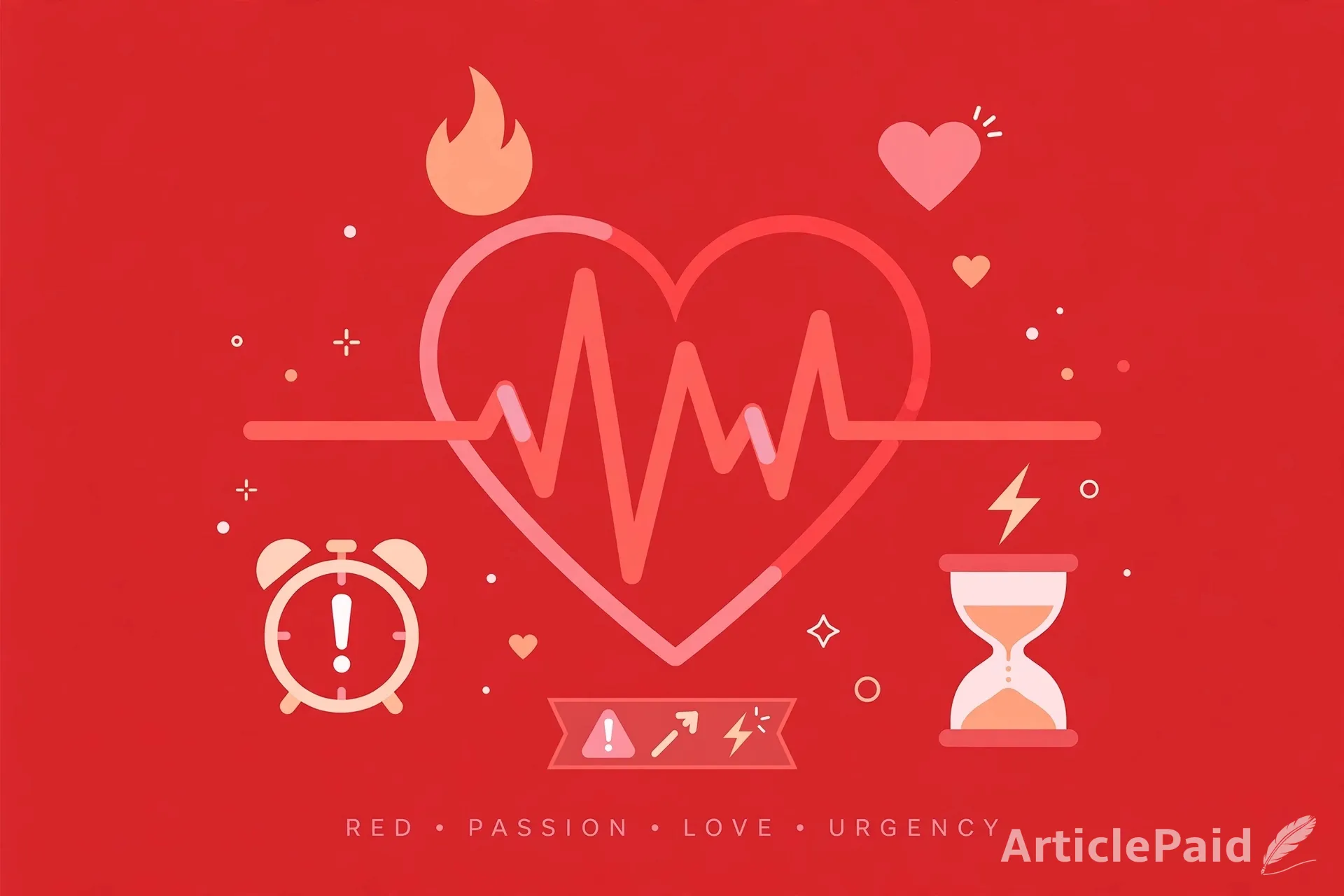
Red is a very strong and powerful color. It increases our heartbeat and creates a sense of excitement and urgency. It is the color of love, energy, and danger. That is why red is used for stop signs and sale offers. It grabs our attention immediately. However, too much red can also make us feel angry or stressed.
2. Blue - The Color of Calm and Trust:

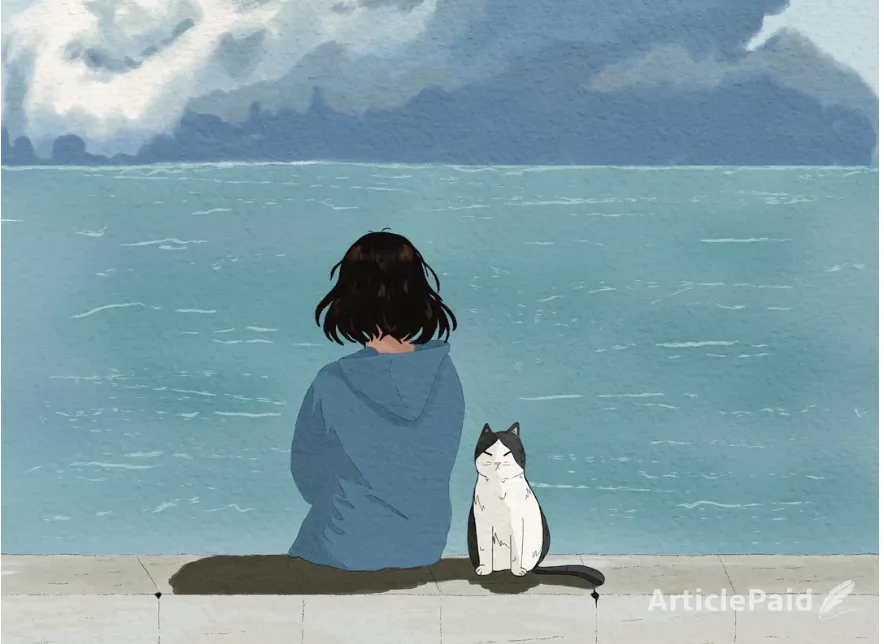
Blue is the color of the sky and the sea. It makes us feel calm, peaceful, and relaxed. It also represents trust, loyalty, and honesty. For this reason, many banks, offices, and social media apps like Facebook use blue color. Light blue can help reduce stress and help us focus better while studying.
3. Yellow - The Color of Happiness:
Yellow is a bright and cheerful color. It is connected to sunshine, happiness, and optimism. Seeing yellow can make us feel energetic and hopeful. But if yellow is used too much, it can cause anxiety and make our eyes tired. It is best to use it in small amounts.
4. Green - The Color of Nature and Balance:
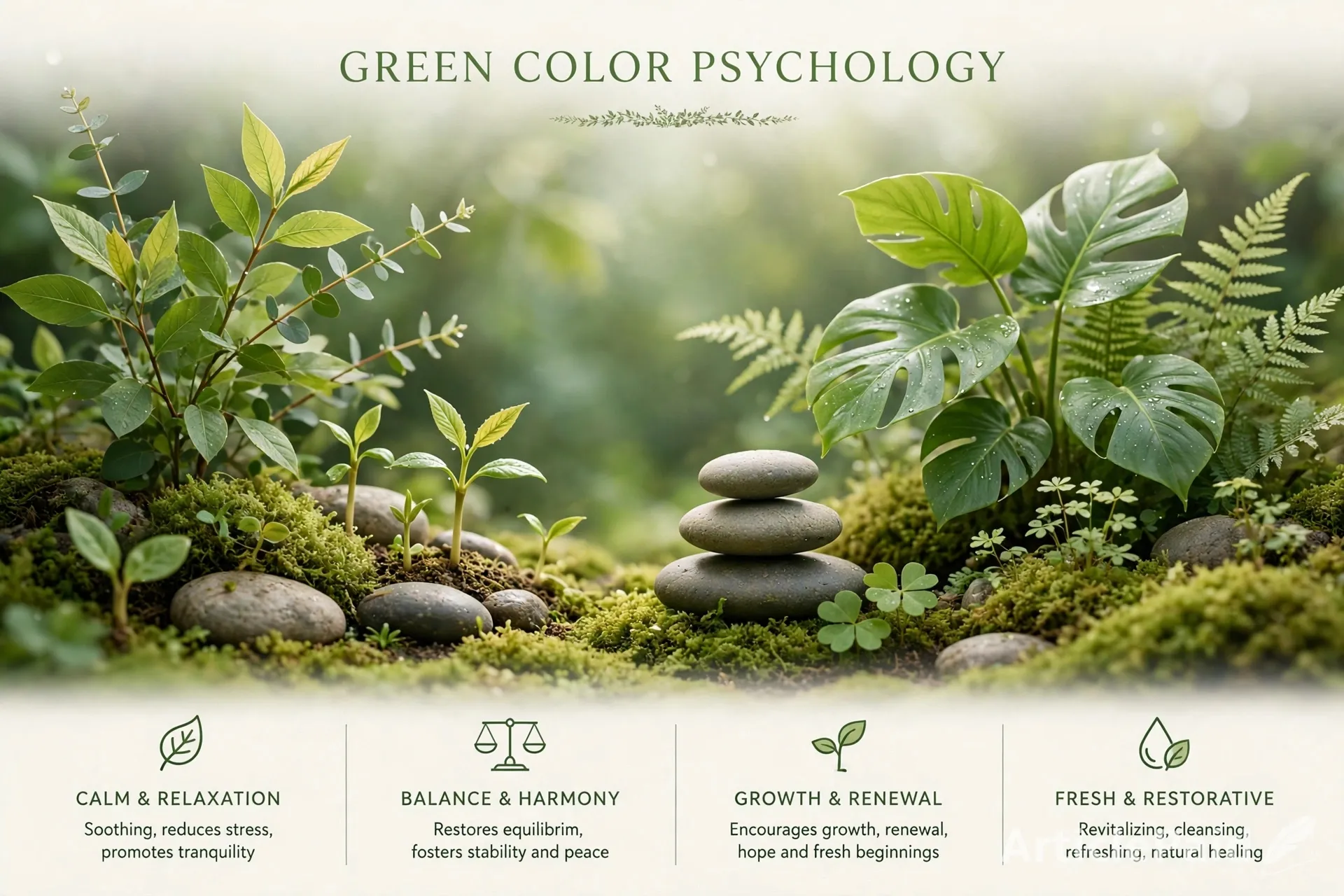
Green is the color of plants and nature. It is the most relaxing color for our eyes. It creates a feeling of balance, growth, and freshness. Green helps to reduce stress and makes us feel safe. That is why hospitals and schools often use green color. Working or studying in a room with green plants can improve concentration.
5. Black and White - The Colors of Power and Peace:
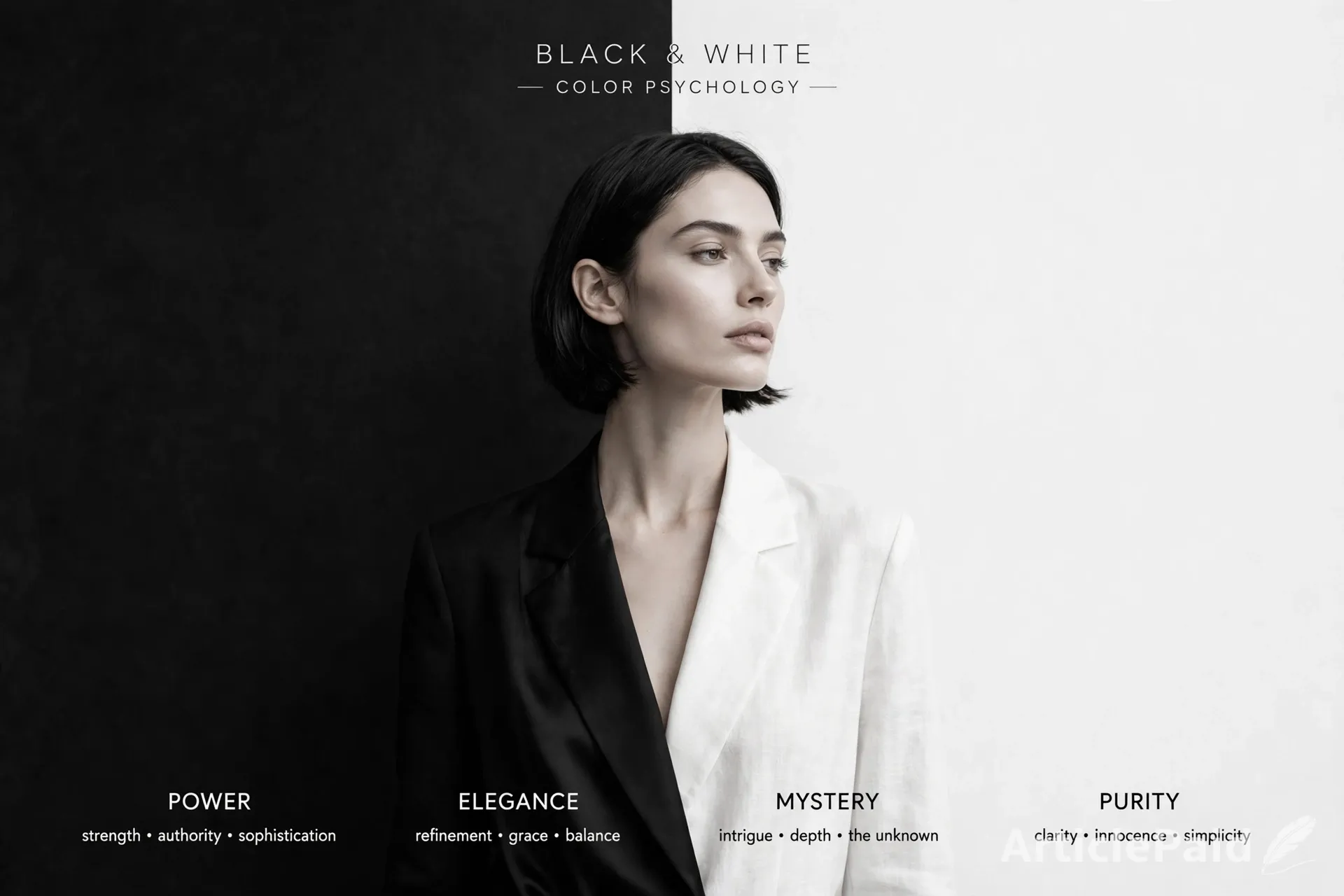
Black represents power, elegance, and mystery. It is often used in fashion to look formal and professional. White, on the other hand, represents purity, cleanliness, and peace. It makes a space look bigger and brighter. Doctors wear white to show cleanliness and trust.
In our daily life, we can use color psychology to improve our mood. For example, painting our study room with light blue or green can help us focus. Wearing bright colors like yellow or orange can make us feel more confident and happy. Big companies know this secret very well. Food brands use red and yellow to make us feel hungry, while luxury brands use black to look expensive.
In conclusion, colors have a silent language. They can change our feelings without saying a single word. By understanding the psychology of colors, we can make better choices for our clothes, home, and work environment. Choosing the right colors can help us feel more calm, happy, energetic, and productive in our daily life.










Responses (1)