
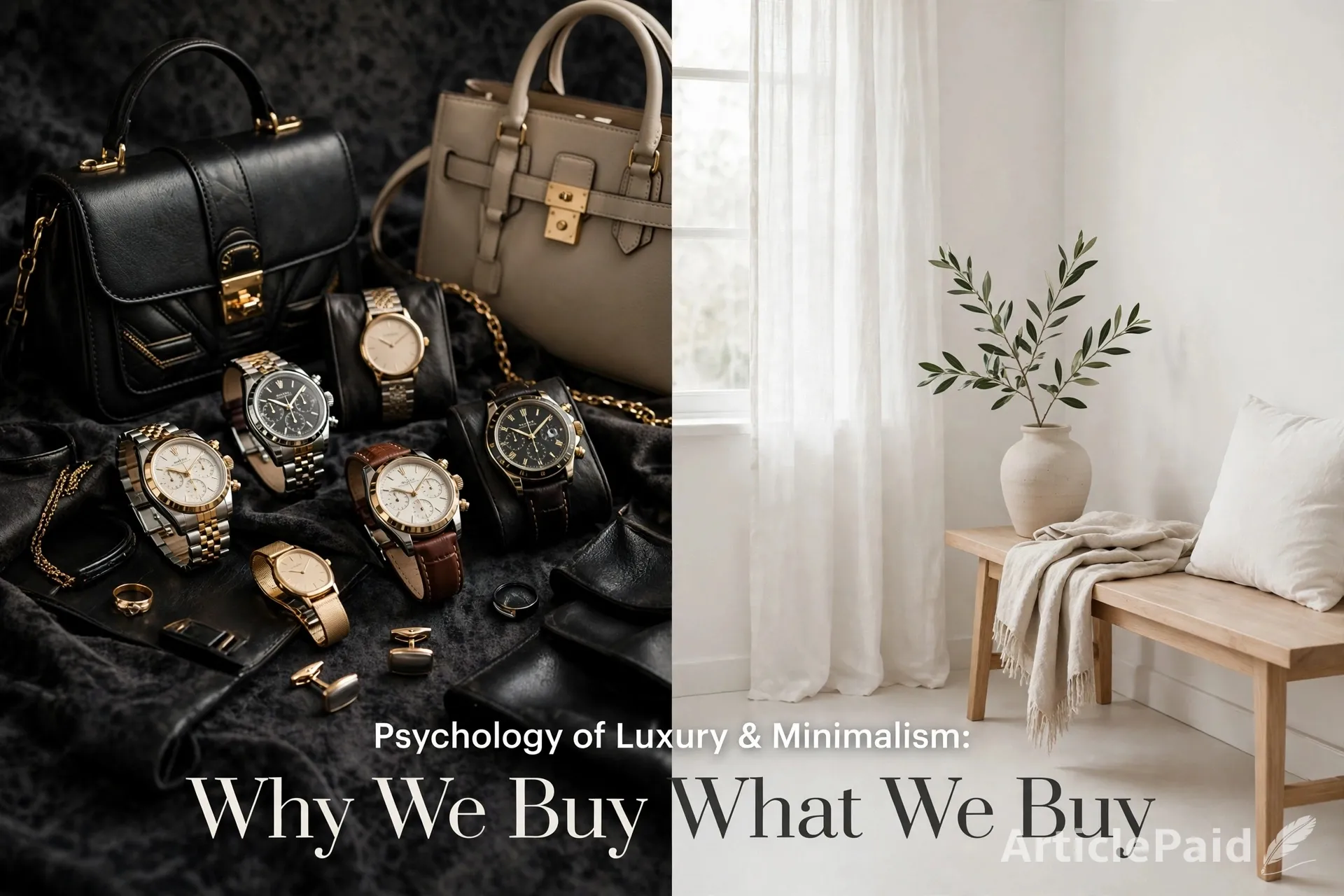
The Psychology of Luxury & Minimalism: Why We Buy What We Buy
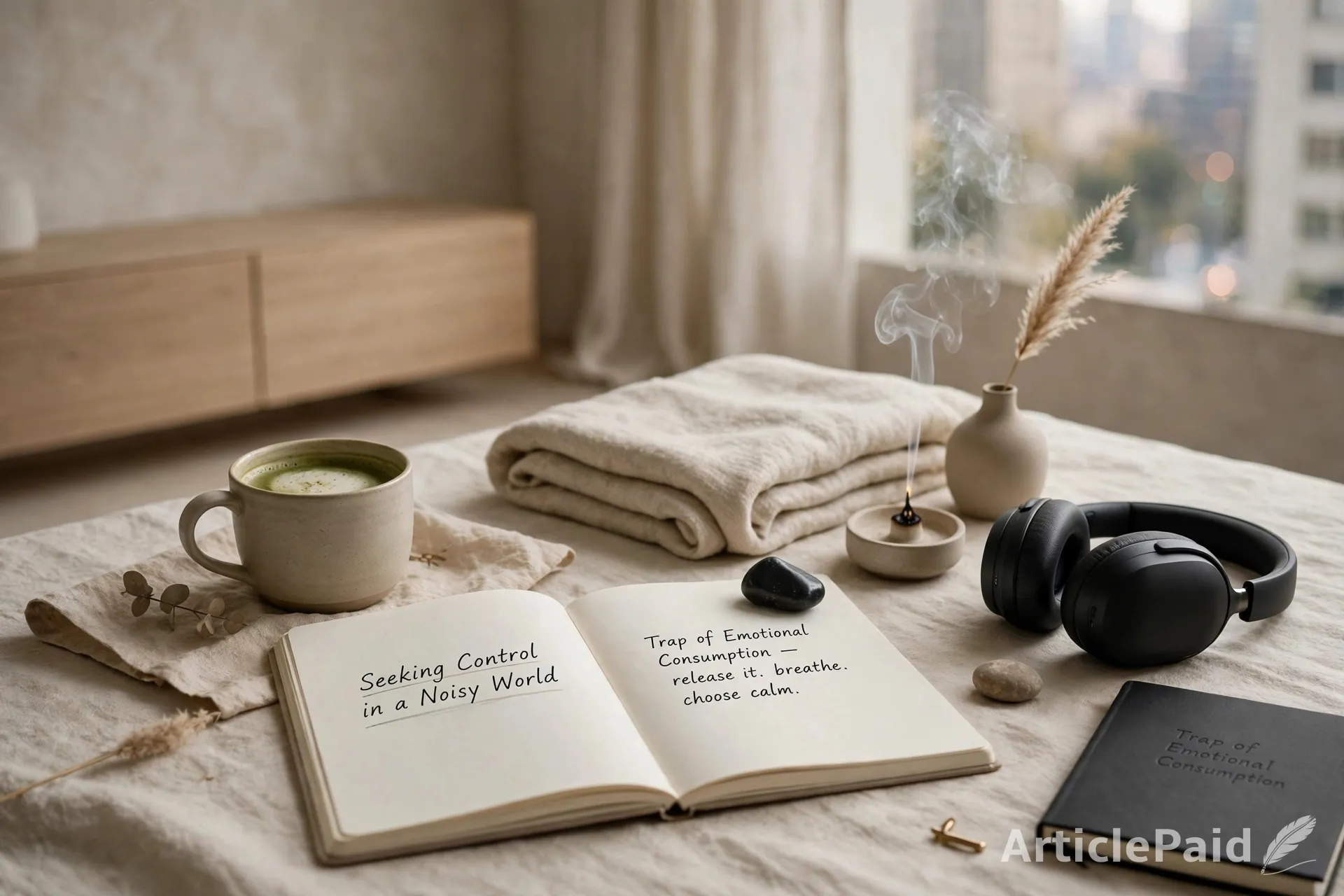
We live in an era defined by a fascinating contradiction. On one side, glossy billboards and targeted ads push us toward high-end luxury—designer watches, premium fashion, and refined goods that symbolize success.
On the other side, the minimalist movement advocates for a clutter-free lifestyle, encouraging us to strip away the non-essential until only what matters remains.
At first glance, luxury and minimalism look like total opposites. One is built on accumulation and prestige; the other on reduction and restraint. Yet, beneath the surface, both mindsets share the exact same psychological engine: the search for identity, control, and peace of mind.
1. Status Signals and Identity
Humans have always used their belongings and appearance to send silent messages to society.
- The Message of Luxury: Buying high-end items is rarely about raw utility. A basic watch tells time just as accurately as a luxury timepiece. Instead, luxury purchases act as social currency—communicating taste, financial stability, and status without saying a word.
- The Message of Minimalism: Conversely, choosing a minimalist lifestyle sends a deliberate message. Decluttering and curating a sparse living space signals discipline, intentionality, and freedom from consumerist noise. In many ways, minimalism has become its own subtle form of status.
In both choices, individuals use material choices—or the deliberate absence of them—to craft their public and personal identity.
2. Seeking Control in a Noisy World
Modern life bombards us with thousands of choices and advertisements daily. To escape this cognitive fatigue, people turn to two contrasting solutions:
- The Luxury Solution: Opting for fewer, higher-quality items over cheap alternatives. The belief is that investing in premium durability brings peace of mind and long-term satisfaction.
- The Minimalist Solution: Eliminating items altogether. The belief is that fewer physical possessions directly translate to fewer mental distractions and lower stress.
Despite their opposite approaches, both philosophies aim to solve the exact same problem: reducing mental clutter and reclaiming control.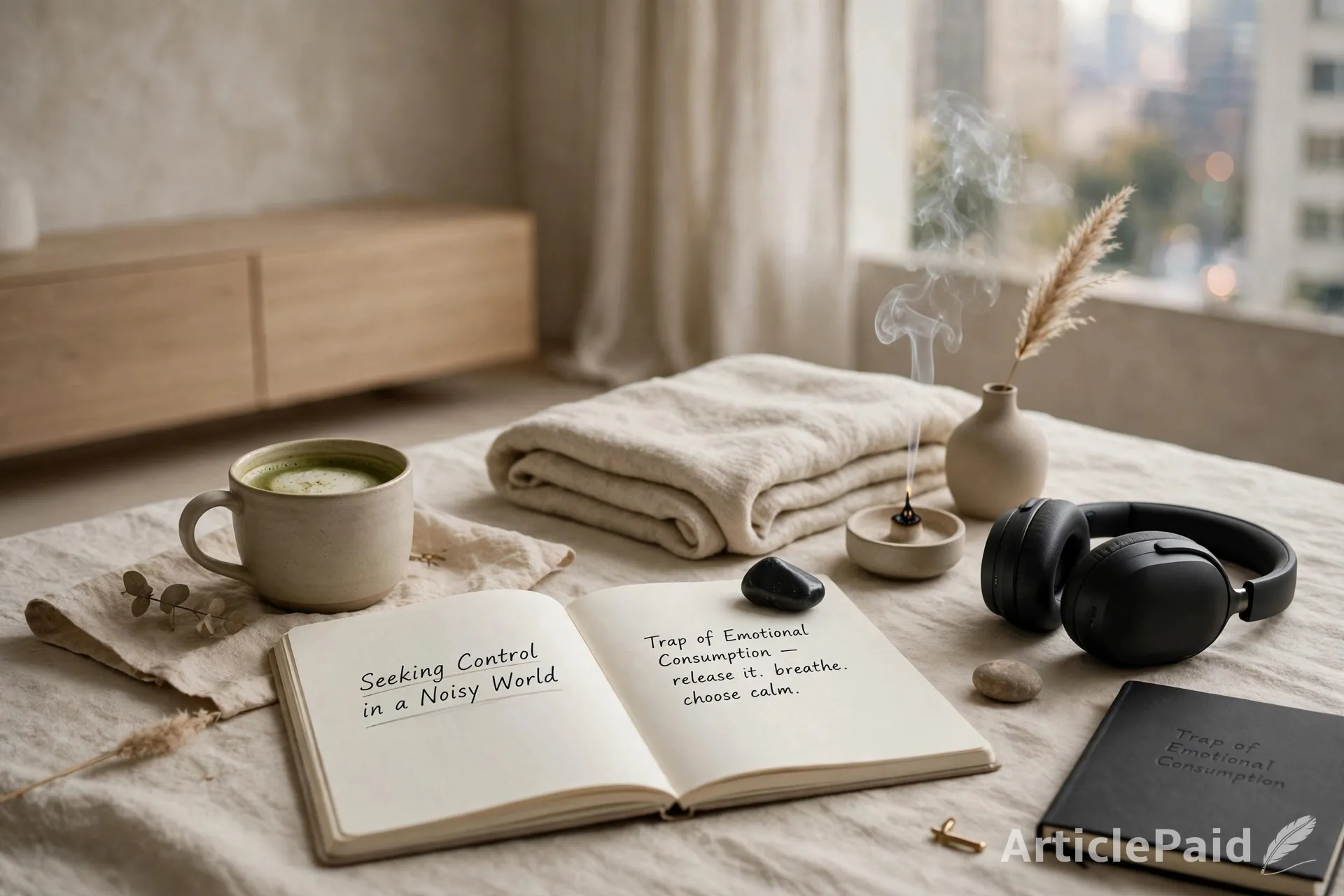
3. The Trap of Emotional Consumption
When we tie our self-worth or happiness directly to our possessions, we risk falling into a psychological trap.
With luxury, the thrill of a new purchase often fades quickly, leading to an endless cycle of upgrading. With minimalism, becoming obsessed with having the absolute minimum or achieving aesthetic perfection can turn a healthy choice into an anxious exercise in control.
True freedom doesn’t come from how much luxury you own or how few things you keep. It comes from understanding why you are making those choices.
Conclusion
Balance is everything. You don't need to chase every luxury trend, nor do you need to deprive yourself of things that genuinely bring you joy. When you align your choices with your actual needs rather than external expectations, you break free from the consumer cycle and build a more intentional, grounded life.















Responses (0)
Sign in to share your thoughts.
Sign in