
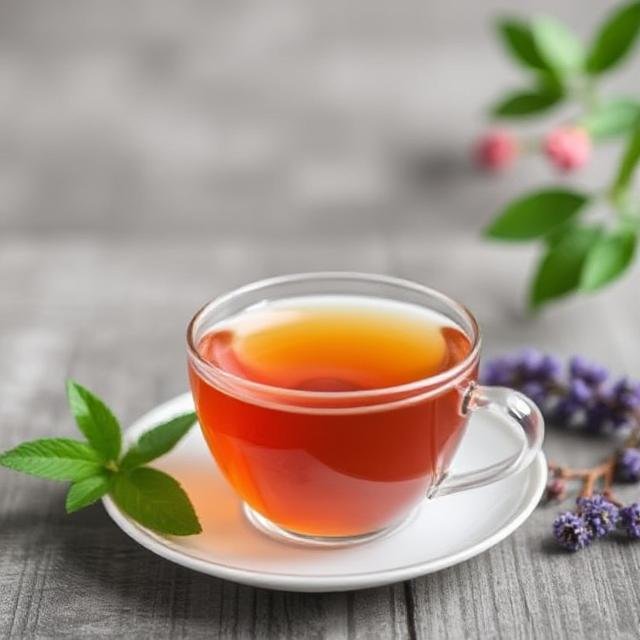
The Top 5 Teas for Cleaning the Lungs to Keep Your Lungs Healthy,
By removing carbon dioxide from the body and supplying oxygen, our lungs are essential to our survival. However, modern lifestyles, environmental toxins, smoking, and pollution can all put a strain on the lungs, making it difficult to breathe, weakening the immune system, and having long-term respiratory issues.
Lung-cleansing herbal teas are one of the simplest yet most effective natural remedies for supporting respiratory health.
These teas not only soothe the respiratory tract but also help clear mucus, reduce inflammation, and strengthen lung function.
Here are the top 5 teas that act as natural cleansers for the lungs and help you breathe easier.
1. Ginger Tea – The Detoxifier for Lungs.
Ginger has been valued in traditional medicine for centuries, especially for its powerful anti-inflammatory and detoxifying properties.
It helps open up the airways, reduces mucus buildup, and supports the body in flushing out toxins caused by smoking or pollution.
Benefits of Ginger Tea for Lungs:
Clears mucus: Helps break down excess phlegm, easing breathing.
Anti-inflammatory: Reduces inflammation in the lungs caused by allergens or irritants.
Boosts immunity: Strengthens the body against respiratory infections like flu and colds.
How to Prepare:
Boil one cup of water and add a teaspoon of fresh grated ginger.
Let it simmer for 5–7 minutes.
Add lemon juice and a teaspoon of honey for added antibacterial effects.
Best Time to Drink: Morning or after meals to maximize its cleansing effects.
2. Licorice Root Tea – The Natural Expectorant.
Licorice root is a traditional Ayurvedic and Chinese medicine remedy for respiratory conditions.
It acts as a soothing agent for the throat and lungs, while also helping to loosen thick mucus that clogs the airways.
Benefits of Licorice Tea for Lungs:
Soothes irritation: Helps with sore throats, cough, and inflamed air passages.
Expels mucus: Works as an expectorant, removing toxins and excess mucus.
Anti-viral and anti-bacterial: Protects the lungs from infections.
How to Get Ready: Boil one cup of water and add half a teaspoon of dried licorice root.
Steep for 8–10 minutes, then strain.
Optionally, sweeten with honey.
⚠️ Note: Licorice root should be avoided by people with high blood pressure or heart conditions unless recommended by a doctor.
Best Time to Drink: Evening, as it helps relax the respiratory system and promotes better breathing at night.
3. Peppermint Tea – The Airway Opener.
Peppermint contains menthol, which is a natural decongestant and relaxant for the respiratory tract.
Drinking peppermint tea not only soothes the lungs but also refreshes the mind, making it a popular choice for those dealing with pollution-induced breathing difficulties.
Lung Health Benefits of Peppermint Tea: Menthol helps relax the muscles in the respiratory tract, which in turn opens the airways.
reduces nasal congestion and makes breathing easier by clearing the sinuses.
Rich in antioxidants: Protects lung tissue from oxidative stress caused by pollution.
How to Prepare:
Add a handful of fresh peppermint leaves or one teaspoon of dried leaves to hot water.
Steep for 5–7 minutes and strain.
Drink warm for best results.
Best Time to Drink: Midday or before bedtime to clear congestion and promote restful sleep.
4. Green Tea – The Antioxidant Powerhouse.
Green tea is renowned worldwide for its health benefits, particularly its high levels of catechins—potent antioxidants that fight oxidative stress and inflammation in the lungs.
Regular consumption of green tea has been linked to improved lung capacity and protection against chronic respiratory diseases.
Benefits of Green Tea for Lungs:
Rich in antioxidants: Helps reduce lung damage caused by free radicals.
Anti-inflammatory: Lowers inflammation in the lung tissues.
Supports detoxification: Flushes out toxins from the respiratory tract.
How to Prepare:
Steep one teaspoon of green tea leaves (or a tea bag) in hot water for 2–3 minutes.
Avoid over-steeping to prevent bitterness.
Add lemon for an extra dose of vitamin C.
Best Time to Drink: Morning or afternoon, but avoid late evenings as the caffeine may interfere with sleep.
5. Turmeric Tea – The Lung Healer
Turmeric, with its active compound curcumin, is a powerful anti-inflammatory and antioxidant spice.
In addition to strengthening the immune system, turmeric tea repairs damaged lung tissue caused by pollutants, smoking, or infections. Benefits of Turmeric Tea for Lungs:
Reduces lung inflammation: Supports people with asthma or bronchitis.
Repairs damage: Curcumin helps repair and regenerate lung tissue.
Boosts immunity: Protects the lungs from infections.
How to Get Ready: Boil one cup of water with half a teaspoon of turmeric powder.
To increase the absorption of the curcumin, sprinkle some black pepper on top. Sweeten with honey or add ginger for a stronger lung-cleansing effect.
Drinking early in the morning or before going to bed is best for maximizing healing benefits.
Extra Tips to Keep Your Lungs Healthy While drinking lung-cleansing teas can make a significant difference, combining them with a healthy lifestyle will further strengthen your respiratory system.
1. Stay hydrated: Drink plenty of water to keep mucus thin and easier to expel.
2. Practice deep breathing exercises: Helps increase lung capacity and oxygen supply.
3. Avoid smoking and pollution exposure: Protects lungs from further damage.
4. Eat antioxidant-rich foods: Berries, citrus fruits, and leafy greens support lung health.
5. Regular cardio exercise helps to increase efficiency and lung capacity. Adding these teas to your daily routine can help you breathe easier, strengthen your respiratory system, and protect your lungs against the challenges of modern living.
Enjoy the long-term benefits of clean, healthy lungs by starting small and incorporating one or two teas into your lifestyle.























Responses (0)
Sign in to share your thoughts.
Sign in