
The Engine Behind the Growth: The Miyawaki Method
┌──────────────────────────────────────────────┐
│        CANOPY TREES (Oak, Maple, Elm)        │
├──────────────────────────────────────────────┤
│    UNDERSTORY (Rowan, Birch, Wild Cherry)    │
├──────────────────────────────────────────────┤
│    SHRUBS & BUSHES (Hazel, Hawthorn, Holly)  │
├──────────────────────────────────────────────┤
│    GROUND COVER (Ferns, Mosses, Wildflowers) │
└──────────────────────────────────────────────┘
  Dense multi-layered planting forces rapid vertical growth.
4 Big Impact Benefits in Small Spaces
- Cooling Urban Heat Islands: Asphalt and concrete absorb and radiate solar heat, causing city neighborhoods to register several degrees hotter than surrounding rural areas. Micro-forests cool ambient air through natural shade and evapotranspiration, lowering local temperatures by up to
$6^\circ\text{C}$. - Restoring Local Biodiversity: A single micro-forest can house dozens of native plant species, attracting hundreds of bird, insect, and pollinator species back into urban zones.
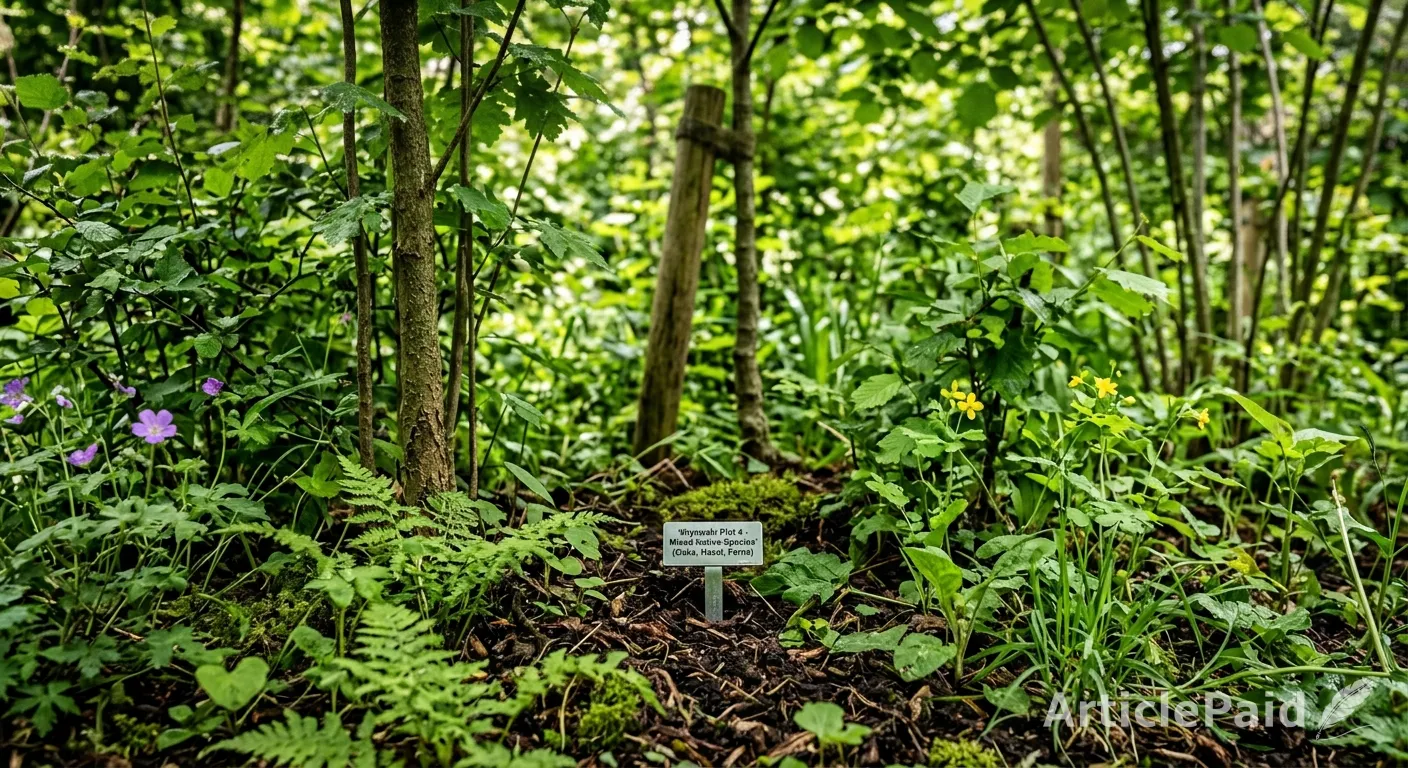
- Improving Air & Soil Health: The dense foliage filters out fine airborne particulates ($PM_{2.5}$), while deep root systems loosen compacted soil, absorbing heavy rainwater to reduce urban flash flooding.
- Boosting Mental Well-Being: Studies consistently show that access to natural green spaces lowers cortisol levels, reduces stress, and strengthens community ties when neighbors gather to plant and care for these plots.
A Model for Future Cities
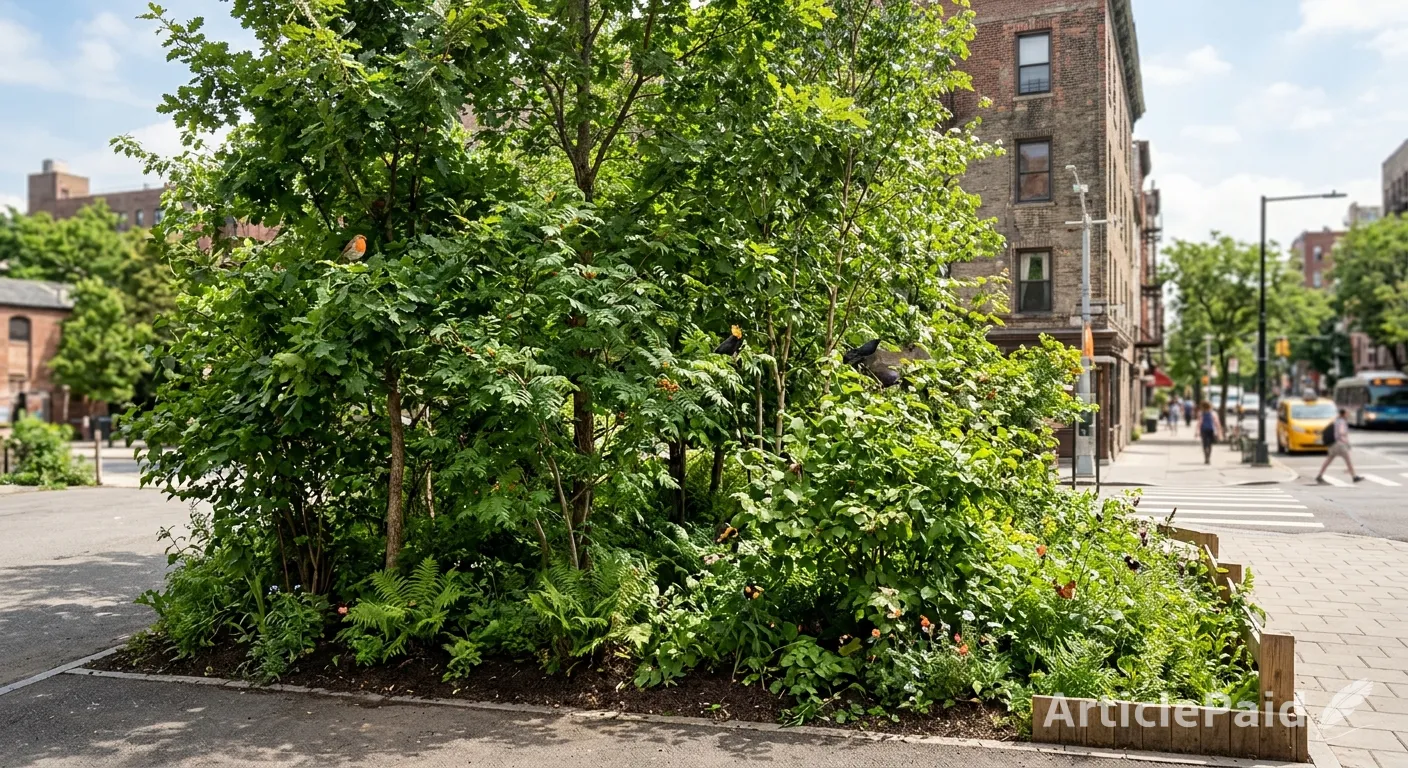
As urbanization continues to expand, cities can no longer afford to treat nature as an afterthought or rely solely on massive suburban parks. Urban micro-forests prove that environmental restoration doesn't require thousands of acres—it just requires creative thinking and a few square meters of dirt. By turning forgotten urban corners into vibrant ecosystems, pocket forests are building cooler, healthier, and more resilient cities, one small plot at a time.
More from ArticlePaid

Is Climate Change & War Threatening the Global Future by 203
In today’s uncertain global landscape, many people are asking an important question: is the future of the world by 2030 at risk due to climate change and r

Why Does The Sky Appear Blue? Simple Scientific Explanation
Why Does The Sky Appear Blue? Simple Scientific ExplanationHave you ever wondered why the sky looks blue and not black, green, or ...
How Ancient Egyptians Built the Pyramids: Engineering Secrets of a Timeless Wonder
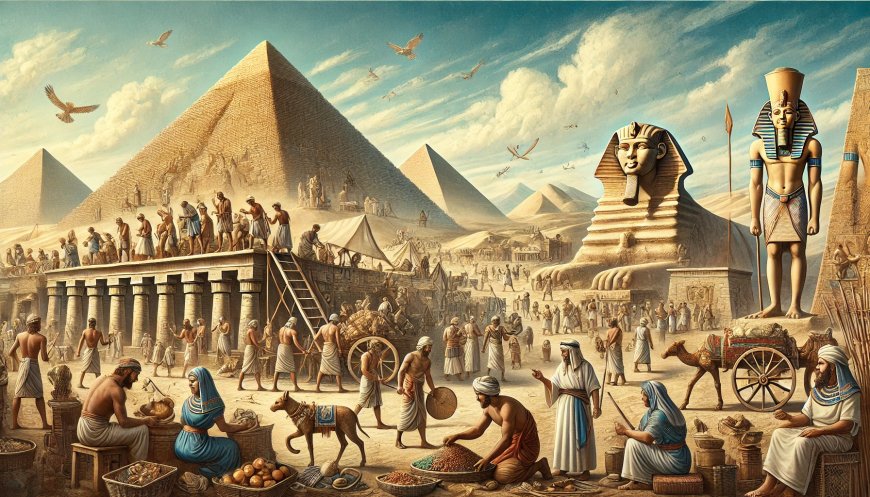
The pyramids of ancient Egypt are among the most remarkable architectural achievements in human history. Built thousands of years ago, they continue to fascinate historians, archaeologists, and engineers. The construction of these massive structures involved advanced engineering, skilled labor, and a deep understanding of mathematics and astronomy.

Top 10 Largest Tsunamis Ever Recorded in History
Discover the top 10 largest tsunamis ever recorded, including their origins, wave heights, destruction, and global impact throughout history.

Can a Heart Transplant Transfer the Donor’s Memories?
Imagine waking up after a life-saving heart transplant with sudden cravings for foods you once hated, a new passion for classical ...
Revolutionizing Single-Cell RNA Sequencing with CSI-GEP
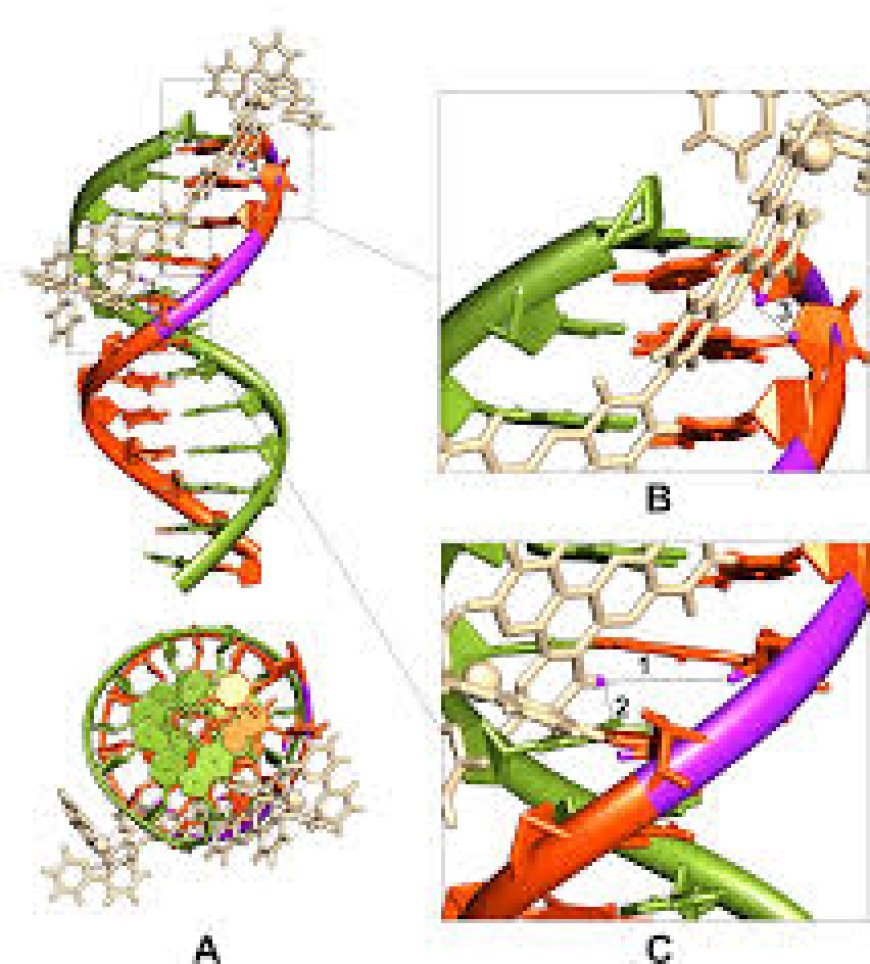
CSI-GEP is a breakthrough computational tool that improves single-cell RNA-seq analysis using scalable, consensus-based NMF. It overcomes limitations of traditional methods by efficiently identifying reproducible gene expression programs, outperforming existing approaches in accuracy and speed.

The Sturgeon Moon of August 2025 Captivates the Night Sky:
On August 10, 2025, the Sturgeon Moon illuminated the night sky, captivating sky enthusiasts worldwide. This full moon, named after the abundant sturgeon

The Fascinating World of Science Museums: A Journey Through
IntroductionScience museums are more than just buildings filled with objects; they are gateways to discovery, learning, and innovation. These institutions
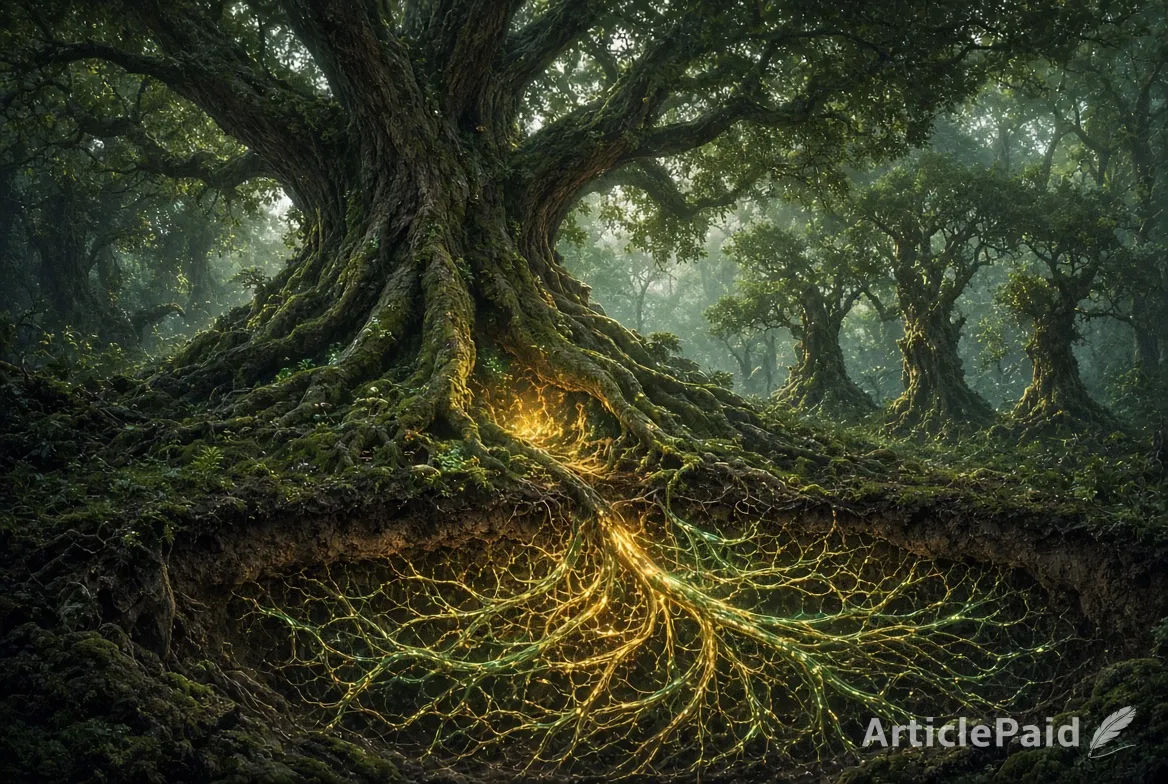
The Wood Wide Web: The Secret Conversations of Trees
Forests look quiet. They are not. Beneath the soil, trees are talking.They share food. They send warnings. They support...
Weekly Top Articles

How Gen Z Writers Can Beat Writer's Block in the Age of Social Media
You Opened a Document, So How Did You End Up Scrolling? A young writer opens Google Docs to work on an assignment or blog pos...

8 Methods to Write the Next Short Story After a Successful Hit
When Your Success Becomes Your Next ChallengeYou have published your first short story, and you feel proud to receive positive rev...

How to Earn Dollars in Pakistan Without Freelancing: 7 Proven Ways
IntroductionIt is entirely feasible to start making money in Pakistan without working as a freelancer; all you need is an in...
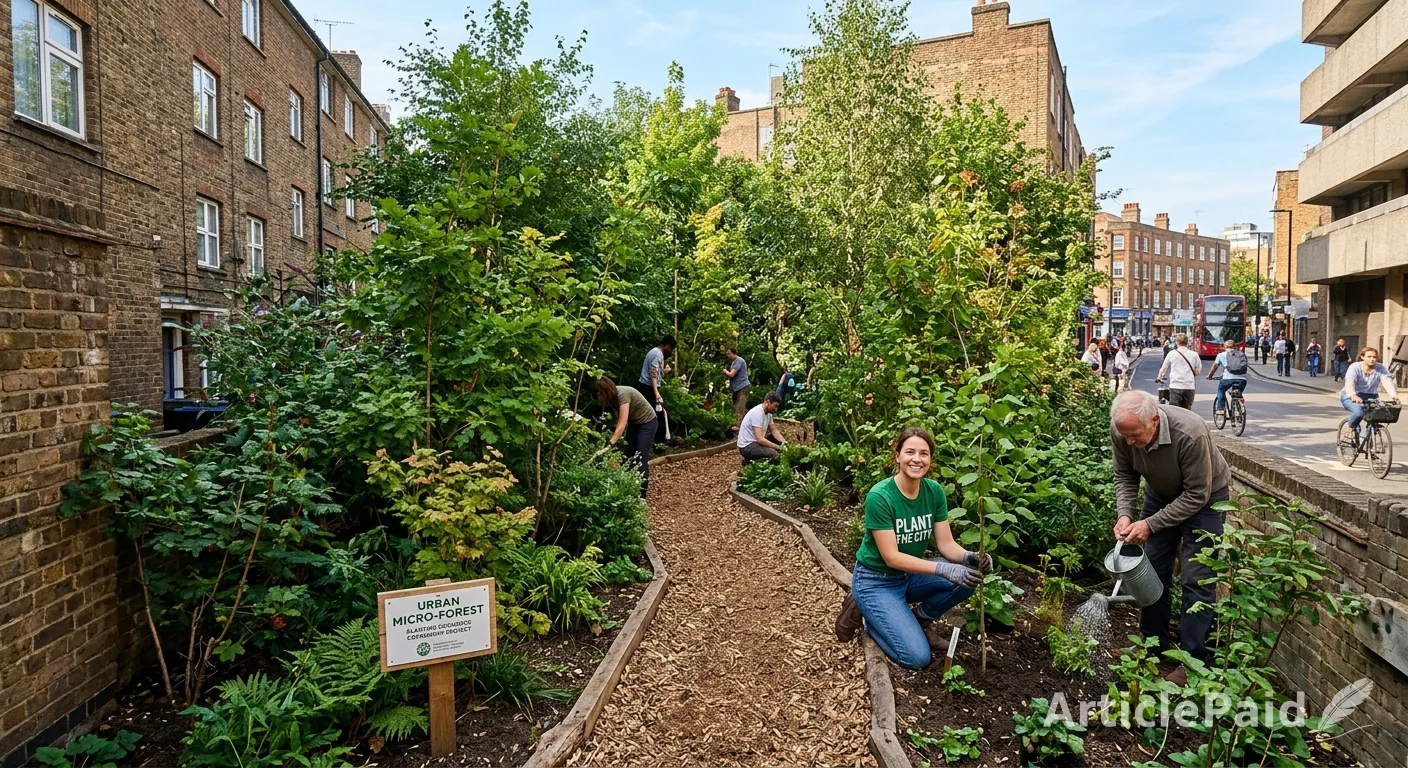
Urban Micro-Forests: How Tiny Green Pocket Parks Are Saving Modern Cities
In concrete jungles across the globe, a green revolution is taking root in the unlikeliest of places. Unused parking spaces, negle...

10 Free Google Certificates That Can Possibly Replace a University Education
IntroductionAlthough a university education is valuable, many individuals find that they need practical knowledge and experience t...

WhatsApp's Biggest Update in 2026 - Call Anyone Without an Account!
WhatsApp's Biggest Update in 2026 - Call Anyone Without an Account!WhatsApp just shocked everyone with its October 2026 upda...







Responses (0)
Sign in to share your thoughts.
Sign in