
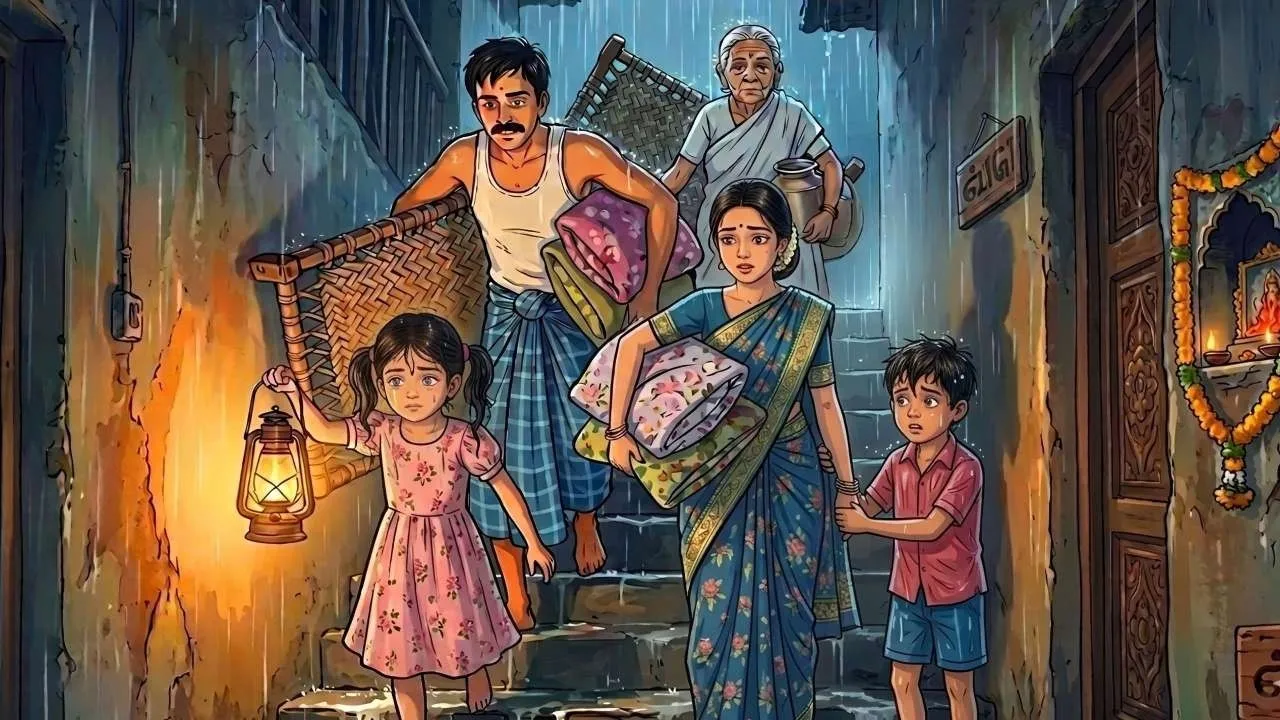
As a parent or simply someone watching the world change, it’s hard not to wonder: Are kids today truly better off, or are they quietly missing something important? Let’s compare what children of the past (especially 80s and 90s kids) experienced with what children growing up in 2026 are living through.
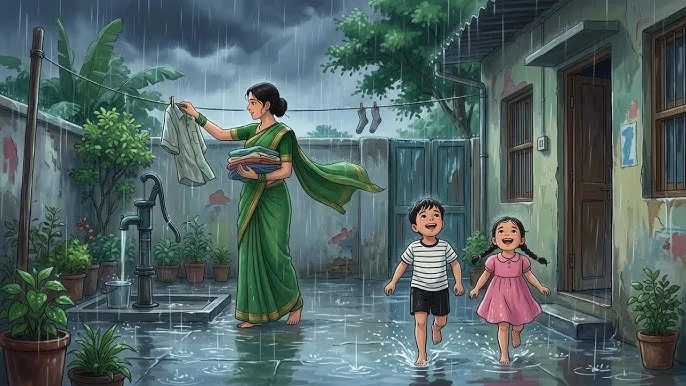
What Children of the Past Saw and Experienced
Kids born in the 1980s and 1990s grew up in a world that felt slower and more tangible:
- Freedom and Boredom: We played outside until the streetlights came on. We invented games, rode bikes without helmets sometimes, and learned how to entertain ourselves with nothing but sticks, imagination, and neighborhood friends.
- Limited Technology: One shared family computer, Saturday morning cartoons, and video games that required physical cartridges. Boredom forced creativity.
- Real Social Skills: Face-to-face interactions, handwritten notes, landline phones, and learning to read body language and tone without emojis or filters.
- Simpler Milestones: We experienced wonder in small things — getting a new cassette tape, renting a movie from Blockbuster, or waiting all week for a favorite TV show.
- Unfiltered Reality: Fewer curated images. We saw the world more directly, with less constant comparison to perfect online lives.
Many of us look back and feel these experiences built resilience, patience, and social confidence in ways that are harder to develop today.
What Children of Today (2026) Are Missing
Modern kids have incredible advantages — instant knowledge, global connection, advanced education tools, and safety features previous generations never had. But they’re also missing several key experiences:
- True Boredom and Creativity: With tablets, YouTube, and AI-generated entertainment available 24/7, many children rarely experience the kind of deep boredom that sparks real imagination and problem-solving.
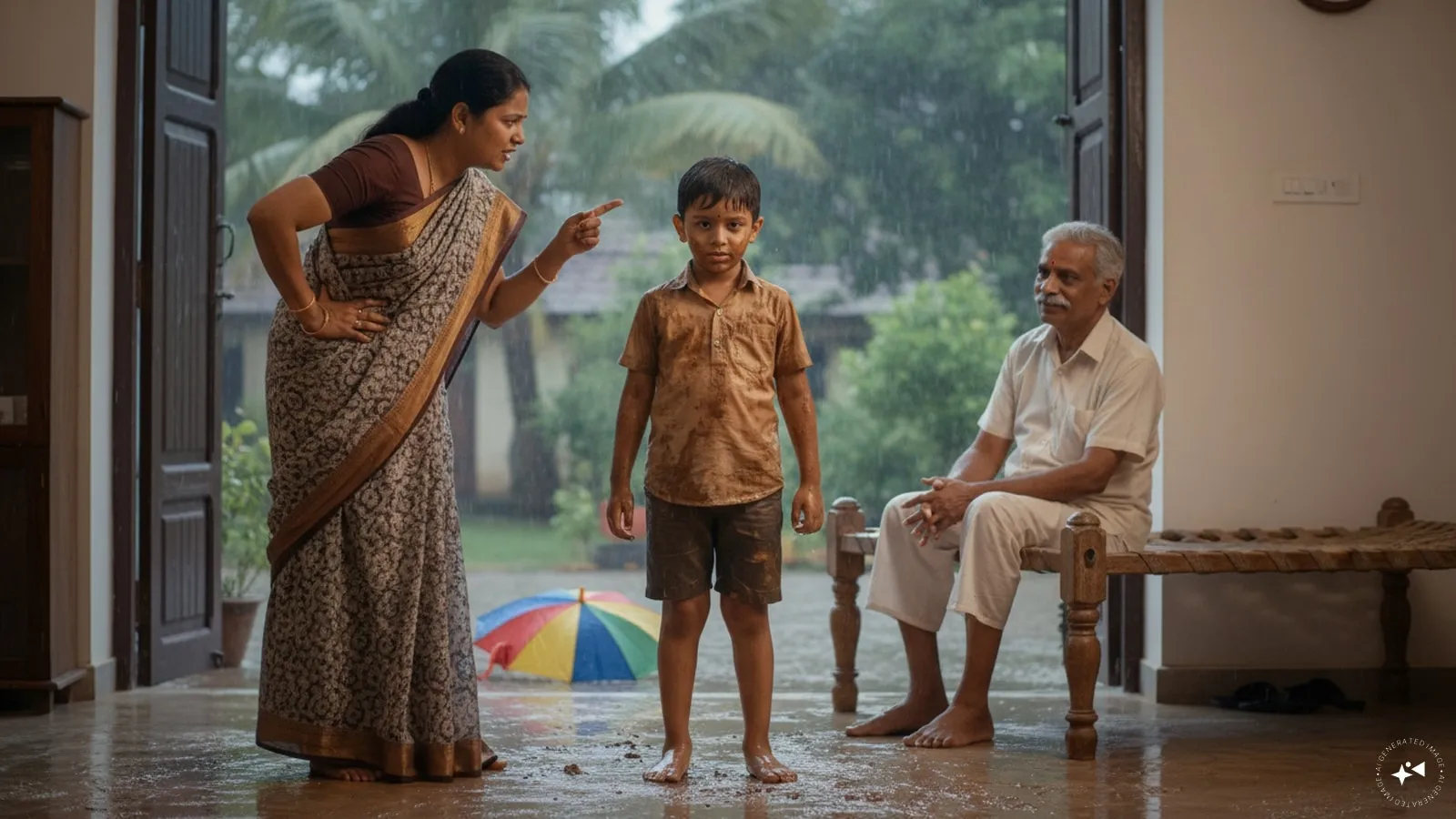
- Unstructured Outdoor Play: Parental fears, busy schedules, and screen addiction mean less free-range childhood. The joy of exploring woods, building forts, or getting a little dirty seems rarer.
- Delayed Gratification: Everything is instant — answers, entertainment, delivery. The satisfaction that comes from waiting and working toward something feels less common.
- Deep Human Connection Without Screens: Many kids today are highly skilled at digital communication but can struggle with awkward silences, reading emotions in person, or maintaining long attention spans in conversations.
- Sense of Wonder and Mystery: In the age of Google and AI, almost nothing feels unknowable. Previous generations could wonder about things for days or weeks. That space for curiosity and discovery has shrunk.
Has the Era Changed That Much?
Yes dramatically.
The world has shifted more in the last 25 years than in the previous 100 in some ways. The smartphone (especially post-2007) and social media completely rewired childhood. Add AI tools now entering everyday life in 2026, and the pace of change feels overwhelming even to adults.
We’ve traded:
- Freedom for safety
- Boredom for stimulation
- Privacy for connection
- Local community for global awareness
The result is a generation that is often more informed, more empathetic toward global issues, and technically skilled — but also more anxious, less resilient to discomfort, and sometimes lonelier despite being “connected.”

Finding Balance in 2026
The good news? Many parents today are becoming aware of this gap. There’s a growing movement toward “slow childhood,” digital minimalism, and intentional outdoor time. Some families are deliberately creating screen-free zones and encouraging old-school play.
Children of the past didn’t have it perfect either — we faced our own limitations like limited information access, less awareness of mental health, and slower progress on social issues.
The ideal might be a blend: keeping the wonder, freedom, and resilience of the past while embracing the opportunities and knowledge of today.
What do you think? Are we over-romanticizing the past, or is something genuinely important being lost?




















Responses (2)
Sign in to share your thoughts.
Sign in