
Is Handwriting Becoming a Lost Skill?
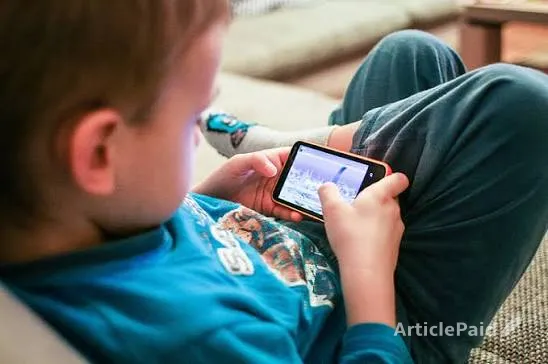
 Meet Generation Alpha: a generation comfortable tapping, scrolling, swiping, and navigating digital devices, yet often struggling to hold a pencil or form simple letters.
 If this struggle concerns parents, why do many teachers feel Generation Alpha is struggling more with handwriting during the nursery and early-years stage? This isn’t about blaming children or assuming every child in Generation Alpha has poor handwriting.
Handwriting development depends on several factors, including fine-motor development, play opportunities, teaching methods, home environments, tech use, and developmental differences between individuals. The challenge may be less about children forgetting how to write and more about how childhood experiences are changing.
Who Is Generation Alpha and Why Does Their Early Childhood Look Different?
 Generation Alpha, born between 2013 and 2024, is the first generation to be born in the 21st century. They are growing up in a world where smartphones, tablets, video calls, streaming platforms, and digital learning are a part of everyday life.
 For many children, touchscreen devices are introduced before they spend much time using pencils, crayons, scissors, and other tools that help develop hand strength. Technology itself is not always the problem. Digital tools are great for supporting learning, creativity, and communication when used appropriately.
If kids spend more time interacting with screens and less time manipulating objects, could this affect the development of the muscles and coordination required for handwriting?
The Missing Building Blocks: Fine-Motor Skills Matter
Fine motor skills are the small, controlled movements of the hands and fingers. Previous generations grew up in schools where nursery activities such as drawing, coloring, cutting, threading beads, building with blocks, clay sculpting, and fastening buttons strengthened these skills. These daily activities help develop the fine-motor skills needed for handwriting.
Handwriting is more complex than simply knowing the alphabet. A child needs finger strength, hand stability, coordination, visual control, and the ability to control pressure and movement.
For some Generation Alpha children, increased screen use may mean fewer opportunities for the hands-on activities that help build these skills.
Just because a child struggles to control a pencil at an early age doesn't mean they are unintelligent or incapable of learning.
Screens, Swipes, and the Changing Nature of Childhood
 Tapping or swiping a screen requires different movements from holding and controlling a pencil or manipulating other objects. Because screens generally require different movements from activities such as drawing, cutting, or manipulating small objects, it raises questions about whether children are getting enough opportunities to develop fine-motor skills.
 Screens have become a part of education and family life around the world, where parents use devices for work, communication, or entertainment. Rather than treating technology as the problem, it may be more useful to consider how much screen time replaces hands-on activities.
Children can benefit from technology while still needing regular opportunities for physical and hands-on activities. This raises the question of whether a digital-first childhood should be supported by an equally strong hands-on childhood.
Less Free Play, Fewer Opportunities to Strengthen the Hands
Children learn through everyday experiences, including the things they see, hear, and do. A good example of this is unstructured play where children are given the opportunities to climb, dig, build, draw, squeeze, carry, and manipulate objects. Outdoor and physical play can indirectly support handwriting by strengthening the shoulders, arms, hands, and overall coordination.
In many cases, modern childhood may leave less room for unstructured and outdoor play. The constant supervision and overuse of structured play have made children busy.
In some parts of the world, children may have limited access to safe outdoor spaces, while in others, academic pressure may reduce time for play-based learning. In the case of handwriting, developing how to hold a pencil begins long before a child is formally asked to write letters. This is learned by connecting everyday movement and play to later classroom skills.
Are Nursery Classrooms Asking Children to Write Too Soon?

In some cases, children may struggle with handwriting because of unrealistic expectations rather than a decline in their abilities. Children develop at different rates, especially during the early years. Some academic systems place strong emphasis on early academic achievement, including letter formation, spelling, and written work.
The question is whether children are always given enough time to develop the physical skills needed before they are expected to write neatly. A pressure-focused approach can be very different from a developmental one, which allows children to experiment with marks, shapes, drawings, and pre-writing movements.
This may not apply to all nursery schools around the world, but nursery education differs significantly between countries, cultures, and school systems.
The Pandemic May Have Changed Early Learning Experiences
Since the COVID-19 pandemic in 2020, early childhood education has been disrupted, leading to the isolation of many young children globally. Some children spent long periods away from nurseries, preschools, playgrounds, and group activities.
Remote learning was particularly challenging for very young kids because early development often depends heavily on physical interaction, play, movement, and hands-on exploration. Remote learning became necessary because of the pandemic.
When children entered or returned to classrooms, their early learning experiences differed depending on their families, countries, access to technology, and local restrictions. These circumstances have changed the early learning experiences of Gen Alpha.
Teachers Are Seeing the Challenge First-Hand
Nursery and early-years teachers are often the first to notice these challenges. Teachers may notice that difficulties with pencil grip, pressure control, letter formation, hand fatigue, and maintaining attention during writing tasks cause trouble for kids to learn handwriting at a young age.
Despite teachers working in classrooms where kids have widely different developmental experiences, these differences in fine-motor development are something teachers need to address.
The challenge is to find creative teaching methods that support children without simply making them practise more. This includes sensory activities such as drawing, finger painting, sand writing, playdough, tracing, construction activities, and other playful approaches.
Handwriting support does not have to mean sitting at a desk and copying letters repeatedly. Practising handwriting can involve sensory materials, letter-based games, hands-on activities, and other exercises that support fine-motor development.
What Can Parents Do at Home?
 Many parents may wonder how they can support handwriting development at home without putting too much pressure on their children. There are several simple ways parents can support these skills at home.
 Such methods include:
Drawing and colouring together
Playing with clay or dough
Using child-safe scissors
Building with blocks or construction toys
Threading large beads
Encouraging kids to help with age-appropriate household activities
Limiting passive screen time
Parents do not need to turn their homes into classrooms. Consistency, play, and encouragement can help children explore different activities without feeling pressured. Every child develops differently, and comparison can create unnecessary anxiety. Each child also has their own learning pace.
Conclusion: It Is Not About Blaming Generation Alpha
So why does Generation Alpha appear to struggle with handwriting in some nursery classrooms? Changing childhood experiences, increased device use, fewer opportunities for hands-on play, differences in educational expectations, developmental variation, and the effects of the pandemic may all play a role.
There is no single explanation and no reason to label the entire generation as incapable, as every child has their own developmental stage and learning pace. Children can develop handwriting skills when they are given time, encouragement, playful practice, and appropriate support.
Perhaps the real challenge is not that Generation Alpha cannot learn to write. It is whether modern childhood is still giving young hands enough opportunities to learn how.






















Responses (2)
Sign in to share your thoughts.
Sign in