Why Phone Fingerprint Sensors Fail After Death ?
Your body has a small electric signal When you are alive, a tiny electric current runs through your skin. Your finger ha

In this article 7 sections
Your body has a small electric signal
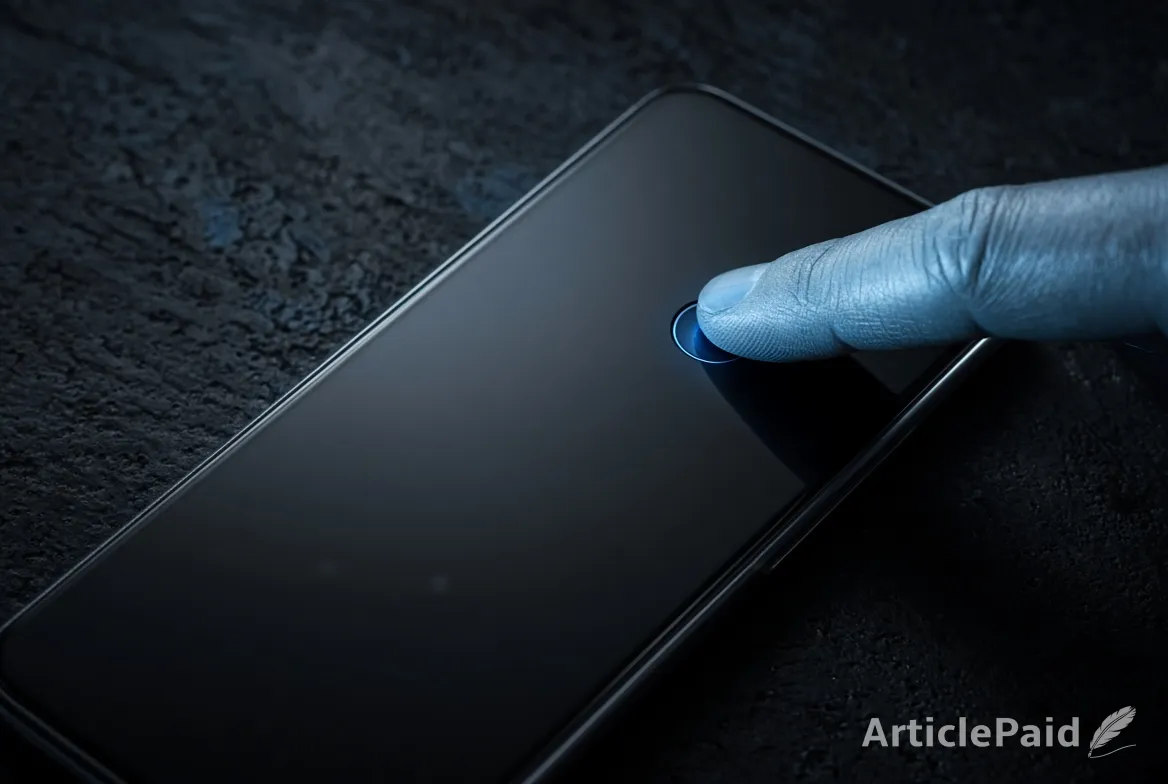
When you are alive, a tiny electric current runs through your skin. Your finger has ridges and valleys. The phone sensor feels the electricity from the ridges. This makes a clear picture of your fingerprint. The phone uses this picture to unlock.
Death stops the electric signal
The moment a person dies, the heart stops. Blood stops moving. The small electric signal in the skin also stops. Without this signal, the sensor cannot feel the ridges and valleys. The finger looks the same, but the phone does not see it as the right fingerprint.
Most phone sensors need live skin
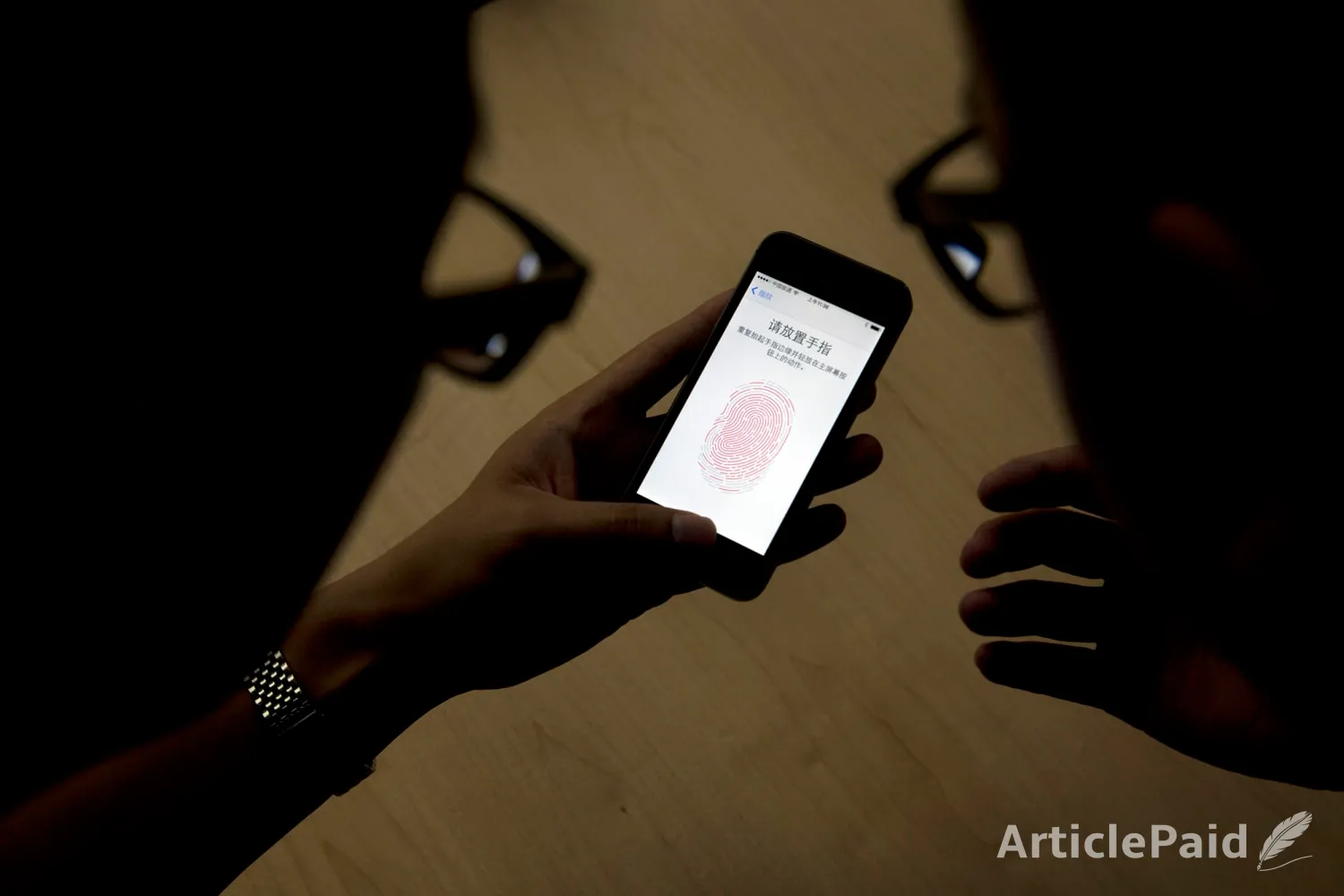
Many phones use a capacitive sensor. This sensor only works with living skin that still has electricity. A dead finger has no electricity. Even if you press the finger hard on the phone, nothing happens. The phone stays locked.
The skin changes very fast after death
After death, the body starts to cool down. The skin becomes dry and hard. The soft living feel of the finger disappears. The sensor needs soft, moist, living skin. Dry dead skin does not work.
A cut finger does not help
Some people think they can cut a finger and use it on a phone. This idea is wrong. The cut finger has no body electricity. The sensor still fails. Phone makers designed the sensor this way on purpose for safety.
Time makes it even harder
The longer a person is dead, the worse it becomes. After a few hours or days, the skin changes more. Police can still take fingerprints from a body for identification with special tools. But a normal phone sensor almost never works after death.
This fact protects your phone
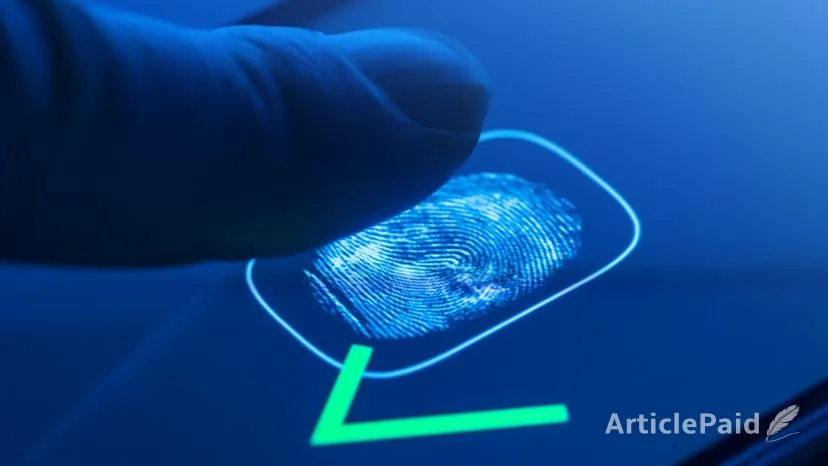
It is a shocking but real fact. Your phone fingerprint lock only works while you are alive. After death, the sensor stops recognizing the finger. This keeps your private data safer than many people think.














Responses (0)