Cold Weather Alone Does Not Give You a Common Cold

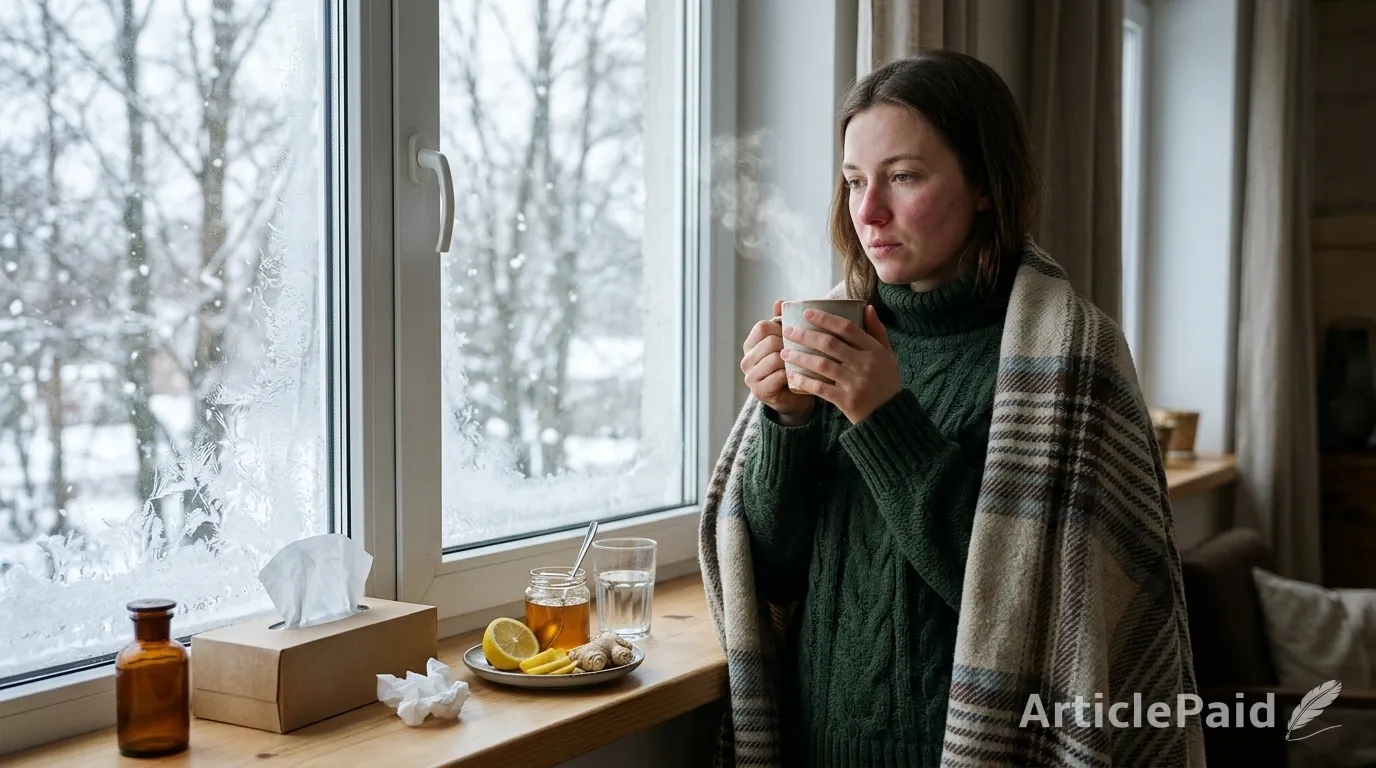
As we start to see the temperature drop, people tend to take extra care to avoid catching a common cold. Parents ensure the kids are dressed warmly, everyone avoids going outside with wet hair and many believe that sitting in a cold room or walking in cold weather can make people feel unwell. However, despite these measures people may take, there is a scientific fact that many may not know.

The common cold is a viral infection. This means that they can be passed from person to person via respiratory particles or contaminated hands/surfaces. This can often be seen to be a problem during the colder months.
So why do so many people catch common colds during the winter? Well it comes down to a few factors.
Knowing what causes a common cold can help people to make informed choices.
What Causes a Common Cold?
A common cold is a viral infection of the upper respiratory tract. There are over 200 different viruses that can cause this, meaning that throughout the year people may catch a number of colds.
The most common cause of a common cold is the rhinovirus. However, there are other viruses that can cause similar symptoms such as seasonal coronaviruses, adenoviruses and respiratory syncytial virus (RSV).
Viruses enter the body through the nose, mouth or eyes. Once inside they infect cells in the respiratory tract and reproduce. The immune system will respond to the infection causing symptoms.
Common cold symptoms include:
Runny / Blocked nose
Sneezing
Sore / Scratchy Throat
Cough
Mild Headache
Watery Eyes
Fatigue
Occasionally a mild fever, especially in children.
Common cold symptoms will often develop gradually and will often improve after around a week/10 days. Coughs can last longer.
However, you must be exposed to an infectious virus in order to catch a viral cold. Freezing outside will not create a cold virus!
Why Do More People Catch Colds During Colder Months?
Whilst cold temperatures won’t cause common colds directly, often respiratory infections will increase during Autumn and Winter. This can be due to a few factors.
1. Increased Time Indoors
One of the main reasons people are more susceptible to respiratory infections during colder months is due to increased time in buildings.
During warmer months people may be outside more meaning respiratory particles can be dispersed more easily. During winter people are more likely to be in enclosed areas such as homes, classrooms, offices, shopping centres and transport.
When an infected person coughs, sneezes, speaks or even just breathes respiratory particles may be released, these may contain viruses. Other people nearby may breathe in these particles and become infected.
A lack of ventilation can cause infected particles to build up.
This means that often, in enclosed areas with lots of people, can cause people to catch respiratory illnesses.
2. Some Respiratory Viruses Survive Better in Certain Conditions
Sometimes temperature and humidity can affect how long some respiratory viruses survive.
Research suggests that certain viruses such as some strains of influenza, may survive for longer in colder and drier conditions. However, this depends on the virus.
However, rhinoviruses (which cause many common colds) do not act in the same way as influenza. It would be incorrect to assume all cold causing viruses act differently due to the temperature dropping.
There are many more factors to consider. Human interaction, ventilation, immunity and the virus itself.
3. Drier Air Indoors
Generally, cold air outside will have less moisture. When this air is heated inside, the relative humidity can decrease.
This can cause issues to the protective lining of your nose and respiratory tract. Normally the respiratory tract will produce mucus and small hairs (cilia) to trap particles.
However in very dry conditions this may not work as well meaning certain respiratory viruses may find it easier to cause an infection.
However, this does not cause you to catch a cold on its own. You still need to be exposed to a virus.
Keeping the humidity in your home comfortable can help with respiratory issues. However, it is important to keep humidifiers clean.
Can Cold Air Cause the Body’s Natural Defences to Drop?
Cold air can affect some local defence mechanisms in the nose and respiratory tract.
The nose helps to warm, moisturise and filter the air we breathe. The tissues can also play a part in immunity.
Some research in the lab has shown that cooler temperatures inside the nasal cavity can reduce some local anti-viral defences. For example, a study in 2022 looked at how nasal cells react to viruses. It was found that cooler temperatures can affect how protective extracellular vesicles are released to help fight the virus.
This can show why some respiratory viruses may thrive in cooler conditions.
However, this was lab research and will not necessarily mean that you will catch an infection if you walk outside without a jacket. This looked at biological reactions and there are many other factors to consider.
Overall we know that cold temperatures may affect the conditions of an infection but viruses will cause viral colds.
Does Having Wet Hair Outside Cause a Cold?
Many families will have the belief that having wet hair outside can cause a cold. However, there is no good evidence to suggest this causes a viral infection.
Having wet hair can make you feel colder as the evaporation of the water from your hair and skin takes heat away. This can cause discomfort especially in windy or freezing conditions.
However, this will not cause an infection.
If you have wet hair and catch a virus that causes a cold then you will catch a cold. If your hair is completely dry you can still catch the same infection.
Wearing appropriate clothing, drying your hair and keeping yourself warm from extreme cold is a sensible choice. Just don’t confuse this with protection from respiratory viruses.
How Do Common Cold Viruses Spread?
One of the best ways to prevent an infection is to know how viruses can spread.
Common cold viruses can spread in a few ways.
Respiratory Particles
When someone with a respiratory infection coughs, sneezes, speaks or even just breathes they can release particles that may contain viruses.
Other people nearby may inhale these particles especially if they are in an enclosed area for long periods of time.
Contaminated Hands/Surfaces
Some respiratory viruses can survive on surfaces. If someone touches a contaminated object such as door handles, phones or keyboards they may transfer the virus to their eyes, nose or mouth.
This can cause the virus to enter the body.
Whilst some viruses can be transferred from surfaces this depends on the virus. Respiratory particles are an important source.
Close Contact
Being in close proximity to someone who is infected can increase your chances of exposure. Especially if you are in a household, school, workplace or other enclosed area.
Someone may also pass on the virus before they realise they are unwell.
Common Cold or Flu?
Often people use the terms cold and flu interchangeably but they are not the same.
Both are caused by viruses that affect the respiratory system. However, flu tends to cause more severe symptoms and can cause serious complications.
Common colds often develop gradually. You may notice a sore throat, sneezing or runny nose.
Flu often comes on suddenly. You may get a fever, chills, muscle aches, headaches and feel very tired.
Feature Common Cold Influenza (Flu)
Onset Usually gradual Often sudden
Fever Rare in adults Common
Muscle Aches Usually mild Often more noticeable
Sneezing Common Sometimes
Runny/Blocked Nose Common Possible
Fatigue Usually mild Can be significant
Complications Usually mild but possible Can be serious
These are generalised. Many symptoms can overlap and some people may not get a fever with the flu. Many respiratory infections such as COVID-19 can cause symptoms similar to a cold or flu. Testing can be useful to identify what infection you have as this can impact how you treat it.
If you are at higher risk of complications, seek medical advice early if you are showing symptoms of the flu.
How Can You Reduce Your Risk of Catching a Cold?
If cold weather isn’t causing the issue then what should you focus on?
The best thing to do is reduce your risk of catching an infectious virus and ensure your bodies natural defences are working as they should.
1. Wash Hands Frequently
Washing your hands is an easy and valuable habit to get into. Wash with soap and clean running water for at least 20 seconds. Wash your hands after coughing, sneezing, using the toilet and when you come home from public places.
If you cannot wash with soap and water then using an alcohol based hand sanitiser can be useful.
Try not to touch your eyes, nose and mouth with unwashed hands.
2. Increase Ventilation
Fresh air can help reduce the amount of infectious respiratory particles in the air.
Open windows if possible. Ensure you have ventilation systems in place and good air filtration if needed.
This is especially important in classrooms, offices, shared accommodation etc.
3. Avoid Close Contact If Unwell
If you are showing symptoms of a cold try to limit how close you are to others.
Cover your coughs and sneezes with a tissue or your elbow. Throw away used tissues quickly and wash your hands.
Wearing a well fitting face mask can help reduce how many respiratory particles are spread.
4. Get Enough Sleep
Sleep plays an important role in your immune system.
Not getting enough sleep regularly can affect your immune responses. Making it harder for your body to respond to infections.
Most adults need around 7-9 hours of sleep per night. However this will vary.
Getting a good sleep routine can help your overall health.
5. Eat a Balanced Diet
Eating a balanced diet will provide your body with the nutrients it needs to keep your immune system working properly.
Eat a variety of foods including;
Fresh fruit and vegetables
Wholegrains
Beans and Lentils
Nuts and Seeds
Eggs, Fish or other protein sources
Dairy or suitable alternatives.
Certain nutrients such as vitamin C, vitamin D, zinc and vitamin A can help keep your immune system working normally. However taking high doses of supplements will not guarantee you won’t catch a common cold.
For most people eating a variety of foods to get the nutrients you need is a good starting point. If you are lacking in something then taking supplements may be appropriate.
6. Be Active
Being active regularly can help your overall health including your cardiovascular and metabolic health. It can also help your immune system work healthily.
Walking, cycling, stretching and other light exercises can be useful during colder months.
You don’t need to go outside if it is uncomfortable or dangerous. Being active inside can be beneficial.
7. Have Recommended Vaccinations
Unfortunately there is no universal vaccine to prevent the many viruses that cause a common cold.
However there are vaccines available for certain respiratory infections such as the flu and COVID-19. Depending on your age, health conditions and local recommendations you can reduce your risk of catching a severe infection.
Remember that the flu vaccine will not prevent you from catching a cold. It will help protect you from the flu.
Do I Need to Avoid Cold Weather?
You don’t need to avoid winter.
Going outside can still be a part of a healthy lifestyle. Going for walks, exercising and being outside can help your physical and mental health.
Just ensure you are dressing appropriately and taking precautions against extreme cold.
Wear appropriate layers, cover any exposed skin and avoid being out in dangerously cold temperatures for long periods of time. Children, the elderly and those with certain medical conditions may need extra protection.
Whilst keeping safe in the cold is important this is different to preventing a viral infection.
You can catch a cold during the summer, spring, autumn or winter if you are exposed to an infectious virus. Whilst there are seasonal factors that can affect how likely you are to catch one, the temperature on the thermometer will not make you unwell.
When Should I Seek Medical Advice?
Most common colds will improve without specific medical treatment. Getting plenty of rest, fluids and taking the correct medication to help with symptoms can make you feel more comfortable whilst your immune system fights the infection.
However, you should consider contacting a healthcare professional if;
Your symptoms are severe and getting worse.
You have a fever for longer than expected or it comes back after improving.
You are experiencing shortness of breath or chest pain.
You are struggling to drink enough fluids.
Your symptoms improve but then get significantly worse.
You have a pre-existing condition that puts you at higher risk of respiratory complications.
If you are experiencing severe breathing difficulties, ongoing chest pain, confusion or other signs of a serious illness then seek urgent medical advice.
Those at higher risk such as the elderly, young children, pregnant people and those with a weak immune system or certain chronic conditions may benefit from seeking medical advice sooner.
Ordinary viral colds cannot be treated with antibiotics. Antibiotics work against bacterial infections so should only be used if a healthcare professional determines they are needed.

Final Thoughts
Many generations have said that cold weather causes common colds. However scientifically we can see that this is not the case.
Common colds are caused by viruses and not by cold temperatures, wet hair or walking outside without a jacket. Colder months can create conditions that make respiratory viruses more likely to spread. This can be due to people being in enclosed areas more, lack of ventilation and changes in humidity. Some environmental conditions can also affect local anti-viral defences in the body.
The best way to protect yourself is to focus on what actually causes the spread of infection.
Wash your hands, increase ventilation, get enough sleep, eat a balanced diet and stay indoors if you are unwell. Wear warm clothing in cold temperatures. Remember that keeping warm is not the same as preventing viral infections.
Cold weather may affect the spread of respiratory viruses however it will not cause the viruses that cause common colds. Knowing this can help you move away from old myths and make informed choices to prevent infection.














Responses (0)